
24 Hour Service
Call 409-444-0066
Water Leak Detection & Repair in Bridge City TX: Finding and Fixing Hidden Leaks
Bridge City homeowners can spot hidden leaks early, limit water damage, and choose the right repairs to protect their property and lower costs.
Introduction
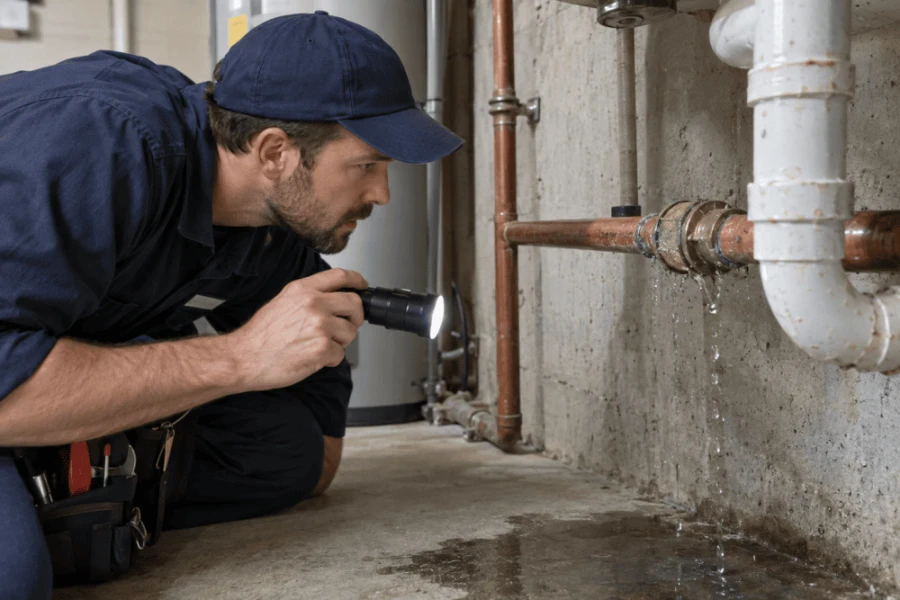
A hidden leak can waste water for weeks before a homeowner notices a problem. In Bridge City, a sudden increase in the water bill, damp flooring, or a musty smell may be the first clue that a pipe is leaking behind a wall, beneath a floor, or underground. Water Leak Detection & Repair in Bridge City TX starts with recognizing those clues and finding the source before moisture causes more damage. A careful inspection can help distinguish a plumbing leak from condensation, roof runoff, or another source of dampness. Knowing when to shut off water and when to call a plumber can also limit disruption. This guide explains warning signs, professional detection methods, repair options, and practical next steps for local homeowners.
Main Content
Recognizing Hidden Leaks Before Damage Spreads
Some leaks are obvious, such as water dripping beneath a sink, but concealed leaks often produce subtler signs. Look for unexplained wet spots, bubbling paint, warped trim, loose flooring, or discoloration on ceilings and walls. A persistent musty odor may indicate moisture trapped in a cabinet, wall cavity, or floor assembly. These clues do not prove that a water line is leaking, but they warrant a closer look. The earlier the source is identified, the more likely it is that repairs can stay localized.
Your water meter can help identify a possible leak when no fixtures are in use. Turn off faucets, appliances, and irrigation, then check whether the meter continues to register water use; consult the meter instructions if its display is unfamiliar. Repeat the check after a short interval to see whether the reading changes. A moving meter is a useful warning, not a diagnosis, because toilets and other fixtures may also use water unexpectedly. If you cannot identify the cause, professional water leak detection Bridge City TX can help narrow down where the water is escaping.
Pay attention to changes that appear together rather than relying on one symptom. For example, a higher bill combined with a warm patch on the floor may point toward a hot-water line, while a damp ceiling below a bathroom may suggest a fixture or drain issue. A toilet that runs intermittently can waste water without leaving visible damage. The U.S. Environmental Protection Agency offers practical guidance through its Fix a Leak Week resources, including ways to spot common household leaks. Keep notes about when symptoms began and which areas are affected so a plumber can use that history during inspection.
Water can travel away from the actual leak before it becomes visible. A stain on a wall may appear below or beside the damaged pipe, and moisture can follow framing, flooring, or other building materials. That is why opening the first damp area without confirming the source can lead to unnecessary repairs. If water is actively spreading, protect belongings and avoid using nearby electrical equipment in wet areas. For urgent plumbing problems, review the guidance on emergency plumbing service in Bridge City and contact a qualified professional when needed.
How Professional Leak Detection Finds the Source
A professional inspection generally begins with questions about the property, recent water use, and the symptoms you have observed. The plumber may inspect visible supply lines, fixtures, shutoff valves, water heaters, and areas where moisture is present. Meter readings and pressure checks can help determine whether water is escaping from a pressurized line. Depending on the situation, specialized listening equipment or other non-invasive tools may help locate a leak behind a surface. The goal is to gather evidence before deciding whether access through a wall, ceiling, or floor is necessary.
When a leak may be under a concrete foundation, slab leak detection Bridge City TX can help identify the likely location before repair work begins. Clues can include unexplained warm flooring, persistent dampness near the slab, or water use that continues after fixtures are off. These symptoms can have other causes, so they should not be treated as confirmation on their own. A plumber can assess the plumbing layout and use appropriate testing methods to narrow down the affected line. Accurate location matters because it can reduce unnecessary cutting and help plan a repair that suits the home.
Detection methods vary with pipe material, accessibility, and the type of leak. A plumber may use acoustic tools to listen for escaping water, thermal imaging to identify temperature differences, or moisture meters to map damp areas. Not every home or leak calls for every tool, and instruments do not replace professional interpretation. Ask what the inspection can establish, what remains uncertain, and how the proposed repair will be verified. For more background on household warning signs, see this related guide to signs of a hidden water leak.
Clear communication is part of a useful inspection. Share when the problem began, whether it changes when water is used, and whether any previous repairs were made nearby. Photographs of stains or meter readings can help document changes over time. Before work starts, ask for an explanation of the suspected source, the access required, and the expected steps to restore the affected area. The Texas State Board of Plumbing Examiners provides information about plumbing regulation and licensing in Texas, which homeowners can consult when selecting a plumbing professional.
Choosing the Right Leak Repair and Preventing Recurrence
The appropriate repair depends on the leak's location, severity, pipe condition, and accessibility. A small, reachable leak may be repaired by replacing a fitting or a short section of pipe, while a damaged line behind a finished wall may require controlled access and restoration. For a slab leak, options may include repairing the affected section or rerouting the line, depending on the plumbing layout and condition. A plumber should explain the advantages, limitations, and disruption associated with each reasonable option. Avoid relying on a temporary patch as a permanent solution unless a professional confirms it is suitable for the specific pipe and conditions.
Once the source is repaired, the work should be checked for continued leakage and the surrounding area assessed for moisture. Drying may require ventilation or professional moisture management, especially if water has reached insulation, cabinetry, or flooring. Leaving damp materials untreated can contribute to odors and further deterioration. Keep records of the repair, including the location, materials used, and any recommendations for follow-up. If damage is extensive, ask which restoration tasks are part of the plumbing work and which may require a separate specialist.
When a leak is active and causing damage, emergency water leak repair may be necessary. If it is safe to do so, close the fixture shutoff or the home's main water valve, then move valuables away from the affected area. Do not touch electrical devices or enter standing water where electrical hazards may exist. Call for help promptly and describe whether water is still flowing, where it is appearing, and whether the main valve is accessible. Homeowners can also explore the available emergency plumbing repair service information when deciding how to respond.
Prevention begins with occasional checks of exposed pipes, appliance connections, toilets, and under-sink cabinets. Replace worn supply hoses or fittings when they show signs of damage, and address running toilets or dripping fixtures rather than letting them persist. Know where your main shutoff valve is and make sure household members know how to use it. The EPA's WaterSense information offers broader guidance on water efficiency and conservation. For tailored help, 409 Plumbing serves Bridge City, Orange, and Beaumont, and you can request a plumbing quote to discuss an inspection or repair.
Conclusion
Hidden leaks can waste water and damage a home, but early attention to meter changes, damp areas, odors, and unusual sounds can help homeowners act sooner. Professional inspection can distinguish a plumbing problem from other sources of moisture and guide a repair suited to the location and pipe condition. If water is actively spreading, shut off the supply if it is safe and seek help promptly. For plumbing leak repair Bridge City homeowners can discuss the symptoms and next steps with 409 Plumbing. Call 409-444-0066 or request service from 409 Plumbing at 515 Camellia Avenue, Orange, Texas 77630, serving Orange, Beaumont, and Bridge City. Start with the Water Leak Detection & Repair in Bridge City TX resource and get help protecting your home from further water damage.
Frequently Asked Questions
What are the most common signs of a hidden water leak?
Common warning signs include an unexplained increase in water use, damp or discolored surfaces, peeling paint, warped flooring, and persistent musty odors. You may also hear water running when fixtures are off or notice that a water meter continues to move when the home is not using water. A warm spot on a floor can sometimes indicate a hot-water line issue, but it is not conclusive by itself. Check easy-to-access fixtures and appliance connections first, without disturbing walls or flooring. If signs persist or worsen, a plumber can inspect the system and identify the likely source.
How can I tell whether a leak is under my slab?
Possible clues include a warm or damp area on the floor, unexplained water use, or moisture appearing near the foundation. However, these symptoms can also result from condensation, drainage problems, or other plumbing issues. A meter check may help establish whether water is being used when everything is turned off, but it will not locate the leak. A professional can evaluate the plumbing, test the lines, and use detection tools to narrow down the affected area. Avoid breaking into the slab based only on a suspected location, since accurate diagnosis can help prevent unnecessary damage.
Should I shut off the water if I find a leak?
If water is actively flowing and you can safely reach the appropriate shutoff, turning it off can limit damage. For a localized fixture leak, use its nearby valve if it works; for an unknown or widespread leak, the main shutoff may be more appropriate. Do not enter standing water or handle electrical equipment in a wet area. If you cannot locate or operate the valve, call a plumber and explain what is happening. Once the immediate flow is controlled, arrange an inspection and repair rather than assuming the problem has resolved.
What should I expect during residential leak detection services?
An inspection typically starts with questions about symptoms, water use, and the home's plumbing history. The plumber may check visible fixtures, pipes, the water meter, and areas showing moisture, then use suitable testing equipment to narrow down the source. The exact approach depends on whether the suspected leak is in a fixture, wall, yard, or slab. Before repair, ask what the findings indicate, what access is needed, and how the repair will be tested. These steps help you understand the proposed work and make an informed decision.

Registered Master Plumber Texas State Board of Plumbing Examiners
RMP #44702
Licensed and Bonded
Cities Serviced
409 Plumbing
Follow Us On
© 2026 409 Plumbing. All Rights Reserved.
Website Design and Hosting Provided by LocalBizBuzz,co