
24 Hour Service
Call 409-444-0066
Water Leak Detection Orange TX: Signs Your Home May Have a Hidden Leak
Orange, TX homeowners can spot hidden leak warning signs early, limit water damage, and know when to call for professional water leak detection.
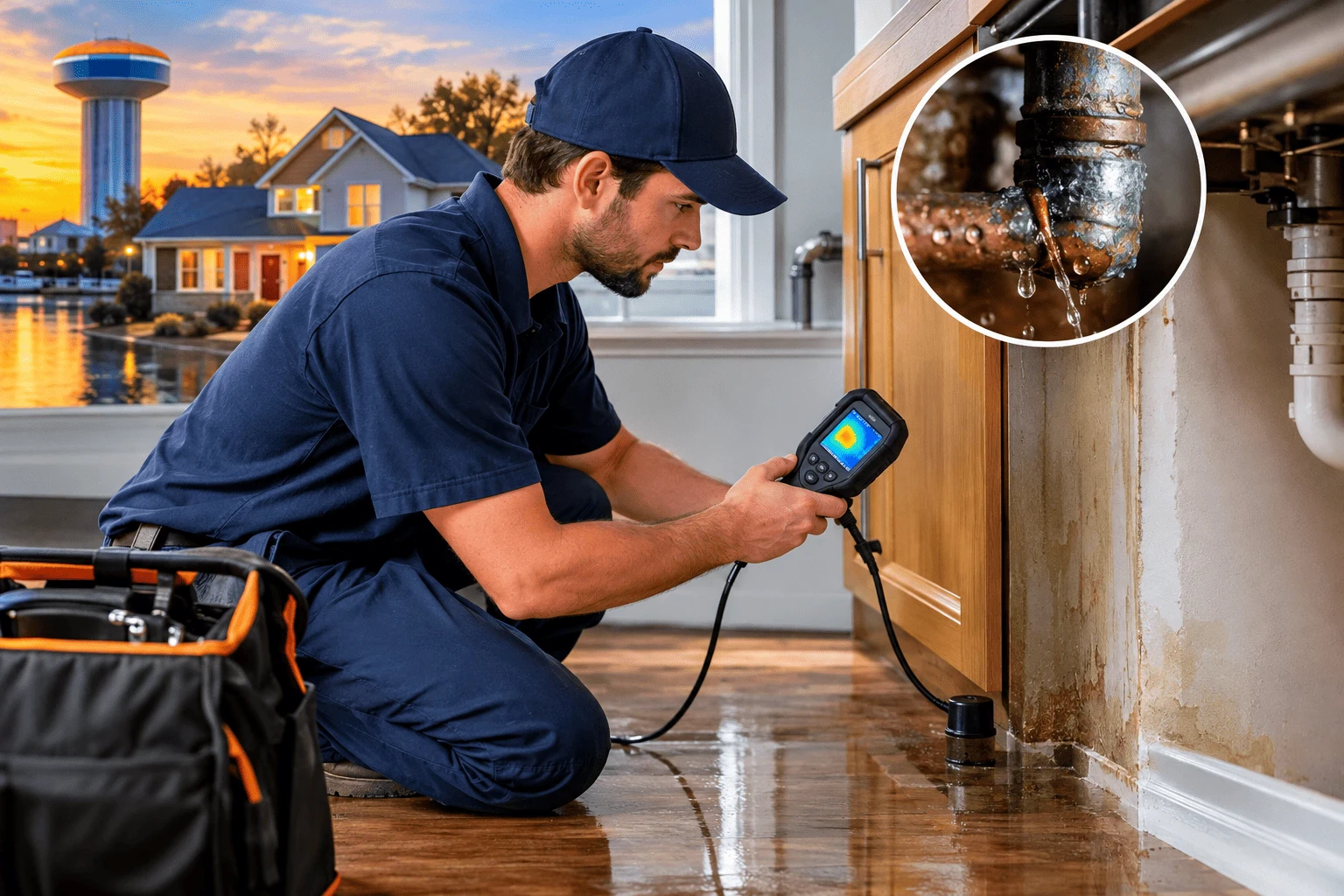
A hidden plumbing leak can waste water and damage your home long before a puddle appears. If your water bill suddenly climbs, a wall smells musty, or flooring feels damp, it may be time to investigate. For homeowners in Orange, TX, knowing the early warning signs can help limit repairs and protect the structure of a home. Professional water leak detection Orange TX can help locate the source without relying on guesswork. In this guide, learn what to look for, what you can safely check yourself, and when to call a plumber. Acting early is often the simplest way to keep a small leak from becoming a major disruption.
Water Leak Detection Orange TX: Warning Signs to Watch For
Some leaks are easy to spot, such as water beneath a sink, but others stay hidden behind walls, under floors, or below a home's foundation. A water bill that rises without a change in household use is one useful clue. Compare recent bills with the same season in previous years, since outdoor watering and seasonal habits can affect consumption. If the increase persists, check fixtures and toilets for visible drips or running water. A plumber can help determine whether the cause is a fixture issue or a concealed pipe leak.
Pay attention to damp or discolored areas on ceilings, walls, and floors. Paint that bubbles, wallpaper that lifts, or flooring that warps may indicate moisture behind the surface. A persistent musty odor can also point to damp building materials, even if you cannot see water. These signs are not proof of a plumbing leak, because roof leaks and condensation can cause similar symptoms. Note when and where they appear so a professional has useful information to guide an inspection.
Listen for water when all taps, appliances, and irrigation systems are off. A faint hiss, trickle, or running-water sound may signal a leak, although pipes and appliances can make other noises too. You can also check your water meter: turn off water-using fixtures, wait a short time, and see whether the meter continues to move. Make sure no one uses water during the check, including automatic appliances or irrigation. For more homeowner guidance, the EPA's Fix a Leak Week resources explain common leak checks and water-saving steps.
Common Hidden Leak Locations and Why They Matter
Leaks can develop at supply lines, fixture connections, appliance hoses, and pipes concealed inside walls or ceilings. Check beneath sinks and around toilets for moisture, corrosion, or loose connections, but avoid forcing old fittings that may break. Washing machines, dishwashers, and refrigerators with water dispensers also have hoses that can wear or loosen. A small drip in a cabinet may seem harmless, yet repeated moisture can damage the cabinet base and nearby flooring. If you find water near an electrical outlet or appliance, keep clear and seek qualified help.
Some homes have plumbing lines beneath a concrete foundation, where leaks can be hard to see directly. Possible clues include warm or damp floor areas, unexplained water sounds, or a steadily rising water bill. These symptoms can have other causes, so they should not be treated as a diagnosis on their own. A professional can assess whether slab leak detection Orange TX is appropriate and determine how to investigate with minimal disruption. Early evaluation may help homeowners understand the repair options before moisture affects more of the home.
Leaks can also occur outdoors between the meter and the house or around irrigation connections. Soft, unusually green patches in a dry area, standing water, or a persistently wet spot may warrant a closer look. Consider whether recent rain or watering could explain the condition before assuming a pipe has failed. If the water meter continues to move after indoor fixtures are off, an outdoor line may be part of the problem. The American Water Works Association shares information about water loss control that helps explain why identifying leaks matters.
Because hidden pipes aren't always accessible, don't cut into walls or floors based on a hunch. Effective plumbing leak detection Orange TX starts with gathering clues and narrowing down likely locations. Depending on the home and symptoms, a plumber may use inspection tools and targeted tests to locate the source. Ask what the inspection includes, which areas may need access, and how they'll explain the findings. Clear communication can help you decide on next steps.
What to Do When You Suspect a Leak
Start by documenting what you notice: the date, location, odor, sound, visible moisture, and any water-bill change. Take photos of affected surfaces and keep copies of recent bills for comparison. If a fixture is visibly leaking, shut off its local valve if you can do so safely and without forcing it. If water is spreading or the leak cannot be isolated, use the main shutoff only if you know its location and can operate it safely. Keep people away from wet electrical areas and contact a qualified plumber for guidance.
For a simple toilet check, place a few drops of food coloring in the tank and wait without flushing. If color appears in the bowl, water may be passing through the flapper or another tank component. Replace or adjust a worn part only if you are comfortable doing so, and check again afterward. This test can identify a common fixture leak, but it will not detect a hidden supply-line or slab leak. The EPA's WaterSense information offers additional context on water efficiency and household water use.
When you call for help, describe the evidence rather than trying to name the cause. A plumber can discuss leak detection services Orange TX and whether further testing is useful based on your observations. Once the source is found, water leak repair Orange TX may involve replacing a fitting, repairing a pipe, or addressing another specific failure. Ask for an explanation of the suspected source, the proposed repair, and any areas that may need to be opened. You can also review the company's plumbing services in Orange or request a quote to discuss your situation.
If you are comparing providers, ask who will perform the work and what qualifications apply to the service. The Texas State Board of Plumbing Examiners provides information about plumbing licensing in Texas. A thorough professional visit should include listening to your concerns, checking relevant areas, and explaining findings in plain language. Avoid agreeing to unnecessary demolition before the suspected leak location and repair approach are discussed. For related homeowner resources, browse the company's plumbing blog.
How Professional Detection Helps Protect Your Home
Professional residential water leak detection Orange TX can help distinguish a plumbing leak from other sources of moisture. A technician considers your home's layout, pipe routes, meter readings, and the pattern of visible symptoms. The inspection method depends on the suspected location and the type of plumbing involved. This targeted approach can reduce guesswork and help avoid opening areas that do not need attention. Ask the plumber to explain what the findings do and do not confirm.
For example, imagine a homeowner notices a higher bill and a damp patch near a hallway but no visible pipe. The patch alone cannot show whether the source is a nearby supply line, a drain, or moisture entering from elsewhere. A professional can use the meter check and inspection findings to narrow down the possibilities. If the evidence points to a concealed line, the plumber can discuss a focused repair plan and any access needed. This kind of step-by-step assessment helps the homeowner make decisions based on evidence rather than assumptions.
After repairs, monitor the area and compare water use to your normal pattern. Check that the meter remains still when all water is off, and watch for recurring stains, odors, or dampness. If symptoms return, contact the plumber and share your notes and photos. A prompt follow-up can help determine whether the original leak persists or a separate issue has developed. Keep repair records with home maintenance documents for future reference.
Unexplained water use, damp surfaces, musty odors, and unusual plumbing sounds can all be reasons to investigate a possible hidden leak. Simple checks can provide useful clues, but concealed lines and slab plumbing require a careful professional assessment. Record what you observe, avoid risky do-it-yourself investigation, and ask questions about the inspection and repair plan. For local help, contact 409 Plumbing at 409-444-0066 or visit 515 Camellia Avenue, Orange, Texas 77630. The team serves Orange, Beaumont, and Bridge City, TX, and can discuss the next steps for your home. Reach out to arrange an evaluation before a small concern has more time to affect your property.
Frequently Asked Questions About Water Leak Detection
What are the early warning signs of a hidden water leak in an Orange, TX home?
Common clues include an unexplained increase in your water bill, damp or discolored surfaces, warped flooring, and a musty odor. You may also hear water running when fixtures are off or notice the meter moving during a no-use check. None of these signs alone confirms a plumbing leak, since weather, condensation, or other home issues can create similar symptoms. Look for patterns and record when the signs occur. If the clues persist, arrange a professional inspection rather than opening walls or floors yourself.
How can I check my water meter for a hidden plumbing leak?
Yes, you can safely look beneath sinks, around toilets, and near appliance hoses for visible moisture or drips. Turn off water-using fixtures and appliances, then check whether the water meter continues to move. A toilet tank dye test can also reveal water passing from the tank into the bowl. Do not force shutoff valves or approach wet electrical equipment. If you cannot identify the source or the leak is spreading, contact a plumber for help.
What is slab leak detection, and when might I need it?
Slab leak detection is an assessment for a possible leak in plumbing located beneath a concrete foundation. Homeowners may seek it when they notice persistent damp or warm floor areas, unexplained water use, or water sounds with fixtures off. These symptoms can have causes unrelated to a slab pipe, so an evaluation is needed before deciding what repair is appropriate. A plumber can review the evidence and explain the inspection options. Ask how the suspected location will be confirmed and what access may be required.
How quickly should I address a suspected leak?
Address a suspected leak promptly, especially if water is actively spreading, the ceiling is bulging, or moisture is near electrical equipment. If you can safely stop the flow at a local shutoff, do so, but do not take risks around electricity or damaged materials. A slow leak may still damage cabinets, flooring, and walls over time. Keep people away from hazardous areas and call a qualified plumber for next steps. Early attention can help limit further damage and clarify the repair needed.
Why is my water bill suddenly higher if my household habits haven't changed?
A sudden, unexplained jump in your monthly water bill is one of the most reliable indicators of a hidden leak behind a wall, under the floor, or underground. Compare your bill to the same season in previous years to rule out seasonal use; if the elevated usage persists, you likely have a running toilet, a fixture issue, or a hidden pipe leak.
Can musty smells or bubbling paint mean I have a leaking pipe inside the wall?
Yes. When pipes develop pinhole leaks or joints fail inside walls, moisture builds up in building materials. This dampness often causes musty odors, bubbling paint, peeling wallpaper, and discoloration of drywall. While roof leaks or condensation can cause similar issues, professional leak detection can confirm if plumbing is the culprit.
When should I call 409 Plumbing for professional water leak detection in Orange, TX?
Contact 409 Plumbing immediately if your water meter runs continuously, you notice damp or warped flooring, or your water bill rises without explanation. Our team provides specialized water leak detection and repair in Orange, TX, using advanced tools to locate hidden leaks without destructive guesswork.

Registered Master Plumber Texas State Board of Plumbing Examiners
RMP #44702
Licensed and Bonded
Cities Serviced
409 Plumbing
Follow Us On
© 2026 409 Plumbing. All Rights Reserved.
Website Design and Hosting Provided by LocalBizBuzz,co