
24 Hour Service
Call 409-444-0066
Water Heater Checkup Beaumont: Signs Your System Needs Maintenance
Beaumont homeowners can spot leaks, strange noises, and heating problems early with practical water heater maintenance tips that help prevent costly repairs.
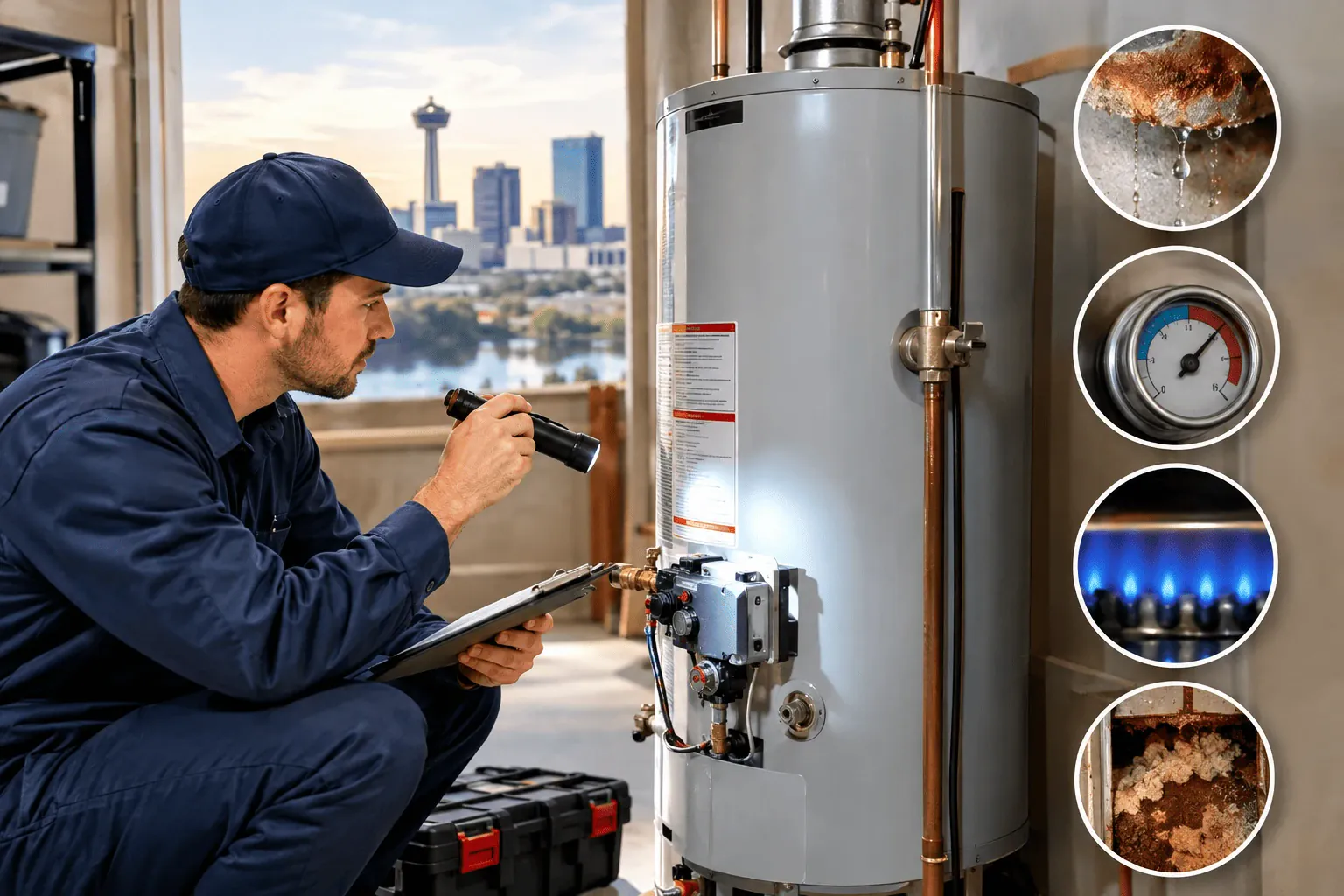
A water heater often works quietly in the background until the shower turns cold, a leak appears, or a strange rumble comes from the utility room. A water heater checkup Beaumont homeowners schedule before those problems escalate can help identify wear and performance issues early. Beaumont's changing weather and everyday household demand can put steady pressure on plumbing equipment, making it useful to recognize warning signs between professional visits. Some concerns are simple to monitor, while others call for a qualified plumber to inspect the appliance and connections. This guide explains what to watch for, what a professional checkup may cover, and when to arrange service. With timely attention, you can make informed decisions about comfort, safety, and the life of your water heater.
1. Warning Signs That Call for a Water Heater Checkup Beaumont
Inconsistent water temperature is one of the clearest signs that your system may need attention. If a shower shifts from hot to lukewarm without a change in use, the cause could involve a thermostat, heating element, burner, or buildup inside the tank. A single brief fluctuation does not always mean a major failure, but repeated changes deserve a closer look. Note when the problem happens, how long hot water lasts, and whether other taps are affected. Those details can help a technician narrow down the issue.
Pay attention to new sounds, too. Popping, rumbling, or crackling may occur when sediment collects at the bottom of a tank and interferes with heating. A faint operational sound can be normal for some equipment, but a sudden change in volume or frequency is worth investigating. Do not open sealed panels or attempt repairs around gas or electrical components yourself. A professional water heater inspection Beaumont can help determine whether cleaning, adjustment, or repair is appropriate.
Visible moisture is another warning that should not be ignored. Check the floor, fittings, nearby walls, and the area around the temperature and pressure relief valve for dampness or corrosion. A small amount of condensation can have different causes than a steady drip, so avoid assuming every puddle means the tank has failed. However, water near electrical equipment or a gas appliance can create additional hazards. If a leak is active or spreading, contact a plumber promptly and follow the manufacturer's safety guidance.
Discolored or unpleasant-smelling hot water can also point to a maintenance concern. Rust-colored water may be associated with corrosion in the tank or plumbing, while an odor can have several possible causes that require proper diagnosis. Compare hot and cold water at different fixtures to see whether the issue is limited to hot water. If the change persists, arrange an assessment rather than relying on repeated flushing or chemical treatments. A technician can evaluate the appliance and recommend a safe next step.
These symptoms are useful clues, not a diagnosis. For broader guidance on spotting plumbing problems, read this article about how plumbing inspection services in Beaumont can help prevent costly repairs. If you notice several warning signs at once, write them down and share when they began. A clear timeline can help distinguish a developing issue from a sudden malfunction. Acting early may give you more repair options than waiting until hot water stops completely.
2. What Professional Water Heater Maintenance Beaumont May Include
A professional visit generally begins with questions about the unit's age, recent performance, and any changes you have noticed. The plumber can visually examine the tank or tankless unit, accessible piping, shutoff valves, connections, and surrounding area. They may look for leaks, corrosion, damaged insulation, or signs that the appliance is not venting or operating as expected. The exact process depends on the equipment type, manufacturer instructions, and observed condition. A checkup should be tailored to the system rather than treated as a one-size-fits-all procedure.
For a storage tank heater, a technician may assess sediment concerns and determine whether flushing is suitable for the unit's condition. They can also inspect safety components, including the temperature and pressure relief valve, and check settings according to manufacturer guidance. Do not test, drain, or adjust components if you are unsure how to do so safely. Older or neglected equipment may need special care, and an improper procedure can cause damage or injury. Ask the technician to explain what they recommend before work begins.
Tankless systems have different maintenance needs, which may include checking filters, venting, water flow, and scale buildup. Mineral content and usage patterns can affect how often service is appropriate, so follow the equipment manual and professional advice. Keep records of past work, model information, and any error codes displayed by the unit. This history helps a service provider understand recurring performance issues. For manufacturer-specific information, consult Rheem's water heater support resources if your unit is made by Rheem.
Routine water heater maintenance Beaumont can also include checking whether the system is appropriately sized and set for household needs. A unit that struggles during peak use may be undersized, aging, or affected by a repairable fault. Conversely, unusual energy use can prompt a review of settings, equipment condition, and household demand. ENERGY STAR offers information about efficient water heater options for homeowners comparing equipment. Efficiency information can guide research, but a plumber should assess your home's specific installation and requirements.
When the visit identifies a repair need, request a clear explanation of the problem, available options, and any safety concerns. A technician should distinguish urgent work from preventive recommendations and explain why each step matters. If replacement is being considered, ask about expected capacity, installation requirements, and compatibility with existing plumbing and fuel connections. You can review the company's expert plumbing services in Beaumont to learn more about local service options. Keeping a written record of findings makes future maintenance easier to plan.
3. Safe Homeowner Checks and When to Call a Plumber
Homeowners can safely observe the area around the heater without disassembling the appliance. Look for water, rust, loose-looking connections, blocked access, or items stored too close to the unit. Keep the manufacturer's instructions available and make sure household members know where the appliance is located. Never cover vents or store flammable materials near a gas water heater. If you smell gas, leave the area and contact the appropriate emergency service or gas provider from a safe location.
It can help to note how long hot water lasts and whether the issue affects one fixture or the whole home. Check whether a breaker has tripped only if you can do so safely and understand your electrical panel. Do not repeatedly reset a breaker, remove access panels, or touch exposed wiring. For gas units, do not adjust burners, valves, or venting components yourself. These observations provide useful information for a professional without putting you at unnecessary risk.
Schedule a plumber when symptoms persist, performance declines, or you find a leak, corrosion, or unusual noise. A water heater tune-up Beaumont appointment may be appropriate when the unit is due for service or has not been checked in a long time. If the system stops producing hot water, a qualified technician can determine whether repair is practical and safe. For urgent plumbing concerns, review the available emergency plumbing repair service information. Do not delay if water is damaging the home or you suspect a gas or electrical hazard.
Homeowners sometimes try online fixes before calling for help, but water heaters combine hot water, pressure, electricity, and sometimes combustible gas. A mistaken adjustment can worsen a leak or create a safety issue. Avoid using chemical cleaners or unapproved parts, and do not bypass safety devices. If you are unsure whether a symptom is serious, describe it to a plumbing professional and ask what to do while waiting. Conservative action is especially important when children, older adults, or people with limited mobility live in the home.
Water quality and household habits can influence plumbing performance, although they do not replace equipment maintenance. The EPA explains how WaterSense water-efficiency guidance can help consumers make informed choices about water use. Reducing unnecessary hot-water demand may support comfort and efficiency, but persistent temperature or leak problems still need diagnosis. Keep an eye on the unit after any service and report recurring symptoms. A timely follow-up can help confirm that the original concern has been resolved.
4. Repair, Replacement, and Planning Ahead
Not every aging water heater needs immediate replacement, and not every failure is worth repairing. A plumber can consider the unit's age, condition, repair history, parts availability, and the cost of the proposed work. A relatively minor repair may restore reliable service, while repeated breakdowns or significant corrosion can make replacement a more sensible discussion. Ask for the reasoning behind the recommendation and compare the likely short-term and long-term costs. The right choice depends on the equipment and your household's needs.
For example, imagine a family that notices rumbling and slower recovery after several busy mornings. The technician finds sediment and a worn component, then explains the options based on the tank's overall condition. If the tank is sound, maintenance and repair may be reasonable; if there is active tank corrosion, replacement may be safer than patching a failing vessel. This is an illustrative scenario, not a guarantee that every rumbling heater has the same cause. A proper diagnosis prevents assumptions from driving the decision.
Replacement planning is a chance to review capacity, fuel type, energy use, and installation constraints. A larger model is not automatically better if it does not match the home's demand or available space. Consider how many people use hot water, when demand peaks, and whether future renovations may change usage. Ask about required permits and safe venting or electrical connections for the selected model. A qualified installer can explain the tradeoffs without promising savings that depend on individual use and utility rates.
Arranging service before a complete breakdown can make planning less stressful. You can compare recommendations, schedule work at a convenient time, and prepare for any access or utility requirements. If you need hot water heater service Beaumont or suspect you need water heater repair Beaumont, share the make, model, and symptoms when requesting help. Visit the 409 Plumbing quote request page to begin discussing your needs. For additional plumbing articles and homeowner guidance, browse the 409 Plumbing blog.
Leaks, unusual sounds, discolored water, and inconsistent temperatures are all reasons to pay closer attention to your water heater. A professional checkup can identify the cause, explain safe maintenance options, and help you make a considered repair or replacement decision. Keep notes about symptoms and avoid opening or adjusting components that involve gas, electricity, or pressure. For local help, contact 409 Plumbing at 409-444-0066 to discuss water heater service in Beaumont and nearby communities. 409 Plumbing serves Orange, Beaumont, and Bridge City. Reach out to request a quote and plan your next step before a small concern becomes a major disruption.
Frequently Asked Questions About Water Heater Checkups
How often should I schedule a water heater checkup in Beaumont?
There is no single schedule that fits every water heater because equipment type, age, water conditions, and manufacturer recommendations differ. Check the owner's manual for service guidance and ask a licensed plumber to suggest an interval based on your unit. A checkup is especially useful if you notice leaks, inconsistent temperatures, new noises, or reduced hot-water supply. Older equipment or a history of recurring problems may need closer attention. Keep records of inspections and repairs so the next technician can see what has already been done. Do not wait for a complete failure if warning signs are developing.
Can I flush or maintain my water heater myself?
Some manufacturers provide homeowner instructions for basic care, but draining or flushing a heater involves hot water and pressurized equipment. The correct method can vary by model and by the condition of the unit. If a valve is stuck, the tank is corroded, or you are uncertain about shutting off power or fuel, do not proceed. Improper handling can cause burns, leaks, or equipment damage. A professional can determine whether flushing is appropriate and perform it according to the unit's requirements. Always prioritize the manufacturer's instructions and personal safety.
What does it mean if my water heater is making a rumbling sound?
Rumbling can be associated with sediment or mineral buildup in a storage tank, but sound alone cannot confirm the cause. Other operating conditions or equipment issues may also create unusual noises. Note whether the sound occurs during heating, whether it is new, and if performance has changed at the same time. Avoid opening panels or trying to remove buildup without proper training. A plumber can inspect the unit and explain whether maintenance or repair is needed. Contact a professional sooner if the noise is accompanied by a leak, burning smell, or loss of hot water.
Should I repair or replace an older water heater?
The best choice depends on the unit's age, condition, repair cost, reliability, and household requirements. A repair may be sensible when the tank is structurally sound and the problem is limited to a serviceable part. A leaking or corroded tank can indicate a more serious failure that repair may not resolve. Ask a plumber to explain the evidence behind the recommendation and provide options where practical. If replacement is advised, discuss capacity, installation needs, and available equipment types. Compare the full costs and expected use rather than making the decision based on age alone.

Registered Master Plumber Texas State Board of Plumbing Examiners
RMP #44702
Licensed and Bonded
Cities Serviced
409 Plumbing
Follow Us On
© 2026 409 Plumbing. All Rights Reserved.
Website Design and Hosting Provided by LocalBizBuzz,co