
24 Hour Service
Call 409-444-0066
How Plumbing Inspection Services Beaumont TX Help Prevent Costly Repairs
Plumbing inspection services in Beaumont, TX help homeowners catch leaks, clogs, and pipe damage early—before small problems become costly repairs.
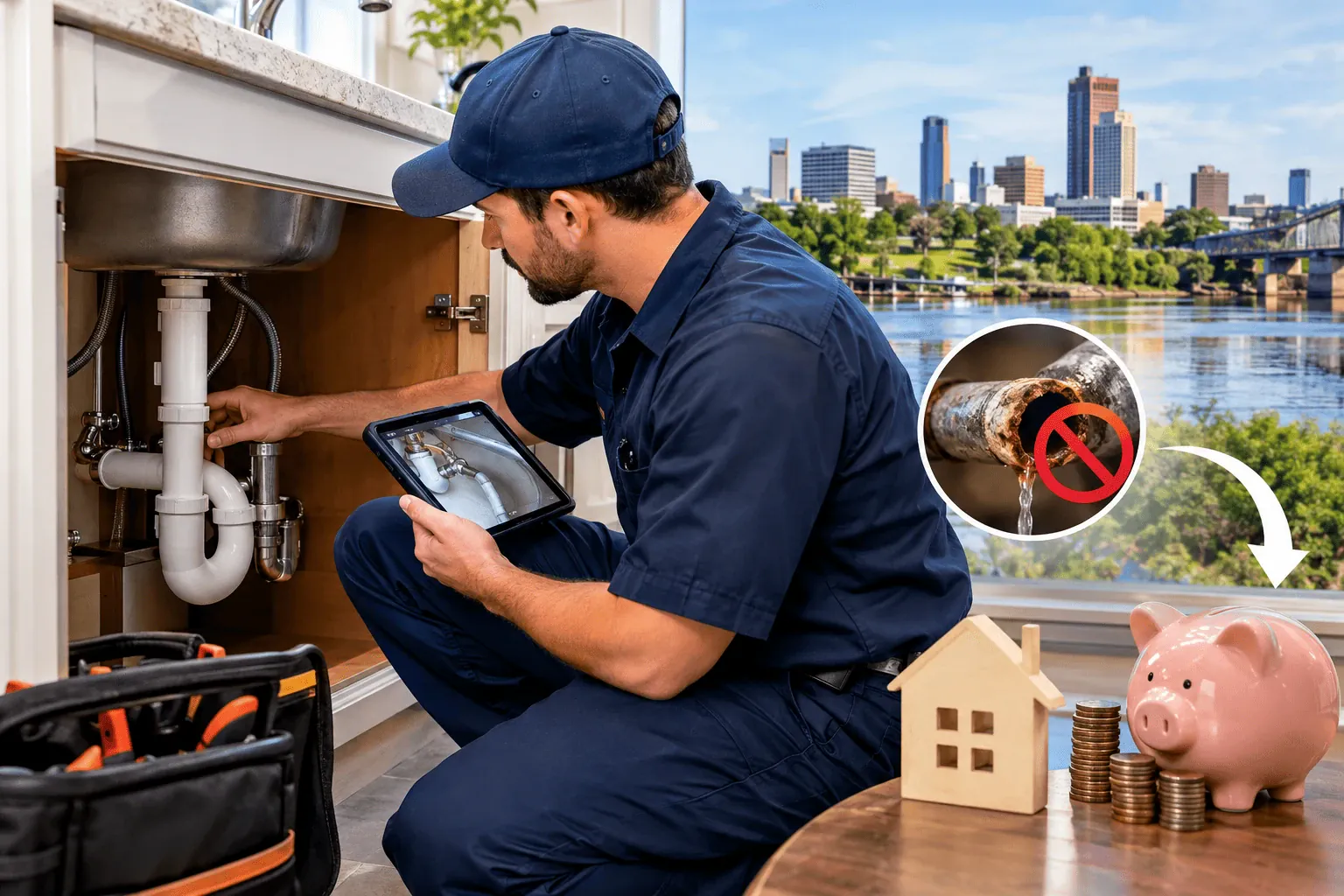
A small plumbing issue can stay out of sight until it becomes a soaked cabinet, a damaged floor, or an unexpected interruption to your day. With plumbing inspection services Beaumont TX, property owners can identify warning signs before they develop into expensive emergencies. A professional inspection checks visible fixtures and pipes while also looking for less obvious concerns, such as slow leaks, corrosion, and drainage problems. For Beaumont homes and businesses, early attention can help protect building materials, conserve water, and make repair planning easier. Whether you own an older house, manage a commercial property, or are preparing for a renovation, a thorough inspection can give you a clearer picture of your plumbing system. Knowing what an inspection covers helps you decide when to schedule one and what questions to ask.
What a Plumbing Inspection Can Reveal
A plumbing inspection is a structured review of the system's accessible components, rather than a quick look at a single leaking faucet. A plumber may examine supply lines, shutoff valves, faucets, toilets, water heaters, drains, and visible pipe connections. They can look for moisture, mineral buildup, corrosion, loose fittings, and signs that a fixture is not operating as expected. A plumbing inspection Beaumont TX visit can also include questions about recurring clogs, changes in water pressure, unusual sounds, or past repairs. These details help connect symptoms to potential causes instead of treating each problem in isolation.
Some warning signs are subtle enough to go unnoticed during a busy week. A toilet that runs intermittently, a faint musty odor under a sink, or a small stain on the ceiling may point to a problem worth investigating. During a home plumbing inspection Beaumont, the plumber can check accessible areas and explain whether further testing is appropriate. For example, a damp cabinet floor may come from a loose drain connection, a supply-line leak, or water splashing from the sink. Finding the source early can help limit damage and prevent repeated patchwork fixes.
Inspections can also help homeowners understand how everyday water use affects the system. A running toilet or dripping tap may waste water over time, even when the issue seems minor. The EPA's guidance on finding and fixing household leaks explains why checking for leaks is a practical part of water conservation. A plumber can identify fixtures that need repair and discuss suitable next steps based on what they find. The goal is not to recommend unnecessary work, but to give you useful information about the condition of your plumbing.
Why Early Detection Can Reduce Repair Costs
Water can travel behind walls, beneath flooring, and along framing before it becomes visible. By the time a stain or soft spot appears, moisture may have affected more than the pipe itself. Routine inspections give a plumber a chance to notice early clues, such as corrosion around a connection or moisture near a fixture. Addressing a small repair promptly may be simpler than dealing with damaged finishes and a larger plumbing failure later. The exact cost and repair scope depend on the location and severity of the issue, so an inspection is a way to improve visibility rather than a guarantee against every emergency.
Consider a homeowner who notices that the water bill has gradually increased but cannot find a visible leak. A plumber might check toilets, exposed supply lines, and other accessible fixtures, then recommend additional testing if the cause remains unclear. This step-by-step approach can help narrow down the issue before a pipe failure causes obvious damage. Similarly, a slow drain that keeps returning may need more than another round of store-bought cleaner. A professional assessment can help determine whether the concern is a localized blockage, a venting issue, or a deeper drain problem.
Water efficiency is another reason to pay attention to plumbing performance. The EPA's WaterSense information and conservation guidance offers resources for understanding water-saving products and habits. During an inspection, a plumber can point out leaks or inefficient fixtures and explain repair or replacement options. Beaumont property owners can then weigh the condition of the fixture, expected use, and budget before deciding what to do. Taking action on confirmed issues can reduce avoidable water loss and help keep small problems from lingering.
Inspections for Homes, Businesses, and Sewer Lines
Residential inspections focus on the plumbing that supports daily household use, including bathrooms, kitchens, laundry areas, and water heaters. A plumber may review visible piping and fixtures, test operation, and ask about recurring issues that are not obvious during a single visit. A plumbing system evaluation Beaumont can be particularly useful before buying a property, starting a remodel, or addressing repeated repairs. The inspection findings can help you prioritize immediate concerns and plan maintenance over time. Because plumbers can't always assess concealed pipes visually, they should explain any limitations and whether specialized diagnostics are needed.
Commercial properties often have more fixtures, heavier use, and greater consequences when plumbing is unavailable. A commercial plumbing inspection Beaumont may consider restrooms, break rooms, service areas, water heaters, drains, and accessible shutoff points. For a property manager, documenting recurring leaks or drain issues can help coordinate maintenance and reduce surprise disruptions for tenants or staff. Businesses can review commercial plumbing service options when they need help with a broader system concern. Match the inspection scope to the building, its use, and any specific symptoms occupants report.
Drain and sewer concerns may require more than a standard fixture check. Slow drains in multiple rooms, recurring backups, gurgling sounds, or unpleasant odors may warrant a camera assessment. A sewer line inspection Beaumont TX may help locate obstructions or visible defects inside the portion of the line that can be accessed with the equipment. Distinguish a suspected sewer issue from a confirmed diagnosis, since symptoms can have several possible causes. If you are experiencing an urgent backup, review these steps to take before an emergency plumber arrives and contact a qualified professional.
/How to Prepare and Choose the Next Step
A little preparation can make an inspection more useful. Before the appointment, write down when symptoms began, which fixtures are affected, and whether the problem changes with time or water use. Clear access to sinks, water heaters, utility areas, and visible shutoff valves where possible. If you have records of previous repairs or unusual water bills, share them with the plumber. These details can help the professional focus on the most relevant areas and explain the findings in context.
After the inspection, ask for a clear summary of what was checked and what was observed. Find out which items need prompt attention, which can be monitored, and whether any recommended testing is necessary to confirm a suspected issue. Request an explanation of repair options and any limitations, especially when pipes are hidden behind walls or underground. For local service information, see expert plumbing services in Beaumont or explore the 409 Plumbing blog for related guidance. If you are ready to discuss your property's needs, you can request a plumbing quote.
For plumbing work, it is also reasonable to ask about applicable codes, qualifications, and safe work practices. IAPMO provides information about plumbing and mechanical codes and related standards through its plumbing code and industry resources. The right inspection approach depends on the building and concern, so a qualified plumber should explain what is included before work begins. Avoid entering confined or hazardous spaces to investigate a suspected issue yourself. OSHA's workplace safety and hazard prevention resources underscore why trained professionals should handle potentially dangerous inspection tasks.
Plumbing inspections help Beaumont property owners understand the condition of accessible pipes, fixtures, drains, and other essential components. Finding a small leak, recurring clog, or early sign of corrosion makes it easier to plan repairs before the problem spreads. Homes, commercial buildings, and sewer systems each have different inspection needs, so the scope should match the property and its symptoms. Keep notes about recurring issues, ask for clear findings, and follow up on repairs that a professional identifies as important. For an inspection or plumbing guidance, contact 409 Plumbing at 409-444-0066, serving Orange, Beaumont, and Bridge City. Call or request a quote to discuss the right next step for your property.
Frequently Asked Questions About Plumbing Inspection
How often should I schedule a plumbing inspection?
There is no single schedule that fits every home or business. The age of the plumbing, property use, past leaks, and frequency of repairs can all affect how often an inspection makes sense. Consider arranging an assessment when buying a property, before a major renovation, or after recurring drainage or pressure problems. Older systems or high-use commercial buildings may benefit from more regular professional attention, based on a plumber's recommendations. Ask the inspector to suggest a practical maintenance interval after reviewing your property's condition.
What happens during a home plumbing inspection in Beaumont?
A typical visit may include checking accessible pipes, fixtures, toilets, faucets, drains, shutoff valves, and the water heater. The plumber may operate fixtures and ask about leaks, clogs, odors, noises, or changes in water pressure. If there are signs of a hidden issue, they may recommend additional testing rather than assume the cause. The inspection cannot necessarily reveal the condition of every concealed or underground pipe without specialized equipment. Before the appointment, confirm what areas and tests are included so you know what to expect.
Can an inspection find a sewer line problem?
An inspection can identify symptoms that may point toward a sewer or drain issue, such as repeated backups or slow drains in multiple areas. A standard visual review may not show the condition of the entire underground line. A camera inspection or other diagnostic method may be recommended when the symptoms warrant it and access is available. The plumber should explain what the test can assess and what its limitations are. If wastewater is backing up, treat the issue as urgent and seek professional help promptly.
Will a plumbing inspection prevent every emergency?
No inspection can guarantee that a plumbing emergency will never occur. Pipes and fixtures can fail unexpectedly, and some problems may be hidden or develop between appointments. However, inspections can help identify visible wear, active leaks, and recurring issues before they become more disruptive. Acting on clear recommendations and keeping up with reasonable maintenance can improve your ability to manage risk. Ask your plumber which findings are urgent and which can be monitored over time.
Registered Master Plumber Texas State Board of Plumbing Examiners
RMP #44702
Licensed and Bonded
Cities Serviced
409 Plumbing
Follow Us On
© 2026 409 Plumbing. All Rights Reserved.
Website Design and Hosting Provided by LocalBizBuzz,co