
24 Hour Service
Call 409-444-0066
Top 5 Questions to Ask Your Natural Gas Plumber in Orange Before Hiring
Key questions to ensure you hire the right natural gas plumber in Orange for safe and efficient service.
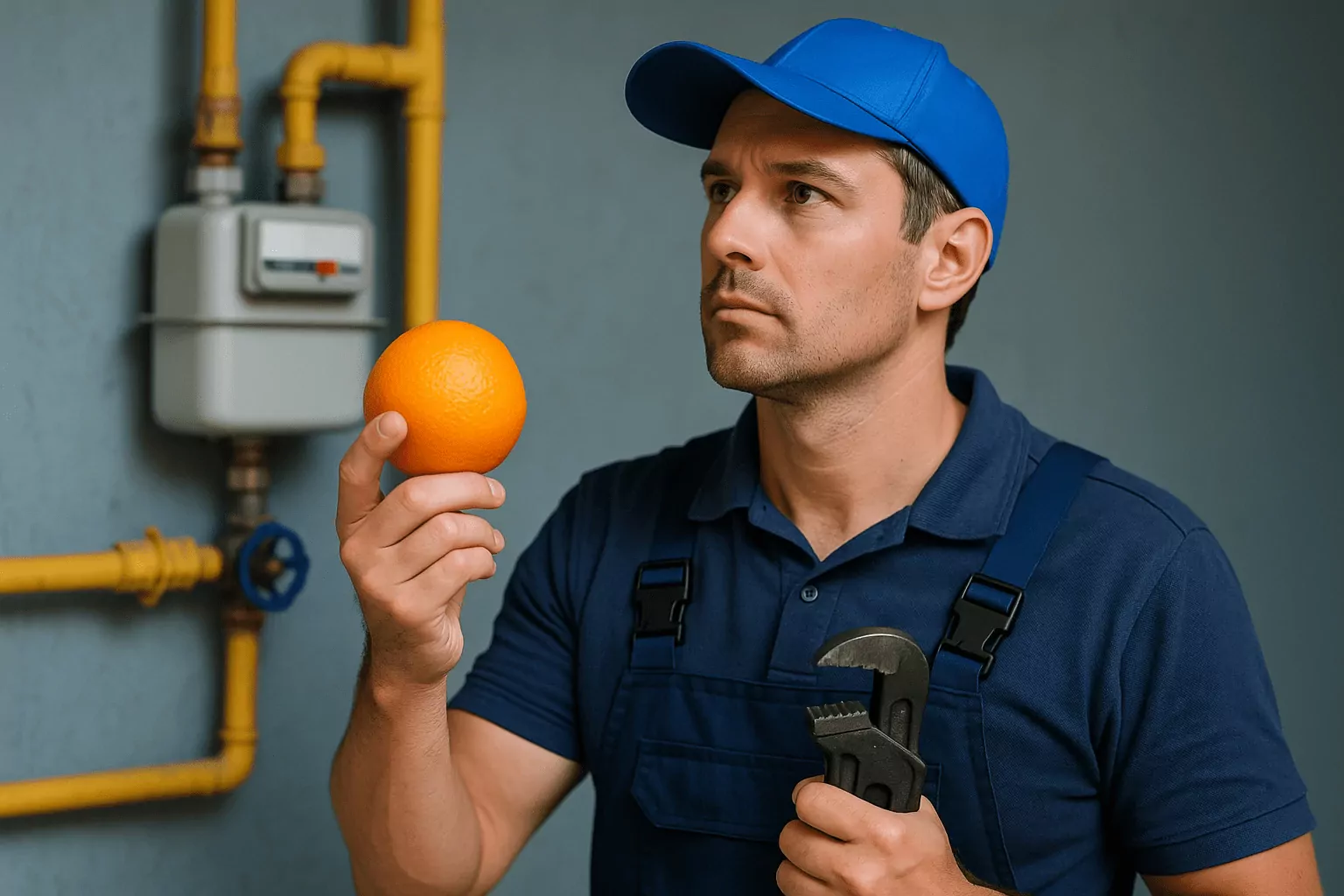
Hiring the right professional for natural gas work can protect your home, family, and budget. If you are searching for a trusted natural gas plumber Orange, knowing which questions to ask will help you decide with confidence. The stakes are high with gas lines, from leak detection to appliance hookups and code compliance. A clear conversation about licensing, safety protocols, warranties, and pricing reveals a plumber's professionalism. In Orange, Beaumont, and Bridge City, homeowners also benefit from choosing a local expert who understands regional codes and utility requirements. Use this guide to navigate the hiring process and move forward safely and efficiently.
1. Are you a licensed and insured natural gas plumber in Orange?
Always confirm that your natural gas plumber in Orange holds current state licensing and the proper insurance coverage. In Texas, plumbers should be licensed by the Texas State Board of Plumbing Examiners, and you can verify status online through the TSBPE. Ask for proof of general liability and workers compensation insurance to protect you from potential property damage or on-site injuries. A reputable contractor will readily provide a certificate of insurance and their license number. If the plumber hesitates, consider it a red flag and continue your search.
Beyond the basics, ask how their team maintains compliance training on fuel gas codes and local regulations. Request examples of recent projects in Orange or Beaumont that required gas permits and inspections. A professional should describe how they manage code updates and safety bulletins to stay current. For instance, a licensed crew might explain how they applied bonding requirements during a 2025 kitchen conversion in Bridge City. Documentation and transparency separate a trustworthy contractor from a risky one.
2. What experience do you have with gas line installation, repair, and code compliance as a natural gas plumber in Orange?
Experience with local building codes and inspection processes is essential for safe, compliant gas work. Ask how many gas line installations, repairs, or appliance conversions they handle each month in Orange and surrounding cities. Skilled teams will reference the National Fuel Gas Code (NFPA 54) and manufacturer specifications during design and installation, which you can learn more about via NFPA 54. Inquire whether they perform pressure tests with calibrated gauges to verify system integrity before final connections. Practical familiarity with steel, copper, and CSST piping, as well as proper bonding and grounding, signals strong technical capability.
Request examples that illustrate their problem-solving on real homes in Beaumont and Bridge City. For example, a seasoned plumber may detail upsizing a gas manifold to run a standby generator and high-BTU cooktop. They might also describe relocating an outdoor meter for safer clearances and adding sediment traps at each appliance. Ask how they calculate pipe sizing, account for equivalent length through fittings, and maintain required clearance to combustibles. Clear, specific answers suggest the plumber has deep hands-on knowledge and a reliable process.
3. How do you detect and handle gas leaks, and what safety protocols do you follow as a natural gas plumber in Orange?
Effective leak detection requires more than a quick soap solution on fittings. Ask which detection tools they use, such as electronic sniffers, manometers, and tracer gas methods for stubborn leaks. A strong safety process should include immediate isolation, system pressure testing, and clear homeowner instructions if a leak is suspected. For health guidance on carbon monoxide and gas safety, consult federal pipeline safety information from PHMSA. A responsible contractor will also recommend CO detectors near sleeping areas and regularly maintained appliances.
Ask for a step-by-step account of their emergency response protocol and communication plan. A professional should describe how they document pressure readings, tag unsafe equipment, and coordinate with utilities when needed. In one Orange home example, a crew might explain isolating a branch circuit serving a range, then pressure testing both sides independently. They should also clarify when evacuation is warranted and why open flames or electrical switches must be avoided. This level of detail shows they prioritize safety before speed.
4. Will you obtain permits, coordinate inspections, and provide warranties for natural gas work in Orange?
Permits and inspections exist to protect homeowners from unsafe installations and future liability. Ask whether your natural gas plumber in Orange will pull permits, schedule inspections, and provide you copies of all approvals. Confirm they follow local city guidelines and state rules that align with gas utility and pipeline safety frameworks from the Texas Railroad Commission. Clarify whether their scope includes meter relocation coordination or utility unlock requests when required. If they decline to handle permits, consider selecting a contractor who does.
Warranties reveal how much a plumber stands behind their work quality. Request written terms that specify length, covered defects, exclusions, and how claims are processed. For example, you might see a one-year workmanship warranty with manufacturer-backed parts coverage for appliances. Ask how warranty service is scheduled and whether documentation, such as photos and pressure test logs, is included with your records. Keep these materials in a safe place to support any future real estate transactions or remodels.
5. What will my total project cost include, and what timeline can I expect from a natural gas plumber in Orange?
Transparent pricing helps you compare bids and avoid scope gaps on gas projects. Ask for a line-item estimate that lists materials, labor, permits, inspections, and cleanup. Clarify whether pressure testing, appliance startup, and debris hauling are included. Discuss potential change orders for hidden issues like corroded fittings, inadequate pipe sizing, or inaccessible routes. You should receive a written proposal that spells out payment schedules and estimated start and finish dates.
Good contractors explain how they stage work to minimize downtime and safety risks. For instance, they may pre-fabricate sections, schedule inspections promptly, and coordinate with appliance deliveries. In one Beaumont project, efficient sequencing allowed a water heater conversion and range hookup in a single day. Ask how weather, inspection timing, and utility coordination can influence schedule buffers. You can also compare service offerings and timeline expectations on the company's services page or by reaching out through the contact form.
Choosing the right natural gas plumber in Orange starts with asking focused, safety-first questions. Verify licensing and insurance, review experience with code-compliant installations, and expect a clear safety protocol for leak detection. Ensure permit handling, inspections, and warranties are in writing to protect your investment. Request transparent pricing with defined scopes, realistic timelines, and strong communication. For trusted local service in Orange, Beaumont, and Bridge City, contact 409 Plumbing at 409-444-0066 or visit our contact form. 409 Plumbing is ready to help with inspections, installations, and repairs.
Frequently Asked Questions Hiring a Natural Gas Plumber
How often should natural gas lines be inspected in Orange homes?
Most experts recommend a professional inspection any time you remodel, add an appliance, or notice performance changes. If your system is older or has a history of leaks, consider an annual check to stay proactive. New homeowners in Orange often schedule an inspection immediately after move-in to establish a baseline. During an inspection, a licensed plumber can perform pressure tests, evaluate appliance connectors, and verify shutoff valves. Regular attention helps catch small issues before they become costly emergencies.
Is flexible CSST safe, and do I need bonding for it?
Corrugated stainless steel tubing (CSST) is widely used and safe when installed to code and properly bonded. Bonding mitigates lightning-related electrical energy that can arc and damage the tubing. Ask your natural gas plumber in Orange to confirm bonding location, clamp size, and conductor routing per manufacturer and NFPA 54. If your home includes legacy CSST, a licensed professional can check bonding and upgrade components if needed. Documentation of bonding helps with insurance and resale confidence.
What should I do if I smell gas before the plumber arrives?
If you suspect a gas leak, act immediately to protect your household. Do not use electrical switches, open flames, or phones inside the building. Evacuate everyone to a safe distance, then call your gas utility emergency line or 911 from outside. The CDC offers guidance on gas and carbon monoxide safety that is helpful for families; see the CDC CO FAQs. After emergency responders secure the site, contact a licensed plumber to locate and repair the source.
Can a natural gas plumber in Orange convert my appliances from propane to natural gas?
Yes, many appliances can be converted with the correct manufacturer-approved kits and adjustments. A licensed technician will verify appliance model numbers, available gas pressure, and venting requirements before starting. They will change orifices, adjust regulators, and perform a full combustion check and leak test. Always request documentation of the conversion and instructions for future maintenance. Proper conversions improve efficiency, ensure safety, and maintain your equipment warranty.

Registered Master Plumber Texas State Board of Plumbing Examiners
RMP #44702
Licensed and Bonded
Cities Serviced
409 Plumbing
Follow Us On
© 2026 409 Plumbing. All Rights Reserved.
Website Design and Hosting Provided by LocalBizBuzz,co