
24 Hour Service
Call 409-444-0066
The Benefits of Professional Outdoor Kitchen Gas Line Services in Beaumont
Boost your outdoor cooking experience in Beaumont with expert gas line services that ensure safety and efficiency.
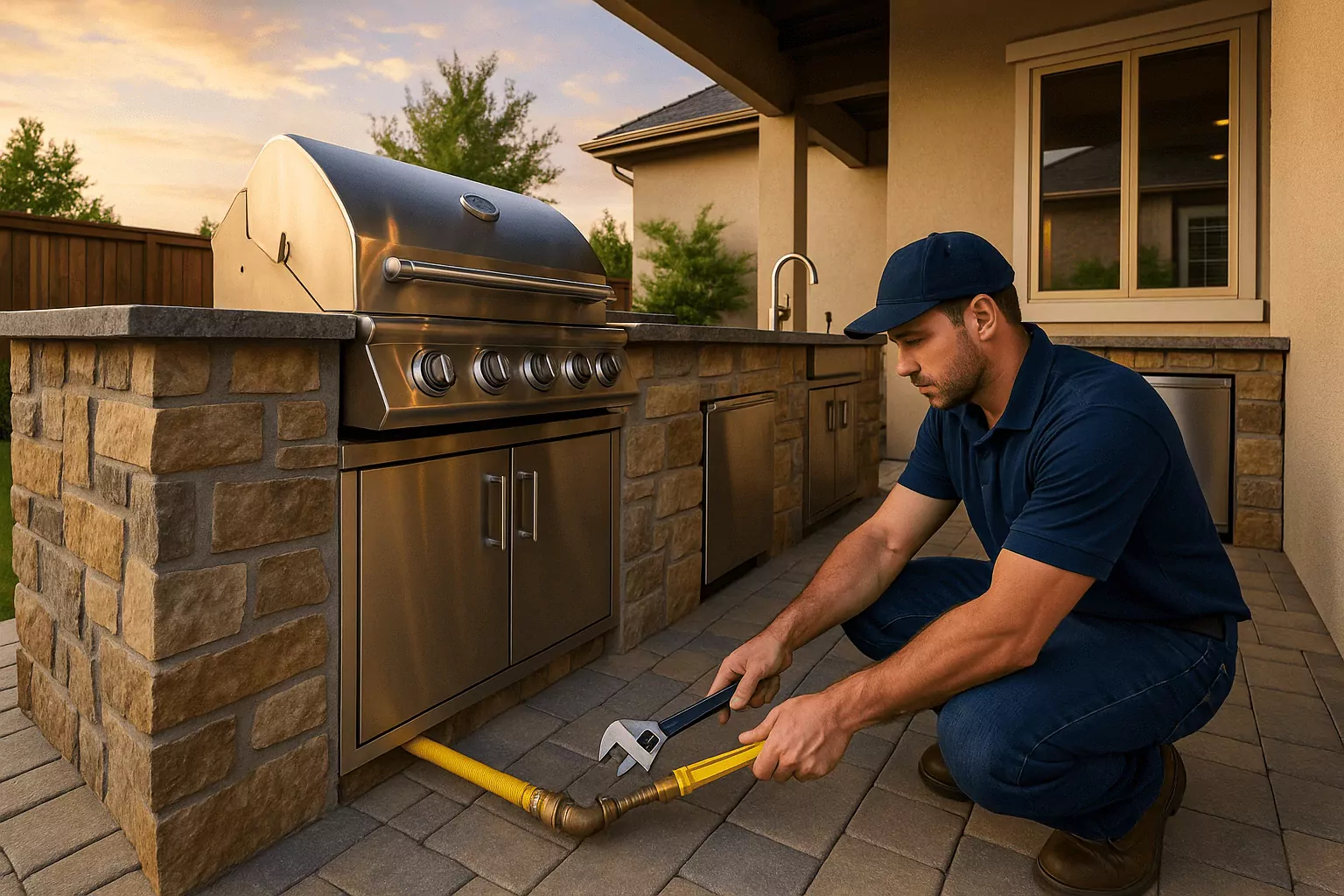
Outdoor cooking is booming across Southeast Texas, and homeowners in Beaumont are investing in built-in grills, side burners, smokers, and pizza ovens to elevate their backyards. The heart of every reliable outdoor kitchen is a safe, code-compliant gas supply designed to perform year-round. Choosing licensed professionals for outdoor kitchen gas lines Beaumont ensures your system is efficient, durable, and ready for entertaining without hassle. With the right planning, materials, and testing, you can avoid leaks, low pressure, and costly rework. In this guide, we cover how expert design and installation protect your home and your family while maximizing performance. We also share local insights, practical steps, and how to choose a qualified team for peace of mind from day one.
Why code-compliant outdoor kitchen gas lines Beaumont projects require licensed pros
Gas lines are not a DIY task-especially outdoors where soil conditions, corrosion, and weather exposure all raise the stakes. A licensed plumber understands Texas codes, local permitting, and manufacturer specs that govern line sizing, regulators, venting, bonding, and shutoffs. Professional planning balances BTU demand across appliances, distance from the meter or tank, and future expansion so pressure stays stable during peak use. This planning reduces nuisance issues such as flame drop-off when multiple burners run at once, or hard-to-diagnose leaks at threaded fittings. When you choose qualified help, you protect warranties, meet inspection requirements, and safeguard your investment with documented testing.
In Beaumont, coastal humidity, clay soils, and storm risk make proper pipe choice and corrosion mitigation essential. Pros select materials such as coated steel, polyethylene (PE) underground with tracer wire, or CSST with bonding that match the layout and load. They also coordinate permits and inspections with the City of Beaumont to keep your project on schedule and compliant. Before startup, the system is pressure-tested to confirm integrity and tagged for final sign-off. For trusted results and a smooth process, many homeowners start with comprehensive gas line design and installation services to align code and performance from the outset.
Design, materials, and installation best practices for outdoor kitchen gas lines Beaumont
Superior performance begins at the design table, mapping appliances, BTU loads, pipe routing, and isolation valves for maintenance. A pro will calculate pressure drop over distance, then right-size trunk and branch lines to prevent starved burners or delayed ignition. Material selection matters too: underground runs often use PE pipe with an anodeless riser and tracer wire for locating, while above-ground segments may use galvanized or coated steel for durability. Flexible CSST can simplify routing within cabinetry, but it must be properly bonded and protected against abrasion and UV exposure. Every component-from sediment traps to drip legs and appliance connectors-plays a role in reliability and safety.
Installation sequencing is equally critical to avoid rework and hidden risks. Trenching, bedding, and backfilling follow depth and marking requirements, with protective sleeves and shutoff placement planned for easy access. After assembly, a licensed plumber completes a timed pressure test and soapy-water leak check on all joints before insulation and enclosures are finalized. Documentation is submitted for permit closeout, and owners receive startup guidance on lighting, regulator settings, and seasonal maintenance.
Maintenance, safety, and performance upgrades for outdoor kitchen gas lines Beaumont
Even a perfectly installed system needs periodic checks, especially after hurricanes, heavy rains, or yard renovations. Annual inspections verify regulator output, appliance connectors, shutoff function, and support brackets that can loosen over time. If you notice uneven flames, soot buildup, or a faint gas odor, shut off the system and schedule service immediately. Many Beaumont homeowners add quick-disconnects with safety shutoffs for accessories like griddles, plus line isolation to service one appliance without affecting others. Small upgrades such as wind baffles, higher-capacity regulators, or dual-fuel readiness can significantly boost performance during large gatherings.
Safety is non-negotiable, and best practices extend beyond the gas piping itself. Install carbon monoxide detectors near doors leading from the patio to the home and follow clearances for ventilation and combustibles. Teach family members how to find and use shutoff valves and keep the area around regulators clear. For propane users, position tanks upright on stable, ventilated pads away from ignition sources and secure them before storms. To schedule a checkup or line extension for the next season, reach out via our contact page and ask about our outdoor kitchen tune-up packages.
Local expertise and case studies: outdoor kitchen gas lines Beaumont done right
Local conditions matter in design decisions, and real projects tell the story best. In one Beaumont install, a family added a 65,000 BTU grill, 20,000 BTU side burner, and 90,000 BTU pizza oven 95 feet from the meter. The initial homeowner plan undersized the branch line, which would have resulted in low flame during peak use. We recalculated the BTU load, increased trunk size, added an intermediate regulator, and rerouted a short section to reduce fittings. After a 15-minute pressure test at code-specified PSI, the system passed inspection and delivered even heat during a 20-guest cookout.
Another homeowner near the Neches River opted for a hybrid setup: natural gas for the built-in grill and a dedicated propane quick-connect for a portable smoker during competitions. We installed labeled shutoffs, an excess flow device, and weather-protected connection points beneath the counter. The client appreciated faster heat-up times and the ability to isolate appliances during maintenance. With clear operation guides and seasonal service reminders, the setup has run flawlessly for two summers. If you are researching options, start with our home page anchor on outdoor kitchen gas lines Beaumont to compare fuel types, layouts, and budget ranges.
Professional design, code-compliant installation, and proactive maintenance are the foundation of safe, efficient outdoor kitchen gas lines Beaumont homeowners can trust. By sizing lines for total BTU load, selecting climate-appropriate materials, and documenting pressure tests, you secure performance for years to come. Local expertise matters, from permits to corrosion protection, especially in Southeast Texas weather conditions. If you are planning a new build or upgrading an existing setup, choose a licensed team that communicates clearly and delivers turnkey results. Ready to cook without compromise? Contact 409 Plumbing at 409-444-0066. We proudly serve Orange, Beaumont, and Bridge City with reliable outdoor kitchen gas solutions that make every gathering memorable.
Resources and helpful links
Frequently Asked Questions Professional Outdoor Kitchen Gas Line Services
Do I need a permit and inspection for outdoor kitchen gas lines in Beaumont?
Yes, most outdoor gas line installations in Beaumont require permits and inspections to meet state and local codes. Permitting confirms that sizing, materials, regulators, and shutoff placements align with safety standards. Inspections also ensure pressure testing is completed, documented, and passed before operation. Working with a licensed plumber streamlines the process and helps prevent delays or rework. For local requirements, visit the City of Beaumont permits page or consult your installer early in the planning phase.
Should I choose natural gas or propane for my outdoor kitchen?
Natural gas is convenient if your home already has a meter, offering constant supply without tank refills and often lower long-term costs. Propane delivers higher energy density and flexibility where natural gas is unavailable, and modern quick-connects make swapping accessories easy. Your choice depends on appliance BTUs, distance from the meter or tank, anticipated usage, and budget for trenching or tank placement. Many homeowners use natural gas for primary appliances and a propane quick-connect for specialty gear. A licensed installer can model pressure, cost of materials, and performance to help you decide with confidence.
How often should outdoor kitchen gas lines be inspected?
We recommend a professional check annually and after severe weather, major yard work, or renovations near the gas route. Inspections verify regulator output, check for corrosion, confirm bonding and supports, and test for leaks at valves and connectors. If you ever smell gas or notice hissing, shut off the supply, ventilate the area, and call a pro immediately. Routine maintenance prevents small issues from becoming costly repairs and keeps appliance performance consistent. Scheduling seasonal service before peak grilling months ensures everything is tuned and ready for entertaining.

Registered Master Plumber Texas State Board of Plumbing Examiners
RMP #44702
Licensed and Bonded
Cities Serviced
409 Plumbing
Follow Us On
© 2026 409 Plumbing. All Rights Reserved.
Website Design and Hosting Provided by LocalBizBuzz,co