
24 Hour Service
Call 409-444-0066
Why You Should Schedule a Water Heater Flush
in Port Arthur Today
Scheduling a water heater flush in Port Arthur boosts efficiency, extends lifespan, and saves you money on repairs.
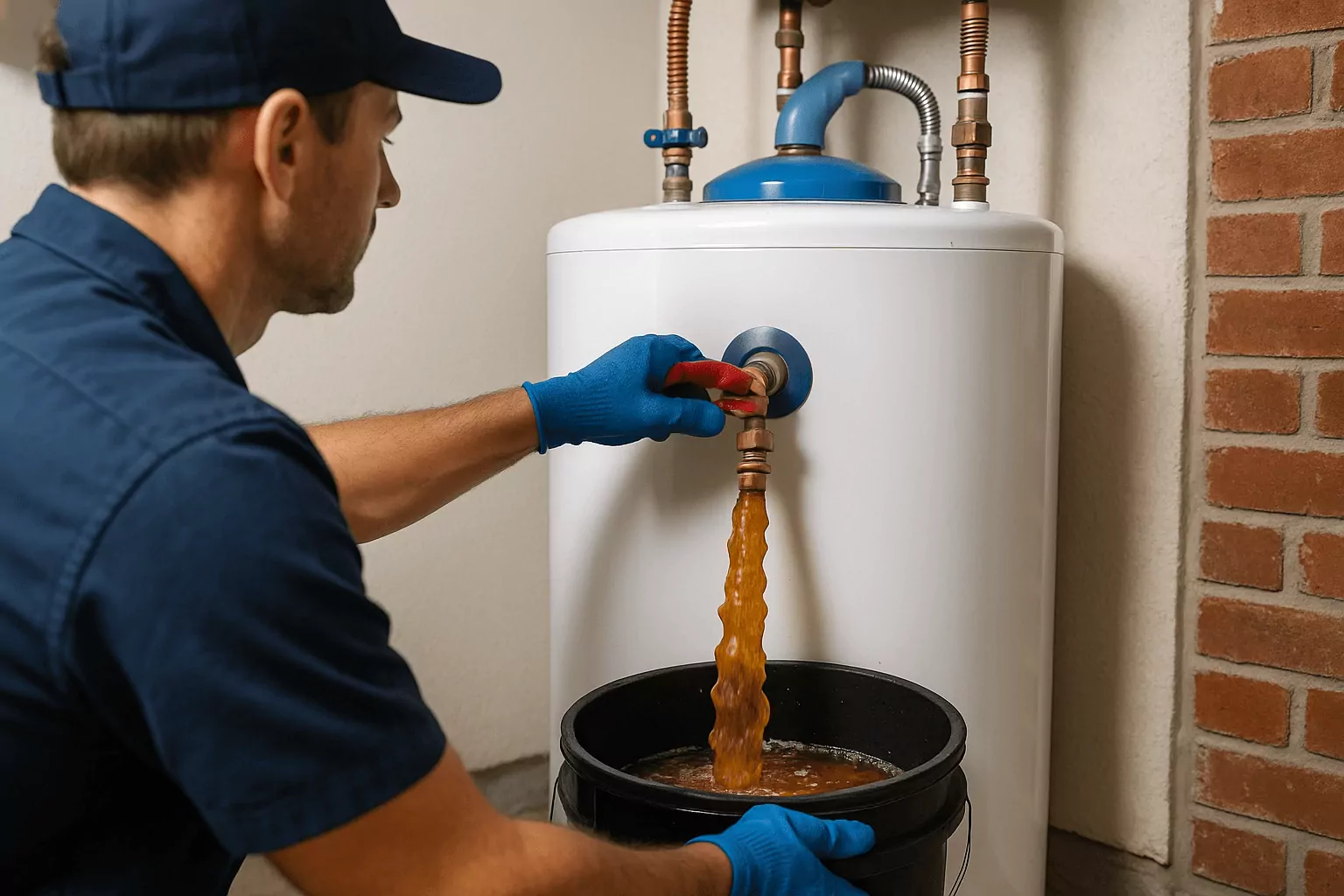
If your showers are cooling faster or you hear your tank rumbling, it may be time for a water heater flush in Port Arthur. Hard water and sediment are common across Southeast Texas, and that buildup slowly chokes your system's efficiency. With regular flushing, you restore hot water output, reduce energy waste, and extend the life of your tank or tankless unit. Homeowners in Port Arthur, Orange, and Beaumont also gain peace of mind by preventing scale-related leaks and heating element burnout. In this guide, we explain how flushing works, the signs you should never ignore, and why professional service pays for itself. You will also find easy steps to schedule maintenance with a trusted local team so your water heater runs safely and reliably all year.
Why a water heater flush Port Arthur homeowners need boosts performance and savings
Sediment from minerals like calcium and magnesium settles at the bottom of your tank, creating an insulating layer between the burner or element and the water. That layer forces your unit to work harder, raising energy use and utility bills while slowing hot water recovery. According to the U.S. Department of Energy, water heating is one of the largest energy uses in a home, so efficiency losses add up quickly over a year. A thorough flush removes this sediment, restoring heat transfer and helping your system reach set temperature faster. The result is quieter operation, more consistent hot water, and lower monthly costs that compound over time. In most homes, an annual flush is the simplest way to recapture performance and protect your investment.
Consider a recent example from a family near Port Arthur's northwest side who reported banging noises and lukewarm showers. After an inspection, heavy scale and sediment were found coating the bottom of their tank and partially blocking the drain valve. A professional flush cleared multiple buckets of debris, the anode rod was evaluated, and the thermostat was set to a safe, efficient temperature. Their recovery time improved noticeably, and the noise disappeared overnight, with estimated energy savings of 8-12 percent based on usage. Over the next months, they reported fewer temperature swings and a more comfortable morning routine. Cases like this are common in the Gulf Coast region, where minerals and higher water temperatures accelerate scale formation.
Top signs you need a water heater flush in Port Arthur now
Knowing when to schedule service starts with spotting small changes before they become big problems. Popping, crackling, or rumbling often indicates steam bubbles escaping through sediment layers at the bottom of a tank. Lukewarm or fluctuating hot water suggests heating elements are struggling against scale or that sediment is reducing tank capacity. Discolored or rusty-looking hot water can mean sediment is stirring during use or that corrosion is beginning. A spike in gas or electric bills with no change in habits is another red flag that efficiency is slipping. Because hard water is common across Texas, staying proactive helps you avoid avoidable repairs and downtime.
Ignoring these signs can shorten your water heater's lifespan and raise the risk of leaks or overheating. Sediment hotspots may stress the tank shell, and excessive scale forces components to run longer and hotter. Manufacturers also recommend periodic flushing to maintain efficiency and warranty compliance for both tank and tankless models. If you have particularly hard water or a larger household with heavy demand, consider a more frequent schedule to keep pace with buildup. For authoritative guidance on water heating best practices, see the U.S. Department of Energy's overview of residential water heating and efficiency. Reviewing your owner's manual or manufacturer resources can also provide model-specific intervals and tips that support safer operation.
Professional water heater flush Port Arthur service: what to expect and how to schedule
A professional flush starts with a safety check and a quick evaluation of your system's age, fuel type, venting, and visible corrosion. The technician powers down or isolates gas and electric connections, cools the tank if needed, and hooks up a drain line to move sediment safely. Controlled draining and refilling cycles loosen and remove packed debris, while valves and screens are cleared to restore proper flow. Pros also assess the anode rod, temperature-and-pressure relief valve, and thermostat settings to catch issues early. Before leaving, they confirm quiet, steady operation, check for leaks, and explain any findings so you know exactly how your system is performing. This thorough process helps prevent surprises and aligns your maintenance plan with real-world conditions in Port Arthur and nearby communities.
Booking is simple and often takes less than a day from call to completion, depending on availability and your schedule. Most flushes take 60-90 minutes, and combining service with an annual inspection adds strong long-term protection. For details on tune-ups, inspections, and replacement options, explore our water heater services and check out more home tips on our blog. Ready to speak with a local pro serving Orange, Beaumont, Bridge City, and Port Arthur? Schedule a service visit or call 409 Plumbing at 409-444-0066 to get answers fast. If you are comparing options, start here with a trusted local team and learn why a water heater flush Port Arthur homeowners schedule annually pays for itself in comfort and savings.
Regular maintenance is the simplest way to safeguard comfort, reduce energy waste, and extend equipment life. By scheduling a timely water heater flush in Port Arthur, you remove the sediment that causes noise, slow recovery, and higher bills. You also give a pro the chance to spot small issues before they become leaks or emergency replacements. Whether you live in Orange, Beaumont, Bridge City, or right here in Port Arthur, 409 Plumbing has you covered with fast, reliable service. Ready to act today? Call 409 Plumbing at 409-444-0066 or request an appointment through our contact form for efficient, expert care that keeps hot water flowing when you need it most.
Resources About Water Heater Flushing
Frequently Asked Questions About Water Heater Flushing
How often should I flush my water heater in Southeast Texas?
Most households benefit from an annual flush to control mineral buildup and maintain efficiency. If you have very hard water or a large family with high demand, consider every six months to keep sediment from packing tightly. Tankless units also need periodic maintenance to descale heat exchangers based on water quality and usage. Always check your model's manual for guidance, because manufacturers may specify intervals that protect performance and warranty. Industry guidance and energy efficiency resources support the value of routine maintenance for safe, reliable hot water. If you are unsure, request an evaluation so a technician can tailor a schedule to your home's needs.
Can I flush my own water heater, or should I hire a professional?
Handy homeowners can perform a basic drain-and-flush with care, but there are safety and damage risks to weigh. Hot water, steam, and pressurized lines can cause injury if shutoffs and cooling steps are not followed precisely. Sediment can also clog valves mid-process, and gas or electrical components require safe isolation and restart procedures. A professional has the right tools to clear stubborn buildup, inspect critical safety devices, and spot early signs of corrosion. They can also evaluate the anode rod and thermostat settings, which most DIY flushes overlook. If you prefer peace of mind, schedule a professional visit so everything is handled safely and documented.
How long does a professional flush take, and what does it typically cost?
In most cases, a standard flush and safety check takes about 60-90 minutes from setup to final testing. Time can vary based on tank size, the severity of sediment, valve condition, and whether additional services are needed. Pricing depends on your unit type and local conditions, and you will get a clear estimate before work begins. Many homeowners pair a flush with annual inspections to save on future repairs and reduce utility costs. When you factor in energy savings and reduced wear, the service often pays back within the year. For a quick quote and scheduling, call 409-444-0066 or request service online.
Will flushing help with rusty or smelly hot water?
Flushing often clears discolored water caused by disturbed sediment and improves overall water clarity. If you notice a sulfur or rotten egg odor, the anode rod chemistry and local water conditions may be contributing. A technician can test and recommend solutions such as swapping the anode type or performing a disinfection procedure. If corrosion is advanced in an older tank, the fix may require repair or replacement rather than flushing alone. Addressing the issue early helps protect fixtures and laundry while restoring safe, pleasant hot water. For personalized recommendations, reach out through our contact page and we will help you choose the right next step.

Registered Master Plumber Texas State Board of Plumbing Examiners
RMP #44702
Licensed and Bonded
Cities Serviced
409 Plumbing
Follow Us On
© 2026 409 Plumbing. All Rights Reserved.
Website Design and Hosting Provided by LocalBizBuzz,co