
24 Hour Service
Call 409-444-0066
Why You Should Prioritize Underground Gas Line Repair in Port Arthur
Protect your home and ensure safety by understanding the importance of timely underground gas line repair in Port Arthur.
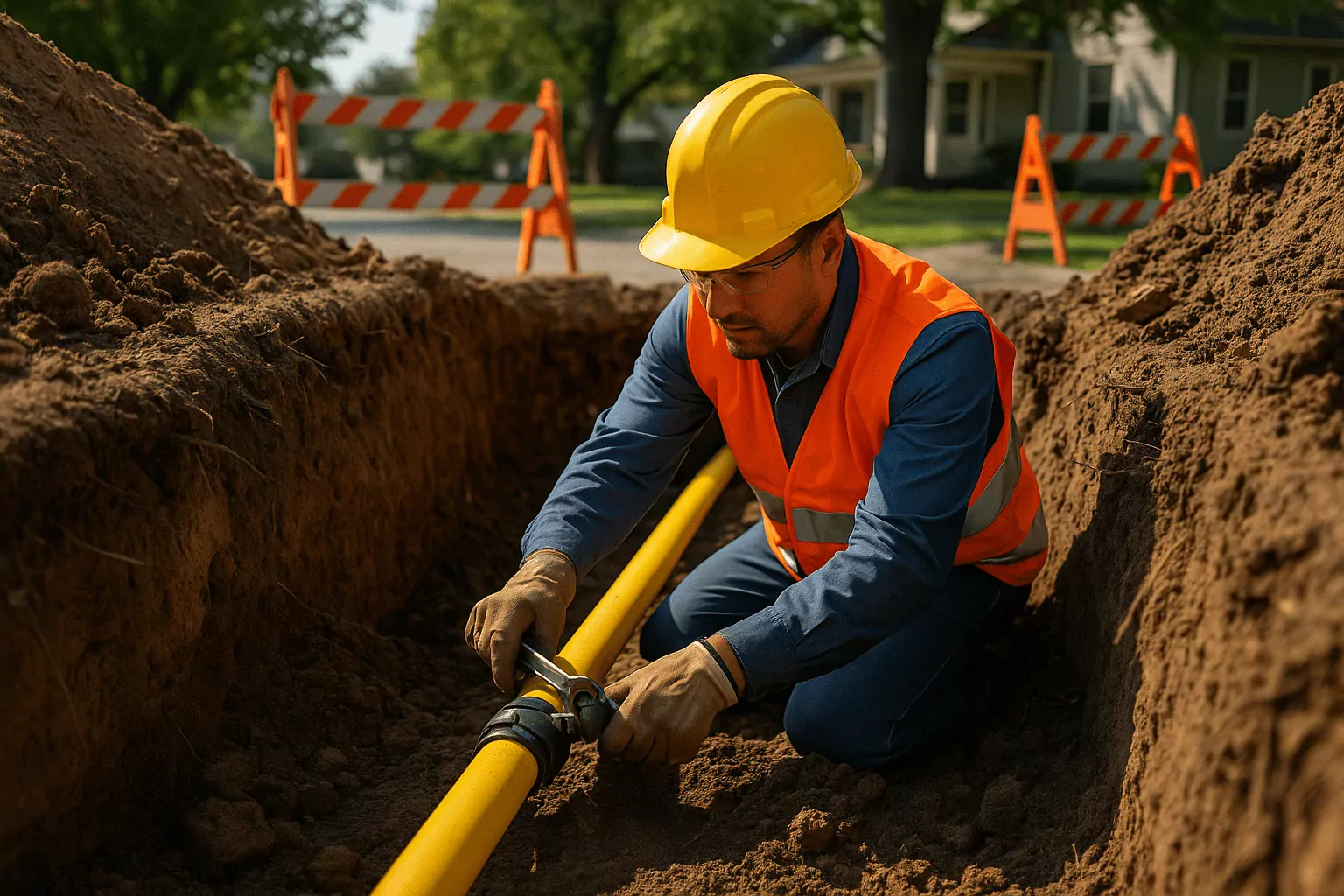
When it comes to home safety, few systems are as critical as your buried gas lines, especially in the Gulf Coast climate of Port Arthur. Delaying repairs can increase the risk of leaks, carbon monoxide exposure, and even structural damage from soil movement. If you suspect a problem, acting quickly on underground gas line repair Port Arthur needs helps you protect your family and your investment. In this guide, you will learn the warning signs, the repair options, and the local steps to stay compliant with Texas codes. We also share practical tips and real examples from nearby projects so you can make decisions with confidence. Whether you live near downtown, the refineries, or a quiet neighborhood on the edge of town, this article will help you navigate repair timelines, budgets, and trusted local resources.
Safety Risks and Early Warning Signs: underground gas line repair Port Arthur
Natural gas is efficient, but a damaged underground line can create serious hazards that escalate quickly if ignored. In Port Arthur, shifting clay soils and seasonal storms can stress older pipes, leading to cracks at joints or corrosion at shallow depths. Early warnings often include a sulfur or rotten egg smell outdoors, hissing noises along the yard line, or patches of dead grass where gas displaces oxygen. You might also notice bubbles in puddles after heavy rains, indicating gas escaping through saturated soil. If you detect any of these signs, keep people and pets away, avoid using electrical switches, and call your utility and a licensed professional immediately.
Homeowners sometimes underestimate slow leaks because symptoms can appear subtle or intermittent. However, even a pinhole leak in an underground service line can accumulate in enclosed spaces like crawl spaces or near foundations. In one nearby case, a homeowner in the Golden Triangle area saw a persistent dead spot in the lawn that turned out to be a small but dangerous leak at a compression fitting. Early detection prevented a larger excavation and limited the repair to a short section with proper materials and bonding. Acting fast not only reduces risk but also lowers overall restoration costs to landscaping and hardscaping.
Compliance, Permits, and Local Codes for underground gas line repair Port Arthur
Proper permitting and code compliance are essential for any underground gas work in Port Arthur and across Texas. Most repairs require coordination with the gas utility to shut off service safely and verify pressure after the fix. Depending on the scope, a permit and inspection may be required to confirm the installation meets adopted standards such as NFPA 54 (National Fuel Gas Code). Staying compliant ensures the system is pressure-tested, correctly bonded for electrical safety, and built with approved materials rated for burial. Good documentation also protects you during home sales and insurance claims.
Before you dig, always contact 811 to locate underground utilities and avoid hitting active lines. This free step reduces the chance of utility damage, which can be dangerous and costly. In addition, the Texas Railroad Commission offers guidance on pipeline safety and excavation rules, while NFPA 54 outlines best practices for material selection, burial depth, and testing procedures. Reputable contractors will coordinate with local officials, provide pressure test records, and submit as-built details when necessary. Clear communication keeps your project on schedule and helps avoid rework or compliance issues later.
Repair Methods and Costs for underground gas line repair Port Arthur: Trenchless vs Open-Cut
Modern gas line repairs often use one of two approaches: trenchless spot repairs or traditional open-cut excavation. Trenchless methods can rehabilitate short sections by accessing the pipe at strategic points, minimizing yard disruption and speeding up the job. Open-cut repairs expose the affected line along a trench, which is ideal for replacing older materials or when there are multiple compromised joints. In Port Arthur, soil conditions and groundwater after storms can influence which method is most practical and safe. A thorough diagnostic with gas-specific detection tools and line tracing helps determine the most effective and code-compliant approach.
Costs vary based on factors like pipe material, depth, length of affected run, and site accessibility. Replacing an entire service line from the meter to the house may be more cost-effective than multiple spot fixes when lines are aging or undersized. If hardscape, mature trees, or irrigation systems are present, trenchless options may reduce restoration expenses. Your contractor should provide a written estimate that breaks down labor, materials, permitting, pressure testing, and site restoration. Clear line-item visibility helps you compare solutions and understand the long-term value of each method.
Choosing a Local Expert for underground gas line repair Port Arthur: Why 409 Plumbing
Selecting a licensed, insured contractor with gas-specific experience is critical to safety and compliance. A strong provider will perform leak localization, evaluate the condition of the entire service line, and recommend either targeted repairs or full replacement when warranted. Look for transparent estimates, prompt scheduling, and clear safety protocols from arrival to pressure testing and relight. It also helps to work with a nearby team familiar with Port Arthur infrastructure, utility coordination, and inspection timelines. Local knowledge reduces delays and ensures your project stays aligned with regional permitting practices.
409 Plumbing serves Port Arthur homeowners from our base in Orange, Texas with responsive scheduling and code-compliant repairs. Our team is trained in both trenchless and traditional excavation methods, so we can recommend the least disruptive option that meets safety standards. We provide detailed diagnostics, photos, and pressure-test documentation so you have peace of mind from start to finish. If you are ready to take the next step, explore our gas line repair services or contact 409 Plumbing to schedule an on-site assessment.
When you act quickly on underground gas issues, you protect your family, meet code requirements, and minimize landscape disruption. From recognizing early warning signs to choosing between trenchless and open-cut methods, informed decisions lead to safer, longer-lasting outcomes. Compliance steps like calling 811, following NFPA 54, and scheduling inspections ensure your repair stands up to both safety and regulatory standards. If you are in or near Port Arthur and need expert help, 409 Plumbing is ready with licensed technicians, thorough diagnostics, and transparent pricing. Call 409 Plumbing at 409-444-0066 to schedule service today, and ask about availability for Orange, Beaumont, and Bridge City.
Frequently Asked Questions About Underground Gas Line Repair
What should I do first if I suspect a gas leak in my yard?
Immediately move people and pets away from the area and avoid creating sparks by not using phones, switches, or engines nearby. Do not attempt to locate the exact source of the leak yourself. Call your gas utility to report the emergency and wait for instructions from a safe distance. Then contact a licensed contractor experienced in underground gas line diagnostics and repairs. Once the area is deemed safe, your contractor can perform leak detection, isolate the issue, and provide a plan for code-compliant repair.
How long does underground gas line repair Port Arthur typically take?
Simple spot repairs can often be completed the same day once the line is safely isolated and utilities are marked. If permitting, full line replacement, or trenchless access points are required, the work may extend to two or three days, including inspections. Weather and soil conditions after heavy rain can affect excavation timelines and restoration. Coordinating with the utility for shutoff and relight can also influence scheduling. Your contractor should provide a clear timeline after diagnostics, including utility coordination and inspection windows.
Will my homeowners insurance cover gas line repair costs?
Coverage varies by policy, cause of damage, and whether the line is on your property or part of the utility system. Some policies may help with sudden accidental damage but exclude wear, corrosion, or improper installation. It is best to review your policy and ask your insurer about endorsements for buried utility lines. A detailed report and photos from your contractor can support claims by documenting cause and scope. Even when not covered, a transparent estimate with options can help you choose a safe, budget-friendly solution.
How can I prevent future underground gas line problems?
Schedule periodic inspections, especially for older homes or after significant yard projects or severe storms. Keep heavy vehicles and equipment off suspected utility routes to reduce soil compaction and joint stress. Before any digging, call 811 to prevent accidental damage and have utilities properly marked. Ask your contractor about material upgrades, corrosion protection, bonding, and correct burial depth according to code. Good records and proactive maintenance reduce risk and can extend the lifespan of your gas service line.

Registered Master Plumber Texas State Board of Plumbing Examiners
RMP #44702
Licensed and Bonded
Cities Serviced
409 Plumbing
Follow Us On
© 2026 409 Plumbing. All Rights Reserved.
Website Design and Hosting Provided by LocalBizBuzz,co