
24 Hour Service
Call 409-444-0066
Why Timely Sewer Backup Cleanup in Vidor is Crucial for Your Home
Protect your home and health with fast sewer backup cleanup services in Vidor to prevent costly damage and hazards.
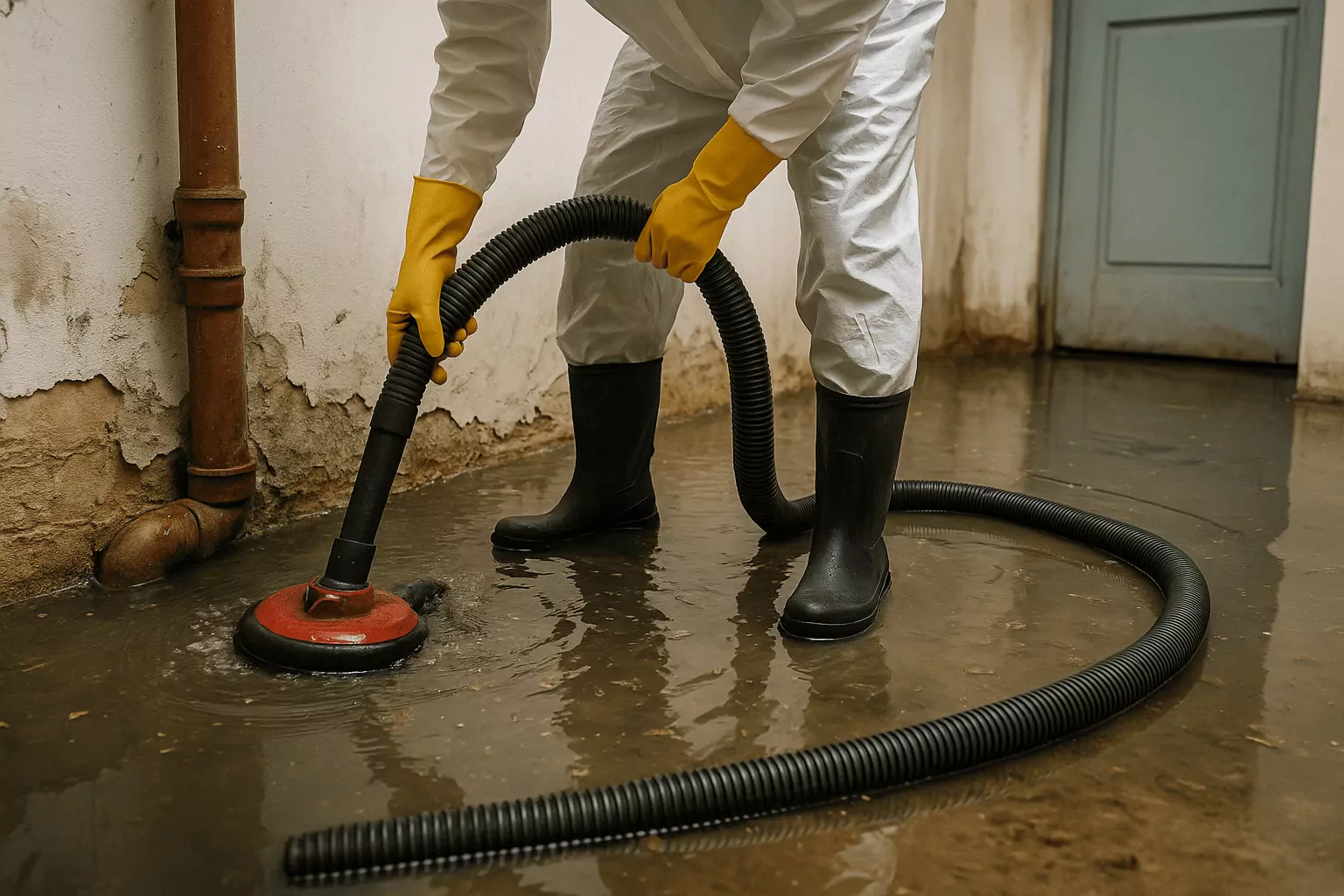
Sewer backups are messy, stressful, and potentially dangerous, and acting fast can be the difference between a minor incident and a major disaster. In humid Southeast Texas, delays in sewer backup cleanup Vidor homes face can accelerate mold growth, worsen odors, and drive up restoration costs. Raw sewage carries bacteria, viruses, and parasites that can make families sick and contaminate belongings beyond repair. Homeowners are often surprised by how quickly wastewater seeps into floors, baseboards, and wall cavities, setting the stage for long-term damage. This article explains what to do first, how professionals restore your property, and practical ways to prevent the next backup. Whether you live in Vidor, Orange, Beaumont, or Bridge City, these insights will help you protect your home and peace of mind.
Health risks and why sewer backup cleanup Vidor cannot wait
Untreated sewage is a biohazard that can harbor E. coli, salmonella, norovirus, and other pathogens that spread by contact and aerosolization. Exposure risks rise in warm, damp climates like Vidor's, where moisture lingers and microbes multiply faster in porous materials. The Centers for Disease Control and Prevention warns that sewage-contaminated water can trigger gastrointestinal illness, skin infections, and respiratory issues if cleanup is delayed or incomplete. Beyond health, wastewater rapidly damages building materials such as subfloors, drywall, insulation, and cabinetry that wick up contamination. Prompt action limits cross-contamination into clean rooms, reduces demolition scope, and keeps restoration timelines manageable for families and businesses alike.
Homeowners often underestimate how far contamination travels and how much water a floor or wall can absorb in just a few hours. For example, a Vidor homeowner noticed a slow tub backup after a storm, only to find by morning that sewage had migrated under vinyl plank flooring into the hallway and pantry. By the time a professional team arrived, odors had intensified and a larger portion of flooring required removal to reach and disinfect the subfloor. Quick containment the night before could have isolated the affected bathroom and spared adjacent rooms from demolition. The takeaway is clear: when you see signs of a backup, treat it as a health emergency and move quickly.
It also helps to understand common contaminants found in sewage so you can make safer choices while waiting for help. Typical hazards include:
Immediate steps for sewer backup cleanup Vidor residents can take
Start by protecting people and pets, then stabilize the scene before professionals arrive. Keep everyone out of the affected area, especially children, seniors, and those with respiratory conditions, and use PPE such as gloves, boots, and a mask if you must enter. Shut off the water supply to stop additional flow into drains, and avoid flushing toilets, running sinks, or using appliances that discharge wastewater. If water has reached outlets or appliances, turn off power to the affected circuits at the breaker panel for safety. Photograph everything for documentation, including flooring, baseboards, and contents, as photos can help with insurance claims and restoration planning.
Next, focus on containment and ventilation to limit the spread of contaminants. Close doors to the affected rooms and place towels at thresholds to help reduce migration to clean areas. Open windows when weather permits to reduce humidity and odors, but avoid fans that can aerosolize contaminants across the home. Remove uncontaminated items from adjacent rooms to protect them from odors and moisture, and bag any visibly soiled small items to isolate them. Avoid using consumer-grade disinfectants on porous surfaces, as they rarely penetrate deeply enough to sanitize and may set stains, complicating professional cleaning later.
Calling a qualified, local team quickly helps control both health risks and costs. You can start with our homepage link for sewer backup cleanup Vidor or explore our services to understand how professional extraction, disinfection, and structural drying work together. If you need immediate assistance, contact us directly through our contact page for rapid scheduling and dispatch. Fast communication, clear photos, and an accessible driveway make it easier for crews to set up extraction equipment and containment barriers upon arrival.
How professionals restore your home after a sewage backup
Professional sewage cleanup follows industry standards to ensure safety and thoroughness, typically guided by resources like the IICRC water damage and sewage contamination protocols. The process usually begins with a safety assessment, moisture mapping, and identification of the source, followed by removing standing water with extraction equipment. Crews set up containment with plastic sheeting and apply negative air filtration to reduce aerosol spread into clean rooms. Non-salvageable porous materials are removed, while salvageable structures are cleaned with EPA-registered disinfectants tailored to the contamination level. Structural drying then uses dehumidifiers and air movers to reduce moisture to safe targets, verified with calibrated meters.
Beyond the interior, a full solution addresses the underlying cause so the problem does not return. Cameras can inspect the sewer lateral for root intrusion, bellies, or breaks, and hydro-jetting may clear grease, wipes, and debris lodged in the line. If tree roots or aging clay pipes are an issue, root control treatments or partial pipe replacement may be recommended. In flood-prone zones, a backwater valve can be installed to prevent municipal surges from reversing into the home. Crews also sanitize hardscape areas like patios or garages that were exposed, ensuring outdoor contamination does not re-enter living spaces.
Consider a recent case: during a heavy rain, a Vidor-area bungalow experienced a backup through a first-floor shower, affecting two rooms and a hallway. The homeowner called quickly, enabling crews to extract wastewater within hours, isolate affected rooms, and remove a single layer of vinyl plank, sparing the subfloor from deeper contamination. A camera inspection revealed a partial collapse at the property line, and temporary bypass pumping kept the home operational while repairs proceeded. Hydro-jetting cleared remaining debris, and a spot repair restored normal flow, with disinfection and drying completed in three days. Because the response was prompt, restoration was limited to targeted demolition and a faster, cleaner rebuild.
Prevention strategies tailored to Vidor and Orange County homes
Prevention combines good habits, smart upgrades, and periodic inspections to catch problems early. Grease, wipes, and hygiene products should never go down drains, and strainer baskets help intercept hair, food particles, and debris. Schedule annual or semiannual drain and sewer inspections if your home has large trees, older pipes, or a history of slow drains. In areas subject to heavy rain and surges, a backwater valve can provide critical protection, and sump systems should be tested before storm season. A maintenance plan beats emergency bills: call an emergency plumber for unusual gurgling, recurrent clogs, or sewer odors, since these are often early warning signs.
Local soil conditions and aging infrastructure influence risk, too. Homes with older cast iron or clay laterals are more susceptible to cracks and root intrusion, which progressively narrow the pipe until a clog triggers a backup. If you are in a low-lying part of Vidor or near a saturated drainage ditch, heavy storms can overwhelm systems and push flow back toward residences. Proactive options include sectional pipe lining, targeted pipe replacement, and hydro-jetting to restore full diameter. If your home had a previous backup, consider elevating stored items in garages and utility rooms and using waterproof storage bins for added protection.
You can also create a simple household checklist to reduce day-to-day risk. Key items include:
When wastewater invades your home, time is of the essence to protect health, limit damage, and control costs. Taking immediate safety steps, containing the area, and calling professionals ensures that extraction, disinfection, and structural drying happen in the correct order. With a strong prevention plan that includes proper disposal habits, inspections, and upgrades like backwater valves, you can greatly reduce the risk of another incident. If you need help now or want a preventive inspection, contact 409 Plumbing at 409-444-0066. We proudly serve homeowners in Orange, Beaumont, Bridge City, and nearby communities.
Ready to act today? Explore our services or schedule through our contact page. If you are dealing with an active event, call 409-444-0066 for priority dispatch. For health guidance on sewage exposure, review CDC recommendations and EPA resources. Our local team understands Southeast Texas homes and weather patterns, and we bring proven processes to every project. Call 409 Plumbing to restore your home quickly and safely, then keep it protected for seasons to come.
Frequently Asked Questions
What causes sewer backups in Vidor and Southeast Texas?
Common causes include blockages from grease, wipes, and debris, as well as root intrusion and structural defects in older sewer laterals. Heavy rains can overburden municipal systems, sending surges back through private lines if there is no backwater valve. Settlement and soil movement can also create pipe bellies where solids collect and trigger clogs. In some neighborhoods, aging materials like clay or cast iron are more vulnerable to cracks that allow roots to enter. Routine maintenance and camera inspections help identify these issues before they turn into emergencies.
Is sewage exposure dangerous, and where can I learn more?
Yes, raw sewage exposure poses significant health risks, including gastrointestinal illness, skin infections, and respiratory irritation. The CDC provides guidance on safe cleanup practices and protective measures for contaminated water events to help households minimize exposure. You can review public health recommendations at the CDC website and apply them together with professional remediation for the best results. The EPA also offers insight into system overflows and environmental impacts, which is useful for understanding broader risks.
How long does professional sewer backup cleanup take and what does it cost?
Timelines vary by extent, materials, and whether demolition is required, but many jobs take two to four days from extraction through drying. Small, contained incidents may finish faster, while multi-room backups or those affecting structural components can take a week or more. Costs depend on square footage, contamination category, disposal requirements, and any line repairs needed to prevent recurrence. Insurance may cover sudden and accidental discharges, but many policies require a sewage backup rider or endorsement. A detailed estimate after on-site assessment will clarify scope, timeline, and options to fit your budget.
Can I clean a minor sewage spill myself?
For very small, isolated spills on hard, non-porous surfaces, homeowners sometimes perform initial cleaning with PPE and appropriate disinfectants. However, porous materials like carpet, pad, drywall, and insulation trap contaminants, making DIY cleanup risky and often incomplete. Professionals use commercial extraction, EPA-registered disinfectants, and moisture verification to ensure both sanitation and dryness. Improper cleaning can aerosolize contaminants and lead to mold growth or persistent odors that are costly to fix later. When in doubt, call a qualified pro to evaluate severity and advise on safe next steps.

Registered Master Plumber Texas State Board of Plumbing Examiners
RMP #44702
Licensed and Bonded
Cities Serviced
409 Plumbing
Follow Us On
© 2026 409 Plumbing. All Rights Reserved.
Website Design and Hosting Provided by LocalBizBuzz,co