
24 Hour Service
Call 409-444-0066
Why Timely Emergency Water Heater Repair in Beaumont Can Save You Money
Timely repairs for your water heater in Beaumont can prevent costly damage and improve your home’s efficiency.
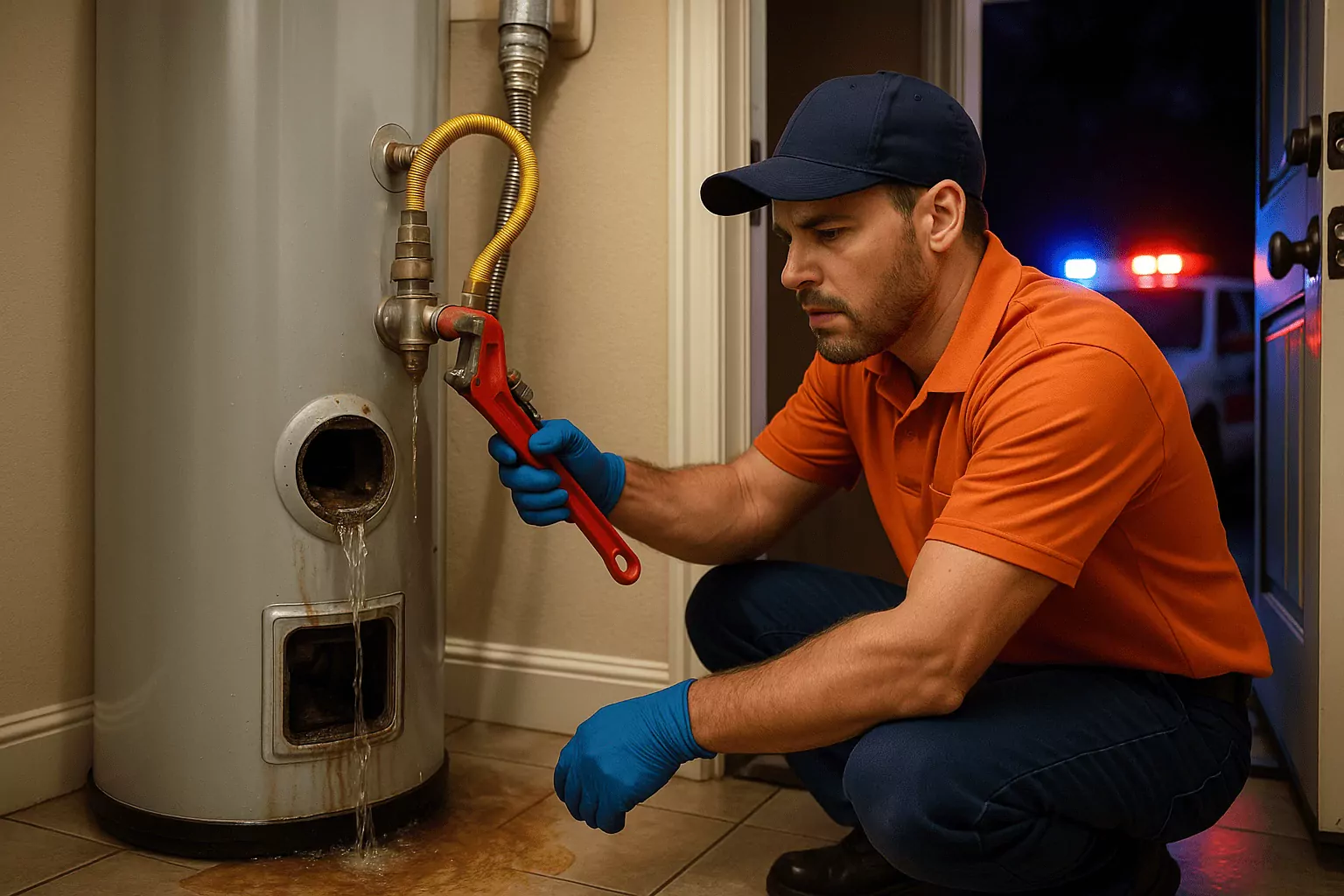
When your water heater fails, every minute counts, and that is exactly why emergency water heater repair Beaumont homeowners choose can be a real money-saver. A small leak or a persistent pilot light issue can escalate into major water damage, inflated utility bills, and even safety hazards if left unaddressed. Acting quickly minimizes property damage, prevents mold growth, and keeps your daily routine on track. For families in Beaumont, Orange, and Bridge City, local expertise matters because water quality, climate, and building styles influence the root cause of water heater problems. By scheduling prompt service, you extend equipment life and avoid premature replacement costs. Just as important, fast repairs restore efficiency so you pay less to heat water month after month.
How emergency water heater repair Beaumont homeowners need prevents costly damage
Water heaters rarely fail on a convenient schedule, and leaks can go from small to catastrophic in a short time. In many Beaumont homes, water heaters sit in garages or attic spaces where unnoticed drips can penetrate drywall and insulation, leading to ceiling collapse and expensive restoration. Sediment buildup from hard water can overheat the tank, stress components, and cause the temperature and pressure relief valve to discharge, which is an early warning that damage is imminent. Calling for emergency service at the first signs of trouble prevents these spirals, keeping a minor fix from turning into a claim that spikes insurance premiums. Quick intervention also protects adjacent systems, including flooring, cabinetry, and nearby electrical outlets that can be damaged by moisture.
The financial difference between swift action and delay is often measured in thousands of dollars. A Beaumont homeowner with a slow leak under the tank base might wait a weekend, only to find subfloor rot and mold remediation costs rivaling a small remodel. Compare that with a same-day valve replacement, anode rod swap, or gasket reseal that addresses the issue before it spreads. Timely repairs also preserve the manufacturer warranty in cases where neglect voids coverage, which can happen when warning signs are ignored. If the tank is nearing end of life, a rapid assessment can guide you toward an economical repair or a planned replacement that avoids the shock of an after-hours rupture. In every case, speed lowers risk and narrows your cost exposure.
Real cost comparisons: why emergency water heater repair Beaumont residents request is the frugal choice
Delaying service often looks like a short-term savings but typically increases total ownership cost. A quick thermostat or thermocouple replacement may run a few hundred dollars, whereas lingering short-cycling can waste energy and overheat the tank, setting the stage for an untimely failure. Consider a recent case in Orange, TX: a tankless unit displayed a flow error on a Saturday morning, and a prompt filter cleaning plus descaling restored hot water the same day, preventing restaurant takeout costs for a multi-family household and avoiding an unnecessary unit replacement. In another Beaumont example, a partially clogged inlet caused sporadic overheating that was caught early, and replacing the inlet nipple plus a flush cost less than a single room of drywall repair would have after a leak. In emergencies, skilled diagnostics target the cheapest effective fix instead of waiting for a catastrophic event that forces an overhaul.
To give clearer perspective, compare common fast fixes with outcomes of delay. An anode rod change and flush might cost less than a single insurance deductible, yet double the remaining life of a mid-age tank. A dripping TPR valve can be addressed quickly, but if ignored, pressure spikes can distort the tank and mandate full replacement. Scaling in tankless systems often begins with lukewarm water complaints, which early descaling resolves, while slow response allows mineral crusting that damages heat exchangers. Even a simple flex connector replacement averts hidden spray that damages cabinets, flooring, and baseboards. The numbers consistently favor immediate attention, especially when water heaters are installed over finished spaces.
Energy savings add up: efficiency boosts from emergency water heater repair Beaumont can trust
Water heating can be one of the largest energy expenses in your home, and inefficiency compounds quickly during a malfunction. According to the U.S. Department of Energy, water heating is a major slice of household utility usage, so keeping systems tuned pays monthly dividends. Sediment buildup insulates heat from water, forcing longer burner or element cycles that show up as higher bills, but a prompt flush restores heat transfer and stabilizes temperatures. Faulty thermostats, failing dip tubes, or partially closed valves cause longer run times and scald risks, yet these issues are relatively quick to fix in an emergency visit. By restoring design performance sooner, you curb energy waste, reduce carbon footprint, and stretch the lifespan of components stressed by overheating or short-cycling.
Beaumont, Bridge City, and Orange homeowners often experience mineral-heavy water that accelerates scale formation, so what seems like minor inefficiency can be a sign of deeper issues. An emergency inspection can verify combustion quality on gas units, tighten electrical connections on electric models, and confirm accurate sensor readings that govern both safety and energy use. When repairs cannot fully restore efficiency, your technician can outline upgrade options, including high-efficiency tank or tankless models sized for your household demand. You can also combine a same-day fix with proactive maintenance planning so small tune-ups never become big emergencies. For more guidance on saving energy with water heating, the U.S. Department of Energy offers helpful tips at energy.gov, and you can explore service options locally at water heater repair services.
Safety, code compliance, and peace of mind with emergency water heater repair Beaumont services
Safety concerns escalate quickly when gas ignition, venting, or pressure controls malfunction, which is why swift, professional repairs are non-negotiable. A misfiring burner or improper vent can lead to carbon monoxide risks, and electrical shorts can cause breaker trips or fire hazards if left unresolved. Temperature swings increase scald risk, particularly for children and seniors, making accurate thermostat control a must. Emergency service includes testing the temperature and pressure relief system, reviewing seismic strapping or anchoring where applicable, and confirming drip leg and gas shutoff compliance. Remember that a licensed, insured local plumber can align your system with applicable codes.
Timely service also supports better insurance outcomes by documenting that you acted to mitigate loss as soon as you noticed a problem. If you live in a multi-level home in Beaumont or a slab-on-grade home in Bridge City, a fast response can protect adjacent condos or rooms that could be affected by a leak. Thorough diagnostics and compliance checks reduce future callbacks, and a clear path forward helps you budget for maintenance versus eventual replacement. When repairs are not economical, a same-day quote helps you control timing so you can prepare for a quick swap and minimize downtime. For additional local support, connect with our team via the contact form and review helpful tips on our plumbing blog so you know exactly what to watch for.
Fast action is the smartest way to protect your home, budget, and safety when water heater issues arise. By choosing experienced pros for emergency water heater repair Beaumont residents trust, you prevent small problems from becoming expensive crises and lock in energy savings. Whether you are dealing with a leak, no hot water, or a safety concern, timely diagnostics reduce risk and often keep repairs quick and affordable. 409 Plumbing proudly serves Beaumont, Orange, and Bridge City with responsive service, clear pricing, and stocked trucks ready for common fixes. Call 409 Plumbing at 409-444-0066 or visit our water heater repair services page to schedule now. For fast help and local expertise, start here: emergency water heater repair Beaumont.
Frequently Asked Questions About Emergency Water Heater Repair
What qualifies as an emergency water heater issue in Beaumont?
Any condition that threatens safety, property, or access to hot water can qualify as an emergency. Examples include active leaks, no hot water for households with medical or infant needs, gas odors, repeatedly tripping breakers, or TPR valve discharge. Fast action is critical because small leaks can turn into structural damage, while combustion or electrical faults can pose health hazards. In coastal Southeast Texas, humidity accelerates mold growth after leaks, making rapid mitigation even more important. If you are unsure, call a licensed pro for a quick phone triage to determine severity and next steps. In all cases, prioritize safety and treat gas smells, sparking, or scalding temperatures as urgent.
How quickly can 409 Plumbing respond for emergency water heater repair Beaumont, Orange, and Bridge City?
Response times depend on call volume and time of day, but our local proximity helps us arrive faster throughout Orange County. We prioritize active leaks, gas-related concerns, and no-hot-water calls for families or businesses with immediate needs. Our trucks are stocked for common repairs, including valves, thermostats, elements, flex connectors, and diagnostic tools for tankless units. If a replacement is the best solution, we work to provide same-day or next-day swaps when inventory allows. For immediate assistance, call 409 Plumbing at 409-444-0066 and we will provide an ETA and safety steps to take while you wait. You can also initiate service online through our contact page to streamline scheduling.
Should I repair or replace my water heater during an emergency visit?
The decision depends on age, condition, and severity of the issue. Conventional tanks typically last 8-12 years, and units beyond that window may be better candidates for replacement, especially if the tank itself is compromised. Tankless models can last longer with maintenance, so descaling and sensor repairs often make economic sense unless the heat exchanger is damaged. If repair costs exceed a significant fraction of a new unit or if parts are obsolete, replacement can deliver better reliability and efficiency. Your technician will outline costs and benefits, including energy savings and warranty coverage, so you can choose confidently. In some cases, a temporary fix may be advisable to buy time while you plan a full upgrade.
What can I do right now to limit damage while I wait for the plumber?
First, shut off the cold-water supply to the heater to stop the flow, then turn off power at the breaker for electric units or set the gas control to pilot on gas models. Place towels, a pan, or a bucket to capture drips and take photos of the affected area for insurance documentation. Avoid using hot water taps to reduce demand until the issue is resolved, and keep pets and children clear of the area. If you suspect a gas leak, evacuate immediately and call both your gas utility and a licensed professional from a safe location. For more general home safety tips, consult resources like EPA WaterSense leak guidance to understand why quick leak fixes matter. When in doubt, call 409-444-0066 for step-by-step help tailored to your situation.
How does maintenance reduce the need for emergency calls in Beaumont?
Routine maintenance addresses the root causes behind many urgent failures, including sediment buildup, worn anode rods, and failing thermostats. Annual flushing, periodic anode replacement, and descaling for tankless units protect heat transfer and prevent overheating. A quick safety check can verify TPR valve function, venting integrity, and electrical connections, all of which minimize surprise breakdowns. Local water conditions make these steps especially valuable in Southeast Texas, where minerals and humidity take a toll on equipment. Following Department of Energy best practices for water heating helps you save energy and avoid sudden repairs that disrupt your routine. Bundling maintenance with a seasonal home checkup is a simple way to prevent emergencies and control lifetime costs.

Registered Master Plumber Texas State Board of Plumbing Examiners
RMP #44702
Licensed and Bonded
Cities Serviced
409 Plumbing
Follow Us On
© 2026 409 Plumbing. All Rights Reserved.
Website Design and Hosting Provided by LocalBizBuzz,co