
24 Hour Service
Call 409-444-0066
Why Professional Generator Gas Line Installation is Crucial in Vidor
Ensure safe and efficient power with expert generator gas line installation in Vidor for homes and businesses.
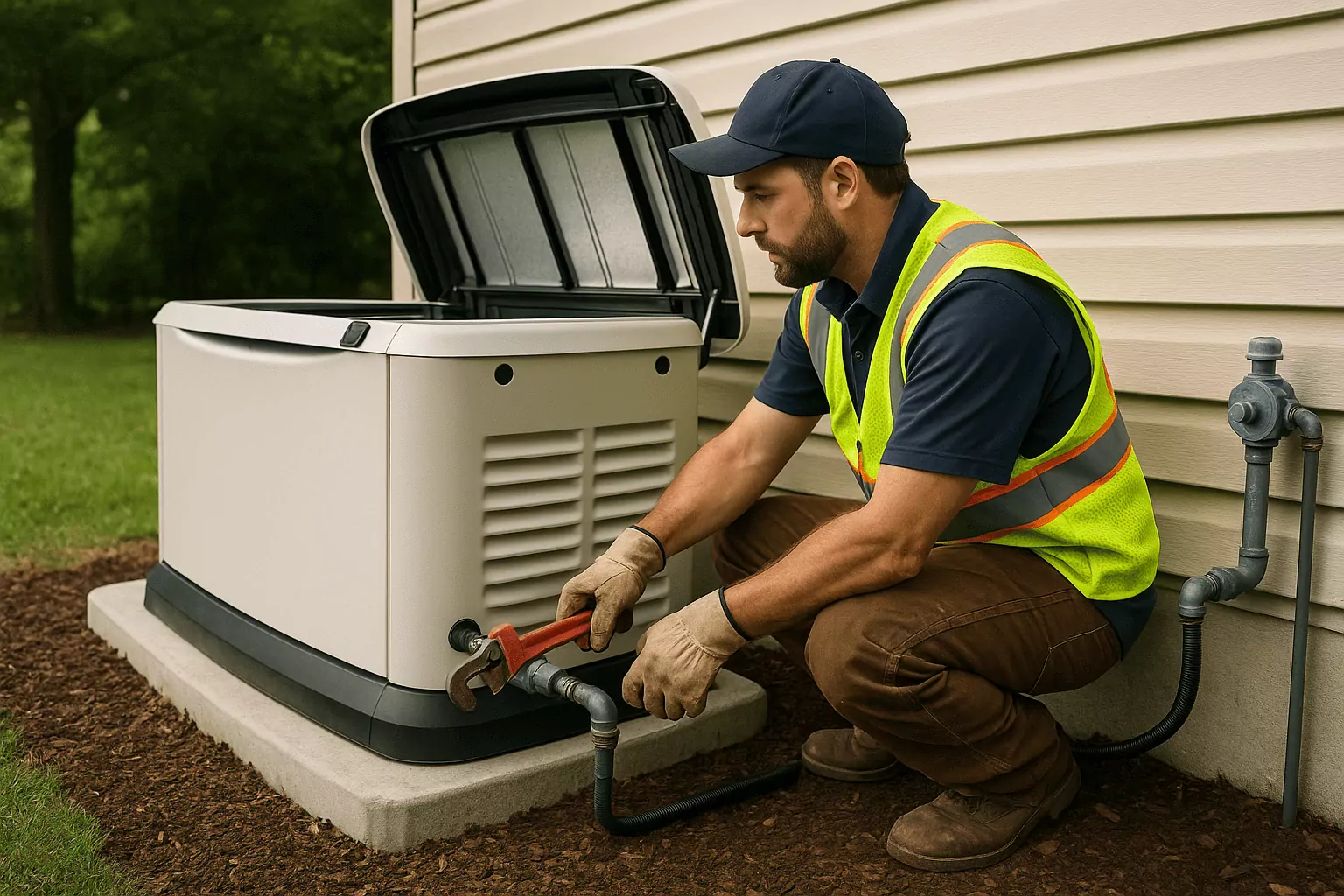
When storms sweep through Southeast Texas, a properly installed generator can be the difference between comfort and costly downtime. That reliability starts with safe, code-compliant gas piping designed specifically for your unit and your property in Vidor. Choosing expert generator gas line installation Vidor means your system is sized correctly, permitted properly, and ready when the lights go out. In this guide, we break down how pros assess load, pressure, materials, and routing to protect your family or business. You will also learn about Texas codes, fuel choices like natural gas and propane, and real-world timelines and costs. Whether you are in Vidor, Orange, Beaumont, or Bridge City, the right plan helps your standby generator deliver power safely and efficiently.
Safety and Code Compliance for Generator Gas Line Installation Vidor
Safety is the foundation of any generator gas line project, and in Vidor that starts with following the National Fuel Gas Code (NFPA 54) and, for propane systems, NFPA 58. Professional installers evaluate combustion air, ventilation, setback distances, and seismic or wind considerations common to the Gulf Coast. They also ensure appliance regulators, sediment traps, and shutoff valves are placed where required by code and manufacturer instructions. In Texas, pipeline and gas safety is overseen by state regulations, and reputable contractors coordinate with local jurisdictions for inspections and approvals. A code-compliant installation not only reduces risk but also protects your warranty and homeowner insurance coverage.
Licensed installers in Vidor verify that your generator's BTU demand matches the piping plan, regulator selection, and meter capacity. They test all connections with approved leak detection methods and conduct pressure tests before activation. Technicians also route lines with protection from vehicle traffic, soil movement, and flooding where applicable. In flood-prone areas, risers and regulators are elevated or shielded based on local best practices. Finally, documentation such as permits, pressure test records, and as-built diagrams is maintained for future service and resale value.
Homeowners and businesses can reference national and state resources to understand compliance. NFPA 54 and NFPA 58 offer the baseline safety standards that pros apply on every job. The Texas Railroad Commission provides guidance related to gas safety and pipeline compliance for the state. For health protection, reputable installers also educate clients about carbon monoxide risks and proper exhaust clearance. These steps help ensure your generator delivers dependable power without compromising safety or legality.
Sizing, Materials, and Pressure Planning for Generator Gas Line Installation Vidor
Accurate sizing is critical because undersized piping starves a generator under load, while oversized piping can be costly without benefit. Pros calculate total equivalent length, fitting losses, and appliance BTU requirements to determine proper pipe diameter. They also consider system pressure, such as 7 inches of water column for natural gas low-pressure systems or two-stage regulation for propane. Material choices commonly include black steel, corrugated stainless steel tubing (CSST), or polyethylene for underground runs with appropriate risers. Every selection is made to balance performance, longevity, and budget for your specific Vidor property.
Pressure regulation is equally important, especially for longer runs or multiple-gas-appliance homes. Installers may specify line regulators near the generator or a two-psi system with appliance regulators to maintain stable pressure. They also verify the gas meter or propane regulator and tank size can meet starting and running loads. A final step is load testing with the generator operating at or near capacity to confirm steady fuel delivery. This discipline helps your system start smoothly and run reliably through extended outages.
Site Assessment, Permits, and the Installation Workflow
A thorough site assessment maps the safest, most efficient route from the gas source to the generator pad. Technicians mark utilities, confirm clearance to windows and openings, and select trench paths that avoid tree roots and driveways. They also evaluate soil type, drainage, and potential flood exposure common in Southeast Texas. Permitting with local authorities ensures inspectors review trench depth, pipe material, pressure tests, and bonding where required. Clear communication with utility providers and inspectors keeps the project on schedule and compliant.
On installation day, the crew isolates gas supply, lays out materials, and begins trenching or above-grade routing per the approved plan. Piping is assembled to manufacturer specs, with thread sealants and supports rated for gas service. Crews install shutoff valves, sediment traps, and drip legs, and they set regulators and flex connectors to match the generator's inlet. After assembly, the system is pressure-tested, inspected, and documented before being connected to the generator. The final step is a controlled startup verifying no leaks, stable pressure, and correct generator performance under load.
Case studies from recent Vidor and Orange County installs show the value of planning. One homeowner upgraded from a portable generator to a 22 kW standby unit and needed a meter upsized plus a two-stage regulation plan. Because the route crossed a driveway, the crew used sleeved piping and proper depth to protect against damage. Another small business in Bridge City added a 27 kW unit with a new propane tank, optimizing tank placement for delivery access and wind exposure. Both systems passed inspection on the first visit and performed flawlessly during the next thunderstorm event.
Fuel Choices in Southeast Texas: Natural Gas vs Propane
Choosing between natural gas and propane depends on availability, runtime needs, and property layout. Natural gas offers convenience with continuous supply and typically lower fuel costs when a utility connection is available. Propane provides on-site independence and can be ideal for rural locations or where gas mains are not present. For propane, installers size the tank and regulators based on generator load, ambient temperatures, and expected outage duration. In both cases, pros design for cold starts, peak amperage demand, and manufacturer fuel pressure specs.
Local climate and code influence tank placement, regulator shielding, and line depth. Installers in Vidor consider wind-driven rain, heat, and corrosive coastal air when selecting materials and protective coatings. Where natural gas is used, meter capacity checks and possible utility upgrades are coordinated early. For propane, delivery access and safe setbacks guide tank positioning on the lot. A trained team ensures you get the right fuel option with a safe, efficient pipeline design.
Costs, Timelines, and Value for Generator Gas Line Installation Vidor
Costs vary with factors like pipe length, soil conditions, meter or regulator upgrades, and whether concrete, landscaping, or hardscape is impacted. Typical residential projects may range based on complexity, with commercial sites often higher due to capacity and permitting scope. A clear estimate should break out materials, labor, permits, inspections, and any utility coordination. Timelines commonly run from a few days to a couple of weeks, depending on permitting and inspection schedules. Thorough planning reduces surprises and keeps your project on budget and on time.
Value goes beyond the invoice, because a safe, code-compliant installation protects lives and property. It also preserves warranties, improves resale confidence, and ensures your generator performs when needed most. Local expertise matters in Vidor, where soil, weather, and code enforcement can influence design choices. Partnering with a licensed, insured contractor provides accountability and ongoing support. When the next storm hits, you will be glad your system was installed by pros who planned for every detail.
Reliable standby power in Vidor starts with expert planning and professional gas piping. By following NFPA standards and Texas regulations, pros design safe systems that match your generator's load and your property's layout. Careful sizing, material selection, and route planning reduce risk and improve performance during long outages. Whether you choose natural gas or propane, the right regulation and testing deliver steady fuel under all conditions. For help in Vidor, Orange, Beaumont, and Bridge City, contact 409 Plumbing for a seamless, code-compliant installation that is ready when you need it most.
Call 409 Plumbing at 409-444-0066 to schedule your assessment. Explore related services and next steps here: Gas line installation services, contact our team, and Generator maintenance tips. We deliver local expertise and responsive support so your system is safe and dependable year-round.
Resources About Generator Gas Line Installation
Frequently Asked Questions About Generator Gas Line Installation
How do I know what pipe size and pressure my generator needs?
Start with the generator's BTU and pressure requirements listed in the manufacturer manual. A licensed installer then calculates total equivalent length and fitting losses to determine pipe diameter. They assess whether a standard low-pressure system is sufficient or if a two-psi system with appliance regulators is more efficient. The installer also verifies gas meter or propane tank capacity to meet starting and running loads. Finally, they perform a pressure test and run test under load to confirm stable performance.
Do I need permits and inspections for generator gas line installation in Vidor?
Yes, permits and inspections are standard for gas piping in most Texas jurisdictions. Your installer coordinates with local authorities to approve trench depth, material, regulators, and test results. Inspectors verify code compliance and safety devices like shutoff valves and sediment traps. Proper permitting protects your warranty, insurance coverage, and long-term resale value. A reputable contractor will include permit fees and inspection scheduling in the proposal.
Which is better for my home, natural gas or propane?
Natural gas is convenient where a utility service exists, offering continuous fuel and often lower ongoing cost. Propane is ideal for homes without gas mains or where energy independence is a priority. Your installer will compare runtime needs, site logistics, and local code to recommend the best option. They also plan regulator stages and tank or meter sizing to handle startup surges. Both fuels perform reliably when the piping and regulation are engineered correctly.

Registered Master Plumber Texas State Board of Plumbing Examiners
RMP #44702
Licensed and Bonded
Cities Serviced
409 Plumbing
Follow Us On
© 2026 409 Plumbing. All Rights Reserved.
Website Design and Hosting Provided by LocalBizBuzz,co