
24 Hour Service
Call 409-444-0066
Why Professional Generator Gas Line Installation is Crucial in Orange
Protect your home and ensure safe energy with expert generator gas line installation in Orange for reliable power.
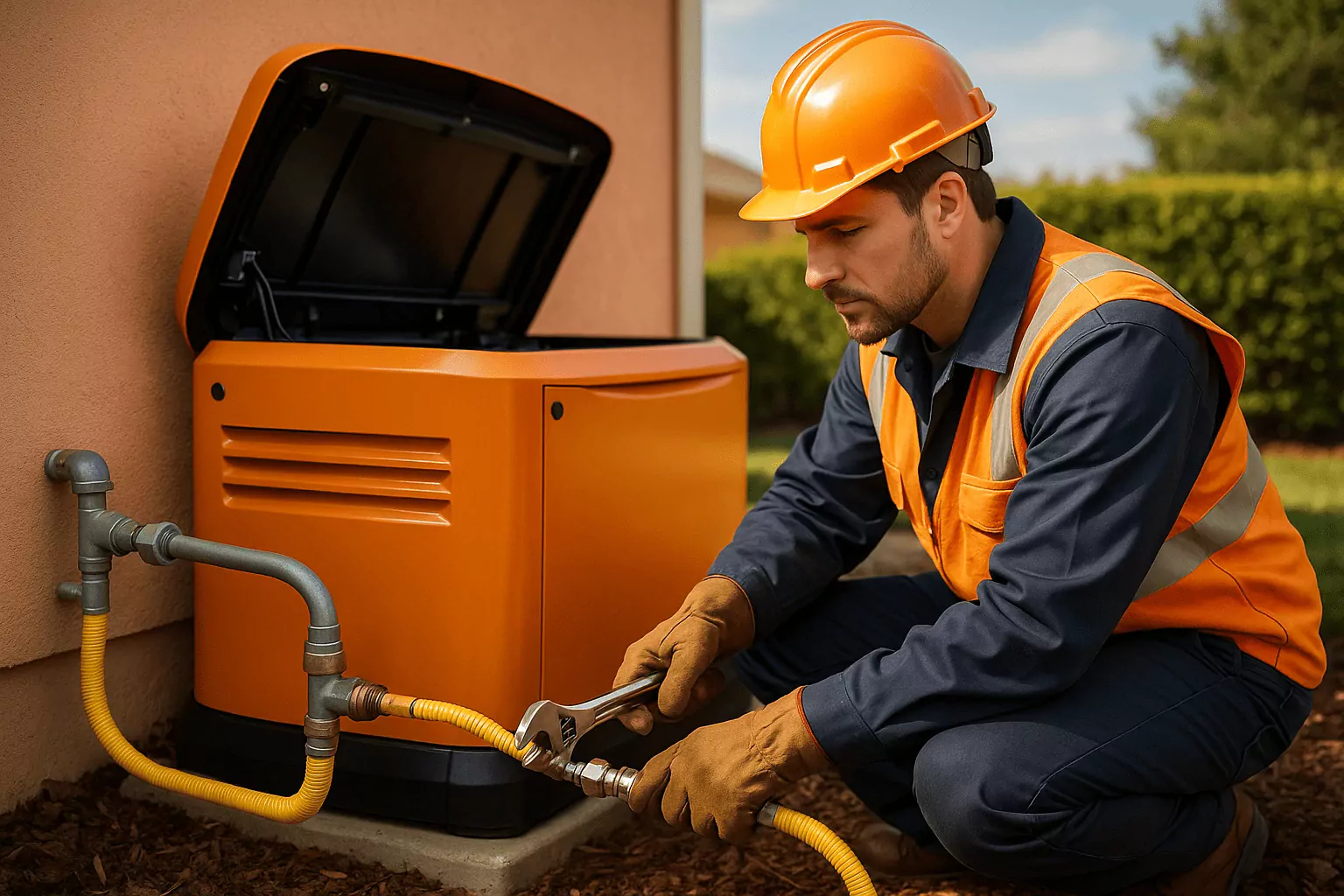
When storms sweep through Southeast Texas, reliable standby power becomes more than a convenience, and that is why generator gas line installation Orange deserves serious attention. A professionally designed and installed gas line ensures your generator starts every time, runs safely, and passes inspection with no surprises. It also protects your property and family by reducing risks of leaks, carbon monoxide exposure, and equipment damage. Homeowners in Orange, Beaumont, and Bridge City benefit from installers who understand local codes, soil conditions, and utility requirements. Working with a qualified team like 409 Plumbing brings together sizing expertise, permitting know-how, and careful commissioning for dependable results. If you are beginning research, this guide explains what matters most and how to choose the right partner for a safe, code-compliant setup.
Permits and code compliance for generator gas line installation Orange
Gas work for standby generators in Orange is governed by national and local codes, and a professional installer ensures every step aligns with the rules. The National Fuel Gas Code NFPA 54 outlines materials, sizing, testing, and appliance connections that must be followed, while the City of Orange permitting department and local utility policies add site-specific requirements. Experienced contractors coordinate permits, call for inspections, and document pressure testing, saving homeowners time and reducing costly rework. In Texas, pipeline safety oversight also touches aspects of distribution and service connections, so having a licensed installer who speaks the same language as inspectors is critical. A real-world example includes a Bridge City homeowner who avoided a two-week delay because their installer pre-reviewed plans with the city and utility before trenching. For reference, review NFPA 54 guidelines at NFPA 54 and Texas oversight at the Texas Railroad Commission Pipeline Safety page.
Compliance is more than a permit sticker; it is also about smart design that reflects code intent and site conditions. Setbacks from structures, depth of burial, and protection from physical damage are carefully planned so the line remains safe for decades. Installers size meters, regulators, and piping to meet generator fuel demand even at peak load, preventing nuisance shutdowns. They also integrate code-required shutoff valves, sediment traps, bonding for metallic systems, and labeling at key points to aid maintenance and future inspections. In one Orange project, a 22 kW system passed inspection on the first visit because the installer provided a complete as-built, pressure test log, and material spec sheets that matched permit plans. This level of preparation avoids last-minute changes and keeps activation on schedule for homeowners throughout Orange, Beaumont, and Bridge City.
Right-sizing, materials, and routing for dependable fuel delivery in generator gas line installation Orange
Correct sizing is the backbone of a reliable generator fuel line, and it starts with calculating cubic feet per hour based on the generator model and total system load. Pros use the longest length method to determine the correct pipe diameter from the meter or tank to the generator, accounting for fittings, regulators, and pressure drops. For a typical 22 kW standby generator, fuel demand can exceed 300 CFH at 7 to 11 inches water column, which often outgrows undersized legacy lines that previously served grills or fireplaces. Careful routing avoids unnecessary bends, keeps piping accessible where practical, and respects separation from electrical or communication lines. In flood-prone or high-water-table areas around Orange, routing and support are further tailored to mitigate shifting soils and water intrusion in trenches. The outcome is a line that maintains flow and pressure during start-up and full-load operation, even in extreme weather.
Material selection depends on code, environment, and distance, and each choice has trade-offs that a seasoned installer understands. Black iron is a durable workhorse above ground, while properly listed and installed CSST can provide flexibility and faster installation when permitted by local code. Underground runs may use polyethylene with tracer wire for locate services, or sleeved steel where added protection is required by inspectors. PVC is never used for fuel gas, and all transitions, isolation valves, and sediment traps must follow manufacturer and code instructions to maintain warranty and safety. A Beaumont case showed how switching from an undersized legacy line to a correctly routed and sized combination of black iron and CSST eliminated low-pressure faults that had been causing weekly generator alarms. The final commissioning verified stable pressure under load, clearing error codes and restoring homeowner confidence before the next storm.
Safety testing and start-up commissioning for generator gas line installation Orange
Safety is proven, not assumed, and professional installers document leak-free performance and proper operation before your generator ever carries a load. Pressure testing with a calibrated manometer confirms integrity at code-specified test pressures and durations, while soap testing checks final joints and appliance connections. Crews verify proper clearances from ignition sources, confirm bonding requirements, and ensure combustion air and exhaust paths meet manufacturer instructions. Because generators produce carbon monoxide, installers also emphasize placement and homeowner education on CO alarms and safe operation. These checks are vital for families across Orange, Bridge City, and Beaumont, where extended outages can push generators to run for days at a time. For additional safety guidance, review outage preparation tips from Ready.gov.
Commissioning bridges installation and real-world performance by validating fuel delivery under authentic conditions. Technicians clock the gas meter or verify tank regulator output, then perform start-up and simulate a transfer to ensure the generator holds voltage and frequency without starving for fuel. They confirm that valves are labeled, emergency shutoffs are accessible, and no-load to full-load transitions stay within expected pressure ranges. Homeowners receive a walkthrough that covers routine checks, when to call for service, and how to prepare the system for forecasted storms. In a recent Orange project, a start-up test during a scheduled outage rehearsal revealed a marginal regulator, which was replaced the same day to prevent a future failure. That attention to detail pays off when a storm hits and the generator starts, runs smoothly, and keeps your home safe and comfortable.
Choosing a professional partner for generator gas line installation Orange protects your home, your investment, and your peace of mind. From permits and code compliance to precise sizing, material selection, and commissioning, every step directly affects reliability and safety. Local experience in Orange, Beaumont, and Bridge City ensures your installation matches real-world soil, weather, and inspection conditions. For help planning your project or reviewing an existing setup, visit our plumbing and gas services page, read helpful tips on our blog, or contact 409 Plumbing today. Call 409 Plumbing at 409-444-0066 for expert guidance. Get started with a free on-site assessment so your standby power is ready before the next outage.
For fast help from a local expert, learn more about generator gas line installation Orange and schedule your estimate today.
Frequently Asked Questions About Generator Gas Line Installation
How much does generator gas line installation cost in Orange?
Costs vary based on distance, materials, trenching conditions, meter or regulator upgrades, and permit requirements. As a general guideline, homeowners might expect line-item ranges from a few hundred dollars for short above-ground runs to several thousand for long underground routes with restoration. Material choices, such as black iron versus CSST or polyethylene with tracer wire, also affect pricing and timeline. Additional costs can include meter upsizing by the gas utility or second-stage regulators for propane systems. After a site visit, a detailed, fixed proposal from a licensed contractor eliminates guesswork and change orders. For a clear, local estimate, contact 409 Plumbing for a no-obligation assessment.
Do I need a permit and inspection for a generator gas line in Orange?
Yes, most projects in Orange require a permit and final inspection, and professional installers handle this from start to finish. The permit ensures your design, materials, and testing meet national fuel gas code and local amendments. Inspections verify the work was performed safely, with proper burial depths, shutoff valves, bonding, and labeling in place. Depending on workload, permits and inspections often take 2 to 7 business days to schedule, so planning early helps you meet your generator delivery date. Utilities may also review meter capacity when adding significant new load. A licensed installer familiar with Orange, Beaumont, and Bridge City processes can streamline approvals and keep activation on track.
Can I use propane instead of natural gas for my standby generator?
Yes, many homeowners choose propane where natural gas is unavailable or meter capacity is limited. Propane systems require correctly sized tanks, two-stage regulators, and code-compliant setbacks from buildings and ignition sources. Tank size is matched to generator load and expected runtime, with common residential options ranging from 250 to 500 gallons for multi-day outages. Proper vaporization capacity in cooler weather and regulator placement are essential to maintain stable pressure under load. Installers will also coordinate safe routing, burial or shielding of lines, and anchoring in flood-prone areas common along the Gulf Coast. Your contractor can present a side-by-side comparison of fuel costs, maintenance, and performance to help you decide confidently.
How long does installation take, and will my yard be disturbed?
Typical installations take 1 to 3 days in the field after permits are approved, with added time for inspection scheduling and utility coordination. Crews mark utilities through Texas 811, plan trench routes that minimize impact, and protect landscaping as much as practical. Where feasible, installers use hand trenching or narrow trenchers and restore sod or clean gravel to leave a neat finish. Weather, soil saturation, and site access can influence the schedule, especially during rainy seasons. Your installer should provide a day-by-day plan and updates if conditions change. A thorough closeout includes site cleanup, valve labeling, and a homeowner walkthrough before start-up testing.

Registered Master Plumber Texas State Board of Plumbing Examiners
RMP #44702
Licensed and Bonded
Cities Serviced
409 Plumbing
Follow Us On
© 2026 409 Plumbing. All Rights Reserved.
Website Design and Hosting Provided by LocalBizBuzz,co