
24 Hour Service
Call 409-444-0066
Why Gas Pressure Testing is Essential for Safety
in Orange
Gas pressure testing in Orange protects homes and businesses by ensuring safe gas systems and preventing dangerous leaks.
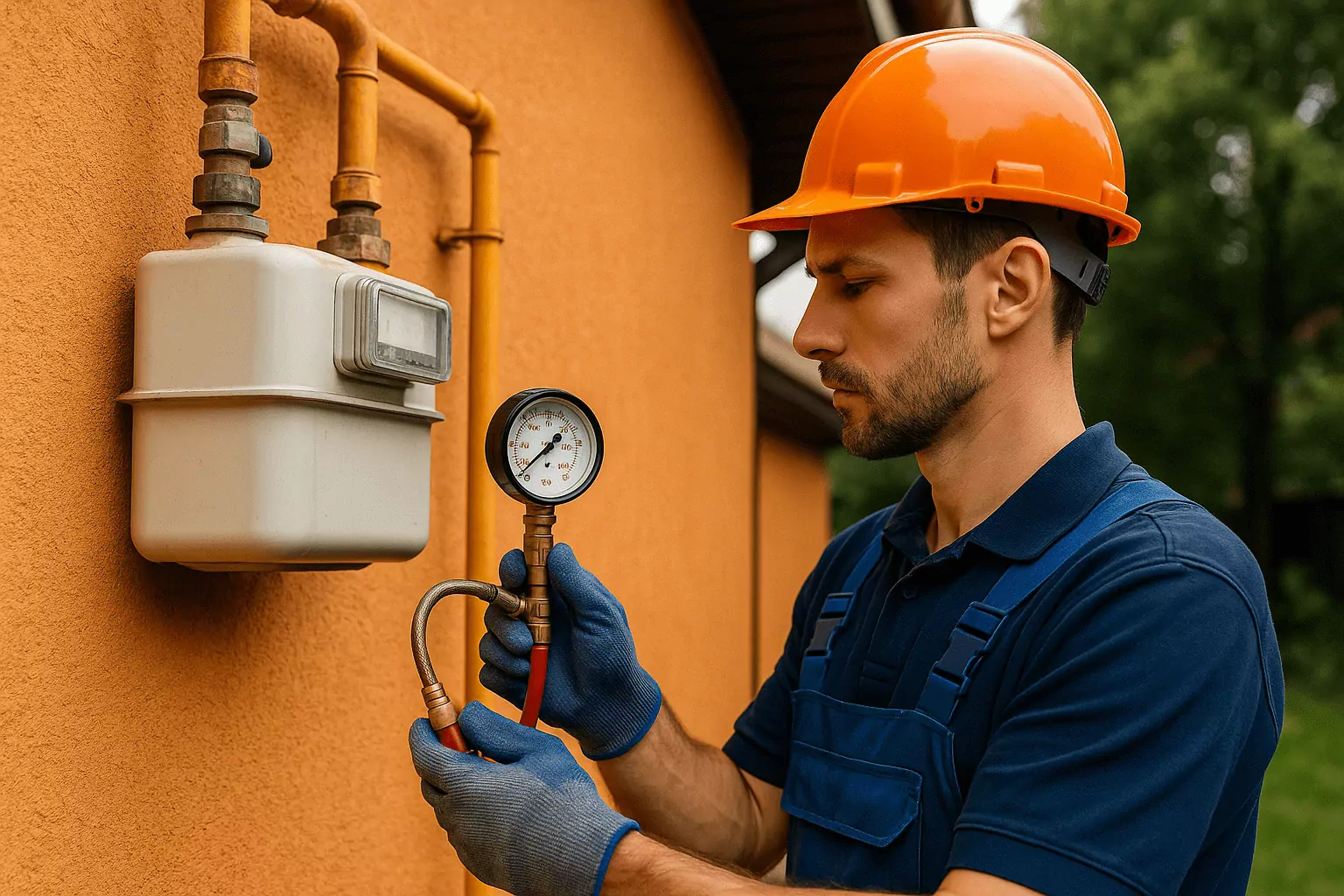
Natural gas is efficient, affordable, and common across Southeast Texas, but it must be managed with care. That is why gas pressure testing Orange is a critical step for every homeowner, landlord, and facility manager. In Orange, Beaumont, and Bridge City, regular testing verifies that your gas lines are tight, code-compliant, and safe for everyday use. A professional pressure test can uncover hidden leaks, aging connections, or faulty regulators before they create emergencies. To learn more or book trusted gas pressure testing Orange, you can count on a licensed local plumber with the right tools and certifications. In this guide, you will learn what testing involves, when to schedule it, and how it protects your property, people, and peace of mind.
What gas pressure testing Orange involves and why it matters
At its core, gas pressure testing Orange is a controlled procedure that confirms your gas piping can hold pressure without dropping. A licensed plumber isolates the system, connects a calibrated gauge or manometer, and introduces a specific test pressure based on code and system type. Over a defined period, the technician monitors for any pressure change that could indicate a leak, loose fitting, or compromised component. The process may include bubble solution checks on joints, appliance shutoff validation, and regulator and meter inspections. When completed correctly, a written report documents results for your records, insurance, or permit requirements.
In practice, testing prevents hazards that are often invisible until it is too late. Small leaks can accumulate gas in enclosed spaces, raising the risk of ignition or carbon monoxide exposure. Pressure testing brings those issues to light in a controlled, safe way so they can be repaired immediately. It also verifies that new installations and remodels were assembled to spec and tightened to withstand daily thermal expansion and vibration. For commercial kitchens and industrial users, it reduces downtime risks by catching problems during planned maintenance rather than during peak operations.
Code compliance, permits, and local safety standards for gas pressure testing Orange
Gas pressure testing Orange is not only smart; it is often required by code and utility policy. The National Fuel Gas Code (NFPA 54) outlines testing methods and minimum standards for piping integrity, test pressures, and duration. In Texas, oversight from the Railroad Commission of Texas sets statewide expectations for safety and contractor qualifications, which helps ensure consistent workmanship. Many municipalities and utilities require documented pressure tests before activating gas service after new construction, line replacement, or extended shutoff. Following these standards protects occupants and can accelerate approvals when you are on tight project timelines.
Working with a licensed plumber ensures your test aligns with local permitting and inspection steps. For example, when adding a new appliance branch line, your contractor may perform a section test before final inspection and meter release. Commercial properties may require additional documentation, such as stamped reports or test logs, to satisfy insurance policies and fire marshal reviews. If repairs are needed, a licensed professional will retest after corrections to confirm a true fix. Staying compliant avoids costly delays, reinspections, and potential service interruptions that can disrupt homes and businesses.
When to schedule gas pressure testing Orange and early warning signs
There are several moments when gas pressure testing Orange should move to the top of your to-do list. The first is any time you install new piping, relocate appliances, or renovate spaces that involve gas lines. A second trigger is after service has been off for an extended period, especially in vacant rentals or seasonal properties, to verify integrity before reactivation. You should also schedule testing when you notice persistent sulfur odors, unusually high gas bills, or hissing sounds near piping or appliances. Finally, annual or biannual preventive tests provide extra assurance for restaurants, multi-family buildings, and facilities with heavy gas usage.
In the field, a few early indicators can justify immediate inspection before a formal test. These include pilot lights that frequently go out, visible corrosion on piping or fittings, and appliance performance issues like weak flame patterns. If you experience headaches, dizziness, or nausea in conjunction with gas appliance operation, take it seriously and seek fresh air while contacting a professional. Utility companies may also place a lockout on service if a suspected leak is reported, requiring a verified pressure test for restoration. Acting quickly not only protects health and property but can also minimize repair scope and costs.
How professionals perform gas pressure testing Orange and what to expect from 409 Plumbing
When you schedule gas pressure testing Orange with a licensed contractor, the visit follows a methodical sequence designed for safety and accuracy. The technician will isolate the gas piping from active appliances, plug outlets as needed, and attach a gauge or manometer. The system is then pressurized to a code-approved level and observed for a set duration to detect any pressure drop. If a drop occurs, the plumber will segment the system and use bubble solution or an electronic detector to pinpoint the exact leak site. After repairs, a retest confirms the system holds steady, and you receive documentation suitable for inspectors, insurers, or your personal records.
409 Plumbing brings local experience and a full suite of diagnostic tools to every call across Orange, Beaumont, and Bridge City. Our team provides transparent estimates, explains test parameters in plain language, and shares photos or readings when appropriate. We also coordinate with utility providers and local inspectors when permits or re-lighting steps are needed, helping to streamline approvals. For business clients, we can schedule tests during off-hours to reduce disruption and offer recurring maintenance calendars that support compliance. The result is a safe, efficient gas system backed by clear documentation you can trust.
Real-world scenarios, benefits, and best practices for gas pressure testing Orange
Consider a local case: a small Orange restaurant planned to expand its cookline and add a second fryer. Before tying in, a gas pressure test revealed a minor leak at a threaded union hidden behind stainless cladding. The issue had not triggered an odor complaint, but it posed a risk as kitchen temperatures rose during service. The repair and retest were completed in a single morning, preventing a potential shutdown during a busy weekend. That proactive test protected staff, guests, and revenue while keeping the project on schedule.
Homeowners see similar value, especially in older properties where piping may have been modified over decades. Best practices include documenting appliance BTU loads, confirming regulator sizing, and labeling shutoff valves for emergency access. It is also wise to keep a testing and inspection log, which helps when selling a home or renewing insurance. For added safety, pair your testing schedule with carbon monoxide alarms and annual appliance servicing by qualified technicians. When you build these habits, gas pressure testing becomes a cornerstone of a broader home or facility safety plan.
Gas pressure testing Orange gives you the facts you need to protect people, property, and productivity. By verifying that your piping holds pressure and meets code, you prevent leaks, minimize risks, and keep projects moving. Whether you are a homeowner in Orange, a restaurant in Beaumont, or a facility in Bridge City, proactive testing is a best practice worth scheduling. For dependable service, documentation, and local expertise, contact 409 Plumbing at 409-444-0066 or visit 515 Camellia Avenue, Orange, Texas 77630. Explore our gas services, read helpful guides on our blog, or request an appointment today. Your safety starts with a proper test and a trusted team.
Resources About Gas Pressure Testing
Frequently Asked Questions About Gas Pressure Testing
How often should I arrange gas pressure testing Orange for my home or business?
For most residences, testing is recommended when you make changes to the gas system or if you notice warning signs like odors or high bills. Many commercial properties adopt annual or biannual testing to align with insurance and operational safety goals. After extended vacancies, schedule a test before reactivating service to catch any issues caused by time, corrosion, or disturbance. New installations, tenant turnovers, and equipment upgrades are also ideal moments to verify system integrity. If in doubt, a licensed plumber can recommend a cadence based on your system age, usage, and code considerations.
What happens if my gas pressure testing Orange results show a pressure drop?
A pressure drop indicates that gas could escape somewhere in the system, so the next step is targeted leak isolation. Your technician will segment piping, check joints and valves with solution or electronic detection, and repair or replace compromised components. Common fixes include rethreading, tightening, replacing flex connectors, or swapping aging shutoff valves. After repairs, the system is retested to ensure it holds pressure within code-defined limits. You will receive documentation of the findings, corrections, and final results for your records and any required inspections.
Is gas pressure testing Orange disruptive to daily operations or household routines?
The process is designed to be safe and minimally disruptive, though gas appliances will be offline during the test period. In homes, this is typically a short window scheduled at a convenient time, with relighting handled after a successful test. For businesses, many plumbers offer early morning, evening, or weekend appointments to limit downtime. If repairs are required, your contractor will outline options and timelines, prioritizing safety and fast restoration. Good planning and clear communication keep the experience smooth from start to finish.
Do I need gas pressure testing Orange before utility activation or after a remodel?
In many cases, yes. Utilities and inspectors often require documented pressure tests for new service, meter sets, or after substantial piping changes. This confirms that the system is tight, properly assembled, and ready for safe operation. Having a licensed plumber manage the test helps you meet NFPA 54 requirements and satisfy local permitting steps efficiently. Bringing your test results to inspections can expedite approvals and reduce rework or delays. It is a small investment that protects your project timeline and long-term safety.

Registered Master Plumber Texas State Board of Plumbing Examiners
RMP #44702
Licensed and Bonded
Cities Serviced
409 Plumbing
Follow Us On
© 2026 409 Plumbing. All Rights Reserved.
Website Design and Hosting Provided by LocalBizBuzz,co