
24 Hour Service
Call 409-444-0066
Why Gas Pressure Testing is Crucial for Vidor Residents
Protect your home and family by understanding the importance of gas pressure testing for safe living in Vidor.
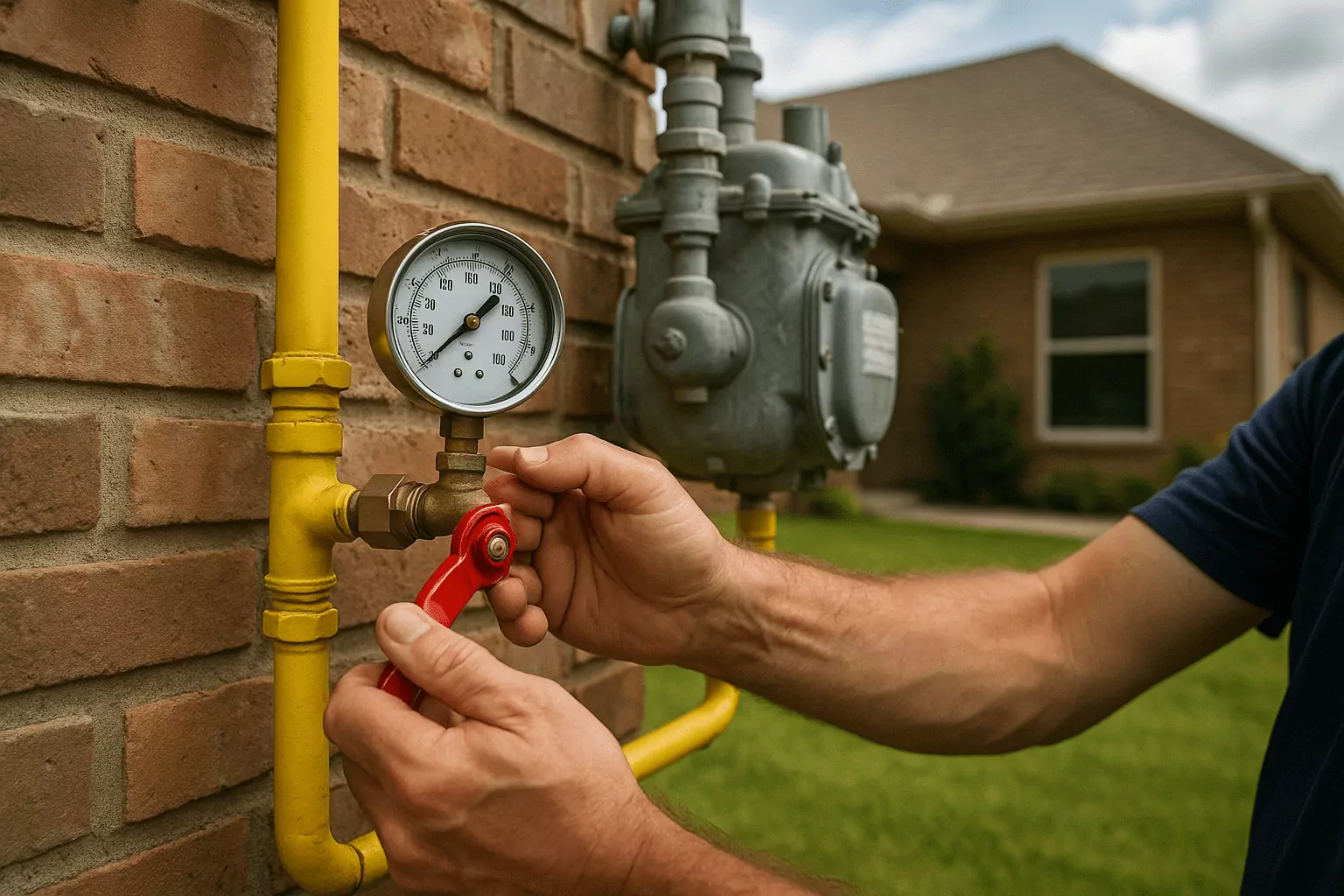
In Vidor and the surrounding Orange County communities, reliable gas service starts with a safe and code-compliant system. Homeowners who prioritize safety, efficiency, and peace of mind regularly schedule gas pressure testing Vidor professionals trust. This simple but critical procedure confirms that your natural gas or propane lines are tight, leak free, and operating within approved pressures. It is also a key requirement when you are adding appliances, renovating, or reconnecting service after repairs or a major storm. By understanding how pressure testing works and when to book it, you reduce risks like leaks, carbon monoxide exposure, and system failures. Below, we explain the process, local regulations, and how to choose a qualified team for dependable results.
What gas pressure testing Vidor involves and why it matters
Gas pressure testing is a controlled procedure that verifies whether your gas piping can hold pressure without dropping over a specified time. Licensed plumbers isolate the system, introduce a measured test pressure with air or inert gas, and then monitor it using a calibrated gauge or manometer. If the needle does not move during the test window, the system passes and can be safely placed back into service. If it drops, even slightly, your plumber investigates joints, valves, and fittings to locate and correct the problem. When performed by experts, the test protects residents from hazardous leaks while keeping equipment warranties and insurance requirements intact.
In Vidor, testing is especially important due to shifting soils, humidity, and intense Gulf Coast storm seasons that can stress underground and exposed lines. We commonly see small pressure losses caused by aging pipe dope, minor corrosion at concealed fittings, or accidental nicks made during landscaping or renovations. A proper test catches these issues before they become emergencies. It also documents that your system meets applicable sections of NFPA 54, also known as the National Fuel Gas Code, and the International Fuel Gas Code adopted by many Texas jurisdictions. For homeowners planning a sale or insurance inspection, passing results provide valuable proof of safety and diligence.
Here is a typical high-level sequence for a residential test that helps clarify what to expect:
If you want a deeper primer tailored to local conditions, you can start by reviewing gas pressure testing Vidor resources, then speak with a licensed plumber to align the test to your home, appliances, and permit needs.
When Vidor homes need gas pressure testing Vidor and the risks of delaying
Knowing when to schedule testing is just as important as knowing how it works. If you smell gas, hear hissing, or notice unusually high utility bills, you should shut off the supply and call a licensed professional immediately. But there are also many preventive triggers that call for a planned test before problems arise. Examples include adding a gas range or pool heater, converting to a tankless water heater, or reopening service after major plumbing upgrades. Southeast Texas homeowners should also consider testing after hurricanes or heavy flooding, when shifting soils and debris can disturb buried lines and fittings.
Watch for these common signs that testing is overdue or a leak may be present:
Delaying a test can increase safety risks and costs. Even small leaks can erode fittings, corrode nearby metals, and allow moisture into lines, which shortens equipment life and reduces efficiency. In extreme cases, leaks combined with poor ventilation can lead to carbon monoxide hazards or ignition risks. Beyond safety, skipping required tests can stall real estate closings, void certain manufacturer warranties, and trigger utility shutoffs during inspections. A proactive pressure test is a small investment that prevents larger repairs and disruptions later.
Permits, codes, and documentation for gas pressure testing Vidor homeowners
Texas jurisdictions commonly reference NFPA 54 and the International Fuel Gas Code to govern materials, installation practices, and testing standards. While each authority having jurisdiction may set specific thresholds and hold times, the principles are consistent: test with approved equipment, verify stability, and document every step. Working with a licensed plumber ensures your paperwork, pressure levels, and test durations align with local code and utility expectations.
Professional documentation matters more than many homeowners realize. A complete test report typically includes the date, address, gauge type and calibration status, applied pressure, hold time, and a pass or fail result, along with any corrective actions taken. This record becomes invaluable during appraisals, insurance reviews, remodel permits, or when relighting service after outages. Reputable contractors also coordinate with utilities when relighting is needed and can advise on any appliance connector upgrades required to meet current standards. If you are mapping out a remodel or addition, consult your plumber early and review related service options at our services page to streamline permits and avoid delays.
How 409 Plumbing conducts gas pressure testing Vidor and what to expect
At 409 Plumbing, our licensed team follows a clear, step-by-step process focused on safety, clarity, and compliance. First, we perform a visual survey of exposed piping, appliance connectors, meter risers, and shutoff valves to spot obvious concerns. We then isolate the system, apply a measured test pressure using calibrated equipment, and hold for the required duration while monitoring for any changes. If we detect movement, we use systematic isolation and targeted leak detection to locate the fault, replace compromised components, and re-test until the system is stable. Throughout the visit, we communicate findings in plain language and provide a written report you can share with your insurer, utility, or buyer.
Our Southeast Texas experience includes homes in Vidor, Orange, Beaumont, and Bridge City, where soil conditions and storm events create unique stresses on gas infrastructure. One recent case involved a Vidor homeowner reconnecting a standby generator after a severe thunderstorm; our test revealed a subtle pressure drop traced to a cracked underground coupling. We replaced the fitting, re-bedded the line, passed the retest, and coordinated a safe relight the same afternoon. To plan your own visit or ask about timing, check our latest tips on the blog and reach out through our contact page for scheduling and pricing guidance that matches your project and code requirements.
For homeowners in Vidor and nearby cities like Orange, Beaumont, and Bridge City, gas pressure testing is one of the most effective ways to safeguard your home and comply with local codes. The procedure verifies that your gas lines are tight, your appliances are protected, and your family can enjoy reliable service without worry. Whether you are planning a remodel, reconnecting service after a storm, or addressing suspicious signs, a licensed test provides clarity and confidence. If you are ready to schedule or need expert guidance tailored to your property, contact 409 Plumbing today. Call 409-444-0066 or request service online to get started with a safe, code-compliant solution.
Frequently Asked Questions About Gas Pressure Testing
How often should I schedule gas pressure testing in Vidor?
Most homeowners should consider testing any time work is performed on gas piping, appliances are added or relocated, or service is restored after an outage. In addition, a periodic safety check every few years is a smart preventive step, especially in older homes or properties with previously undocumented work. After major weather events common to Southeast Texas, a quick assessment and test can confirm your system remains safe. If you are selling your home, a current pass result helps streamline inspections and buyer confidence. When in doubt, ask a licensed plumber to evaluate your specific situation and recommend an appropriate testing interval.
What happens if my home fails a gas pressure test?
If a test fails, the plumber will isolate sections of the system to pinpoint where pressure is escaping. Common culprits include aging thread sealant, worn appliance connectors, compromised underground joints, or valves that no longer seat properly. Once located, the technician will make code-approved repairs or replacements and then repeat the test to confirm stability. In some cases, appliances may also be inspected for venting and combustion safety before relighting. You will receive documentation of the issue, the fix, and the final passing result for your records and any permit or utility needs.
Is gas pressure testing different for natural gas versus propane in Vidor?
The underlying principle is the same for both fuels, but details can vary based on system design, materials, and code requirements. Propane systems often include tank-side regulators and may experience different environmental stresses than natural gas lines fed by a utility meter. Your plumber will select appropriate test pressures, isolation points, and hold times that align with the specific system and the authority having jurisdiction. Appliances and connectors are also reviewed to ensure compatibility and safe operation under each fuel type. A licensed professional will adjust procedures to suit your home and document everything for compliance.
How long does a typical gas pressure test take, and how should I prepare?
Most residential tests can be completed within a few hours, depending on system size, accessibility, and whether any repairs are needed. Before the visit, clear access to the meter, mechanical room, and major appliances so the technician can move efficiently. Let household members know that gas service may be temporarily off, and plan cooking or hot water needs accordingly. If you have pets, placing them in a secure room helps the team work safely and without distractions. Your plumber will provide a clear schedule, and if any issues arise, you will receive a straightforward plan and timeline to resolve them.

Registered Master Plumber Texas State Board of Plumbing Examiners
RMP #44702
Licensed and Bonded
Cities Serviced
409 Plumbing
Follow Us On
© 2026 409 Plumbing. All Rights Reserved.
Website Design and Hosting Provided by LocalBizBuzz,co