
24 Hour Service
Call 409-444-0066
Why Choose a Tankless Water Heater for Your Beaumont TX Home?
Save space and energy while enjoying endless hot water with a tankless water heater in your Beaumont, TX home.
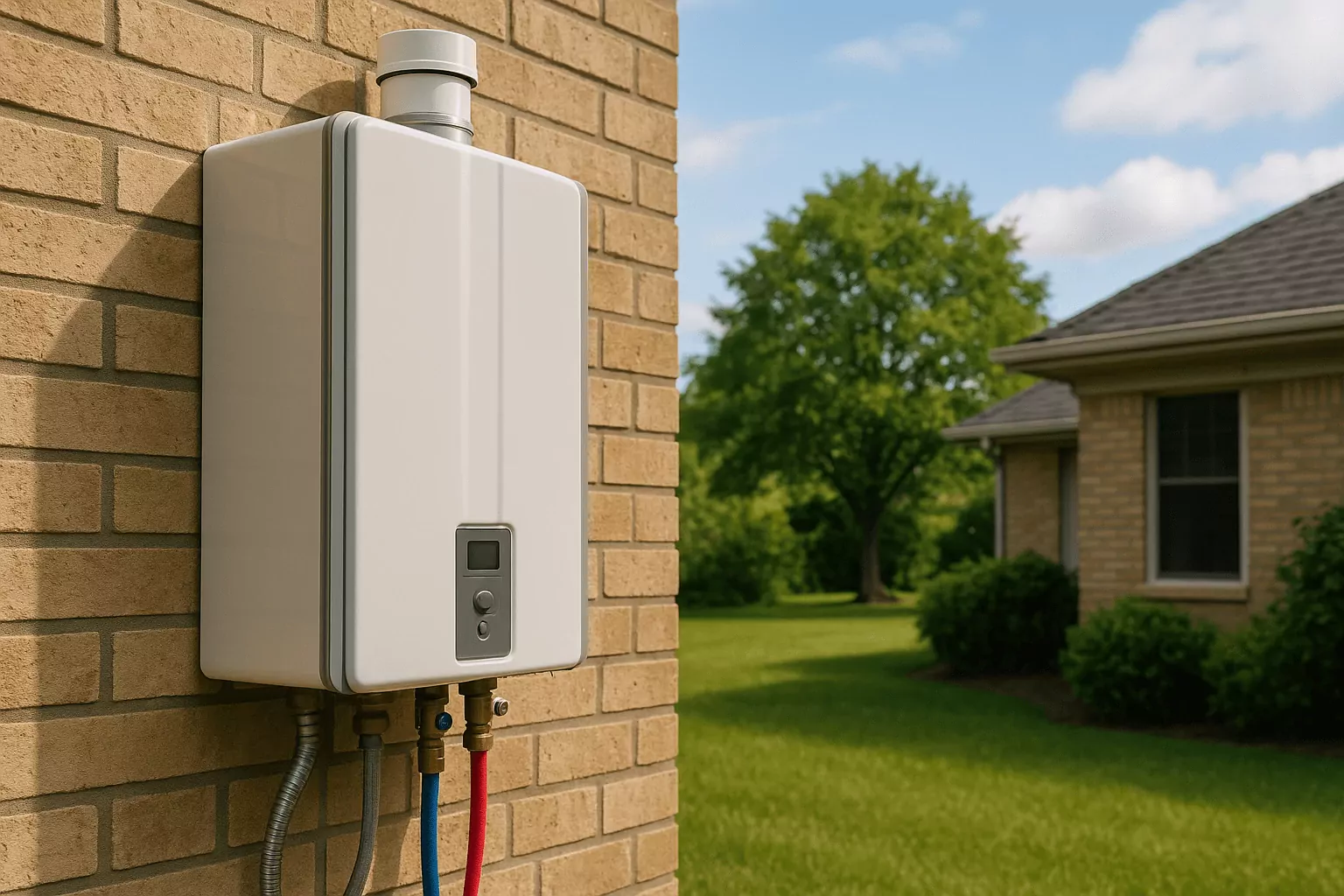
Thinking about upgrading your hot water system in Jefferson County? A tankless water heater Beaumont TX homeowners choose can deliver endless hot water, higher efficiency, and valuable space savings. Unlike storage tanks that constantly heat and reheat, tankless models warm water on demand, cutting standby losses and helping lower monthly utility bills. The Gulf Coast climate and local water conditions make smart equipment selection and professional installation especially important for long-term performance. If you live in Beaumont, Orange, or Bridge City, you can optimize comfort and efficiency by right-sizing your system and planning for maintenance from day one. Learn how a modern on-demand system fits real Southeast Texas households and what to expect for installation, warranties, and ROI. For a quick overview or to request a quote, explore our plumbing services and contact pages, and check our latest tips on the blog or click here: tankless water heater Beaumont TX.
Energy efficiency and utility savings with a tankless water heater Beaumont TX residents trust
Tankless units heat water only when a tap opens, which significantly reduces standby heat loss compared to traditional tanks. The U.S. Department of Energy notes that demand-type heaters can be more energy efficient for homes that use less than 41 gallons of hot water daily, with notable savings at higher usage when properly sized. In practical terms, Beaumont and Orange homeowners often report lower gas or electric bills after upgrading, especially if the old tank was aging or oversized. Since summer AC loads already elevate energy use along the Gulf Coast, cutting hot water waste helps stabilize overall bills. Over a 10 to 20-year lifespan, these utility savings can contribute meaningfully to payback.
Space savings are another major perk for Beaumont TX homes, from historic neighborhoods to new builds in Bridge City. Wall-mounted tankless units free up floor area in closets, garages, or utility rooms, which can be repurposed for storage or laundry improvements. Many models offer advanced features such as smart recirculation, Wi-Fi diagnostics, and adaptive controls to further minimize wasted hot water wait times. If long pipe runs are common in your layout, pairing a tankless unit with a recirculation loop or demand-controlled pump can deliver hot water faster to distant bathrooms. The result is less water down the drain and more day-to-day convenience.
Sizing, performance, and installation for a tankless water heater Beaumont TX homes require
Right-sizing is critical because tankless systems are rated by flow rate in gallons per minute (GPM) at a given temperature rise. In Beaumont, incoming groundwater temperatures are typically warmer than northern climates, which can help units achieve higher flow at the same BTU rating. A typical three-bath home might target a 7 to 10+ GPM unit depending on simultaneous demand, fixtures, and desired temperature. Consider common use cases, such as running two showers while the dishwasher is on, to choose appropriate capacity. An experienced installer will perform a load analysis, factor in temperature rise, and recommend a gas or electric model that fits your household.
Proper venting, gas supply, and electrical requirements are crucial for safe, efficient operation. Gas units often need a larger gas line to prevent low-pressure issues at high fire; electric units may require substantial amperage and dedicated circuits. Condensing models produce acidic condensate that must be neutralized and drained correctly to protect piping and the home's structure. Local permitting and code compliance in Beaumont help ensure the system is installed to manufacturer specs, protecting both performance and warranty. Professional installation also allows fine-tuning of settings like outlet temperature, recirculation schedules, and water-saving features for superior comfort.
Maintenance, water quality, and lifespan of a tankless water heater Beaumont TX households choose
Hard water can reduce efficiency and stress tankless heat exchangers, so water quality deserves attention in Southeast Texas. A sediment filter and scale prevention (such as a cartridge or softener) can keep internals cleaner, preserve efficiency, and maintain steady flow. Annual or semi-annual descaling is recommended depending on hardness, usage, and manufacturer guidance, and it is a straightforward service for a trained plumber. Maintaining clean inlet screens and verifying combustion or electrical parameters helps ensure consistent performance and hot water availability. With routine care, many tankless units last longer than conventional tanks and offer modular part replacement to extend service life.
Warranties for heat exchangers commonly span 10 to 15 years when installed and maintained per manufacturer instructions. Documented maintenance, proper water treatment, and code-compliant installation are often prerequisites for full warranty coverage. Because tankless systems are sophisticated, periodic checkups can catch small issues like scale buildup or venting obstructions before they affect comfort. Proactive service is especially helpful in coastal climates where humidity and airborne salts may influence corrosion over time. This lifecycle approach supports the best possible return on investment and reliable hot water day after day.
Real-world ROI, rebates, and local case insights for a tankless water heater Beaumont TX upgrade
Homeowners often ask what payback looks like for a tankless water heater, and the answer varies by energy rates, usage, and the system you replace. Replacing an aging, inefficient tank with a properly sized condensing tankless unit can yield notable annual savings, particularly for moderate to high hot-water usage families. We have seen Orange and Bridge City households reclaim storage space and report shorter wait times when pairing tankless systems with smart recirculation. In a Beaumont bungalow with two baths and a gas line upgrade, the family cut water heating costs and gained a tidy utility closet after wall-mounting the unit. Add smart scheduling and temperature limits, and daily convenience improves alongside energy performance.
To validate expectations and compare models, consult trusted sources and efficiency ratings. Local incentives may change, so reviewing rebate databases or speaking with your utility can uncover opportunities that improve ROI. When you are ready to compare equipment and installation options, our plumbing services team can outline good-better-best choices tailored to your fixtures and habits. Finally, schedule a site visit for accurate sizing and a clear, itemized estimate that reflects your unique home and goals.
A modern tankless water heater Beaumont TX homeowners choose can transform everyday comfort with endless hot water, lower energy waste, and reclaimed space. By right-sizing the system, planning recirculation wisely, and addressing water quality, you can maximize performance for years to come. Local homes in Beaumont, Orange, and Bridge City benefit from professional installation that satisfies code, protects warranties, and aligns equipment to lifestyle. When paired with routine maintenance and smart controls, tankless units deliver reliable comfort and compelling long-term value. Ready to explore options for your home? Call 409 Plumbing at 409-444-0066 to schedule an in-home assessment and estimate today.
Frequently Asked Questions About Choosing a Tankless Water Heater
How do I choose the right size tankless water heater for my Beaumont TX home?
Start by estimating your peak simultaneous hot water demand in GPM and the temperature rise from groundwater to your target outlet temperature. Count common overlaps such as a shower and washing machine or two showers and a sink to identify realistic peak scenarios. In Southeast Texas, warmer incoming water temperatures allow smaller units to achieve higher output compared to colder regions, but accuracy still matters. A professional will perform a detailed load calculation and review fixture flow rates, family size, and lifestyle patterns. With those details, they will recommend a model that balances efficiency, comfort, and budget.
Is a gas or electric tankless water heater better for Beaumont TX homes?
Both can work well, but the decision hinges on available utilities, panel capacity, venting pathways, and operating costs. Gas tankless units typically deliver higher GPM for whole-home use and may offer better economics if natural gas is available and priced favorably. Electric tankless systems can be viable for smaller homes or point-of-use applications but may require significant amperage upgrades for whole-home duty. A cost-benefit analysis should consider installation complexity, utility rates, and expected usage to determine the best fit. Your installer can model both scenarios and provide a clear comparison with upfront and long-term costs.
What maintenance does a tankless water heater need in our local water conditions?
Plan on periodic descaling to remove mineral deposits, with frequency based on measured hardness and usage patterns. Adding a sediment filter and scale-control cartridge or softener can significantly extend maintenance intervals and preserve peak efficiency. It is also wise to check inlet screens, verify combustion or electrical parameters, and confirm proper vent and drain operation. Annual service visits catch small issues before they impact comfort, such as early scale formation or sensor drift. Keeping records supports warranty coverage and helps your technician fine-tune performance over time.
Registered Master Plumber Texas State Board of Plumbing Examiners
RMP #44702
Licensed and Bonded
Cities Serviced
409 Plumbing
Follow Us On
© 2026 409 Plumbing. All Rights Reserved.
Website Design and Hosting Provided by LocalBizBuzz,co