
24 Hour Service
Call 409-444-0066
When to Call for Slab Leak Detection Beaumont TX in Your Home
Spot warning signs early and learn when Beaumont homeowners should call for slab leak detection to prevent costly water damage.
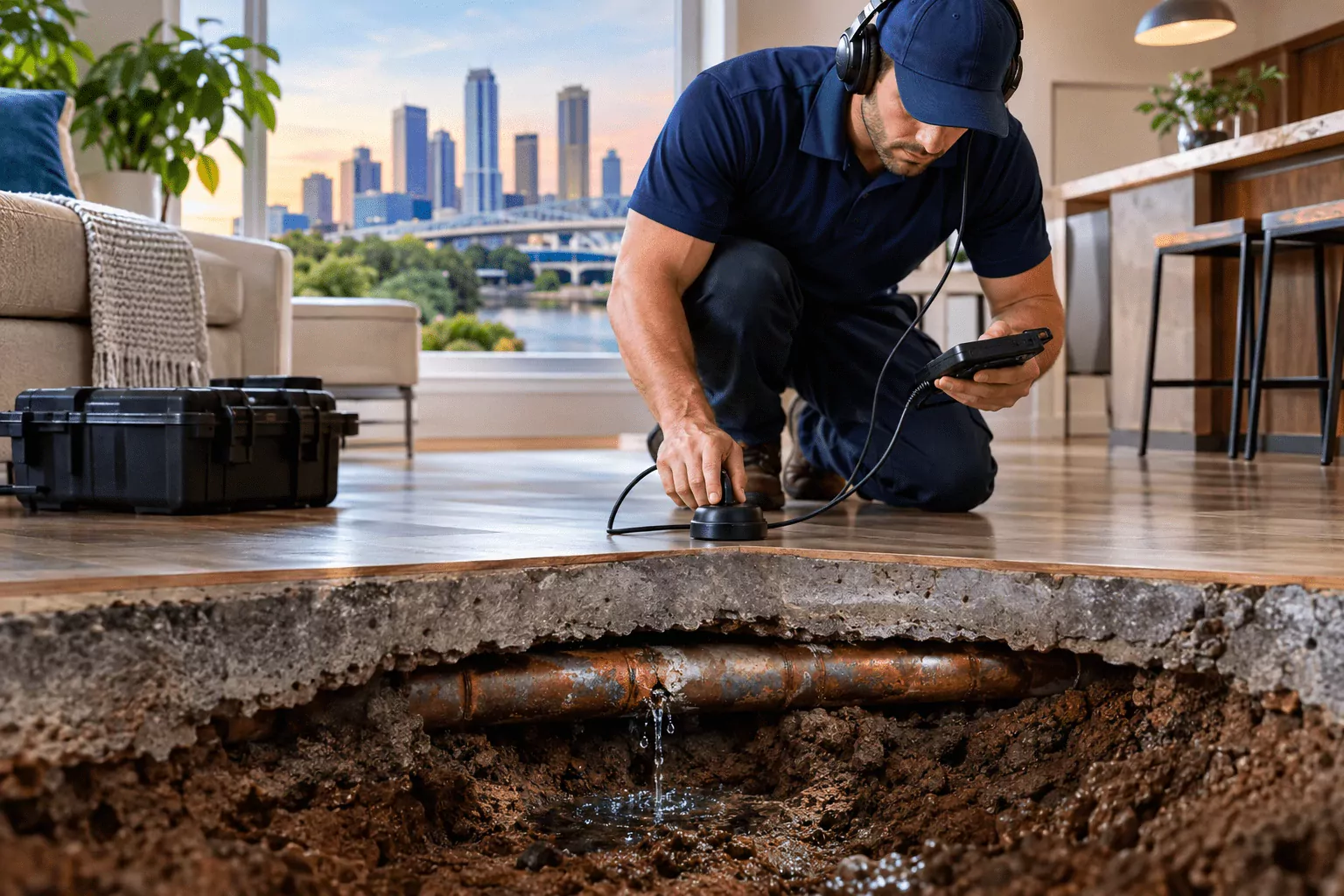
A hidden pipe leak beneath your home can waste water and damage flooring or the foundation before you see an obvious puddle. If you notice an unexplained increase in your water bill, warm flooring, or damp spots, it may be time to arrange slab leak detection Beaumont TX. These clues do not prove that a pipe beneath the slab is leaking, but they are worth investigating promptly. A qualified plumber can assess the symptoms and use appropriate testing to locate the source without relying on guesswork. This guide explains what to watch for, how detection typically works, and when to seek professional help. Acting early can help you understand the problem and choose a repair plan before damage spreads.
Warning signs that may point to a slab leak
A slab leak occurs when a water line beneath a concrete foundation develops a leak. Because the pipe is out of sight, the first clues often appear elsewhere in the home. You might notice a patch of flooring that feels unusually warm, especially if a hot-water line is involved. Damp carpet, unexplained moisture, or a persistent musty odor can also warrant a closer look. These signs have other possible causes, so a professional assessment is important before deciding on a repair.
Pay attention to changes in water use as well as visible moisture. A water bill that rises without a change in household habits may indicate a leak somewhere in the plumbing system. You can check whether the meter continues moving when all taps and water-using appliances are off, but this is only a preliminary clue and does not identify the leak's location. Listen for water sounds when the home is quiet, and note whether a toilet, faucet, or appliance could explain them. If the meter movement persists, arrange water leak detection Beaumont TX rather than waiting for a more dramatic symptom.
Cracks in flooring or walls may also prompt concern, but they do not automatically mean a slab leak. Soil movement, settling, temperature changes, and other building conditions can contribute to cracks. Look for a combination of signs, such as new moisture, a warm floor, and an unexplained bill increase, and record when each one appeared. Avoid covering damp areas or repeatedly drying them without finding the source. A clear timeline can help a plumber evaluate the situation more efficiently.
When to call for slab leak detection Beaumont TX
Call a plumber if you have persistent moisture, suspect a continuous leak, or see several warning signs that normal household use can't explain. Prompt under slab leak detection can help determine whether the source is beneath the foundation or somewhere more accessible. A professional may ask about warm or damp flooring, recent water bills, and whether symptoms change when you use fixtures. That information helps guide testing and reduces reliance on assumptions. For local plumbing assistance, see expert plumbing services in Beaumont.
Some situations call for faster action than others. If water is actively pooling, spreading across flooring, or entering an area near electrical equipment, prioritize safety and contact a qualified professional promptly. If you can safely reach the home's main water shutoff and suspect a significant leak, turning off the water may limit further loss while you arrange help. Do not enter standing water where electrical hazards may be present. When symptoms are mild but recurring, schedule an assessment rather than assuming they will resolve on their own.
It can be tempting to wait for certainty before calling, especially when a leak is hidden and the signs seem minor. However, moisture that remains trapped near flooring or building materials may create additional repair concerns over time. A plumber can check the plumbing system and explain whether further testing is appropriate. The findings may point to a slab leak, a fixture problem, or another source entirely. If you would like to discuss the symptoms and next steps, use the 409 Plumbing quote request.
How professional detection and repair decisions work
Professional detection generally starts with questions and a visual review of the affected areas. The plumber may check the water meter, isolate parts of the plumbing system, or use specialized equipment to narrow down the source. Methods vary according to the home, pipe layout, symptoms, and access conditions. The goal is to gather evidence before recommending a repair, not to assume every damp floor indicates a pipe beneath the slab. Ask the plumber to explain what the testing can establish and what remains uncertain.
Once a leak is located, the repair approach depends on the pipe's condition, its position, and the home's construction. Options may include accessing and repairing a specific section, rerouting a line, or considering other solutions suited to the findings. A recommendation for slab leak repair Beaumont TX should account for the likely cause, expected disruption, and the condition of nearby plumbing. Request a clear explanation of the proposed work, including how the repair will be verified. The International Association of Plumbing and Mechanical Officials offers information about plumbing codes and standards through IAPMO's plumbing resources.
For example, imagine a homeowner who notices a warm strip of tile near a bathroom and a higher-than-usual bill. Rather than removing flooring immediately, a plumber can first investigate whether the hot-water system is losing water and narrow down the affected area. Testing may reveal a leak under the slab, or it may identify a different source that requires a different fix. This kind of step-by-step assessment helps the homeowner understand the evidence and compare repair options. It is an illustrative example, not a guarantee that every home will require the same tests or solution.
Protecting your home while you arrange an assessment
While waiting for an appointment, document what you observe. Take dated photos of damp areas, note whether the floor feels warm, and keep recent water bills available for comparison. Record whether the symptoms change after using hot water or a particular fixture, but do not run water unnecessarily to reproduce a suspected leak. Move rugs or belongings away from wet spots if it is safe to do so. These details can help a plumber distinguish a persistent pattern from an isolated spill.
Keep people and pets away from areas where flooring is wet, loose, or visibly damaged. Do not cut into the slab or attempt to expose a pipe yourself, since that can create safety risks and complicate diagnosis. If you shut off the water, tell the plumber what you did and when, and avoid turning it back on repeatedly just to check for changes. For general information about healthier indoor environments and moisture concerns, consult the HUD Healthy Homes guidance. A plumber can help determine whether the moisture is related to plumbing and what should happen next.
After the source is addressed, ask what follow-up checks are recommended. Depending on the repair, that may include confirming the system holds pressure, checking for ongoing moisture, and discussing any affected finishes. If a home has recurring pipe concerns, a plumber can explain whether broader plumbing work should be considered rather than focusing only on one leak. For helpful background on plumbing projects during renovations, browse the 409 Plumbing blog or read about planning for repiping during a remodel. Follow-up guidance should be based on the actual inspection and repair performed.
Warm floors, unexplained water bills, persistent moisture, and unusual water sounds are reasons to investigate, even though none proves a slab leak on its own. Professional slab foundation leak repair planning should begin with accurate detection and a clear explanation of the findings. Keep notes, protect wet areas when safe, and avoid opening the slab before the source is confirmed. For homeowners seeking slab leak detection Beaumont TX, 409 Plumbing serves Beaumont, Orange, and Bridge City. Call 409-444-0066 or request service through the online quote form to discuss your concerns.
Frequently Asked Questions About Slab Leak Detection and Repair
What are the most common signs of a slab leak?
Common warning signs include unexplained water bill increases, warm flooring, damp spots, and water sounds when fixtures are off. Some homeowners also notice persistent odors or changes in flooring and nearby surfaces. None of these clues alone confirms a leak beneath the slab. A leaking fixture, appliance, roof, or other plumbing issue can produce similar symptoms. If signs persist or appear together, professional plumbing leak detection Beaumont TX can help identify the source.
Can I confirm a slab leak by checking my water meter?
A meter check can offer a useful first clue, but it cannot show where a leak is located. Turn off taps and water-using appliances, then observe the meter according to its instructions. If it continues to register use, there may be water flowing somewhere in the system. Check that toilets and appliances are not cycling before drawing a conclusion. A plumber can perform additional tests to determine whether the issue is beneath the slab or elsewhere.
Does every slab leak require breaking through the concrete?
No, the repair method depends on the leak's location, pipe condition, and the home's layout. A plumber may discuss direct access to a damaged section or other approaches, such as rerouting a line, when appropriate. Testing helps narrow down the problem before a repair plan is chosen. Ask about the expected disruption, how the work will be verified, and any follow-up steps. The best option is specific to the findings in your home.
How quickly should I call a plumber?
Contact a plumber promptly if you see spreading water, persistent dampness, a suspected continuous leak, or several symptoms at once. If water is near electrical equipment or creating an immediate safety concern, keep clear and seek appropriate help without delay. When symptoms are minor but recurring, do not rely on repeated drying or a temporary change in the water bill as proof the problem is gone. A professional can assess whether testing is needed and explain the urgency. Early evaluation can help you make informed decisions about limiting water loss and protecting affected areas.

Registered Master Plumber Texas State Board of Plumbing Examiners
RMP #44702
Licensed and Bonded
Cities Serviced
409 Plumbing
Follow Us On
© 2026 409 Plumbing. All Rights Reserved.
Website Design and Hosting Provided by LocalBizBuzz,co