
24 Hour Service
Call 409-444-0066
When to Call a Professional for a Water Heater Leaking in Vidor
Get clear signs and tips for homeowners in Vidor on when to hire a pro for leaking water heater issues.
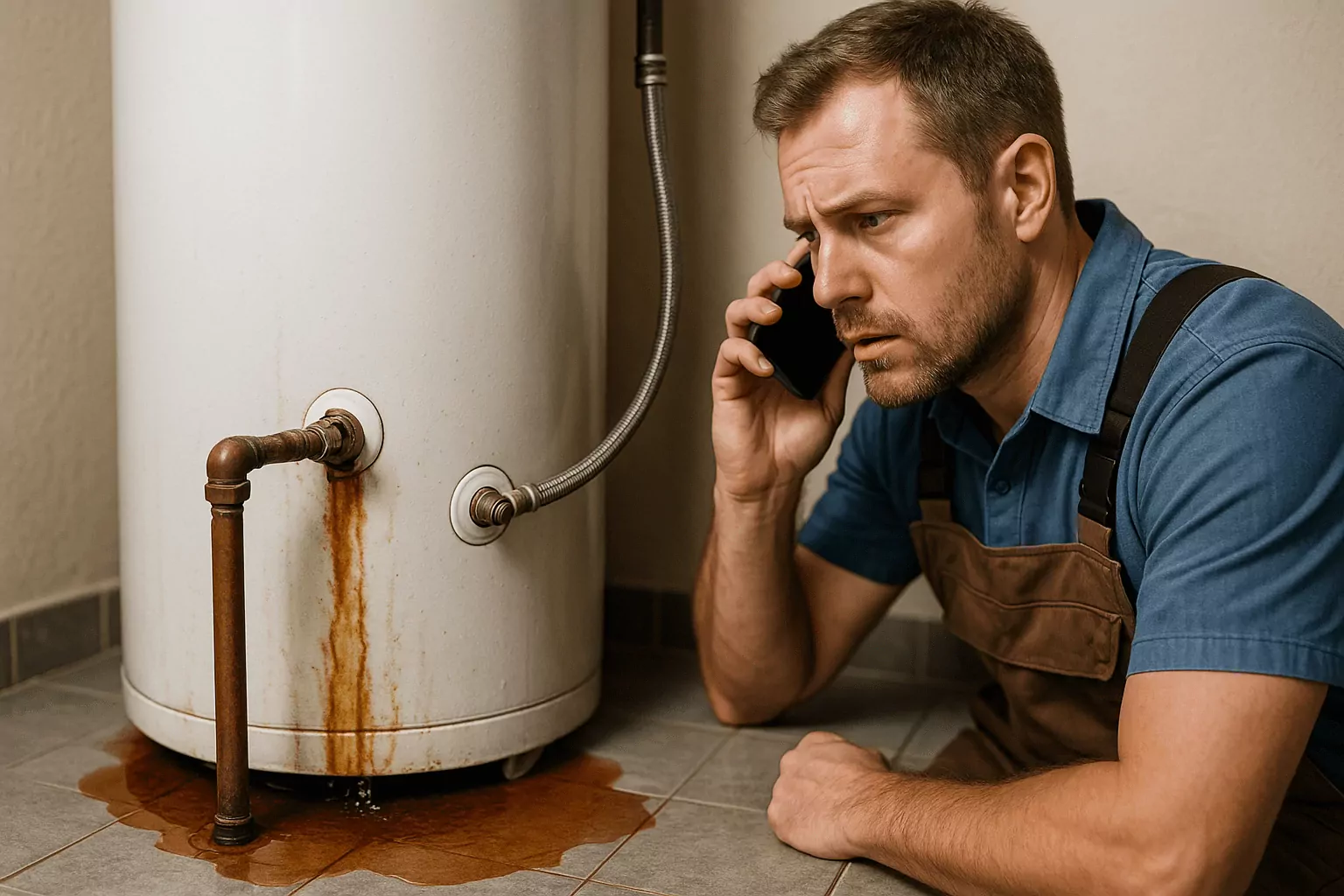
If you have discovered a water heater leaking in Vidor, quick action can protect your home from costly damage. Even a slow drip can warp flooring, stain drywall, and invite mold within days, so it pays to know when a situation is urgent. While some issues are minor, many leaks signal high-pressure conditions, corrosion, or failed safety devices that require a licensed plumber. In Vidor and the Greater Orange County area, local water quality, high humidity, and seasonal storms can make small leaks escalate faster. This guide explains the red flags, safety steps, and repair paths to help you decide when to bring in a pro. If you need immediate help for a water heater leaking Vidor, you will also find clear next steps and local resources. Use these tips to protect your family, your budget, and your hot water supply.
Urgent safety steps when you notice a water heater leaking in Vidor
Begin by making the area safe if you see pooling water or an active spray from the tank or connections. Turn off the cold water supply valve on top of the heater to stop new water from entering the tank, and if you cannot access it safely, close the main water shutoff to the home. For electric units, switch off the breaker at the panel to prevent electrical hazards, and for gas units, set the control to the off position to avoid combustion or carbon monoxide risks. If water is near outlets or appliances, keep your distance and avoid standing water to reduce shock risk. When in doubt, step away and call a professional immediately to assess the leak and secure utilities safely.
As you wait, contain water with towels, a wet vacuum, or a shallow pan under the drip if it is safe to do so. Move nearby belongings, especially cardboard boxes, fabrics, and electronics, to a dry area since Vidor's humidity can make moisture damage and mold spread quickly. If the tank is still hot, do not attempt to drain it unless a professional advises you to, because scalding water and steam are serious hazards. Make note of where the water appears to originate, such as at the top fittings, side valves, or the base of the tank, so you can share specifics with your plumber. Quick, careful steps can substantially reduce damage and help your technician diagnose the problem faster.
Diagnosing the source: when a water heater leaking in Vidor needs a pro
Some leaks clearly require expert attention due to safety or code concerns. A constantly discharging temperature and pressure (T&P) relief valve indicates high pressure, overheating, or a failed valve that must be evaluated to prevent tank rupture. Rusty water at the drain or seepage from the tank seam suggests internal corrosion, which usually means the tank has reached the end of its life and needs replacement. If the gas control valve or burner compartment is wet, do not relight the pilot; moisture and gas components are a dangerous mix that only a licensed pro should handle. For electric heaters, any water near wiring, elements, or junction boxes is a no-go for DIY, as even a small mistake can cause shock or fire.
It helps to identify the general source before you call, but do not disassemble parts beyond basic observation. Typical leak points include the cold inlet and hot outlet nipples, the anode rod port, the T&P valve and discharge pipe, the drain valve, and the tank body at the base. Each location points to different fixes: tightening or replacing nipples, installing a new drain valve, correcting thermal expansion, or replacing the tank. If your home has a closed plumbing system without an expansion tank, pressure spikes can drive repeated T&P discharge and leaks at fittings. A licensed plumber can test pressure, assess expansion needs, and confirm whether simple repairs or a system upgrade will solve the problem for the long term.
Local factors in the Golden Triangle that accelerate a water heater leaking in Vidor
Local conditions around Vidor, Orange, Beaumont, and Bridge City tend to stress water heaters in specific ways. Minerals and sediment can settle in the tank, creating hot spots that overheat surfaces and weaken the glass lining, which increases the risk of cracks and pinhole leaks. Seasonal storms and brief power outages can also disturb sediment and cause temperature swings that stress the tank and valves. High ambient humidity invites condensation on cooler tank surfaces, sometimes mistaken for a leak and other times worsening corrosion at fittings. If your heater is in an attic or interior closet common in Gulf Coast construction, even small leaks can travel far before they are seen, increasing drywall and ceiling damage.
Preventive maintenance tailored to our region is the best defense against surprise leaks. Annual flushing helps reduce sediment buildup, while inspecting the anode rod protects the tank from corrosion for years longer. Adding or verifying a thermal expansion tank can curb pressure spikes that force water past gaskets and safety valves. Installing a drain pan with a proper discharge line and an automatic leak detector provides early warning and controlled drainage. Ask your technician about code-compliant upgrades and local best practices that match how homes are built and supplied in the Golden Triangle.
Repair vs replace: smart choices for a water heater leaking in Vidor and what to expect from 409 Plumbing
Age is the first checkpoint when deciding whether to repair or replace a leaking unit. Most standard tank water heaters last 8 to 12 years, and leaks from the tank body usually mean replacement is the only safe option. If the leak stems from external components like the drain valve, nipples, or T&P valve, a targeted repair can restore safe operation at a lower cost. Consider your energy bills too, as upgrading to a high-efficiency or hybrid unit can reduce hot water costs and offset the investment over time. In many homes in Orange County, switching to a properly sized, high-efficiency model with an expansion tank and fresh shutoffs dramatically improves reliability and performance.
When you call 409 Plumbing, you can expect a clear, safety-first process from the first conversation to final cleanup. We begin with a quick phone assessment, then dispatch a licensed, insured technician to inspect the leak source, test pressure, and verify gas or electrical safety. You will receive straightforward options with transparent pricing, timelines, and code-compliant solutions, whether that is a same-day repair or a streamlined replacement. Our team stocks common valves, connectors, and pans to complete most repairs on the first visit, and we coordinate replacements quickly to limit downtime. We proudly serve Orange, Beaumont, and Bridge City, and we stand behind our work so you can get back to hot showers with peace of mind.
Knowing when to call a professional for a water heater leaking in Vidor can prevent property damage, protect your family, and save money over the long run. If you see repeated T&P discharge, corrosion at the base, wet gas controls, or water near electrical parts, stop and bring in a licensed expert. Local conditions in Orange, Beaumont, and Bridge City amplify risks from sediment, humidity, and storm-related power fluctuations, so tailored maintenance and timely repairs matter. Whether you need a small valve replacement or a full system upgrade, a pro can confirm the safest, most cost-effective path forward. For fast, local help, contact 409 Plumbing at 409-444-0066 for prompt service and peace of mind.
Resources About Water Heater Leaking
Frequently Asked Questions About Water Heater Leaking
Is a dripping T&P relief valve dangerous, or is it normal?
Occasional discharge from a T&P valve can occur, but consistent dripping or a steady stream is a red flag that needs attention. The valve protects your tank from excessive temperature and pressure, so frequent discharge suggests overheating, high pressure, or a failing valve. Because the T&P valve is a safety device, you should not cap or plug it under any circumstance. A licensed plumber can test system pressure, evaluate thermal expansion needs, and confirm if a new valve or expansion tank is required. For more on water heater safety, see the U.S. Department of Energy's guidance at energy.gov.
Can I still use hot water if my water heater is leaking?
It is best to stop using hot water until a professional can evaluate the system, especially if the source is unknown. Continued demand can worsen leaks, raise pressure, and in some cases cause scalding or electrical hazards. Turn off the water supply to the heater and shut off power or gas to eliminate risk while you wait for service. If the leak is from the tank itself, using the heater can accelerate failure and lead to significant water damage. When safety is uncertain, prioritize shutting the system down and contacting a licensed plumber for a prompt inspection.
What should I do before the plumber arrives to reduce damage?
First, shut off the water to the heater and turn off the power or gas supply if you can do so safely. Move belongings away from the area and use towels or a wet vacuum to contain water where possible. Avoid touching electrical components or outlets if water is present, and keep children and pets away from the space. Take a quick photo or note where the leak appears to be originating to help your technician diagnose the issue faster. If there is a musty smell or visible damp drywall, be prepared to ventilate and dry the area to reduce mold risks; see the CDC's tips at cdc.gov/mold for more guidance.
How much does it typically cost to fix a water heater leaking in Vidor?
Costs vary widely based on the source, age, and type of heater, as well as any code upgrades needed for safety. Minor fixes like replacing a drain valve or tightening fittings are generally more affordable than replacing a T&P valve and addressing thermal expansion. If the tank is leaking from the body or seam, replacement is the safe option and will cost more but also resets the clock on reliability and efficiency. Consider the total value, including reduced energy use, warranty protection, and prevention of future water damage. Your technician will provide a clear estimate after inspection so you can make a confident, informed decision.

Registered Master Plumber Texas State Board of Plumbing Examiners
RMP #44702
Licensed and Bonded
Cities Serviced
409 Plumbing
Follow Us On
© 2026 409 Plumbing. All Rights Reserved.
Website Design and Hosting Provided by LocalBizBuzz,co