
24 Hour Service
Call 409-444-0066
What to Expect During a Plumbing Inspection Before Your Remodel in Vidor TX
Prepare for your remodel in Vidor, TX by understanding the key steps and benefits of a plumbing inspection.
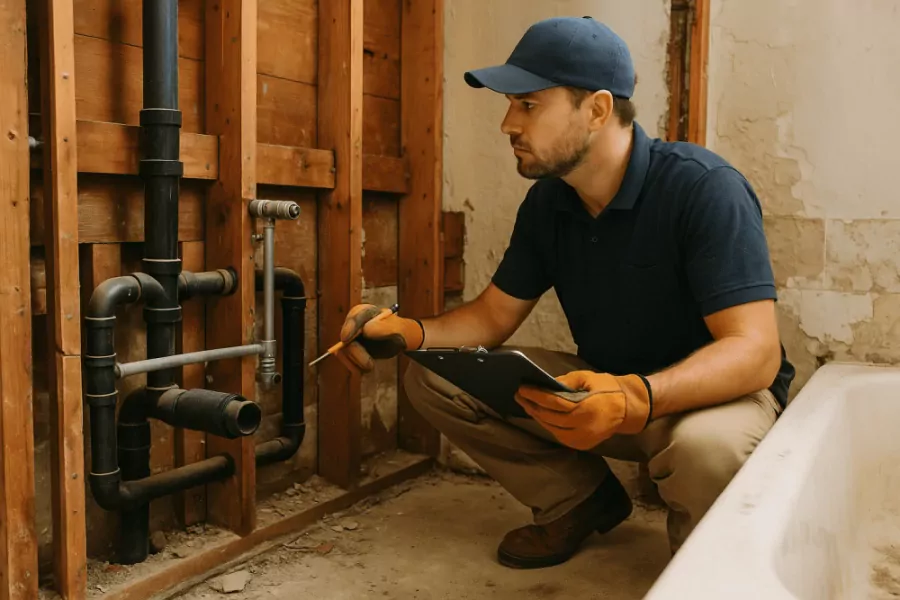
Embarking on a remodeling journey is an exciting venture for homeowners in Vidor, TX, but it also comes with its fair share of challenges. One crucial aspect that often gets overlooked is the plumbing inspection before remodel Vidor TX. Understanding what to expect during this inspection can save you from unexpected headaches and costly repairs down the line. A plumbing inspection ensures that your existing systems can accommodate your renovation plans and helps identify any underlying issues that may need attention. From outdated piping to improper drainage, knowing what to look for can make a significant difference in the success of your project. In this article, we will delve into the key components of a plumbing inspection and how it can set the stage for a smooth remodeling process.
1. The Importance of a Plumbing Inspection
A plumbing inspection is not merely a formality; it is a vital step in the remodeling process. It assesses the current state of your plumbing system, ensuring that everything is functioning correctly and is up to code. Without this inspection, you risk discovering serious plumbing issues after the remodel is completed, which can lead to costly repairs and significant inconveniences. For instance, if your existing pipes are corroded or too small to handle increased water flow, you may face leaks or inadequate water pressure once your remodel is complete.
Furthermore, a plumbing inspection can help you avoid potential legal issues. Many municipalities, including those in Texas, require that plumbing work meets specific codes and standards. By having a professional inspect your plumbing before remodeling, you can ensure that you comply with local regulations, reducing the risk of fines or having to redo work.
Moreover, this inspection can highlight opportunities for upgrades. If your plumbing is outdated, a remodel might be the perfect time to consider modern solutions, such as energy-efficient fixtures or tankless water heaters, which can save you money in the long run.
2. Common Issues Identified During Inspections
During a plumbing inspection, professionals look for several common issues that could affect your remodel. One of the most frequently encountered problems is outdated piping materials. For example, older homes may still have galvanized pipes, which can corrode over time and lead to leaks or water quality issues. If your home has such pipes, a remodel could provide the perfect opportunity to replace them with modern, durable materials.
Another common issue is the condition of your drainage system. Slow drains or frequent clogs can indicate underlying problems that must be addressed before any remodeling work begins. A plumber will thoroughly evaluate your drainage to determine if it can handle the increased demands of your remodel.
Additionally, improper venting and sewer line issues can also be discovered during an inspection. If the venting system isn't adequate, it can lead to sewer gas smells or drainage problems. Identifying these issues in advance can save you from significant headaches during and after your renovation.
3. Preparing for the Plumbing Inspection
Preparation is key to ensuring a successful plumbing inspection. Start by clearing access to areas where plumbing is located, such as under sinks, along walls, and in basements or crawl spaces. This allows the inspector to perform a thorough examination without obstacles. Additionally, make sure to gather any relevant documents, such as past plumbing work records or warranties for fixtures, as these can provide helpful context during the inspection.
It's also advisable to communicate your remodeling plans to the inspector. By understanding your goals, they can tailor the inspection to address any specific concerns related to your remodel. For example, if you plan to add new bathrooms, the inspector can pay particular attention to your water supply and drainage systems to ensure they can accommodate the additional load.
Finally, be prepared to ask questions. The inspection is an excellent opportunity to gain insights from a professional about your plumbing system and what it can handle. Use this time to discuss potential upgrades or issues that may arise during your remodeling project.
4. Choosing the Right Professionals for Your Plumbing Inspection
Selecting the right plumbing professional is crucial for an effective inspection. Start by looking for licensed plumbers who have experience in home remodeling inspections. Check their credentials and ensure they are in good standing with the Texas State Board of Plumbing Examiners. This verifies they possess the necessary training and knowledge to conduct a thorough inspection.
Additionally, seek recommendations from friends or family who have undergone similar renovations. Online reviews can also provide insight into a plumber's reputation and reliability. When interviewing potential candidates, ask about their experience with plumbing inspections specifically related to remodels. See the U.S. Environmental Protection Agency - Plumbing for additional guidance.
Finally, ensure the plumber offers detailed reports after the inspection. A comprehensive report should outline any issues found, recommended solutions, and potential costs associated with repairs. This documentation can be invaluable as you plan your remodeling project.
Understanding what to expect during a plumbing inspection before remodel Vidor TX is crucial for ensuring a successful renovation project. By recognizing the importance of this inspection, being aware of common issues, and preparing adequately, you can set your project up for success. Choosing the right professionals to conduct the inspection will provide you with the confidence that your plumbing system is ready for the changes ahead. If you are ready to get started on your remodeling journey, contact 409 Plumbing at 409-444-0066 or visit our Request a Quote page for assistance today! For more tips and insights, check out our Blog or explore our Full list of Remodeling Plumbing Services in Vidor, TX.
Frequently Asked Questions About Plumbing Inspection Before Remodel
What should I do if my plumbing inspection reveals issues?
If your plumbing inspection uncovers issues, it is essential to address them before proceeding with your remodel. Consult with your plumber to understand the nature of the problems and the best course of action. They may recommend repairs, replacements, or updates to ensure your plumbing can handle your remodeling plans. Taking care of these issues upfront can save you time and money in the long run.
How long does a plumbing inspection take?
The duration of a plumbing inspection can vary based on the size of your home and the complexity of your plumbing system. Typically, an inspection can take anywhere from 30 minutes to a few hours. It's best to allow ample time for a thorough evaluation, especially if you have multiple bathrooms or complex plumbing systems.
Can I perform a plumbing inspection myself?
While homeowners can visually inspect some aspects of their plumbing, it is best to hire a qualified professional for a comprehensive plumbing inspection. Professionals have the training, tools, and expertise to identify issues that may not be visible to the untrained eye. They can also provide recommendations based on local building codes and regulations.
What is the cost of a plumbing inspection?
The cost of a plumbing inspection can vary based on several factors, including the size of your home and the complexity of your plumbing system. On average, homeowners can expect to pay between $100 and $300 for a professional inspection. Investing in this service can save you money in the long run by identifying potential issues before they escalate.
Registered Master Plumber Texas State Board of Plumbing Examiners
RMP #44702
Licensed and Bonded
Cities Serviced
409 Plumbing
Follow Us On
© 2026 409 Plumbing. All Rights Reserved.
Website Design and Hosting Provided by LocalBizBuzz,co