
24 Hour Service
Call 409-444-0066
Top Tips for Water Heater Sediment Removal
in Beaumont to Improve Performance
Effective strategies for homeowners in Beaumont to clear water heater sediment and boost efficiency.
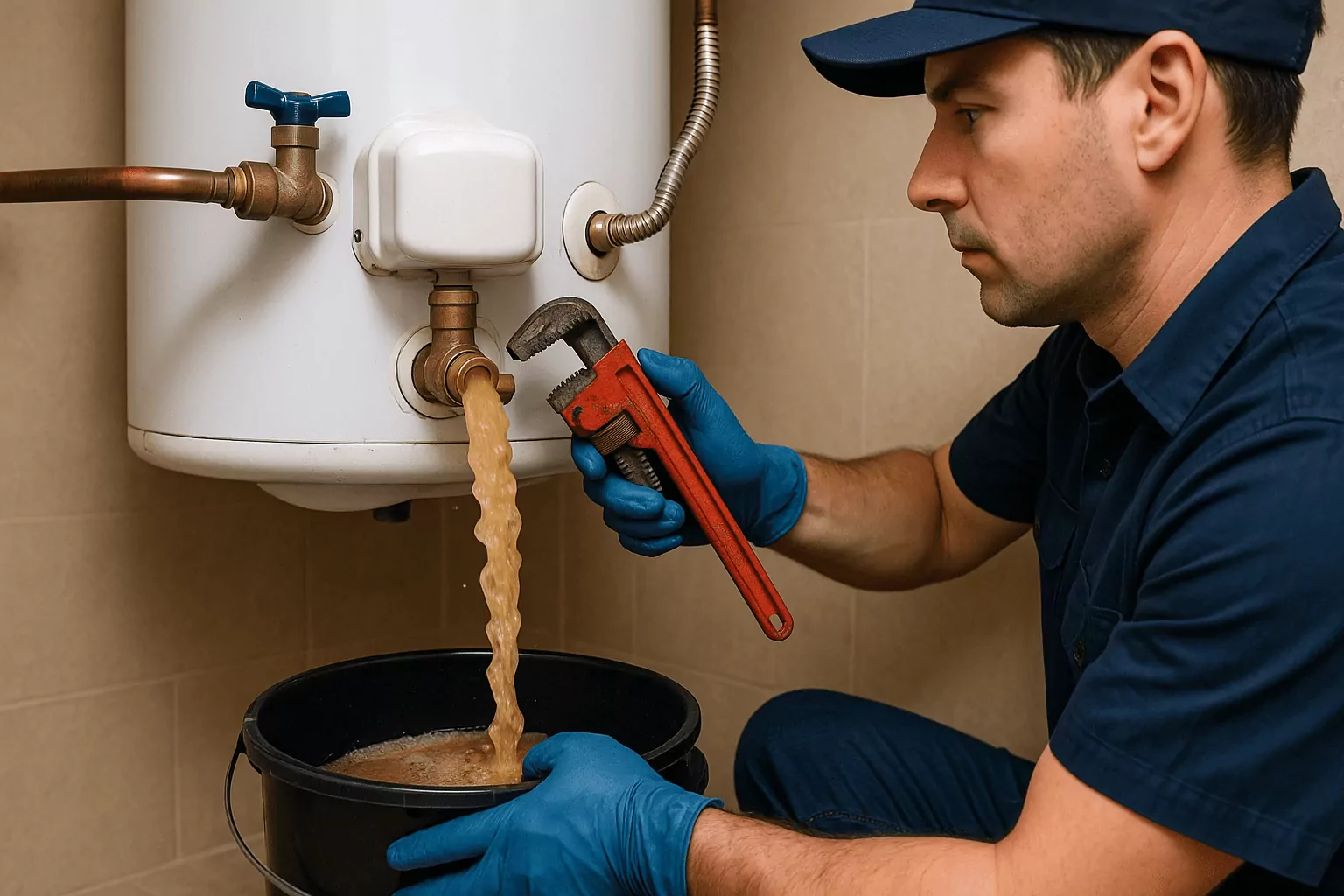
Hard water and seasonal temperature swings make water heater sediment removal Beaumont homeowners face a recurring maintenance priority. When minerals and sand settle in the tank, efficiency drops, energy bills rise, and hot water runs out faster than it should. To keep your system running smoothly, your plan should combine regular flushing, targeted descaling, and proactive part checks. Local residents in Beaumont, Orange, and Bridge City can stretch the life of their heaters by following a proven schedule and knowing when to call a pro. If you need a simple place to start, this guide explains tools, safety steps, and the best timing for service. For quick navigation or to schedule help, tap this link now: water heater sediment removal Beaumont.
Why water heater sediment removal Beaumont homeowners prioritize
Beaumont and the surrounding Golden Triangle experience hard water that deposits calcium and magnesium inside water heater tanks. Over time, this grit compacts into a dense layer that forces your heater to work longer to produce the same hot water. Common signs include rumbling or popping sounds, lukewarm showers, and a drain valve that clogs when you try to flush. You may also see cloudy water or a spike in energy usage that does not match your household habits. Left unchecked, sediment can overheat the bottom of the tank and accelerate wear on the lining, risking leaks and emergency replacements.
We often see a predictable pattern across Southeast Texas homes, especially those on older plumbing or with high-demand families. For example, a Beaumont household with three teens reported 15-minute showers cooling too quickly, and a simple flush removed several quarts of sand-like debris. In Orange, a homeowner noticed the gas burner cycling noisily; a descaling rinse and new anode rod restored quiet operation and faster heat-up. Bridge City customers tend to call after noticing higher bills during summer, when mineral scale builds faster as incoming water warms. In each case, routine sediment removal reversed the trend, reduced utility costs, and extended the system's service life.
Step-by-step water heater sediment removal Beaumont guide
Start by gathering the right tools and confirming basic safety steps so you can flush sediment without risk. Turn off power at the breaker for electric heaters or set gas control to pilot for gas units, and close the cold-water supply valve. Attach a garden hose to the drain valve and run it outdoors or to a floor drain where hot water will not cause damage. Carefully open the temperature and pressure relief valve to break the vacuum, then open the drain valve to let hot water and sediment flow. Once the tank is mostly empty, briefly open the cold supply to stir up remaining debris until the water runs clear.
For heavy buildup, consider a targeted rinse to dislodge compacted material at the tank bottom. With the power off and tank drained, remove the cold supply nipple and use a short hose to pulse fresh water downward, which helps float grit toward the drain. If your drain valve is clogged, a wet-dry vacuum with a reducer can help pull out pebbles and silt from the valve opening. A mild descaling rinse using a few cups of white vinegar allowed to sit for 20 to 30 minutes can soften mineral layers before a final flush. Always finish by refilling the tank fully, purging air through a hot-water faucet until the flow is steady, and then restoring power or relighting according to the manufacturer.
If you are unsure about gas safety or notice rust on fittings, it is smart to bring in a licensed local plumber. Professional service includes inspecting the anode rod, testing the temperature and pressure relief valve, and checking for combustion or wiring issues. A complete tune-up typically improves recovery time and can expose small issues before they become leaks. For convenient professional help, see our water heater services or schedule service with a quick call. You can also review seasonal care checklists on the U.S. Department of Energy site for context on savings and performance at Energy.gov Water Heating.
Preventive maintenance beyond water heater sediment removal Beaumont
The best results come from pairing routine flushing with preventive upgrades that slow future buildup. Inspect the anode rod every 1 to 2 years; replacing a depleted rod protects the tank lining from corrosion and helps reduce scaling reactions. Consider adding a whole-home water softener or a scale-inhibiting filter to combat Beaumont's mineral content and keep elements cleaner. Annual thermostat checks, burner cleaning for gas units, and electrical connection inspections for electric units also promote steady efficiency. For manufacturer-specific steps, consult guides like Rheem water heater maintenance or your model's manual to follow approved procedures.
Local case studies show that prevention pays off quickly. A Bridge City couple installed a scale filter and set a six-month flush reminder, cutting tank noise and trimming about 12 percent from their utility costs. In Orange, a landlord added a quick-flush drain kit and trained tenants to report rumbling early, preventing mid-lease outages and costly weekend calls. Beaumont homeowners who combine flushing, anode rod checks, and water treatment often gain several extra years from their tanks. To plan your maintenance calendar, bookmark our blog for seasonal tips or call for a tailored schedule that fits your household size and water usage.
Staying ahead of buildup with regular flushing, smart descaling, and preventive upgrades keeps your hot water steady and your energy costs in check. For most households, a 6 to 12 month schedule is enough, but listen for rumbling and watch for temperature swings as early cues. When you need help, 409 Plumbing provides prompt service across Orange, Beaumont, and Bridge City with solutions tailored to local water conditions. Our licensed pros handle everything from basic sediment removal to anode rod replacement and leak prevention. Call 409 Plumbing at 409-444-0066 to book service today. For fast scheduling and expert guidance, request an appointment through our contact form or learn more on our water heater services page.
Frequently Asked Questions About Water Heater Sediment Removal
How often should I perform water heater sediment removal in Beaumont?
Most Beaumont homes benefit from a full flush every 6 to 12 months, depending on water hardness and hot-water demand. Larger families, or homes with spa tubs and frequent laundry loads, tend to need shorter intervals. If you hear popping noises or notice shorter showers, schedule a flush sooner to avoid overheating and wasted energy. Adding a scale-reduction filter or softener can stretch the interval while keeping heating elements cleaner. Track results by noting sediment volume after each flush and adjust frequency as needed for your system.
Is DIY flushing safe for gas and electric heaters, or should I call a pro?
DIY flushing is safe if you follow basic steps: power off or set gas to pilot, let the tank cool, and use hoses rated for hot water. The riskiest moments are at the drain valve and around gas components, so proceed slowly and avoid forcing stuck fittings. If you smell gas, see scorch marks, or find a leaking valve, stop and call a licensed plumber. Pros can also replace anode rods, clear clogged drains without damage, and verify combustion or electrical safety. When time is tight, a professional tune-up often pays for itself through reduced energy use and fewer emergency repairs.
What if I have a tankless unit or a hybrid heat pump water heater?
Tankless models need periodic descaling rather than traditional tank flushing, especially in hard-water regions like Beaumont. The typical process circulates a descaling solution, often food-grade vinegar, through the heat exchanger for 45 to 60 minutes. Manufacturers specify flow direction and connection points, so always follow your model's instructions. Hybrid heat pump water heaters still benefit from sediment checks on the condensate line, drain pan, and any prefilters. If you prefer not to handle hoses and pumps, schedule a maintenance visit to ensure the right procedure and protect your warranty.

Registered Master Plumber Texas State Board of Plumbing Examiners
RMP #44702
Licensed and Bonded
Cities Serviced
409 Plumbing
Follow Us On
© 2026 409 Plumbing. All Rights Reserved.
Website Design and Hosting Provided by LocalBizBuzz,co