
24 Hour Service
Call 409-444-0066
Top Tips for Sewer Stoppage Repair in Orange:
What Homeowners Need to Know
Essential strategies for homeowners in Orange to fix sewer stoppages quickly and effectively, saving time and money.
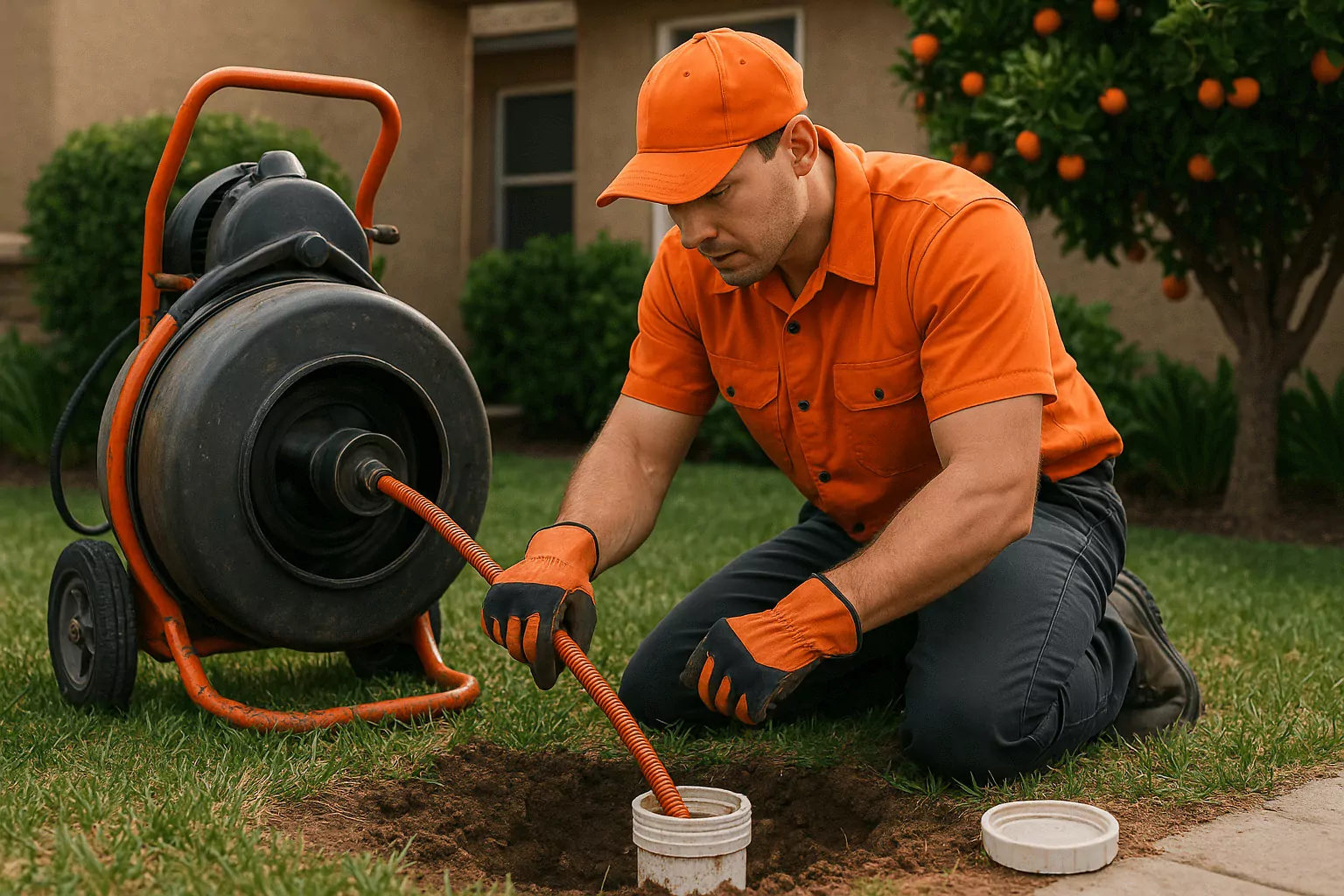
Sewer backups can turn an ordinary day into a costly emergency, and homeowners in Orange, TX know how quickly heavy rain and aging lines can tip the scales. If you are searching for help with sewer stoppage repair Orange, you are already taking a smart first step toward protecting your home and health. This guide breaks down the causes, warning signs, and step-by-step solutions for preventing and resolving sewer stoppages, with local insights for Orange, Beaumont, and Bridge City. We will cover early indicators, safe DIY actions, professional tools like camera inspections and hydro jetting, and long-term maintenance plans. Along the way, look for real case examples from Southeast Texas neighborhoods and tips tailored to clay soils, mature tree roots, and flat yard grades that are common in our area. For quick navigation, you can start with our info here: sewer stoppage repair Orange, and jump to related services and contact options as needed.
Understanding causes and early warning signs for sewer stoppage repair Orange
Most sewer stoppages in Orange start small and escalate as grease, wipes, paper products, and roots accumulate inside the line. Homes with older cast iron or clay pipes are especially vulnerable because joints can separate and invite root intrusion from live oaks and pines. After days of heavy Gulf Coast rain, groundwater can infiltrate cracks and push debris to low points, triggering sudden backups. Early signs include gurgling drains, floor drains that bubble when the washing machine drains, and slow toilets across multiple bathrooms. If more than one fixture drains slowly or backs up at once, you are likely dealing with a main line problem rather than a single fixture clog.
One recent example from a West Orange homeowner started with bathtub gurgling and a faint sewer odor near a cleanout in the flower bed. Within 48 hours, laundry cycles caused the first-floor shower to overflow, confirming a main line restriction. A quick camera inspection revealed matted roots and a slight belly in the pipe near the street, which explained why backups spiked after rain. Addressing the clog early avoided sewage reaching the living areas and allowed a targeted fix rather than an emergency overhaul. Spotting these clues early gives you a chance to act before water damage and cleanup costs skyrocket.
Smart DIY safeguards and when to call the pros for sewer stoppage repair Orange
If you notice warning signs, your first step is to reduce water use so the system can catch up and avoid forcing sewage back inside. Check your outdoor cleanout if you have one; removing the cap carefully can relieve pressure and may divert overflow outside rather than into tubs or showers. Try a flange plunger on toilets and a cup plunger on sinks, but avoid chemical drain openers that can damage older pipes and create hazardous conditions for plumbers. Enzyme or bacterial cleaners can help with organic buildup over time, but they will not cut through dense roots or solid obstructions. If multiple drains remain slow or you see sewage at a floor drain, it is time to call a professional.
In a Beaumont rental duplex, the owner attempted repeated plunging and a store-bought auger but the relief was temporary and the clog returned within days. A licensed technician used a camera to confirm that a wad of wipes had snagged on a rough cast iron joint, and roots had wrapped the mass like a net. A sectional cable machine broke the obstruction, and a follow-up hydro jet cleared residue off the walls, restoring full flow. The difference came down to diagnostic certainty and the right tool for the material and pipe condition. Knowing when to shift from DIY to pro intervention protects your home and keeps you from turning a small clog into a line break.
Professional diagnosis and repair methods for sewer stoppage repair Orange
Professional sewer stoppage repair in Orange often starts with a video camera inspection to pinpoint the blockage and evaluate pipe material and integrity. Technicians can see whether the issue is soft debris, grease, wipes, scale buildup, offset joints, or full-on root intrusion. For soft clogs and grease, cable snaking may restore flow, but for heavy scale and roots, hydro jetting provides a more thorough wall-to-wall clean. If damage or a pipe belly appears, spot repairs may be recommended to prevent recurring stoppages. Accurate diagnostics ensure you pay for the right fix instead of repeated band-aids.
In Bridge City, a homeowner near a canal experienced backups after each major storm despite annual snaking. A camera revealed a sag in the pipe where silt settled, acting like a debris trap after rain. The solution combined targeted hydro jetting to remove compacted silt and a short pipe replacement to correct the grade at the low spot. After the repair, the line passed a final camera inspection and the home has been backup-free through multiple rain events. For health and safety guidance during sewage events, consult the CDC on wastewater overflows at this page, and for infrastructure context, see the EPA information on sanitary sewer overflows at this resource.
Preventive maintenance plans and local considerations in Orange, Beaumont, and Bridge City
Prevention starts with everyday habits: discard grease in the trash, avoid flushing wipes or hygiene products, and install hair catchers. Schedule proactive drain cleaning and camera inspections annually if your home has mature trees, older lines, or a history of backups. Consider a maintenance plan that alternates between light jetting and enzyme treatments to keep lines clear without harsh chemicals. If you plan hardscape or landscaping projects, call 811 and protect the sewer lateral from heavy loads or root planting in the alignment. Local soil conditions and rainfall patterns make it wise to verify that yard grading and sump discharge do not push water toward your cleanout and line path.
For homeowners seeking a reliable schedule, combine seasonal checks with a service log that tracks symptoms and work performed. If you have questions about city-side responsibilities or permits, the City of Orange Public Works information is a helpful starting point at this link. To explore professional drain cleaning or video inspection options, visit our services page. If a warning sign pops up, you can request service right away or learn more tips on our blog. Thoughtful maintenance and quick action together reduce risk, control costs, and extend the life of your sewer line.
Sewer problems rarely fix themselves, and the fastest path to a safe, cost-effective solution is early detection and decisive action. From recognizing gurgling drains and sewer odors to scheduling a camera inspection, small steps can prevent messy backups and protect property value. The right combination of diagnostics, targeted cleaning, and, if needed, spot repair can resolve most issues tied to roots, grease, scale, or minor structural defects. Homeowners in Orange, Beaumont, and Bridge City benefit from plans that blend good daily habits with periodic professional maintenance. For trusted help, contact 409 Plumbing at 409-444-0066, and we will guide you from the first signs to full resolution.
Get expert diagnostics, hydro jetting, and maintenance from 409 Plumbing to protect your home. To explore solutions, visit our services page, schedule help via our contact form, or learn more on our blog. Serving Orange, Beaumont, and Bridge City with responsive, local expertise and proven results.
Frequently Asked Questions About Sewage Stoppage Repair
What are the most common causes of sewer stoppages in Orange, TX?
The most frequent causes include grease buildup, wipes and non-flushable items, and root intrusion through aging or offset joints. In Southeast Texas, heavy rainfall can push groundwater and silt into minor defects, turning small partial clogs into full backups. Older cast iron and clay laterals tend to scale or crack over time, which creates snag points for debris. Homes with multiple large trees, especially oaks and pines, are more likely to see root infiltration at joints. Improper yard grading and collapsed sections can also create bellies that collect solids after storms, triggering repeated stoppages.
How quickly should I act when I notice a sewer backup starting?
Act immediately to minimize damage and health risks by reducing water usage and checking the cleanout if accessible. If wastewater has reached a tub, shower, or floor drain, stop laundry, dishwashers, and showers to prevent further overflow. Avoid using chemical drain openers, which can be harmful to pipes and to anyone servicing your line. Document what fixtures are backing up and when, as this helps a professional find the problem faster. Call a licensed plumber promptly if more than one fixture is affected, since that typically points to a main line issue that needs professional equipment.
Is hydro jetting safe for older sewer pipes?
When performed by a trained technician after a camera inspection, hydro jetting is generally safe and highly effective, even for many older lines. The key is matching pressure, nozzle type, and technique to the pipe material and condition identified on video. If the camera shows severe corrosion, cracks, or a fragile section, a professional may choose gentler cleaning or recommend spot repair first. Hydro jetting excels at removing grease, scale, and roots while restoring pipe diameter more completely than basic snaking. With the right approach, it can reduce repeat clogs and improve flow without compromising structural integrity.
What does a camera inspection reveal and why is it important?
A camera inspection shows the exact condition and location of issues inside the sewer line, from debris type to structural defects. It can identify whether you are dealing with grease, wipes, roots, scale, bellies, or joint offsets, and it maps how far those are from the cleanout. This clarity ensures the technician chooses the most effective remedy, whether snaking, hydro jetting, or a targeted repair. It also provides before-and-after documentation to confirm that the blockage is removed and the line is flowing properly. Finally, the footage can inform maintenance plans to prevent future problems, saving you money and stress over time.
Registered Master Plumber Texas State Board of Plumbing Examiners
RMP #44702
Licensed and Bonded
Cities Serviced
409 Plumbing
Follow Us On
© 2026 409 Plumbing. All Rights Reserved.
Website Design and Hosting Provided by LocalBizBuzz,co