
24 Hour Service
Call 409-444-0066
Top Tips for Sewer Leak Repair Beaumont:
How to Prevent Major Damage
Practical advice for Beaumont homeowners to fix sewer leaks quickly and avoid costly property damage.
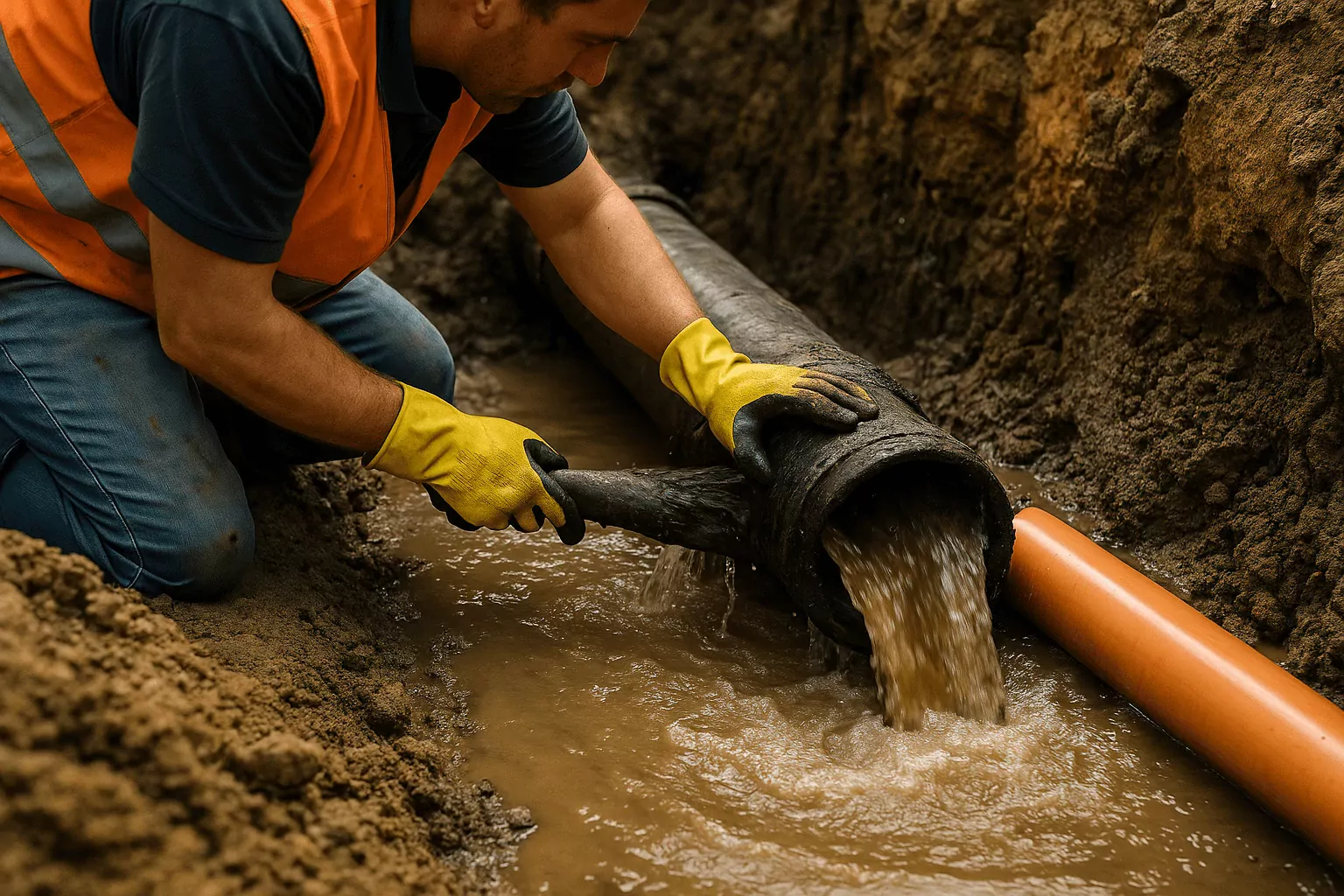
Sewer leaks can escalate faster than most homeowners expect, especially in Southeast Texas where shifting soils and heavy rains are common. If you are researching sewer leak repair Beaumont options, you are already taking a smart first step toward protecting your home and avoiding costly structural or landscaping damage. This guide explains the early warning signs to watch for, the best diagnostic tools, and proven repair methods that work for our local soil and climate. You will also learn proactive maintenance steps that reduce risk, extend pipe life, and keep wastewater flowing safely away from your property. We include local examples, practical checklists, and expert insights so you can act with confidence and minimize disruption. For a quick start or immediate help, explore sewer leak repair Beaumont resources and connect with a licensed team when issues arise.
1. Early warning signs and diagnostics for sewer leak repair Beaumont
Small clues often signal big trouble ahead, and spotting them early can save days of mess and thousands in repairs. Pay attention to slow drains that return even after basic snaking, gurgling sounds from toilets after showers, or foul sewer gas odors in bathrooms and near exterior cleanouts. Outdoors, a soggy patch of lawn that never dries, unusually green stripes over the sewer path, or sinking pavers can point to exfiltration or infiltration. Inside, basement or slab cracks, pest activity, or intermittent backups during rain can indicate groundwater entering a compromised line. When multiple fixtures misbehave at once, think building drain or sewer line, not just a single fixture trap or branch line.
Professional diagnostics reduce guesswork and prevent unnecessary digging, which is essential for accurate sewer leak repair Beaumont work. A sewer camera inspection maps the inside of the line, revealing cracks, offsets, tree root intrusion, corrosion, and bellies where debris collects. Smoke testing can pinpoint hidden leaks that let sewer gas escape into walls or landscaping, while hydrostatic testing verifies whether the system holds pressure without loss. Line locating technology marks the exact path and depth, helping plan open-cut strategies and avoid utilities. For context on community impacts from failing sewers, see the U.S. EPA overview of sanitary sewer overflows at epa.gov, which underscores the value of timely repairs.
A recent local example involved a Beaumont homeowner who noticed lush grass streaks along a fence line and backups after downpours. A camera inspection revealed an offset clay joint with root intrusion and a minor belly that trapped wipes and grease residues. Using hydro jetting to clear the blockage, technicians performed a targeted spot repair, replacing a short damaged section and correcting the grade to restore proper flow. The homeowner avoided a full yard excavation, and a post-repair video documented the restored condition for insurance and resale records. This focused, data-driven approach is the gold standard for minimizing disruption while solving the core problem quickly.
2. Choosing the right repair method in Beaumont soil and weather conditions
Selecting the best repair method starts with pipe material, defect type, depth, and site access, all of which matter in the Gulf Coast climate. Traditional open-cut excavation is sometimes the most direct fix for collapsed segments or severe sags that need regrading. Beaumont's expansive clays and stormwater loads make maintaining proper fall and watertight joints vital for long-term performance. A qualified plumber will weigh leak location, soil movement history, and groundwater to recommend a durable, code-compliant solution.
Spot repairs are cost-effective for isolated defects, especially where camera footage shows otherwise sound pipe upstream and downstream. Each method has trade-offs in curing time, access needs, and suitability for severe bellies or sharp bends, which a thorough inspection will clarify. For broader industry perspective, the American Society of Civil Engineers highlights aging wastewater infrastructure challenges nationwide at infrastructurereportcard.org.
Consider an Orange, TX duplex that experienced frequent backups under a slab corridor connecting two baths. The camera located multiple root intrusions in an old cast-iron segment and a minor offset under a finished floor. The contractor completed a post-installation camera pass and pressure test, providing footage and a written warranty for the owner's records. The data-driven planning and execution delivered speed, reliability, and minimal disruption to tenants.
3. Prevention strategies to reduce future sewer line leaks in Beaumont
Preventive maintenance is the most budget-friendly approach to avoiding emergencies and preserving home value. Schedule a sewer camera inspection annually or after any significant backup to catch developing issues early. Hydro jetting every 18 to 36 months, depending on usage and tree cover, helps remove grease, scale, and roots that can wedge joints apart. Use enzyme-based drain care and install hair catchers, but avoid harsh chemicals that can damage older pipe materials. Be mindful of what goes down the drain, keeping grease, wipes, and fibrous food scraps out of the system to reduce clogs and pressure spikes.
Protect your yard's drainage and grading to stabilize soils around the sewer path, especially in the wet months. Maintain clear swales and gutters so stormwater does not saturate the trench line and accelerate soil movement. If your property has a backwater valve, test it seasonally and keep an accessible cleanout for quick service during heavy rains. Consider root barriers or periodic root control treatments if large trees are near the line, and consult a pro on safe, code-compliant methods. After major storms or flooding, a quick camera survey can confirm the system's integrity and catch minor separations before they worsen.
Turn prevention into a simple routine and document everything, which helps with insurance and future resale disclosures. Keep dated camera videos, service invoices, and a site sketch showing your sewer route and cleanouts for fast troubleshooting. For an in-depth look at inspections, consider proactive maintenance from our services team. If you notice new warning signs, do not wait for a full backup before scheduling diagnostics with a licensed professional. A small investment in maintenance beats the cost, stress, and downtime of emergency excavation every time.
4. Cost, permits, and timing: What Beaumont homeowners should expect from sewer leak repair Beaumont
Costs vary based on defect type, pipe length and depth, site access, and the chosen repair method. Expect your contractor to perform a camera inspection first, then provide a written scope with footage and a line map. In many cases, emergency spot repairs can be completed the same day. Clear communication on scope, schedule, and warranties is essential to set expectations and keep the project on track.
Permits and inspections help ensure safety and code compliance, especially when work ties into municipal mains or crosses right-of-way. Your plumber should coordinate utility locates, secure necessary approvals, and schedule required inspections in the proper sequence. Plan around weather windows when possible, since saturated soils can complicate excavation and settlement. Homeowners' associations may have rules on surface restoration and access, which should be reviewed in advance. For questions or to coordinate a streamlined project, contact our team directly via our contact form for guidance.
Working with a local, licensed contractor ensures familiarity with soil conditions, code requirements, and proven materials that last in Southeast Texas. Ask for a post-repair camera video, a written warranty, and a clear maintenance plan tailored to your property. Keep records of all work and dates, which can help with insurance, appraisal, and future sale disclosures. If you need a fast assessment and fair options, call 409 Plumbing at 409-444-0066 or explore our services to get started today. Transparent pricing, documented diagnostics, and thoughtful planning protect both your budget and your property.
Protecting your property from sewer leaks comes down to early detection, data-driven diagnostics, and the right repair method for our soil and climate. By watching for warning signs and investing in camera inspections, you can minimize disruption and cost. A practical maintenance plan with routine jetting, good drainage, and smart disposal habits goes a long way in preventing future leaks. When action is needed, insist on clear footage, written scopes, and warranties that reflect quality workmanship. With the right team and plan, you can restore flow, safeguard your foundation, and keep your yard and home in top shape.
If you need reliable local help now, contact 409 Plumbing at 409-444-0066 or visit our contact form to schedule service. We proudly serve Orange, Beaumont, and Bridge City with licensed, insured expertise. Our team provides thorough diagnostics, transparent pricing, and repair options tailored to your property and budget. Whether you need emergency assistance or proactive maintenance, we are ready to help you protect your home. Reach out today to schedule an inspection and get a clear, confident plan for long-lasting results.
Frequently Asked Questions About Sewer Leak Repairs
What are the most common causes of sewer leaks in Beaumont homes?
In our area, aging cast iron and clay pipes are frequent culprits because they corrode or shift in expansive clays. Tree roots exploit tiny joint gaps, widening them over time and creating blockages that force wastewater through weak points. Heavy rains and saturated soils add extra load on lines, accelerating settlement and joint separation. Fat, oil, and grease buildup narrows pipe diameter and traps debris, raising internal pressure during peak use. Construction impacts, such as unmarked utilities or heavy vehicle loading over the line, can crack or crush pipe segments.
How long does sewer leak repair in Beaumont typically take?
After diagnostics and permitting, many spot repairs finish in a single workday, especially with good access and dry soil. Larger or deeper projects may take longer due to access pits, groundwater management, or surface restoration needs. Weather and saturated soils can add time, so scheduling during drier windows helps keep things efficient. A clear plan with defined milestones and inspection times keeps the project predictable and minimizes disruption.
Will homeowners insurance cover sewer leak repairs?
Coverage varies widely by policy, carrier, and the cause of damage, so review your documents and call your agent for specifics. Many policies exclude wear and tear but may cover sudden, accidental damage or resulting interior water damage. Some insurers offer endorsements for service line coverage that can help with repair or replacement outside the home. Thorough documentation, including before-and-after camera footage and a written scope, supports any claim you file. Ask your contractor for itemized invoices and photos, and consider policy updates that address aging service lines.

Registered Master Plumber Texas State Board of Plumbing Examiners
RMP #44702
Licensed and Bonded
Cities Serviced
409 Plumbing
Follow Us On
© 2026 409 Plumbing. All Rights Reserved.
Website Design and Hosting Provided by LocalBizBuzz,co