
24 Hour Service
Call 409-444-0066
Top Tips for Sewer Backup Cleanup in Port Arthur:
What You Need to Know
Essential steps and practical advice for homeowners in Port Arthur dealing with sewer backup cleanup effectively and safely.
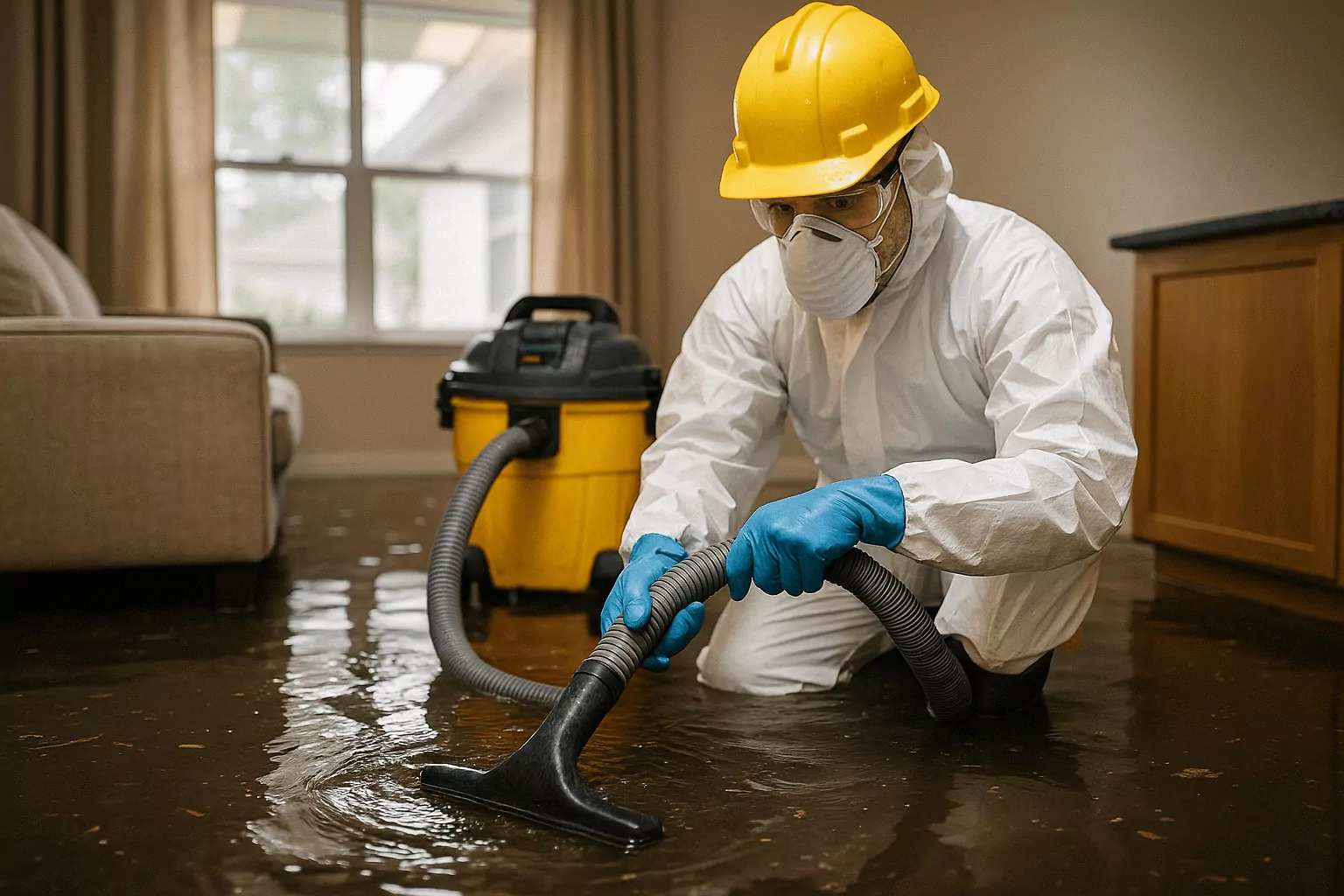
When wastewater rises into your home, minutes matter, and knowing what to do first can prevent major damage. If you are searching for sewer backup cleanup Port Arthur guidance, you are in the right place. This guide walks you through critical safety steps, proven cleanup tactics, and how to coordinate with professionals and insurance. We also cover how to protect your family's health when Category 3 water is involved and how to document everything for faster claims. For quick reference and local relevance, we include resources from public health authorities and field-tested advice from restoration pros. To get started fast, learn more about sewer backup cleanup Port Arthur basics below and keep this page handy as a checklist.
Assess Safety First: Sewer Backup Cleanup in Port Arthur Starts With Protection
Sewage is considered Category 3 water, meaning it may contain pathogens such as bacteria, viruses, and parasites that can make people sick. Before any cleaning, put on proper personal protective equipment, including waterproof gloves, rubber boots, eye protection, and an N95 or better respirator. Turn off electricity to affected areas if water is near outlets or appliances, and keep children, pets, and anyone with respiratory issues away. If you detect a strong gas odor, evacuate and contact your utility provider before reentering. The Centers for Disease Control and Prevention offers guidance on sewage cleanup and sanitation you can reference for added safety at CDC sewage cleanup.
Once the area is safe to enter, identify whether the source is a private line blockage, a main line issue, or storm-related overflow. In Port Arthur neighborhoods where heavy rainfall can overwhelm lines, backups sometimes follow extended storms or king tides. If the problem appears to be a municipal main, contact local public works and avoid using any water inside until the issue is addressed. You can find city information and contacts at the City of Port Arthur website: Port Arthur Public Works. Establishing control and safety at the outset reduces cross-contamination, lowers costs, and accelerates recovery.
Stop the Source and Stabilize: Practical Steps for Sewer Backup Cleanup Port Arthur Homes Need
Stopping the source is step one, and it can be as simple as closing drain stoppers and not running water fixtures until the blockage clears. If you have access to a cleanout outside the home, opening it can relieve pressure and divert flow away from interiors. For private line issues, a professional may use augers, camera inspection, or hydrojetting to clear grease, wipes, tree roots, or collapsed pipe segments. Stabilization also includes extracting standing water with pumps or wet vacs rated for contaminated water and isolating affected rooms with plastic sheeting. Place doormats and disposable shoe covers at entry points to limit tracking sewage into unaffected areas.
Gather essential supplies to make stabilization more efficient and safer for your household. Recommended items include:
As you stabilize, take photos and short videos of every room, zooming in on baseboards, cabinets, and under appliances. Accurate documentation supports insurance claims and can speed approvals for professional restoration. Keep a simple log with times, actions taken, and who you contacted at the city or your insurer. Label and bag any items you remove, and segregate salvageable goods from porous materials that need disposal. These early steps help you shift from chaos to control while minimizing health risks.
Clean, Disinfect, and Dry: Professional Standards for Sewer Backup Cleanup in Port Arthur
After extraction, prioritize removal of porous materials saturated by Category 3 water, such as carpet, pads, upholstered furniture, insulation, and swollen particleboard. Hard, non-porous surfaces like tile, sealed concrete, and some cabinetry can often be cleaned and disinfected thoroughly. Industry pros follow standards such as the ANSI/IICRC S500 for water damage restoration, which outlines procedures for Category 3 events. A typical workflow is remove, clean, disinfect, rinse, and dry, repeating disinfection as needed to reach hygienic conditions verified by surface testing. Keep windows closed during drying if outdoor humidity is high, and use controlled dehumidification plus directed air movement to protect building materials.
A real-world example from a Port Arthur-area bungalow illustrates what success looks like under pressure. After a storm-related sanitary sewer overflow, the homeowners called for emergency service within two hours, enabling rapid extraction and containment. Technicians removed wet carpet and baseboards, cleaned and disinfected slab and walls to two feet, and set HEPA air scrubbers along with low-grain refrigerant dehumidifiers. Within three days, moisture levels returned to target, preventing mold colonization and saving built-in cabinetry that might have been lost with delays. Their insurer approved coverage quickly thanks to complete documentation, meter readings, and a clear scope of work aligned with recognized standards.
Prevention, Insurance, and Local Support for Sewer Backup Cleanup in Port Arthur
Understanding why backups occur helps you prevent repeat incidents and navigate coverage options. Common causes include grease buildup, root intrusion, collapsed or bellied sewer lines, and heavy rain overwhelming municipal systems. Simple habits such as disposing of grease in the trash, avoiding flushable wipes, and installing backwater valves can significantly lower your risk. If your property has mature trees, schedule periodic camera inspections to catch root intrusion or pipe damage early. For more context on system-level risks, review EPA information on sanitary sewer overflows at EPA SSO overview.
Insurance can be tricky: many homeowners policies exclude sewage backups unless you have an added rider or endorsement. Call your agent to confirm whether sewer and drain backup coverage is in place and clarify limits for structure and contents. During a loss, document damage room by room, save receipts, and avoid discarding items before the adjuster confirms unless they pose a health hazard. With a plan in place, you can respond confidently and keep your household safe during cleanup and restoration.
Sewer backups are stressful, but a calm, step-by-step approach makes the process manageable and safer. Focus first on protection and source control, then move to thorough extraction, disinfection, and measured drying. Use recognized standards, reliable disinfectants, and careful documentation to support insurance and protect your health. Adopt prevention measures such as backwater valves, regular line inspections, and smart disposal habits to reduce future risk. When you need expert help, 409 Plumbing offers prompt response and clear communication to get your home back to pre-loss condition.
Call 409 Plumbing today at 409-444-0066. We proudly serve Orange, Beaumont, Bridge City, and the Greater Port Arthur area with responsive emergency service. Explore our services, get urgent help via emergency plumbing, or request an appointment through our contact page. Your home's health and your family's safety are our top priorities, and we are ready to help when every minute counts.
Frequently Asked Questions About Sewer Backup Cleanup
How dangerous is sewage water, and what PPE should I use?
Sewage is Category 3 water that can contain pathogens like E. coli, norovirus, and other contaminants, so direct contact should be avoided. Minimum PPE includes waterproof gloves, rubber boots, eye protection, and an N95 or better respirator to reduce inhalation risks. Wear long sleeves and consider disposable coveralls if you will be working in close quarters. Wash hands thoroughly after any handling, and never touch your face while in the affected area. Keep kids, pets, and immunocompromised individuals away until cleaning and disinfection are complete and drying is verified. If in doubt, pause and consult a professional to avoid health hazards.
Can I clean a sewer backup myself or do I need professionals?
Small, contained backups on non-porous surfaces may be manageable for homeowners with proper PPE and EPA-registered disinfectants. However, when porous materials like carpet, drywall, or insulation are affected, professional help is strongly recommended to prevent long-term contamination and mold. Pros follow standards such as the IICRC S500 and use specialized tools for extraction, disinfection, and structural drying. They also provide documentation, meter readings, and clearance testing where appropriate, which can be critical for insurance. If you see widespread damage, multiple rooms impacted, or recurring backups, call in a qualified team to ensure safe, complete restoration. Acting early helps control costs and reduce health risks.
What should I do immediately after discovering a backup?
First, stop using water fixtures to prevent additional inflow and open an exterior cleanout if available to relieve pressure. Shut off electricity to affected zones if water is near outlets or appliances, and keep people out of contaminated rooms. Put on PPE, set up simple containment with plastic, and start documenting the damage with photos and notes. Contact local public works if you suspect a main line issue, and notify your insurance carrier to begin the claim. Begin safe extraction and disinfection or schedule professional service if the scope is beyond DIY. Quick action limits structural damage and speeds your return to normal.
How long does drying take after sewer backup cleanup in Port Arthur?
Drying time varies with the extent of water intrusion, material types, indoor humidity, and equipment capacity, but most projects take 2 to 5 days. Professionals establish drying goals using moisture meters and psychrometric readings, then adjust air movement and dehumidification to hit targets. Porous materials removed early accelerate the process, while high ambient humidity (common on the Gulf Coast) can slow progress without proper controls. During drying, keep HVAC running if safe, close windows, and avoid adding moisture from activities like cooking long stews or indoor laundry. Expect daily monitoring and equipment repositioning to speed results. When moisture levels stabilize within target ranges, crews proceed to rebuild and final cleaning.
Registered Master Plumber Texas State Board of Plumbing Examiners
RMP #44702
Licensed and Bonded
Cities Serviced
409 Plumbing
Follow Us On
© 2026 409 Plumbing. All Rights Reserved.
Website Design and Hosting Provided by LocalBizBuzz,co