
24 Hour Service
Call 409-444-0066
Top Tips for Safe and Efficient Gas Appliance Hookup
in Port Arthur
Essential advice for homeowners in Port Arthur to ensure safe and efficient gas appliance installations.
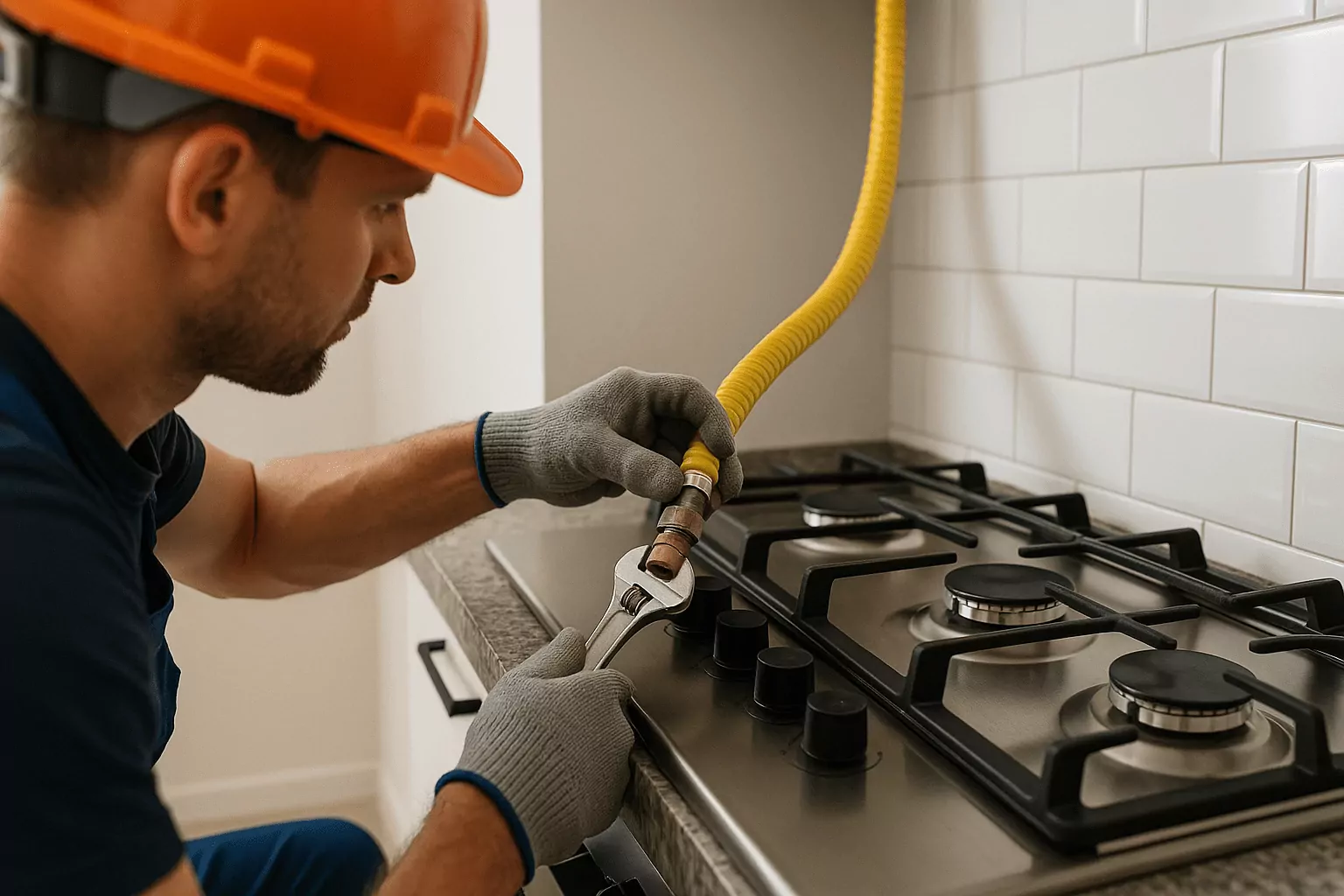
When planning a gas appliance hookup in Port Arthur, safety, code compliance, and efficiency should guide every decision. Homeowners and contractors alike benefit from a clear, step-by-step approach that respects local permitting and national standards. The right process minimizes leaks, protects indoor air quality, and ensures peak performance from stoves, dryers, furnaces, and water heaters. To help you navigate the details, this guide compiles expert recommendations tailored to regional needs, common appliances, and inspection expectations. For quick reference and local support, bookmark this resource and consider partnering with a licensed pro experienced in the Golden Triangle. If you need expert help now, explore a trusted gas appliance hookup Port Arthur option to get started the right way.
Permits, Codes, and Compliance for gas appliance hookup Port Arthur projects
Every safe gas appliance hookup in Port Arthur starts with understanding permit requirements and inspection timelines. Local authorities may require documentation for new gas lines, appliance replacements, and meter upgrades, especially when BTU loads change. Before work begins, verify whether your project needs a permit through the City of Port Arthur's Development Services and plan for inspections. Aligning with NFPA 54 (National Fuel Gas Code) and manufacturer instructions helps pass inspections the first time. When in doubt, consult a licensed plumber who can sequence permits, rough-in work, and final inspections efficiently.
National and state standards shape acceptable piping materials, joint compounds, and venting clearances for all gas appliances. For Texas projects, review state safety guidance and ensure any flexible connectors meet ANSI standards. Many homeowners are surprised to learn that sediment traps (drip legs) are typically required on appliance gas supplies. Clearances to combustibles, proper shutoff valves, and accessible unions are also common inspection points. Getting these details right not only satisfies inspectors but also prevents nuisance shutdowns and long-term hazards.
Documentation streamlines approvals and protects your warranty coverage. Keep appliance manuals, spec sheets, and BTU ratings handy to calculate gas demand and venting needs. If you upgrade to a high-output cooktop or tankless water heater, note that the existing gas line may need resizing. Photographing rough-in stages can also help resolve questions during final inspections. For official references, check NFPA 54, the City of Port Arthur's site, and Texas safety resources to ensure your plan aligns with recognized best practices.
Sizing, Materials, and Venting for gas appliance hookup Port Arthur homes
Correct gas line sizing is the backbone of performance and safety, especially when multiple appliances share a branch line. A licensed plumber will add up appliance BTU loads, measure the longest piping run, and size lines using recognized charts. Undersized lines cause flames to sputter, burners to underperform, and ignition issues that frustrate everyday cooking and heating. In contrast, right-sized piping maintains steady pressure under peak demand, even when the furnace and range operate together. This engineering step is crucial when adding upgrades like gas fireplaces or outdoor kitchen lines.
Material selection influences longevity, corrosion resistance, and local acceptance by inspectors. Black steel is common for rigid interior runs, while corrugated stainless steel tubing (CSST) offers speed and flexibility when installed to manufacturer specs. Outdoor or corrosive environments may require coated pipe or specialized fittings to resist rust and damage. Approved thread sealants or gas-rated PTFE tape should be applied to tapered threads carefully to avoid debris entering the line. Sediment traps, accessible shutoffs, and unions near the appliance help with maintenance and quick isolation in an emergency.
Venting and combustion air are equally important for safe, efficient operation. Category-specific venting requirements determine pipe type, slope, length, and termination clearances, especially for water heaters and furnaces. Improper venting can lead to backdrafting and elevated carbon monoxide levels that endanger occupants. Always pair new gas appliances with working carbon monoxide alarms on every floor and near sleeping areas. For best practices on appliance efficiency, consult trusted energy resources and follow your manufacturer's specific venting guidelines.
Step-by-step installation and testing for gas appliance hookup Port Arthur
Successful installs follow a consistent workflow that prevents leaks and confirms performance before final sign-off. A pro will start by locking out the gas supply, verifying the correct meter capacity, and confirming line sizing against BTU demands. After laying out the route, they will mount supports, cut and thread pipe or route CSST, and maintain protective clearances. At the appliance, the installer will add a code-compliant shutoff, union, and sediment trap before attaching the connector. Final steps include leveling the appliance, confirming burner alignment, and ensuring the connector is not kinked or stressed.
Leak testing is non-negotiable and should be performed with precision tools rather than guesswork. A low-pressure or high-pressure test, as applicable, is conducted using a calibrated manometer to validate system integrity. After the pressure test, installers confirm each joint with a bubble solution or an approved electronic detector. Any sign of bubbles or a detector alert prompts immediate disassembly, cleaning, and reassembly with the correct sealant. Only when the system holds pressure and passes all checks should the appliance be lit and adjusted.
Commissioning ensures appliances run at peak efficiency for local conditions and gas quality. Technicians verify manifold pressures, fine-tune air shutters, and confirm proper flame characteristics for clean combustion. Oven thermostats, water heater setpoints, and furnace controls are tested for accuracy and safety cutoffs. Where relevant, draft tests confirm venting performance, and installers check for adequate make-up air in tight homes. Documenting these readings supports warranty claims and makes future service calls faster and more reliable.
Long-term efficiency and maintenance after gas appliance hookup Port Arthur
Once your installation is complete, a preventive maintenance plan protects your investment and family safety. Annual inspections catch connector wear, valve stiffness, and vent obstructions that undermine performance. For cooking appliances, cleaning burner ports and verifying proper ignition prevent delayed lighting and soot. Water heaters benefit from periodic flushing, anode checks, and vent inspections to maintain efficiency and reliability. Furnaces should have filters replaced regularly and heat exchangers inspected for cracks during seasonal tune-ups.
Routine safety checks are simple but powerful for peace of mind. Test carbon monoxide alarms monthly and replace them per manufacturer guidance to ensure constant protection. Walk the gas line path annually, looking for rubbing points, corrosion, or accidental damage from storage. If you ever smell gas, shut off the appliance, ventilate the area, and call a licensed professional immediately. Keep a log of service visits, pressure readings, and parts replacements to build a maintenance history.
Small upgrades can significantly improve comfort and lower energy costs over time. Consider high-efficiency models with precise controls, sealed combustion, and smart features that optimize runtime. Kitchen ranges with better burner design improve heat transfer and cooking consistency while reducing wasted gas. Tankless water heaters, when properly sized and vented, deliver endless hot water with impressive efficiency. If you are planning future add-ons, consult a pro early to ensure the gas system can handle your growth plans.
A safe, efficient gas appliance hookup in Port Arthur depends on meticulous planning, proper sizing, and adherence to local and national codes. By securing permits, following NFPA 54, and commissioning appliances carefully, you ensure reliable performance for years. Ongoing maintenance and simple safety habits, like testing CO alarms, make a meaningful difference in comfort and peace of mind. When you are ready for expert help, contact 409 Plumbing at 409-444-0066. We proudly serve Orange, Beaumont, and Bridge City, and we are ready to assist nearby homeowners seeking dependable gas solutions.
For immediate assistance or to request an on-site estimate, explore our services and get in touch today. Visit our services to see how we can help, reach our contact form to schedule, and browse the latest insights on our blog. With licensed expertise and a customer-first approach, we make complex code requirements and technical steps simple to navigate. Choose a partner who prioritizes safety, efficiency, and transparent communication from start to finish. Call 409 Plumbing now at 409-444-0066 to begin your project with confidence.
Resources About Gas Appliance Hookup
Frequently Asked Questions About Gas Appliance Hookup
Do I need a permit for a gas appliance hookup in Port Arthur?
Depending on the scope, permits are commonly required for new gas lines, meter changes, and appliance replacements affecting BTU load. The City of Port Arthur's Development Services can confirm whether your project needs a permit and inspection. Pulling the correct permit helps ensure work meets NFPA 54 and manufacturer standards, protecting safety and warranties. Licensed plumbers typically manage the paperwork and schedule inspections to keep your project on track. Always verify requirements before starting to avoid delays, rework, or compliance issues.
How do I know my gas line is properly sized for multiple appliances?
Proper sizing starts by totaling the BTU rating of every appliance on the line, including future upgrades. The longest run and number of fittings influence pressure drop, so a pro uses recognized sizing charts to select pipe diameters. If lines are undersized, you may see weak flames, frequent relights, or poor oven performance under load. A licensed plumber can assess current capacity, meter limits, and recommend solutions like upsizing or dedicated branches. This approach ensures stable pressure and reliable performance during peak demand across your home.
What safety tests should be done after a gas appliance hookup Port Arthur installation?
A thorough pressure test with a calibrated manometer validates the integrity of the new or modified piping. Each joint should then be checked with an approved bubble solution or electronic gas detector to identify even small leaks. After lighting, technicians verify manifold pressures, flame quality, and safety shutoffs for correct appliance operation. Venting and draft tests help confirm that combustion byproducts exit the home safely. Documentation of these tests provides a valuable record for warranty and future maintenance visits.
How can I improve efficiency and reduce gas costs after installation?
Start by setting thermostats and water heater temperatures to recommended levels for comfort and savings. Keep filters clean, burners free of debris, and vents unobstructed to maintain efficient combustion and airflow. Consider upgrading to high-efficiency, sealed-combustion models when the time comes for replacement. Smart controls and routine tune-ups help optimize runtime and reduce wasted energy. For personalized strategies, ask a local pro to review your system and usage patterns for targeted improvements.
Registered Master Plumber Texas State Board of Plumbing Examiners
RMP #44702
Licensed and Bonded
Cities Serviced
409 Plumbing
Follow Us On
© 2026 409 Plumbing. All Rights Reserved.
Website Design and Hosting Provided by LocalBizBuzz,co