
24 Hour Service
Call 409-444-0066
Top Tips for Plumbing a Kitchen Island in Bridge City, TX
Essential advice for homeowners in Bridge City, TX, on effectively plumbing kitchen islands for optimal functionality and style.
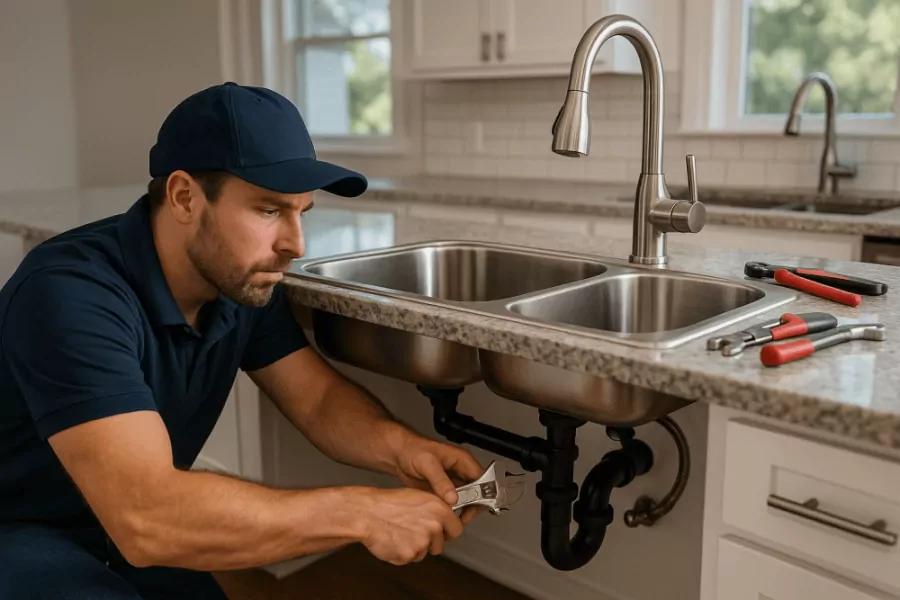
When it comes to enhancing the functionality and aesthetic appeal of your kitchen, installing a kitchen island is a fantastic choice. However, plumbing for kitchen island Bridge City TX involves more than just connecting a few pipes. Proper planning and execution are essential to ensure a seamless integration with your existing plumbing system. Whether you're a homeowner looking to upgrade your space or a contractor working on a kitchen remodel, understanding the nuances of kitchen island plumbing can make all the difference. In this guide, we'll explore the key considerations, tips, and best practices for plumbing a kitchen island in Bridge City. Let's dive into the world of kitchen plumbing to ensure your installation is both functional and visually appealing.
1. Planning Your Kitchen Island Layout
Before you even think about the plumbing aspects, planning the layout of your kitchen island is crucial. Consider the size and shape of the island in relation to your kitchen's overall design. Think about how you will use the island-whether it will serve as a cooking area, a dining space, or a prep station. Take into account the following:
For example, if you envision a sink or a cooktop on your island, your layout must accommodate those features while ensuring they're close to existing water and gas lines. Additionally, plan for adequate electrical outlets to power appliances, which may require additional plumbing considerations.
2. Understanding Local Plumbing Codes
When it comes to plumbing for kitchen islands, adhering to local plumbing codes in Bridge City, TX, is non-negotiable. Each municipality has specific regulations regarding water supply, drainage, and waste disposal. Familiarizing yourself with these codes will help you avoid costly mistakes and potential fines.
Check with local authorities or a licensed plumber to understand the following:
By ensuring compliance with local regulations, you not only protect your investment but also enhance the safety and functionality of your kitchen space.
3. Choosing the Right Plumbing Materials
Choosing the right materials for your kitchen island plumbing is essential for ensuring durability and efficiency. Common materials used in kitchen plumbing include PVC, PEX, and copper. Each has its benefits and drawbacks:
Consider the long-term implications of your choice. For instance, while PVC might be cheaper upfront, it may not offer the same longevity as copper. This decision impacts not only your installation costs but also future maintenance expenses.
4. Installation Best Practices
Once you've laid the groundwork, it's time to focus on installation best practices. Proper installation is key to avoiding leaks, ensuring adequate water pressure, and maintaining a clean aesthetic. Here are some tips to keep in mind:
For example, if you're installing a sink in your kitchen island, ensure that you have adequate drainage and that the trap is properly installed to prevent clogs. If you're uncertain about any aspect, consulting with a professional plumber can save you time and headaches later on.
In conclusion, effective plumbing for kitchen island Bridge City TX requires careful planning, adherence to local codes, and the right materials for installation. By considering the layout, understanding local regulations, choosing suitable materials, and following best practices, you can create a kitchen island that enhances both functionality and aesthetics. If you're ready to start your kitchen island project or need expert assistance, contact 409 Plumbing at 409-444-0066. We proudly serve Bridge City and surrounding areas, ensuring quality plumbing solutions for your home. Check out our plumbing blog for more resources.
Frequently Asked Questions About Plumbing for Kitchen Islands
What are the key plumbing considerations for a kitchen island?
When planning plumbing for a kitchen island, consider the location of existing plumbing lines, the intended use of the island, and compliance with local building codes. It's crucial to ensure adequate water supply and drainage, particularly if you plan to install a sink or cooktop. Additionally, think about electrical needs for appliances to avoid complications during installation.
How do I ensure proper drainage for my kitchen island sink?
To ensure proper drainage for your kitchen island sink, you need to install a drain line that connects to your existing plumbing system. The drain should have a slope of at least 1/4 inch per foot toward the main drain to facilitate water flow. Additionally, using a P-trap is essential to prevent sewer gases from entering your home. Consulting with a professional plumber can provide peace of mind and ensure compliance with local regulations.
Can I do the plumbing for my kitchen island myself?
While DIY plumbing can save money, it's important to assess your skills and knowledge level before taking on a kitchen island plumbing project. Simple tasks like connecting water supply lines can often be done by homeowners, but more complex installations involving drainage or gas lines should be handled by licensed professionals. This ensures compliance with local codes and reduces the risk of costly mistakes.
Registered Master Plumber Texas State Board of Plumbing Examiners
RMP #44702
Licensed and Bonded
Cities Serviced
409 Plumbing
Follow Us On
© 2026 409 Plumbing. All Rights Reserved.
Website Design and Hosting Provided by LocalBizBuzz,co