
24 Hour Service
Call 409-444-0066
Top Tips for Hiring the Best Plumber for Apartment Complexes in Beaumont TX
Essential strategies for property managers in Beaumont TX to select reliable plumbers for their apartment complexes.
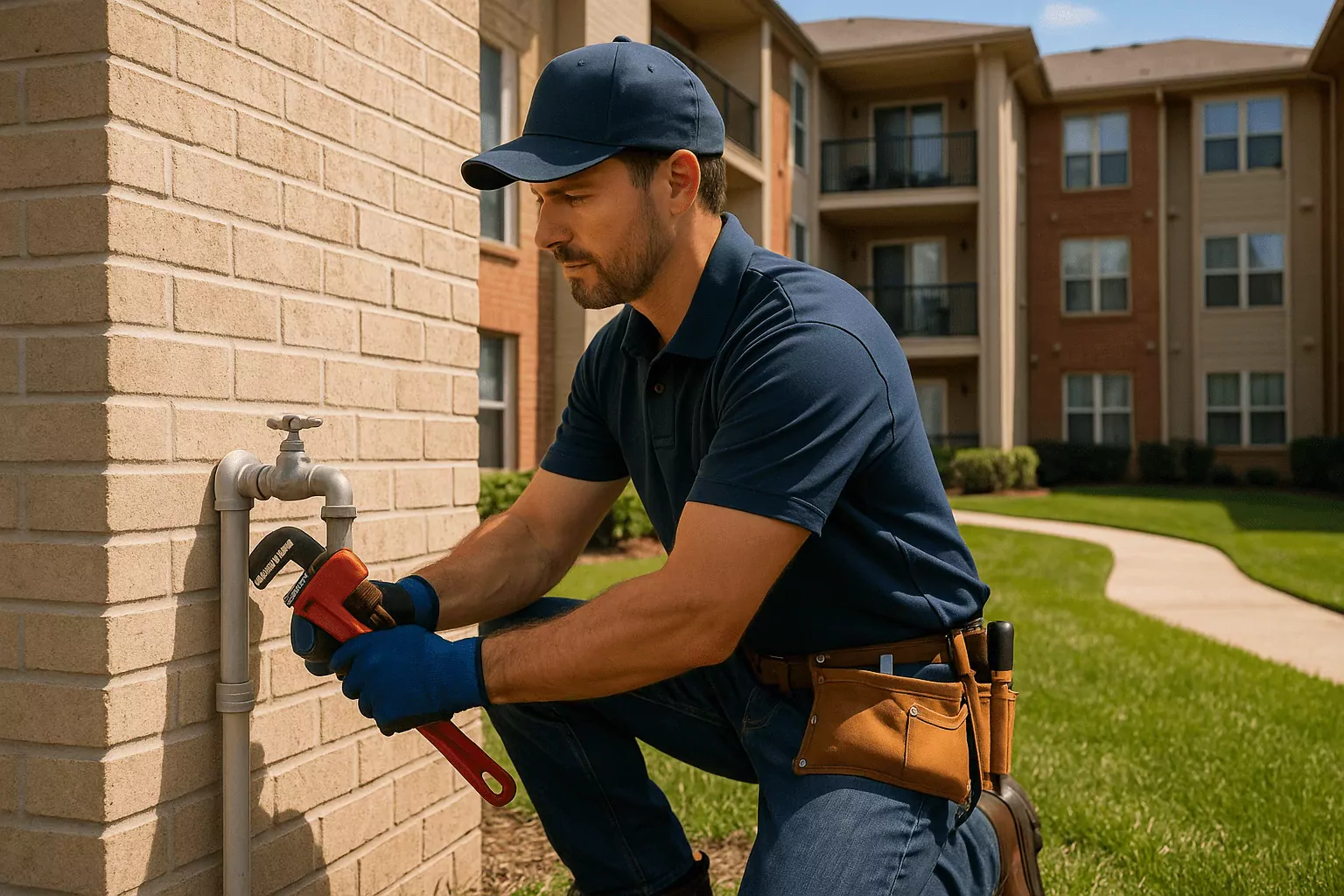
Finding the best plumber for apartment complexes Beaumont TX can make the difference between smooth operations and constant tenant complaints. Multifamily plumbing requires a partner who understands high-demand systems, rapid response, and preventive strategies for dozens of fixtures and risers. Property managers in Beaumont, Orange, and Bridge City need a team that can scale, communicate clearly, and protect NOI with fewer emergencies. Choosing wisely starts with verifying licensing, capacity, and a proven process tailored for multifamily communities. To help, this guide outlines practical steps, local insights, and examples you can use right away. For a quick start, consider speaking with a local expert and exploring the best plumber for apartment complexes Beaumont TX to benchmark your current approach.
Verify Licensing, Insurance, and Multifamily Experience With the Best Plumber for Apartment Complexes Beaumont TX
The first filter for any vendor is compliance, and your plumbing partner should be fully licensed in Texas for the scope of work performed. Confirm that the company holds active credentials and that on-site technicians are properly licensed apprentices, tradesmen, or journeymen supervised per state law. Ask for an ACORD certificate listing general liability and workers compensation, and verify coverage limits meet your property or portfolio standards. A strong safety record and written jobsite protocols show they take risk management as seriously as you do. Finally, look for deep multifamily experience, including stack repairs, common-area systems, and occupied unit workflows designed to minimize tenant disruption.
Beyond credentials, press for examples in properties similar to yours across Beaumont and neighboring cities. Seasoned apartment plumbers can outline how they isolate water to a single stack, stage parts to reduce downtime, and coordinate entry with leasing or maintenance teams. A useful sign is whether they maintain code familiarity for local jurisdictions and national standards like the Uniform or International Plumbing Code. Ask how often they train on new materials, valves, and water-saving fixtures that reduce utility expenses in high-occupancy buildings. The right partner should also provide clear documentation after every call, including photos, repairs made, and recommendations to prevent repeat issues.
Evaluate Capacity, Response Times, and Preventive Programs
Apartment complexes live and die by speed and consistency, so response capabilities matter as much as technical skill. Ask about 24/7 emergency coverage, after-hours dispatch protocols, and guaranteed response times for water-off events or sewer backups. Inquire how many fully equipped trucks operate daily in Beaumont and Orange, and whether they carry common parts for PEX, copper, and cast iron to eliminate supply delays. The best firms assign a dedicated account lead for property managers, ensuring continuity of knowledge from unit history to riser maps. You want a vendor who can surge resources for storms or freeze events without leaving other scheduled work uncovered.
Preventive maintenance is where costs drop and tenant satisfaction rises, so evaluate formal PM offerings. Strong programs include annual domestic water inspections, water heater flushes, camera inspections of main lines, and proactive angle stop or supply line replacements. Look for digital asset logs per unit or stack, leak detection technology, and KPI reporting such as mean time to repair and recurrence rates. In a recent example from a 72-unit community in Beaumont, a structured PM added quarterly camera inspections and swapped aging supply lines, cutting emergency calls by 38 percent within six months. A partner who brings data and prevention will protect budgets while keeping residents happy.
Compare Scopes, Pricing, and Guarantees Transparently
To avoid surprises, insist on apples-to-apples scopes with clearly defined labor, materials, and exclusions. Multifamily work may involve unit entry coordination, water shutoffs, and tenant notifications, so ensure each bid accounts for these realities. Clarify rates for regular hours, after-hours, and holidays, as well as trip fees, diagnostic fees, and camera or jetting charges. Ask whether the company bundles services for volume properties, or offers tiered rates based on annual contract value. A clear warranty on workmanship and materials, along with documented follow-up procedures, signals a company that stands behind its results.
Transparency should extend to ongoing service, not just project bids, so ask for sample invoices and reporting dashboards. A reputable team will help you forecast replacements for water heaters, PRVs, and mixing valves, and prioritize upgrades by risk and ROI. Consider reviewing a menu of multifamily-focused plumbing services that covers drain cleaning, repipes, hydro-jetting, slab leaks, and fixture retrofits. Because disruptions can happen after hours, verify that emergency mobilization aligns with your policies and explore local emergency plumbing support. With clarity on scope and guarantees, you can compare vendors fairly and choose the best long-term fit.
Communication, Tenant Care, and Local References in Beaumont and Nearby Cities
Even the best technical repairs can become headaches if communication falters, especially in occupied buildings. Prioritize plumbers who provide entry windows, text or email alerts, and coordination with maintenance and leasing to reduce no-entries. Ask about tenant care standards such as floor protection, shoe covers, ID badges, and clean-up checklists that leave units as tidy as they were found. For common areas with pools, gyms, or laundry facilities, confirm they follow water management best practices to protect health and compliance. Align expectations in writing so everyone knows how updates, photos, and sign-offs will be delivered after each job.
Local credibility is key, so request references from properties in Beaumont, Orange, and Bridge City to validate performance and professionalism. Review online feedback, but weigh it alongside direct property manager testimonials that mirror your building type and size. It also helps to verify licensing with the Texas State Board of Plumbing Examiners. For water efficiency ROI, explore EPA WaterSense options that can cut consumption in high-occupancy settings. If you manage domestic hot water systems or cooling towers, align with CDC guidance on water management programs to reduce risk and extend asset life.
Hiring the best plumber for apartment complexes Beaumont TX starts with verifying credentials and continues with clear capacity, preventive strategies, and transparent pricing. Look for a vendor that communicates proactively, protects tenants and units, and backs work with warranties and data-rich reporting. With the right partner, you can cut emergencies, control utility costs, and keep residents satisfied across Beaumont, Orange, and Bridge City. If you are ready to strengthen your plumbing program, connect with 409 Plumbing for expert multifamily support and rapid response. Call 409 Plumbing at 409-444-0066 to schedule service or request a proposal. You can also explore our services, plan for after-hours needs with emergency plumbing, or contact us to discuss your property's goals today.
Frequently Asked Questions About Hiring the Best Plumber for Apartement Complexes
What qualifications should I look for when hiring the best plumber for apartment complexes Beaumont TX?
Start with state licensing that matches the work performed and verify it directly with the Texas State Board of Plumbing Examiners. Confirm active general liability and workers compensation with adequate limits and up-to-date certificates listing your property. Next, look for proven multifamily experience, including stack repairs, common-area system work, and tenant-friendly protocols for occupied units. Training on current codes and products, plus documented safety practices, shows they can perform consistently at scale. For extra value, ask about water-saving retrofits aligned with EPA WaterSense and warranty terms for both parts and labor.
How fast should a plumbing partner respond to multi-unit emergencies in Beaumont?
Water-off events and active leaks demand immediate action, so seek guaranteed response times for both business hours and after-hours. Many apartment-focused teams target one to two hours for on-site arrival in critical cases within the Beaumont area. Ask how dispatch prioritizes emergencies, how many crews are available locally, and whether trucks carry common parts to accelerate first-time fixes. Clarify communication protocols, including who receives progress updates and final photos, so your team stays informed. Response speed matters, but first-pass resolution and clean documentation are equally important for tenant satisfaction and cost control.
How do preventive maintenance plans reduce plumbing costs in apartment communities?
Preventive maintenance finds small problems before they become big emergencies, which translates to fewer after-hours calls and lower repair costs. Regular camera inspections can flag root intrusions or sagging lines early, avoiding repeated backups and tenant disruption. Proactive replacement of aging supply lines, angle stops, and PRVs reduces the risk of catastrophic leaks and unit damage. Annual water heater flushes and anode checks extend equipment life while maintaining hot water reliability for residents. Over time, data from scheduled inspections helps prioritize capital projects, delivering the highest ROI upgrades first.
What should be included in a service agreement with the best plumber for apartment complexes Beaumont TX?
A solid agreement outlines scope, response times, after-hours protocols, and contact trees for emergencies and approvals. It should define standard rates, holiday rates, and fees for diagnostics, jetting, camera work, or permits to avoid surprises. Include reporting requirements such as before-and-after photos, unit identifiers, parts used, and documented recommendations. Warranty terms for labor and materials, along with follow-up timelines, set expectations for quality and accountability. Finally, ensure insurance, licensing, and safety practices are referenced, and add termination and review clauses so the partnership stays aligned with property goals.
Registered Master Plumber Texas State Board of Plumbing Examiners
RMP #44702
Licensed and Bonded
Cities Serviced
409 Plumbing
Follow Us On
© 2026 409 Plumbing. All Rights Reserved.
Website Design and Hosting Provided by LocalBizBuzz,co