
24 Hour Service
Call 409-444-0066
Top Tips for Fixing a Water Heater Not Heating
in Bridge City
Practical solutions for homeowners in Bridge City to troubleshoot and repair their water heater issues quickly.
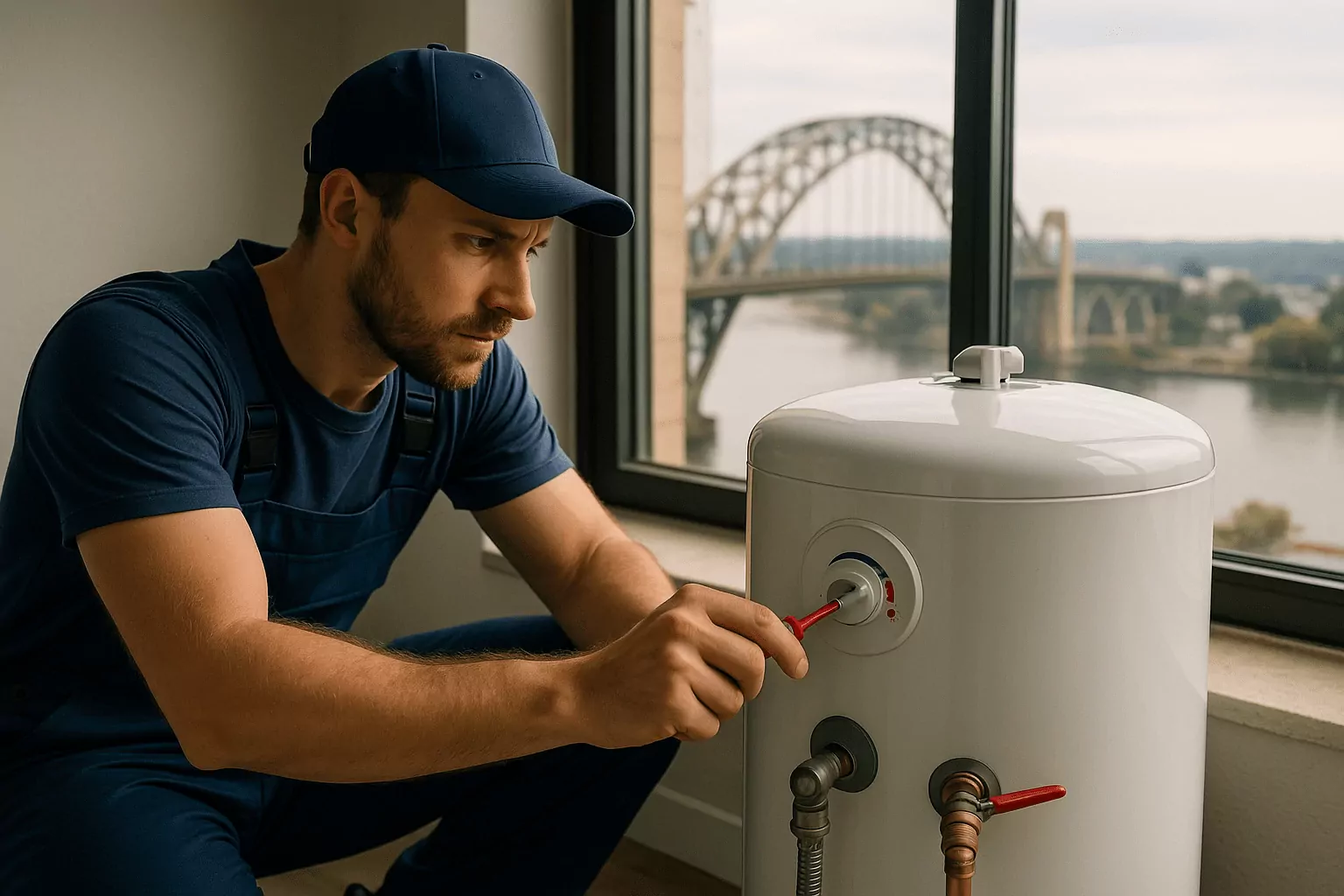
If you are dealing with a water heater not delivering hot water, you are not alone in Bridge City. Between hard water scale, high local humidity, and Gulf Coast storms, systems here face unique stressors that can cause sudden failures or gradual performance drops. This guide explains how to troubleshoot a water heater not heating Bridge City homes, from quick checks to deeper fixes. You will learn what to look for in gas and electric models, how sediment buildup robs heat, and when a repair versus replacement makes the most financial sense. We include local case studies, expert tips, and safety reminders so your family can get hot water back quickly and safely. For quick navigation and an at-a-glance solution, see this link: water heater not heating Bridge City so you can return to hot showers with confidence.
Safety-first diagnostics for a water heater not heating Bridge City homes
Start with safety any time you investigate a hot water issue at home. Switch the water heater to off and verify the electrical breaker is set to the off position for electric models, or set the gas control to pilot for gas units. Keep clear of the temperature and pressure relief valve area, as discharge can be scalding if the tank is overheated or over-pressurized. Allow the unit to cool for at least 30 minutes if it recently attempted a heating cycle to avoid burns while removing access panels. Once the system is safe, you can begin basic checks that often restore hot water in minutes without tools.
Verify power and fuel supply first, because a simple cutoff is a common reason for no hot water after storms or utility work in Bridge City. For electric tanks, confirm the dedicated breaker is not tripped and press the high-limit reset button beneath the upper access panel. On gas models, make sure the gas valve is open and the pilot is lit; if the pilot will not stay lit, a weak thermocouple could be the cause. Inspect the thermostat setpoint and ensure it is around 120 F, which balances comfort and scald prevention while reducing energy waste. If these items check out but water is still cold, move on to model-specific troubleshooting steps outlined below.
Gas vs. electric steps for a water heater not heating Bridge City residents
For gas heaters that are not producing hot water, begin with the ignition pathway and combustion health. Relight the pilot per the manufacturer label, and observe the flame color; a strong blue flame suggests proper combustion, while a lazy yellow flame can indicate poor airflow or a dirty burner. If the pilot lights but goes out, the thermocouple or flame sensor may be failing to generate a consistent signal to keep the gas valve open. Sediment on the burner or a partially blocked vent can also choke heat transfer and lead to lukewarm water under heavy demand. For best practices on efficient water heating that tie into gas performance, review guidance from the U.S. Department of Energy at Energy Saver: Water Heating.
For electric heaters, focus on thermostats and heating elements, which are the heart of electric recovery. The upper thermostat energizes the upper element first, then switches to the lower section for a full tank of hot water; failure in either part can cause a complete loss of heat or only short bursts of warmth. If you have basic tools, a continuity test on elements can confirm if they are burned out, but always shut off power before opening access panels. Frequent electrical storms around Orange County can cause nuisance trips or damage that reveals itself as intermittent cold-water episodes. In one Orange, TX home, replacing a failed upper element and recalibrating the thermostat restored full 120 F output within an hour and cut recovery time by nearly 40 percent.
How sediment and water quality trigger a water heater not heating Bridge City problem
Mineral-rich water common in Southeast Texas encourages sediment to collect at the bottom of tank-style heaters, insulating the water from the burner or lower element. As that layer thickens, heat transfer degrades, recovery slows, and you may hear rumbling or popping as water flashes to steam beneath the scale. A seasonal flush typically clears the buildup and can restore performance without parts replacement, especially in units under eight years old. Homeowners who flush annually often report lower gas or electric bills because the heater no longer works overtime to push through sediment. For a step-by-step visual on tank maintenance, review this manufacturer resource: Rheem Water Heater Maintenance.
Beyond sediment, an aging anode rod can accelerate internal corrosion that reduces efficiency and shortens tank life. If your water smells like sulfur, shows orange discoloration, or you notice frequent lukewarm runs, an exhausted anode may be contributing to both odor and heat loss. Replacing the anode every 3-5 years, depending on water conditions, can dramatically extend tank performance and postpone costly replacements. In a Bridge City case near Bower Drive, an annual flush plus a new anode corrected lukewarm showers, eliminated odor, and improved recovery times within two days.
Repair vs. replace decisions for a water heater not heating Bridge City homeowners
Age, operating costs, and repair history guide the smartest path when deciding to fix or swap a failing heater. As a rule of thumb, if a tank is over 10 years old and the repair exceeds 30-40 percent of the cost of a new efficient unit, replacement is usually the better investment. Newer models can offer improved insulation, higher recovery rates, and smart controls that maintain steady temperatures even during peak family demand. Sizing matters too; an undersized heater will seem to fail, but in reality it is simply outmatched by simultaneous showers, laundry, and dishwashing. For help balancing performance and energy use, explore government efficiency tips at Energy Saver and compare your options with a local pro.
When safety issues are in play, do not delay calling a professional, especially if you smell gas, see scorch marks, or the TPR valve is discharging. 409 Plumbing can pinpoint whether a thermostat, element, gas valve, or heat exchanger is the culprit and provide transparent pricing before work begins. If your goal is a fast restoration of hot water, our Water Heater Repair service covers same-day troubleshooting in Bridge City, Beaumont, and Orange. For larger projects or repeated failures, our full Plumbing Services include right-sizing, code-compliant installations, and system upgrades to stabilize temperature and flow. When you are ready, contact 409 Plumbing to schedule a visit or request an estimate that fits your timeline and budget.
Bringing hot water back fast starts with safe checks, then moves through targeted steps for gas or electric systems, and ends with maintenance that keeps heat steady year-round. If you are facing a water heater not heating Bridge City situation today, verify power or pilot status, reset high limits, and set temperatures appropriately before tackling parts. When sediment or component failures are to blame, timely service prevents higher bills and restores comfort for showers, laundry, and dishes. For dependable local help and clear pricing, call 409 Plumbing at 409-444-0066. We proudly serve Orange, TX, Beaumont, TX, and Bridge City, TX with same-day troubleshooting, repairs, and replacements designed for Gulf Coast homes. To get started now, schedule service through our Contact form or explore Plumbing Services tailored to your hot water needs.
Frequently Asked Questions About Fixing a Water Heater Not Heating
Why did my water heater stop heating after a storm or power outage?
Storms can trip breakers, trigger the high-limit reset, or disrupt gas supply, any of which can leave you with cold water. Start by checking the dedicated breaker and pressing the reset button on electric models once the power is safely off. On gas units, verify the pilot is still lit and the gas valve is open, as pressure fluctuations can snuff the flame. Electronics in newer heaters, like ignition modules and thermostats, can also lose calibration during surges and may need a reset or replacement. If these steps do not restore heat, a pro evaluation can test elements, thermocouples, or control boards to get you back to hot water quickly.
How often should I flush my tank to prevent a water heater not heating Bridge City issue?
In areas with moderate to hard water like Bridge City, an annual flush is a smart baseline, and semiannual service is even better if you hear rumbling. Regular flushing removes insulating sediment that slows recovery and can cause scalding temperature swings. Pair the flush with an anode inspection to catch early corrosion that saps performance and shortens tank life. Keep your thermostat around 120 F to limit scale formation and reduce energy waste while maintaining comfort, as supported by federal guidance on efficient water heating. If it has been several years since your last service, plan a deeper descaling and be ready for stubborn deposits to require professional tools.
Is it safe to relight my pilot light on a gas water heater?
It can be safe if you follow the exact relight instructions printed on your heater and take basic precautions. Turn the gas control to off and wait several minutes to clear any accumulated gas before attempting to light. Use a long lighter or the built-in spark igniter, and observe the flame through the viewing window to confirm a stable blue flame. If you smell gas or the pilot repeatedly goes out, stop and call a professional, because a failing thermocouple or venting problem may be present. Repeated relight attempts without success can flood the chamber with gas and create a serious hazard, so defer to a licensed technician when in doubt.
What size water heater helps avoid not-heating problems for my household?
Choose capacity based on your peak hour demand rather than daily averages to prevent lukewarm showers at busy times. A typical 2-3 person household often does well with a 40-gallon tank, while 4-5 people may need 50 gallons or more, especially with simultaneous showers and laundry. For high-demand homes, consider high-recovery or hybrid options that replenish hot water faster between uses. Right-sizing also means choosing the correct first-hour rating for tanks or flow rate for tankless units to match real usage. A professional can assess fixtures, flow rates, and habits to recommend a system that stays hot without overspending on capacity you do not use.

Registered Master Plumber Texas State Board of Plumbing Examiners
RMP #44702
Licensed and Bonded
Cities Serviced
409 Plumbing
Follow Us On
© 2026 409 Plumbing. All Rights Reserved.
Website Design and Hosting Provided by LocalBizBuzz,co