
24 Hour Service
Call 409-444-0066
Top Tips for Effective Sewer Backup Cleanup
in Bridge City
Essential steps and practical advice for homeowners in Bridge City facing sewer backup cleanup challenges.
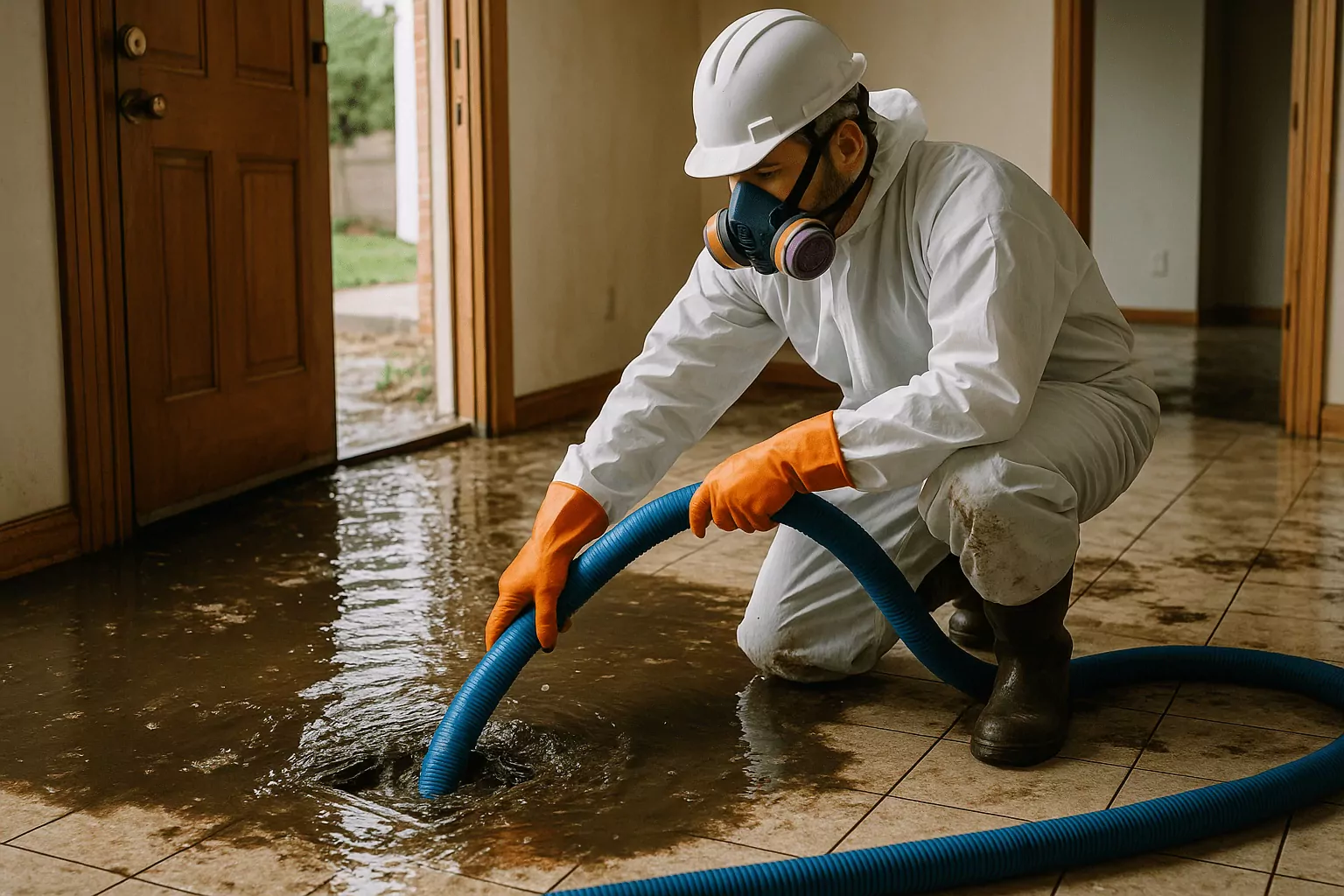
When wastewater rises through a floor drain or toilet, fast action can minimize costly damage and health risks. Homeowners searching for reliable sewer backup cleanup Bridge City guidance need clear steps, safe practices, and local context that works. This article explains what to do first, how to clean safely, and when to call professionals for help in Bridge City and nearby communities. For quick reference, start with safety, stop the source, document everything, then clean, disinfect, and dry thoroughly. If you need immediate help with sewer backup cleanup Bridge City, licensed local plumbers can respond 24/7. With the right process and team, your home can be restored quickly, and future backups can be prevented.
Immediate safety steps for sewer backup cleanup in Bridge City
Sewage is considered Category 3 or black water, which can contain bacteria, viruses, and parasites. Keep children, pets, and at-risk family members out of affected areas until cleanup is complete. If water has reached outlets or appliances, switch off power to that specific area at the breaker before entering. Improve ventilation by opening windows and using fans that exhaust to the outdoors, not into other rooms. Wear proper personal protective equipment such as gloves, boots, eye protection, and a respirator rated for bioaerosols.
Before you move anything, take photos and videos from multiple angles for insurance documentation. Place towels or barriers to prevent sewage from spreading into clean areas, but avoid pushing contaminated water into wall cavities. If the backup is ongoing, do not use sinks, toilets, showers, or washing machines anywhere in the home. According to the CDC, prompt removal and disinfection are critical to reduce exposure and mold growth that can begin within 24 to 48 hours. Bag any loose contaminated debris in heavy-duty contractor bags and set aside for disposal guidance.
Stopping the source and documenting damage in sewer backup cleanup Bridge City
Stopping the source quickly helps limit contamination and drying time. Pause all water use in the house so the line has a chance to drain, including dishwashers and laundry machines. Locate the main cleanout outdoors if accessible, and cautiously loosen the cap to relieve pressure and allow sewage to exit outside rather than indoors. Many Bridge City homes experience main line clogs from tree roots, grease, or foreign objects, which often require augering or hydrojetting by a licensed plumber. If you cannot identify or stop the source, call a local pro for emergency service and request documentation for your insurer.
Thorough documentation supports faster, cleaner claims decisions. Record the time you discovered the backup, when it stopped, and any steps you took to mitigate damage. Save receipts for pumps, cleaning supplies, and temporary lodging, and ask your plumber for a written diagnosis of the cause. Restoration providers often use moisture meters and thermal imaging to document saturation in walls, floors, and cabinets. Insurers may reference industry cleaning standards such as the IICRC S500 guidelines for water damage restoration, which you can review at the IICRC website for context.
Deep cleaning, disinfection, and drying for sewer backup cleanup Bridge City
Once the inflow is stopped and documented, remove standing water using pumps or wet vacs designed for dirty water. Discard porous materials that absorbed sewage, including carpet, padding, insulation, and non-washable textiles, as they cannot be safely disinfected. Remove and dispose of saturated baseboards and cut out drywall at least 12 inches above the highest waterline to reach wet cavities. Wash hard surfaces with a heavy-duty detergent first, then disinfect with an EPA-registered disinfectant or a bleach solution per label instructions. Never mix bleach with ammonia or acidic cleaners, and ventilate well during use to reduce fumes.
Drying thoroughly is as important as cleaning to prevent mold and lingering odors. Position air movers to create a consistent crossflow, and add dehumidifiers sized to the room volume to accelerate moisture removal. Monitor progress daily with a hygrometer and, if available, a moisture meter to confirm materials return to safe levels. Most cleanups target a 40 to 50 percent relative humidity and require continuous drying for 48 to 72 hours, depending on materials and weather conditions. If you need help with structural drying equipment, 24/7 emergency support is available on our services page.
Prevention and professional help: choosing the right team for sewer backup cleanup Bridge City
Knowing when to bring in professionals can save time and reduce health risks. Seek expert help if backups involve multiple rooms, reach wall cavities, or continue after you stop water use. Look for teams that follow IICRC cleaning standards, can provide air filtration, and offer documented moisture readings. Ask about camera inspections to pinpoint root intrusions, broken pipes, or bellies in the line that cause repeat backups.
Preventive steps can reduce future disruptions and insurance claims. Schedule annual sewer line maintenance that includes cleaning and, if needed, hydrojetting to clear grease and scale. Install a backwater valve where appropriate and ensure your yard cleanout remains accessible and visible. Avoid flushing wipes, grease, and feminine products, and consider root control if large trees are near the main line. For rapid response in Orange, Beaumont, and Bridge City, contact 409 Plumbing anytime for inspections, maintenance, and emergency cleanup.
Sewer backups are stressful, but a clear plan helps protect your health and your property. Prioritize safety, stop the source, document thoroughly, and perform meticulous cleaning, disinfection, and drying. Use proven standards and trusted references, and do not hesitate to call professionals when the scope is large or the source is unclear. For expert help in Orange, Beaumont, and Bridge City, call 409 Plumbing at 409-444-0066. Our licensed team offers 24/7 emergency response, camera inspections, hydrojetting, and full-service restoration. When you need dependable sewer backup cleanup in Bridge City, we are ready to help you recover quickly and safely.
Resources for Sewer Backup Cleanup
Frequently Asked Questions About Sewer Backup Cleanup
How dangerous is a sewer backup in a home?
Sewage is categorized as black water due to the high likelihood of harmful pathogens. Contact can transmit bacteria, viruses, and parasites that cause illness. Aerosols can form when water splashes or fans blow across contaminated surfaces, so wearing a respirator and eye protection is important. Porous materials like carpet and drywall that absorb black water are generally unsafe to salvage. The CDC recommends prompt removal of contaminated materials and thorough disinfection to reduce exposure risks.
What should I do first when I notice a sewer backup in Bridge City?
Start by keeping family members and pets out of the affected area and shutting off power to flooded zones. Stop all water use in the home to limit additional wastewater from entering the line. Document the scene with photos and videos for your insurer before moving items. If you can access a cleanout safely, relieve pressure or call a licensed plumber for fast blockage removal. Then begin extraction, cleaning, disinfection, and drying, or bring in a certified team for full-service restoration.
Can I use bleach to disinfect after a sewage backup?
Yes, household bleach can be effective on hard, non-porous surfaces when used at the proper dilution and after a detergent wash. Always follow the label directions and ensure good ventilation during use. Do not mix bleach with ammonia or acidic cleaners, as this can create dangerous gases. Porous items that absorbed sewage should be discarded rather than bleached because they cannot be fully decontaminated. For best results, clean first, then disinfect, and keep surfaces wet with disinfectant for the contact time listed on the product label.
Will homeowners insurance cover sewer backup cleanup in Bridge City?
Coverage varies, and many policies require a specific sewer backup endorsement. If you have this endorsement, cleanup and some property damage may be covered, subject to limits and deductibles. Insurers usually ask for cause-of-loss documentation, so request a written report from your plumber. Provide photos, receipts, and a detailed inventory of damaged items to speed the claim review. Your agent can confirm coverage details and advise on any limits that may apply to finished basements or personal property.
Registered Master Plumber Texas State Board of Plumbing Examiners
RMP #44702
Licensed and Bonded
Cities Serviced
409 Plumbing
Follow Us On
© 2026 409 Plumbing. All Rights Reserved.
Website Design and Hosting Provided by LocalBizBuzz,co