
24 Hour Service
Call 409-444-0066
Top Tips for DIY Sewer Cleanout Cleaning in Orange
Master simple DIY techniques for effective sewer cleanout cleaning in Orange to save money and prevent plumbing issues.
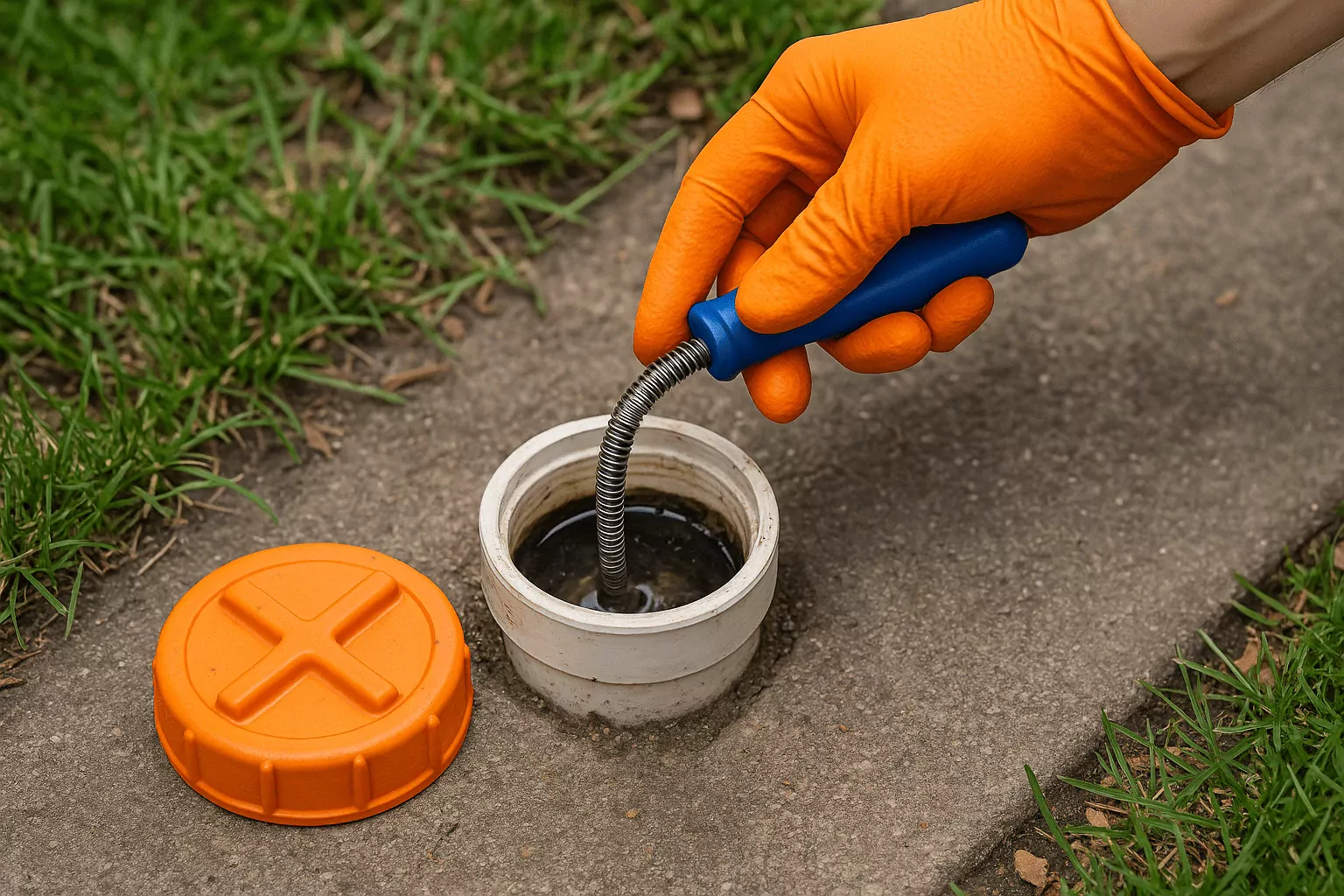
Keeping your sewer line healthy starts at the cleanout, and homeowners searching for sewer cleanout Orange solutions can often prevent backups with a few smart steps. This guide walks you through safe DIY inspection and cleaning, plus clear signs of when to call a pro in Orange, TX. You will learn how to locate your cleanout, choose the right tools, and apply proven methods that match Southeast Texas soil and weather conditions. We include real local examples from Orange, Beaumont, and Bridge City so the advice feels practical and relevant. To boost your success, we also share a simple maintenance checklist to keep wastewater flowing and odors at bay year-round. If you need quick help, you can always click here for sewer cleanout Orange guidance and local service options.
Find and safely access your sewer cleanout in sewer cleanout Orange homes
In Orange, TX, your cleanout is usually a short vertical pipe with a screw-on cap near the home or property line where your plumbing meets the municipal main. Start by scanning between your house and the street, near a front flower bed, or along the driveway where utility corridors often run. If your home is older, the cleanout could be closer to the foundation or hidden under mulch or grass after years of landscaping. Gently probe soft areas with a screwdriver or look for a round cap slightly above grade. Before opening anything, put on gloves and eye protection, since a pressurized blockage can release water and debris quickly.
Local conditions in sewer cleanout Orange neighborhoods can complicate access, including shallow utility lines and soils that shift after heavy rain. Avoid digging deep or prying aggressively around suspected locations to prevent damage to irrigation lines or cable runs. Loosen the cap slowly with a wrench to relieve pressure in small increments, keeping your face turned away. If the cleanout is stuck, do not use open flame or extreme force, which can crack PVC or older cast-iron fittings. For homes without a visible cleanout, consult your property survey, call 811 before you dig, or schedule a camera inspection to pinpoint the best installation spot.
Many homeowners find two cleanouts - one facing the home and one facing the street - and knowing which direction to open matters. Opening the cap on the downstream side toward the street is safer when you suspect a main line clog, because it relieves pressure away from your home. If sewage is visible at the cap, place a bucket and tarp nearby to manage any overflow during your inspection. Note any unusual smells or gurgling noises, as these clues often point to deeper obstructions like roots or collapsed sections. Document what you see with photos, which can help a technician assess the issue if DIY steps do not fully clear the line.
Step-by-step DIY methods that work for sewer cleanout Orange properties
Start your DIY cleaning with a simple flow test by running a garden hose at a moderate rate from an outdoor spigot, then monitor how quickly water exits the cleanout. If water pools immediately, you have a significant obstruction, and you should avoid adding more water to prevent a backup into the home. Next, feed a hand-crank auger into the line carefully, rotating clockwise with steady pressure to break through soft clogs like paper and grease. Withdraw the cable periodically to clean off debris, then reinsert and repeat until you feel less resistance. Rinse with the hose in short bursts, watching for improved flow and reduced standing water at the opening.
Choose cleaning solutions thoughtfully for sewer cleanout Orange lines to protect pipes and the environment. Enzyme-based drain treatments can help digest organic buildup over several hours without harming PVC or cast iron, making them a better long-term aid than harsh chemicals. Avoid caustic drain openers at the cleanout, as they can create heat, damage older pipes, and cause safety risks when splashing occurs. For stubborn grease, alternate short hose flushes with careful augering to gradually move loosened material toward the main. If you suspect roots, stop and consider a professional visit, since powered cutters and hydro jetting require training to avoid cracking fragile sections.
As you finish, replace the cleanout cap snugly to prevent stormwater and debris from entering the line, which is a common cause of recurring clogs in Southeast Texas. Clean the surrounding area and record what worked, including how many feet of cable you used and what type of debris you removed. In one Orange case near MacArthur Drive, a homeowner cleared repeated slow drains by removing a compacted wipe blockage with a 25-foot hand auger and switching to enzyme maintenance. In Bridge City, a rental property avoided weekend backups after the owner documented grease patterns and set a monthly rinse routine. These practical notes make future DIY efforts faster and guide professionals if service is needed later.
Prevention strategies tailored to sewer cleanout Orange climates and soils
Prevention is the cheapest fix, and small habits make a big difference in sewer cleanout Orange results. Keep wipes, paper towels, and feminine products out of toilets, and pour fats, oils, and grease into a sealed container for trash rather than the sink. Periodically rinse kitchen drains with hot water and a small amount of dish soap to keep lines slick, then follow with cool water to solidify any residual grease in the trap for capture. Outdoors, keep the cleanout area clear of mulch and roots, and consider root barriers for aggressive trees near the lateral. After heavy rains, check the cap to ensure it remains sealed so stormwater does not overload the system.
Schedule a simple quarterly routine that includes a visual inspection, a short hose flush test, and an enzyme treatment overnight if you notice recurring slow flow. If your home has mature oaks or live oaks close to the sewer lateral, have a professional camera inspection every 18 to 24 months to spot early intrusion. Homes in Beaumont and low-lying parts of Orange may experience surcharge during intense storms, so consider a backwater valve if you have a basement or low fixtures. Teach everyone in the household the basics of what not to flush and where the cleanout is located for quicker response during an emergency. These steps extend the life of your pipes and reduce the likelihood of weekend or holiday backups.
Tap into credible guidance as you refine your maintenance plan. The U.S. Environmental Protection Agency provides helpful background on preventing sewer overflows and keeping contaminants out of wastewater systems at this resource. For local infrastructure questions, Orange residents can review Public Works contacts and updates via the City of Orange Public Works Department page. Pairing authoritative resources with local best practices helps you avoid myths, like flushing additives to fix major blockages, which often do not work. A balanced approach protects your drains and supports the broader community sewer network.
When DIY is not enough - pro help for sewer cleanout Orange and nearby cities
Some situations demand professional tools and training, and recognizing those moments saves time and money for sewer cleanout Orange homeowners. If you see sewage backing up indoors, notice persistent gurgling across multiple fixtures, or smell strong sewer gas, call for service immediately. 409 Plumbing uses camera inspections to identify the exact cause, whether it is a sagging line, a root ball, or a collapsed section near the street. In one Beaumont case, a homeowner experienced repeated clogs after storms; a camera revealed a partial offset joint that trapped debris, which was corrected with a spot repair. In another Bridge City example, hydro jetting cleared heavy scale and grease after a nearby restaurant grease dump impacted shared laterals.
Professional methods go beyond hand tools, including hydro jetting to scour pipe walls, sectional cable machines for long runs, and trenchless spot repairs where soil conditions allow. These approaches minimize yard disruption and reduce repeat clogs that simple augers cannot fully resolve. When combined with a maintenance plan, your line can perform like new despite age and local soil movement. If you want to see what comprehensive service looks like, explore our plumbing and drain services page for a full overview. To focus specifically on drains, our drain cleaning solutions detail methods we tailor to Orange clay and Gulf Coast weather.
Clear communication is part of a good service call, and 409 Plumbing shares video findings and a step-by-step plan so you can make informed decisions. We also provide practical guidance on what to do before and after service, like limiting water use or staging outdoor access to the cleanout. If you need rapid scheduling or weekend assistance, reach our team through the contact page or by calling 409-444-0066. Local crews mean faster arrivals across Orange, Beaumont, and Bridge City, reducing downtime and preventing damage to flooring and drywall. When you combine smart DIY steps with timely pro help, you get the best of both worlds - savings and reliability.
Smart DIY steps, paired with timely pro help, are the winning formula for sewer cleanout Orange homeowners who want to prevent backups and protect their property. Locate and open your cleanout safely, use manual tools and enzyme cleaners wisely, and build a simple maintenance routine that fits Southeast Texas conditions. When symptoms point to deeper issues, call 409 Plumbing for camera inspections, hydro jetting, and targeted repairs that solve problems for the long term. We serve Orange, Beaumont, and Bridge City with fast arrivals and clear pricing. For friendly help now, call 409-444-0066 or reach us through our contact form to schedule service.
Frequently Asked Questions About DIY Sewer Cleanout
How do I find my cleanout for sewer cleanout Orange service?
Look for a short vertical pipe with a screw cap between your house and the street, often near the front yard utility corridor or a driveway edge. In older Orange homes, it may sit close to the foundation or be hidden beneath mulch or lawn soil. A metal detector can help if the cap is cast iron, and gently probing with a screwdriver often reveals a buried lid. If you have two cleanouts, the downstream one toward the street is the safer release point for pressure. When you still cannot locate it, consult property records or call a professional for a camera trace to map the lateral quickly and accurately.
Is it safe to use chemical drain cleaners at my cleanout?
Caustic chemical drain cleaners can be hazardous, especially when opening a pressurized cap, and they may damage older cast-iron or fragile PVC. Enzyme-based treatments are safer and work gradually on organic buildup without creating heat or fumes. If you have standing sewage at the cleanout, do not pour chemicals in, as splashing can cause injury and mixing with household products may release toxic gas. Manual methods like a hand auger and controlled hose flushes are safer first steps for most clogs. For hard obstructions or suspected roots, stop DIY efforts and call a pro for camera diagnostics and targeted clearing.
What are the signs I need a professional for my sewer cleanout Orange home?
Call a professional if multiple fixtures back up simultaneously, you hear gurgling from toilets when sinks drain, or sewer odors persist indoors. Standing sewage at the cleanout that does not recede after light augering or short hose tests is another red flag. Recurrent clogs within weeks suggest deeper issues like root intrusion, offset joints, or pipe collapse that DIY tools cannot fix. If your home is in a low-lying area of Orange or Beaumont and backups follow heavy rains, you may have infiltration or surcharge that needs expert evaluation. When in doubt, a quick camera inspection pinpoints the cause and prevents guesswork.
How often should I perform maintenance on my cleanout and line?
Most homes benefit from a quarterly check that includes a quick visual inspection at the cleanout, a short hose flow test, and an overnight enzyme dose if slow flow returns. If you have mature trees near the lateral, schedule a camera inspection every 18 to 24 months to catch small root intrusions early. After major Gulf Coast storms, verify the cap is tight and free of cracks so stormwater does not enter the line. Kitchens that see heavy cooking should add monthly hot water and dish soap rinses to reduce grease buildup. Consistent, light maintenance keeps wastewater moving and significantly reduces the risk of surprise backups.

Registered Master Plumber Texas State Board of Plumbing Examiners
RMP #44702
Licensed and Bonded
Cities Serviced
409 Plumbing
Follow Us On
© 2026 409 Plumbing. All Rights Reserved.
Website Design and Hosting Provided by LocalBizBuzz,co