
24 Hour Service
Call 409-444-0066
Top Signs You Need Toilet Flange Repair
in Port Arthur TX
Identify the key symptoms of a failing toilet flange and ensure a proper repair in Port Arthur, TX for a hassle-free bathroom.
Introduction
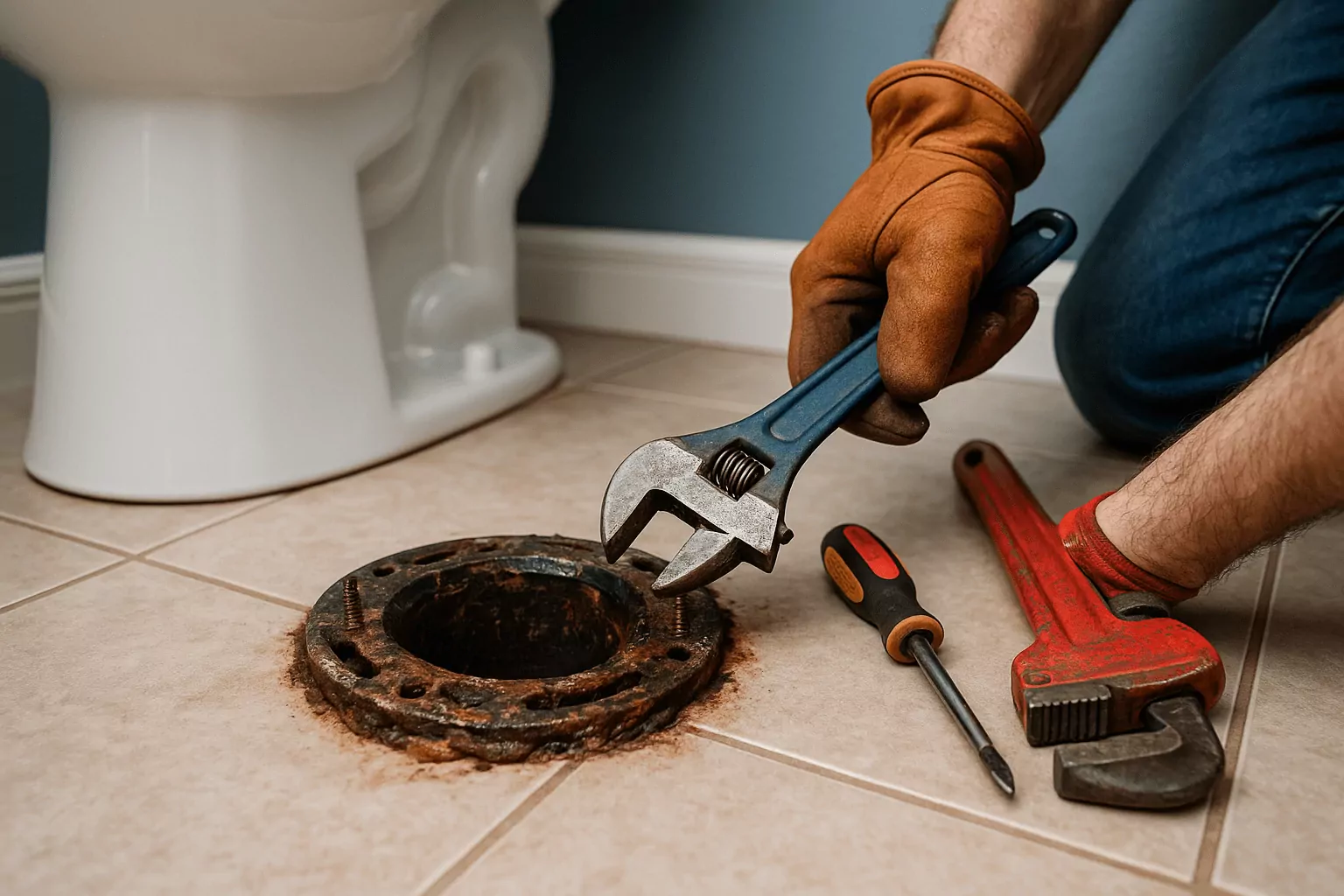
If your toilet rocks, leaks, or gives off a foul odor, you may be dealing with a failing flange, and timely toilet flange repair Port Arthur TX can prevent bigger problems. The flange secures your toilet to the drain pipe and floor, and when it cracks, corrodes, or sits at the wrong height, it compromises both stability and the wax or rubber seal. In Port Arthur's humid, coastal climate, moisture and salt-laden air can speed up rust and decay, especially on older cast-iron or steel components. Small warning signs often start as minor wobbling or a faint musty smell before escalating to visible water damage around the base. Acting early can save you from subfloor rot, mold growth, and repeated clogs that frustrate everyday use. If you suspect trouble, explore the top signs below, then schedule professional help for fast, durable repairs such as toilet flange repair Port Arthur TX.
Main Content
Wobbling, shifting, or loose toilets are early red flags for toilet flange repair Port Arthur TX
A toilet should never wobble under normal use; movement usually means the flange or the closet bolts have failed. When bolts corrode or pull through a cracked flange, the bowl loses its rigid connection to the floor and starts to shift. This rocking motion breaks the wax ring seal and allows wastewater or sewer gas to escape. In homes with tile or vinyl flooring, you may notice a subtle creak or scrape when the toilet moves, or the caulk line may split where the base meets the floor. Left unchecked, each sit and stand can worsen the damage, turning a small hardware fix into a full flange replacement and base rebuild.
We often see this in older Port Arthur properties where the flange sits below a newer finished floor, leaving bolts too short to maintain clamping force. In one recent case near the Port Arthur-Orange corridor, a homeowner reported a gentle sway after a flooring update; inspection revealed the flange was nearly 1/2 inch low and partially rusted. A proper repair included a stainless repair ring and a spacer to bring the flange to the correct height, plus new closet bolts and a premium seal. After the fix, the toilet felt rock-solid, and the faint musty odor disappeared within a day. If you notice movement, pause use, shut off the water, and book a professional assessment before hidden damage spreads.
Persistent leaks, staining, or soft flooring around the base point to seal and flange failure
Water around the toilet base is a classic symptom of a failed seal, but the underlying cause is often a damaged or misaligned flange. You may see slow-forming yellow or brown stains, damp grout lines, or water weeping from the base after each flush. In Port Arthur's humidity, even small, intermittent leaks can feed mold and mildew, which is not only unsightly but can affect indoor air quality over time. The Environmental Protection Agency notes that moisture control is the key to preventing mold growth; eliminating leaks quickly dramatically reduces risks. If towels or mats near the toilet frequently feel damp, the flange and wax ring need immediate attention to stop ongoing infiltration.
Hidden water intrusion also jeopardizes subfloors, especially in wood-framed bathrooms common in Southeast Texas. Soft or spongy flooring near the toilet signals advanced deterioration beneath the surface. We use moisture meters and careful inspection to determine if the subfloor or underlayment has been compromised, then coordinate repairs alongside the flange fix if needed. Addressing the source first prevents repeated damage and protects remodeled finishes like luxury vinyl plank or tile. For reliable guidance and comprehensive solutions, explore our plumbing services to see how we approach leak diagnostics and long-term repairs.
Sewer gas odors, recurring clogs, or gurgling sounds can indicate misalignment or a broken flange
A healthy toilet should seal sewer gases out of your bathroom; if you smell rotten eggs or a persistent musty odor near the base, the flange or seal may be compromised. A warped, corroded, or cracked flange allows gas to escape even when no visible water leak is present. Misalignment can also throw off the toilet's outlet angle, disrupting smooth waste flow and causing slow flushes or frequent clogs. In some homes, you might hear gurgling from nearby drains when the toilet is flushed, suggesting venting or seal issues that deserve prompt attention. These performance clues are your cue to schedule inspection before odors and functional problems worsen.
Beyond smell and noise, performance hiccups like double flushing, weak siphon, or frequent plunger use can stem from an improper flange height. If the flange is too low, the wax ring may collapse over time, constricting the outlet; if it is too high, the toilet can rock and break the seal. A professional will verify proper positioning, secure the bowl with new hardware, and select the right seal thickness for your floor and flange level. Reference materials from industry groups such as the International Association of Plumbing and Mechanical Officials explain best practices for toilet connections and performance. For a technical overview, see IAPMO's resource on how a water closet works: IAPMO water closet basics.
Storm impacts, slab shifts, and Gulf Coast corrosion accelerate the need for toilet flange repair Port Arthur TX
Port Arthur's coastal environment can be tough on plumbing connections, and toilet flanges are no exception. Seasonal storms, flooding, and rapid humidity swings can loosen anchors and corrode older metal rings. On slab foundations, minor settling or post-storm shifts can nudge a toilet out of level, stressing the flange and seal. In elevated or pier-and-beam homes, subfloor flex and moisture from crawlspaces can cause screws to loosen and wood to degrade, again breaking the bowl-to-flange bond. When you combine these factors with remodels that change finished floor heights, the risk of flange misalignment increases substantially.
After weather events, we recommend a quick post-storm bathroom check to catch small issues early. Confirm the toilet is firmly anchored, inspect for new cracks in caulk lines, and note any fresh spot odors or dampness. If you recently upgraded flooring, verify that the flange sits roughly 1/4 inch above the finished floor surface for an optimal seal and to reduce rocking. Addressing height discrepancies with approved spacers or repair rings helps avoid chronic leaks and recurring repairs. For more on moisture and indoor air concerns after leaks, consult the EPA's guide on mold prevention: EPA mold resources.
Conclusion
Spotting early signs of flange trouble can save you from costly water damage and ongoing bathroom frustrations. Wobbling, persistent dampness or stains, odors, and performance hiccups like clogs or gurgling are all cues to act quickly. In our Gulf Coast environment, storms, humidity, and corrosion make vigilant maintenance especially important. A precise evaluation will confirm whether you need a repair ring, spacer, or complete replacement, and proper height and anchoring will prevent future failures. For expert help, internal resources, and related guides, explore our services, browse helpful tips on our blog, or contact 409 Plumbing to schedule your inspection.
Ready to restore a safe, stable, and odor-free bathroom? Call 409 Plumbing at 409-444-0066 or visit us at 515 Camellia Avenue, Orange, Texas 77630. We proudly serve homeowners in Orange, Beaumont, Bridge City, and the greater Port Arthur area with prompt, code-compliant toilet flange repair solutions. Our licensed team will diagnose the root cause, protect your flooring, and deliver repairs built to last. Meta Title: toilet flange repair Port Arthur TX. Meta Description: Fast, reliable toilet flange repair in Port Arthur, TX. Stop leaks, odors, and wobbling today with licensed local plumbers you can trust.
Frequently Asked Questions
How do I tell if the wax ring failed or if the flange itself needs repair?
Wax rings can fail from age, compression, or movement, leading to leaks and odor even when the flange is intact. However, if your toilet wobbles, the closet bolts spin freely, or you see rust around the ring area, the flange is likely damaged. A plumber will remove the toilet to inspect the flange's condition, material, and height relative to the finished floor. If the flange is cracked, corroded, or below grade, we recommend a repair ring, spacer, or full replacement depending on severity. Fixing only the wax ring without correcting flange defects often results in repeat leaks within weeks or months.
Can I use a repair ring or spacer instead of a full flange replacement?
Yes, many situations allow for durable repairs using stainless repair rings that reinforce broken bolt ears or secure new hardware. If the flange is structurally sound but too low after new flooring, spacers can raise it to the proper height for a reliable seal. When the flange is severely corroded or the pipe connection is compromised, a full replacement is the safer, longer-lasting option. A licensed plumber will evaluate subfloor condition, pipe material, and code requirements to recommend the right approach. Using the correct method prevents ongoing leaks, rocking, and odors while protecting your floor and subfloor.
How much does toilet flange repair cost, and how long does it take in Port Arthur?
Costs vary based on access, flange material, height corrections, and any subfloor repairs. Simple repairs with a ring and new hardware typically take 60 to 90 minutes, while replacements or subfloor fixes can extend to several hours. We provide upfront, written estimates so you know exactly what to expect before work begins. Most homeowners prefer scheduling during the same visit to limit downtime, and we stock common parts to speed resolution. For quick scheduling and transparent pricing, visit our contact page or call 409-444-0066 today.
Is toilet flange repair a DIY job, or should I hire a professional plumber?
Handy homeowners can sometimes replace a wax ring or add a spacer, but accurate diagnosis and long-term reliability are where pros shine. Mistakes like overtightening bolts, setting the flange at the wrong height, or misaligning the outlet can cause chronic leaks and odors. Professionals also check subfloor moisture, confirm venting and drain performance, and comply with local code requirements. With specialty tools and proven methods, a licensed plumber ensures a stable, code-compliant installation that stands up to Port Arthur's climate. For peace of mind and a warranty-backed repair, consider booking service with an experienced local team.

Registered Master Plumber Texas State Board of Plumbing Examiners
RMP #44702
Licensed and Bonded
Cities Serviced
409 Plumbing
Follow Us On
© 2026 409 Plumbing. All Rights Reserved.
Website Design and Hosting Provided by LocalBizBuzz,co