
24 Hour Service
Call 409-444-0066
Top Signs You Need to Replace Your Water Heater Thermostat in Bridge City
Identify clear warning signs that indicate it's time to replace your water heater thermostat in Bridge City for optimal efficiency and comfort.
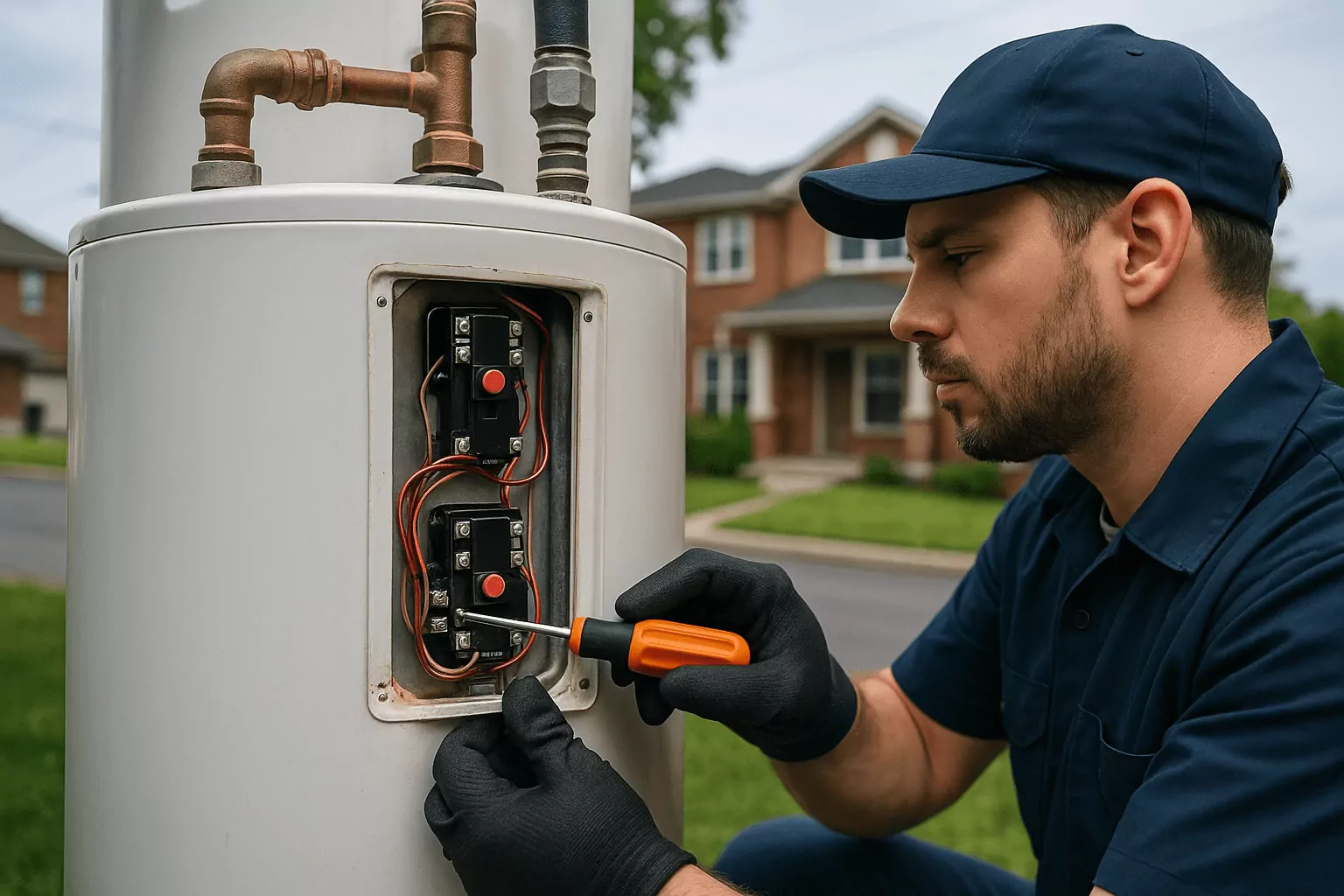
If your hot water turns lukewarm without warning, the issue may be more than simple wear and tear. For many homeowners, the thermostat is the hidden culprit that quietly fails before the rest of the system. Knowing when to replace water heater thermostat Bridge City can save you money, reduce downtime, and protect your home from bigger repairs. In our humid Southeast Texas climate, components endure extra stress that can accelerate thermostat issues. This guide explains the top signs, troubleshooting steps, and replacement tips tailored to Bridge City, Orange, and Beaumont homes. You will also learn when a DIY test is safe and when it is time to call a licensed pro at 409 Plumbing.
Inconsistent temperatures: top sign to replace water heater thermostat Bridge City
Irregular water temperature is the classic signal that your thermostat is failing or out of calibration. You might get a hot shower one moment and an icy blast the next, even when no one else is using hot water. This symptom often appears first in electric water heaters because the upper and lower thermostats must coordinate to deliver stable temperatures. In Bridge City homes with older tanks, mineral buildup and frequent cycling can push a weak thermostat over the edge. If you notice a pattern of sudden changes, start documenting times and usage so you can explain the issue clearly to a technician. Consistent fluctuations are a strong indicator that it is time to replace the thermostat before it damages heating elements.
We recently helped a Bridge City homeowner whose 12-year-old electric heater would run scalding hot, then drop to barely warm in minutes. A quick test showed the upper thermostat was sticking, causing the element to overheat and then shut off abruptly. After replacing the faulty thermostat and flushing sediment, the household returned to steady 120-degree water without spikes. The repair prevented premature failure of the upper heating element, which often burns out when paired with a failing thermostat. This kind of targeted fix is cost-effective compared to an emergency replacement when elements and wiring are already compromised. Addressing thermostat issues early can extend the life of a tank by several seasons.
Temperature swings can also trigger safety risks, especially for children and seniors. A thermostat stuck on a higher setting can push water past safe limits and increase scald risk in showers and sinks. Conversely, lukewarm water may fail to sanitize dishes or laundry properly, which becomes a hygiene issue. If your system is inconsistent, consider these quick checks before calling a pro: verify the set temperature, feel for abnormally hot water near fixtures, and listen for frequent cycling at the tank. If basic checks confirm instability, scheduling a replacement is the smartest move. It is often faster and cheaper than chasing intermittent issues across other components.
Breaker trips, long recovery times, and rising energy bills
Another common red flag is the breaker tripping when the water heater cycles on, which points to thermostat or element stress. When a thermostat fails closed, it can keep the element energized too long and drive up current draw until the breaker trips. Prolonged reheating times after a shower also suggest the thermostat is not properly commanding the lower element to recover the tank. In Bridge City and Orange, higher mineral content can add sediment around elements, amplifying the load and masking a weak thermostat. You may also see creeping utility bills as the system attempts to maintain temperature with inefficient, extended cycles. If two or more signs show up together, it is wise to test both thermostats and replace the bad one promptly.
Homeowners sometimes assume a larger tank or a full heater replacement is necessary when recovery slows. In many cases, however, a precise thermostat swap restores performance and avoids a costly purchase. For example, a Beaumont family called us for a 50-gallon tank that took nearly two hours to reheat after evening showers. Testing revealed the lower thermostat was not engaging consistently, so the system relied only on the upper element. Replacing the thermostat and flushing sediment cut recovery to under 40 minutes and reduced energy use the next month. Tackling the root cause, not the symptom, keeps your budget in check and your hot water reliable.
If you suspect thermostat-related inefficiencies, consider tracking: shower-to-shower recovery time, frequency of breaker trips, and any buzzing or humming at the tank. A short list of warning signals includes the following patterns that align with thermostat trouble:
Visual inspection, age, and when to replace vs repair
Visual cues provide valuable clues on whether to replace water heater thermostat Bridge City homeowners can rely on. Remove the access panels and look for discoloration, melting, corrosion, or moisture around the thermostat and wiring. Moisture from a leaky tank or a sweating cold-water line can cause intermittent shorting and thermostat failure. If the tank is 10 years or older, compounding factors like sediment, an aging anode rod, and frequent cycling increase thermostat stress. In these cases, replacing a thermostat can be a smart bridge to buy time while you plan for a future tank upgrade. But if you see severe rust, tank leaks, or insulation saturated with water, it may be smarter to replace the entire water heater.
It is also important to distinguish thermostat issues from element or gas control problems. For electric units, a good test is to check both elements for continuity and ground faults before blaming the thermostat. On gas water heaters, inconsistent hot water can also be tied to a failing gas control valve or a pilot/thermocouple problem rather than a simple thermostat dial. If you are unsure, a licensed plumber can test components under load for a definitive answer. When the thermostat is confirmed to be the problem, choose a high-quality OEM or compatible replacement that matches your model and voltage. Reliable parts paired with proper calibration reduce callbacks and extend system life in our local climate.
DIY checks vs professional help in Bridge City
Some basic diagnostics are safe for handy homeowners, but always prioritize electrical safety. Turn off power at the breaker and verify the tank is de-energized before removing any panels. With a non-contact voltage tester and a multimeter, you can confirm power is off and check thermostat continuity against manufacturer specs. If your tests show erratic readings or visible heat damage, a replacement is likely the most prudent path. When in doubt, avoid guesswork that could risk shock or void warranties. A professional service call can quickly confirm the issue, provide an exact part match, and ensure a safe installation.
If you are exploring next steps, consider these options to move forward efficiently:
For local, same-day help, 409 Plumbing services Bridge City, Orange, and Beaumont with licensed technicians who carry common thermostat parts. If you are ready to replace water heater thermostat Bridge City, we can test the system end-to-end and verify safe operation before we leave. Our team also provides guidance on insulation, anode care, and temperature settings for comfort and safety. Many homeowners pair thermostat service with a tank flush to improve recovery time and efficiency. Taking a whole-system view prevents repeat breakdowns and helps you get the most out of your existing equipment.
Thermostat issues often start subtly, but the signs become clear once you know what to watch for. Inconsistent water temperatures, longer recovery times, breaker trips, and visible heat damage all point toward a failing control. Addressing these clues early can save you money, reduce stress, and extend the life of your equipment. If you live in Bridge City, Orange, or Beaumont, 409 Plumbing can diagnose and replace your water heater thermostat quickly and safely. We pair precise testing with quality parts so your hot water stays steady and efficient. Call 409 Plumbing at 409-444-0066 to schedule service.
Ready to restore reliable hot water and prevent costly breakdowns? Explore our local water heater repair options, request a quote through our contact form, or browse our full range of plumbing services. For safety and efficiency guidance, review the U.S. Department of Energy's water heating tips at Energy.gov and consult manufacturer resources like Rheem Product Support for model-specific instructions. When you need dependable, local expertise to replace water heater thermostat Bridge City homeowners trust, our team is here to help.
Frequently Asked Questions About Replacing Your Water Heater Thermostat
How do I know for sure that the thermostat is the problem and not the heating element?
Start with a visual inspection of wiring and the thermostat cavity for signs of heat damage or corrosion. Then, with power off, test each heating element for continuity and check for ground faults using a multimeter. If elements test good but temperature control remains erratic, the thermostat is the prime suspect. You can also compare actual water temperature to the thermostat setting after a full heat cycle. If water temperature overshoots or undershoots the setpoint repeatedly, replacement is advisable. A licensed plumber can confirm with load testing to remove any doubts.
Is it safe to replace a water heater thermostat myself?
Electric water heaters operate on high voltage, so safety is the top priority. If you are experienced with electrical work and have proper tools, a thermostat swap is straightforward on many models. Always shut off power at the breaker, confirm with a voltage tester, and follow the manufacturer's wiring diagram exactly. However, if there is any uncertainty, hiring a professional avoids shock risks, miswiring, and voided warranties. In Bridge City and surrounding areas, a licensed technician can typically complete the job the same day. A pro will also inspect elements, wiring, and safety switches to ensure the repair lasts.
What temperature should I set after replacing my thermostat?
Most households do well at 120 degrees Fahrenheit for a balance of comfort, energy savings, and safety. This setting reduces scald risk while keeping bacteria in check for typical home use. If you have a dishwasher without a booster heater, you might consider 130 degrees, but use anti-scald devices at fixtures. The U.S. Department of Energy provides guidance on water heating efficiency and safe setpoints you can follow. After any thermostat replacement, verify actual temperature at a faucet with a thermometer and fine-tune as needed. If temperatures drift more than a few degrees, recheck calibration or wiring connections.
When should I replace the entire water heater instead of just the thermostat?
If your tank is 10 to 12 years old with visible rust, leaks, or persistent sediment, a full replacement may be the better investment. Replacing the thermostat on a failing tank can be a short-term patch that delays the inevitable. Consider total cost of ownership: frequent repairs, rising energy bills, and downtime all add up. If the heat exchanger or tank is compromised, it is best to plan a proactive replacement rather than waiting for an emergency. A plumber can provide side-by-side estimates to compare a thermostat swap versus a new, efficient unit. This approach helps you make a confident, cost-effective decision based on your home's needs.

Registered Master Plumber Texas State Board of Plumbing Examiners
RMP #44702
Licensed and Bonded
Cities Serviced
409 Plumbing
Follow Us On
© 2026 409 Plumbing. All Rights Reserved.
Website Design and Hosting Provided by LocalBizBuzz,co