
24 Hour Service
Call 409-444-0066
Top Signs You Need Emergency Gas Line Repair
in Port Arthur
Identify critical indicators that signal the need for urgent gas line repairs in Port Arthur to ensure your safety and prevent costly damage.
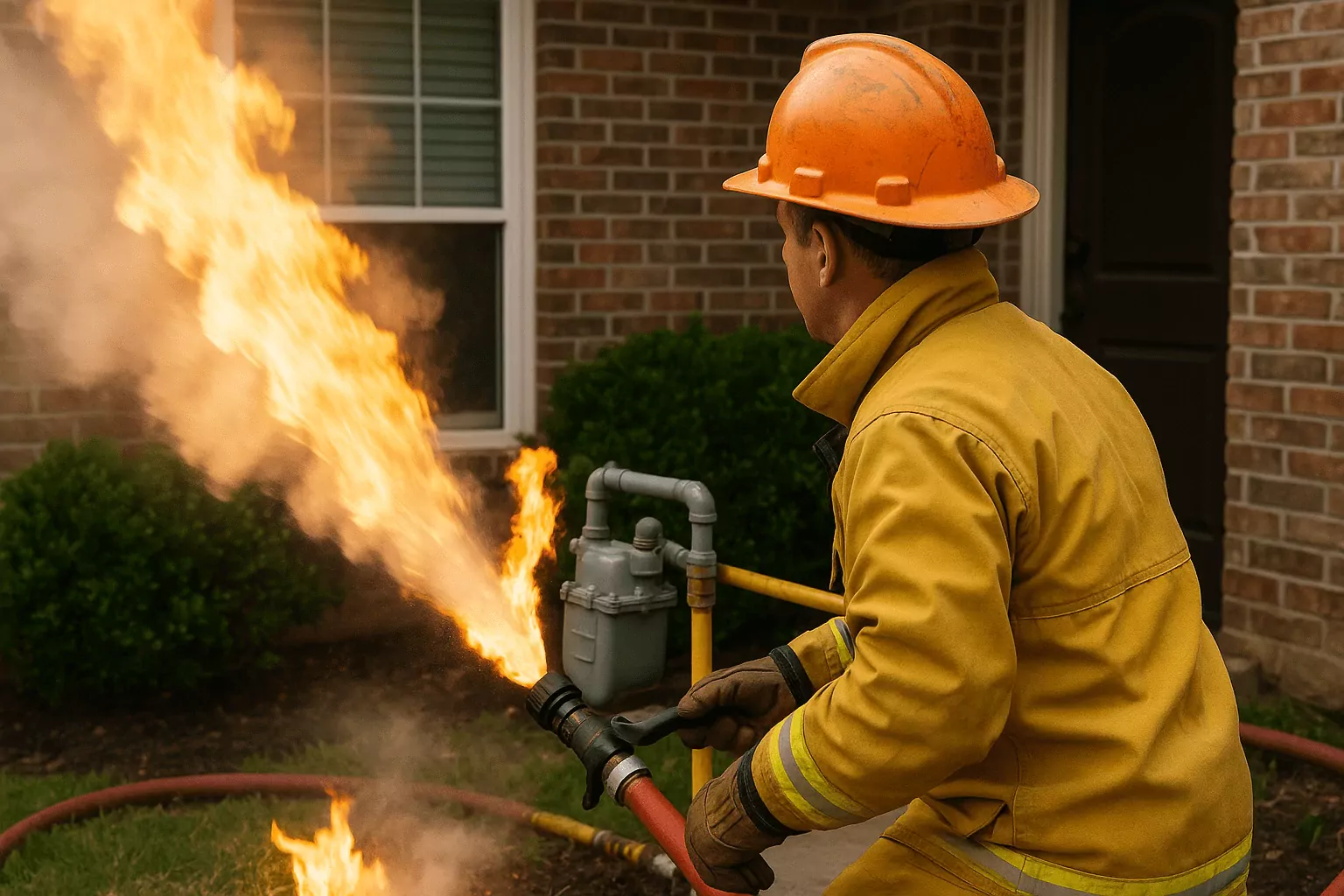
Recognizing the earliest warning signs of a gas leak can prevent catastrophic outcomes and keep your family safe, especially when you need emergency gas line repair Port Arthur homeowners can trust. Natural gas is efficient and reliable, but even minor line damage or faulty fittings can escalate quickly into fires, explosions, or carbon monoxide exposure. In coastal communities around the Golden Triangle, shifting soils, storm impacts, and aging infrastructure can all contribute to hidden gas line vulnerabilities. The key is knowing which sights, sounds, smells, and symptoms demand immediate action and professional help. In this guide, you will learn how to spot high-risk indicators, what steps to take right away, and when to call a licensed specialist. You will also find local insights, case examples, and resources to make confident decisions the moment you suspect a leak.
Smell, sound, and sight: the fastest clues you need emergency gas line repair Port Arthur
The most recognizable sign of a dangerous gas leak is the distinct rotten-egg odor, which comes from a harmless additive called mercaptan. If you smell it strongly inside or outside your home, treat it as an emergency and avoid flipping switches or using phones near the suspected leak. A second fast clue is a hissing or whistling noise near gas appliances, meter boxes, or the line itself, pointing to pressurized gas escaping through a crack or loose connection. Visual cues matter, too, such as dust blowing from a small hole in the ground, a visible mist or fog near the line, or a small flame if ignition occurs. In one Port Acres case, a homeowner noticed a persistent hiss behind the dryer; quick evacuation and a professional shutdown prevented a flash fire.
Outdoor indicators can be just as urgent as indoor ones when you are near a buried service line or the meter. Pay attention to an unusual patch of waving grass on a still day, dirt bubbling up in puddles, or a sudden vibration near the meter assembly. If you see singe marks or dark streaks on walls around a gas appliance, that may signal incomplete combustion due to pressure problems or a leak. When you encounter any of these high-alert signs, leave the area immediately and contact emergency services and a qualified technician for emergency gas line repair Port Arthur. Acting within minutes can drastically reduce risk and protect neighbors in dense residential blocks.
Hidden leak indicators and when to call emergency gas line repair Port Arthur
Not all gas leaks announce themselves loudly; many begin as subtle inefficiencies that show up on your monthly bills or around your yard. An unexplained spike in your gas bill, despite similar weather and usage, can suggest a slow leak between the meter and appliances. Dead or discolored vegetation forming a narrow stripe or patch along the buried gas line is another classic warning sign. In soggy areas after rain, you may also notice bubbles rising from the soil or standing water, which can indicate gas seeping from an underground joint. A Bridge City homeowner once reported a faint odor outside only after noticing a higher bill and a dying St. Augustine strip; technicians uncovered a corroded elbow just beyond the meter.
Soil shifts from heavy storms and routine settling can loosen joints, especially in older Port Arthur neighborhoods with mixed piping materials. Watch for ground erosion or recent digging near your service line, including fence or landscape installations, which could nick a pipe. If you suspect damage after a project, call 811 before any new digging and arrange for a professional pressure test to confirm integrity. When these quieter clues stack up, resist the urge to troubleshoot alone, as a spark from static, a tool, or even a doorbell can trigger ignition. Instead, schedule a prompt site assessment with a licensed pro and use a reputable resource such as the Texas 811 program and the Pipeline and Hazardous Materials Safety Administration for safe digging and pipeline safety guidance. For ongoing maintenance, explore plumbing and gas line services to keep your system in top shape.
Health symptoms and appliance performance issues that demand emergency gas line repair in Port Arthur
Gas leaks can impact health quickly, particularly in enclosed spaces or poorly ventilated rooms. Common symptoms include headaches, dizziness, nausea, fatigue, and confusion, which may lessen when you step outside and return when you re-enter. If gas-burning appliances are malfunctioning, you might also see soot buildup, yellow or flickering burner flames instead of steady blue, or pilot lights that frequently go out. Carbon monoxide concerns deserve special attention; although CO is different from natural gas, improper combustion from a gas issue can generate CO, leading to chest pain, impaired vision, or flu-like symptoms without fever. The Centers for Disease Control and Prevention provides clear guidance on CO poisoning prevention and response, which is important to review before colder seasons.
If you notice these symptoms or appliance issues, act decisively to reduce risk and move people and pets to fresh air. Keep doors open as you exit, avoid creating sparks, and do not attempt to locate the leak with open flames or matches. From a safe distance, call 911 if you suspect immediate danger and then contact a licensed specialist for rapid response in the Port Arthur area. Once safe, you can also consult the National Fire Protection Association and local utility guidelines for best practices on gas appliance ventilation and maintenance. When ready, contact 409 Plumbing to arrange certified testing and repairs, plus post-repair verification to restore normal operation.
Fast recognition and decisive action are your best defenses against gas-related hazards, from rotten-egg odors and hissing to unexplained bills, dead vegetation, and health symptoms. When any of these signs appear, evacuate first, call emergency services if needed, and bring in a licensed expert to test and repair your system. For dependable help, 409 Plumbing provides rapid response and code-compliant solutions for homes in Orange, Beaumont, Bridge City, and neighboring communities. Our team can diagnose hidden leaks, replace failing fittings, and verify safe operation so you can return home with confidence. Call 409 Plumbing at 409-444-0066 to schedule service today, and explore our gas line services or contact form for immediate assistance.
Frequently Asked Questions: Emergency Gas Line Repair
What should I do first if I smell gas in my Port Arthur home?
Leave the building immediately and ensure everyone, including pets, exits to a safe distance without operating lights, electronics, or vehicles nearby. Do not try to identify the source with open flames or switch-based appliances, as a spark can ignite accumulated gas. From a safe location, call 911 if the odor is strong, you hear hissing, or symptoms like dizziness are present. After notifying emergency services, contact a licensed gas professional to perform diagnostics and stop the leak at the source. If you know how to shut off the gas at the meter and can do it safely from outdoors, you may do so, but never endanger yourself to attempt it. Wait for clearance from professionals before re-entering the property.
How can I tell the difference between a minor gas issue and an emergency?
Any detectable gas odor, hissing sound, or symptom like sudden headaches or nausea should be treated as an emergency until proven otherwise. While some issues stem from appliance malfunctions or pilot lights that simply need servicing, you cannot confirm this without testing pressure and fittings. Visual cues like yellow flames, soot, dead vegetation along the service line, or bubbles in standing water further strengthen the case for immediate action. Because ignition risk can be unpredictable, evacuating and calling professionals is always the safest first step. A licensed technician will perform leak detection, isolate the problem, and verify safe operation before you return. When in doubt, choose safety and schedule a same-day inspection.
How quickly can a technician respond for emergency gas line repair near Port Arthur?
Response times vary with call volume and weather, but urgent gas calls are prioritized to minimize risk to people and property. In the Golden Triangle, qualified teams can often arrive the same day, and in many cases within hours, depending on distance and access. When you call, be prepared to share what you observed, any symptoms, and whether you evacuated so dispatchers can triage effectively. Technicians typically bring specialized detection equipment, shutoff tools, and code-compliant materials so they can diagnose and repair in one visit when possible. If utility coordination is required, your service provider will work with them to ensure proper lockout and relight procedures. For the fastest service, call early, provide clear directions, and keep the area accessible.
Is it safe to shut off the gas myself if I suspect a leak?
If the shutoff valve is outdoors and you can reach it safely without passing through a suspected leak area, closing it with a quarter-turn may help reduce risk. However, do not attempt this if you must cross an area with a strong odor, hissing, or visible signs of leakage, as sparks or static could ignite gas. Never use tools that might create sparks, and avoid using flashlights with switches near the leak. If you are unsure how to shut off the valve or cannot do so safely, evacuate and call 911 first, then contact a licensed professional. After the incident, ask your technician to show you the correct shutoff procedure for future emergencies. Remember that turning gas back on and relighting appliances should always be handled by a qualified pro for safety and code compliance.

Registered Master Plumber Texas State Board of Plumbing Examiners
RMP #44702
Licensed and Bonded
Cities Serviced
409 Plumbing
Follow Us On
© 2026 409 Plumbing. All Rights Reserved.
Website Design and Hosting Provided by LocalBizBuzz,co