
24 Hour Service
Call 409-444-0066
Top Signs You Need Collapsed Sewer Line Repair
in Port Arthur
Identify the key indicators of a collapsed sewer line and learn how timely repairs in Port Arthur can save you money and hassle.
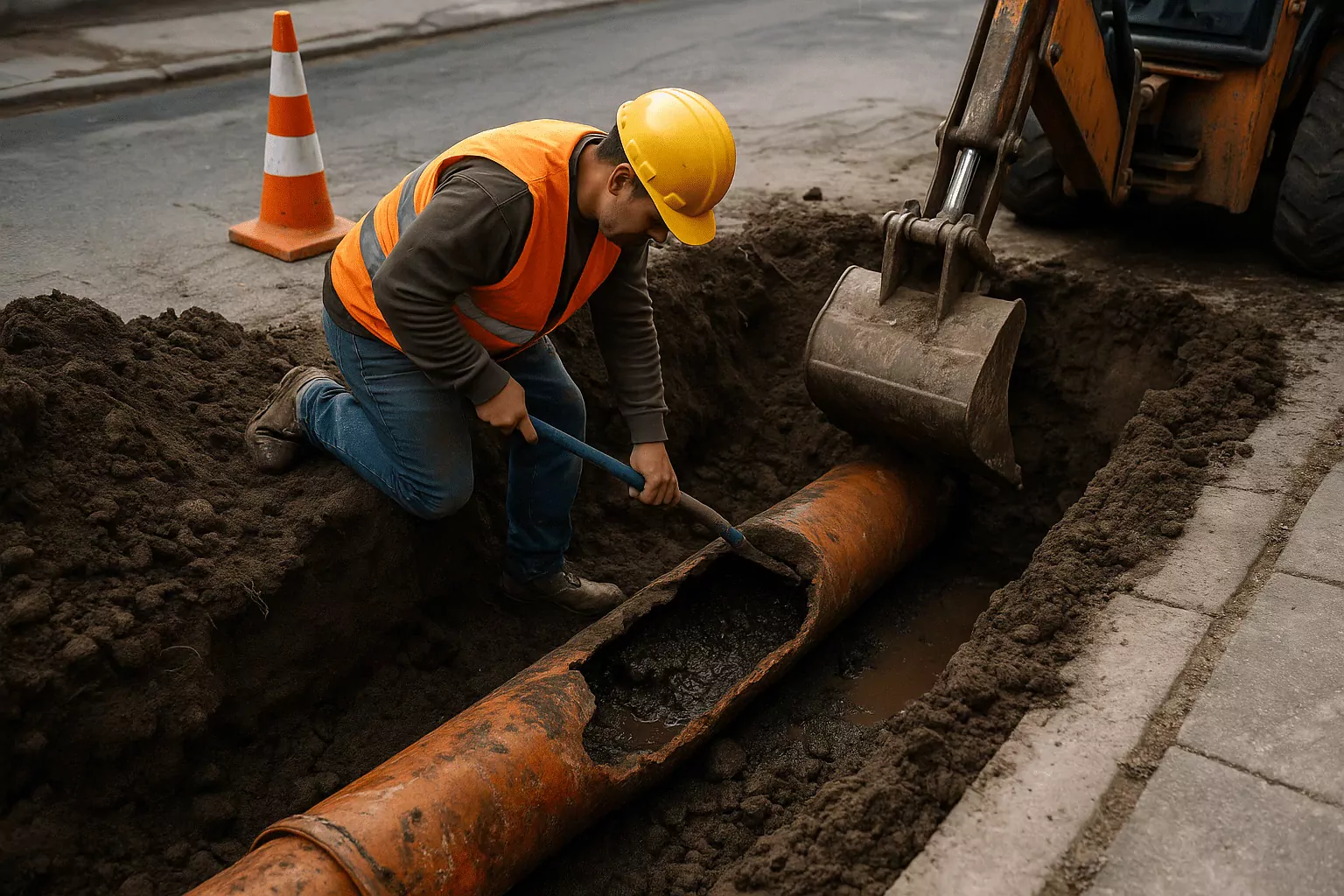
When drains gurgle, toilets back up in clusters, and foul odors linger around your yard, these symptoms could point to a failing main sewer pipe that demands urgent attention. For homeowners who need collapsed sewer line repair Port Arthur, recognizing the red flags early can prevent thousands in property damage and weeks of disruption. If you suspect a failure, do not wait for a full blockage or sewage overflow to confirm your fears. Acting quickly helps protect your foundation, landscaping, and indoor health. Start by noting consistent patterns collapsed sewer line repair Port Arthurcross multiple fixtures, then bring in licensed professionals who can verify the issue with a sewer camera and locator tools. To learn more or schedule priority service now, explore collapsed sewer line repair Port Arthur options with a trusted local team.
Early Warning Signs You Need Collapsed Sewer Line Repair in Port Arthur
Collapsed sewer lines often telegraph their condition with a combination of plumbing symptoms that show up across the home. If more than one drain slows at the same time, your main sewer lateral may be compromised rather than a single fixture clog. Gurgling or bubbling noises in toilets when another fixture drains is a classic indicator of venting and flow issues consistent with pipe deformation. Persistent sewer gas odors indoors or outside near the sewer cleanout can mean wastewater is pooling underground due to a crushed section. In Port Arthur, where high groundwater and saturated soils are common after storms, these symptoms can escalate quickly from nuisance to emergency.
We recently assisted a Port Arthur homeowner who noticed intermittent toilet backups after heavy rain, followed by a visible sinkhole forming along the path of the sewer line. A video inspection identified a collapsed section caused by soil movement and root intrusion, and the camera could not pass beyond the break. Because the property had mature trees and a recently landscaped yard, we recommended a targeted repair that preserved most of the lawn. The homeowner saved time and restoration costs by choosing a minimally invasive method approved for the soil and line condition. This case underscores why responding quickly to early signs can reduce both damage and repair complexity.
Why Sewer Lines Collapse In Southeast Texas Conditions
Southeast Texas soils expand when wet and contract when dry, producing seasonal ground movement that can weaken aging sewer pipes. Clay and cast-iron laterals, common in older homes, are especially vulnerable to corrosion, joint separation, and eventual collapse. Tree roots seek out moisture and nutrients, aggressively infiltrating small cracks and forcing them wider until the pipe wall fails. Heavy vehicle traffic over shallow lines, yard equipment, or additions built over old laterals can also stress and flatten pipes. After hurricanes or extended rain, saturated ground and buoyant forces can shift lines out of alignment, compounding pre-existing vulnerabilities.
Age and material type play a large role in collapse risk, and many Port Arthur properties still rely on legacy materials installed decades ago. Clay tile joints can fail under root pressure, while cast iron can rust from the inside out, thinning until it buckles. Even PVC, though durable, can deform if improperly bedded or subjected to repeated soil movement. It is also important to understand where homeowner responsibility ends and the municipal line begins; most property owners are responsible from the house to the tap at the street. A professional evaluation helps clarify causes, responsibility, and the most effective way to repair a compromised line.
Collapsed Sewer Line Repair in Port Arthur: How Pros Diagnose With Certainty
Accurate diagnosis begins with a structured checklist: verify symptoms across fixtures, locate the cleanout, and record when issues worsen (for example, after rain). Next, a sewer camera inspection reveals the pipe's internal condition, confirming whether the line is deformed, blocked by roots, or fully collapsed. A radio-frequency locator is then used above ground to map the exact failure point and depth, allowing for precise planning. In some cases, hydrostatic testing or localized flow tests help determine if the problem is isolated or spans multiple sections. Documentation with time-stamped video and location markings also streamlines insurance discussions and permits if excavation is needed.
Before any digging, licensed contractors call 811 to mark utilities and evaluate access, slope, and soil stability, which speeds repair and protects safety. If the camera cannot pass through a crushed section, crews may establish an additional access point to scope the remaining line. From there, your contractor will outline repair options, timelines, and yard impact. Homeowners can prepare by clearing access to cleanouts and noting recent plumbing work, which helps the crew avoid redundant steps. To understand your options, review our sewer line services overview and talk with a specialist about the best path to restore full flow.
Traditional Excavation In Port Arthur
Traditional excavation remains the best choice for severely crushed sections, shallow depths with easy access, or when spot repairs at a joint will fully resolve the issue. In Port Arthur's saturated soils, crews may use shoring and dewatering to keep trenches safe and stable during open-cut repairs.
Cost and timeline depend on depth, length, obstacles, and restoration needs such as concrete, landscaping, and irrigation. Open-cut excavation may take longer but can be more economical for short, shallow segments. A reputable team will review warranties on materials and workmanship and ensure compliance with local code and permitting processes. If you are weighing choices, compare bids that clearly list scope, restoration, and any allowances for unforeseen conditions so you can make an apples-to-apples decision.
Collapsed sewer lines demand fast, expert attention, but early recognition can save you time, money, and disruption. Watch for multi-fixture backups, gurgling toilets, foul odors, and wet ground along the line, particularly after heavy rain. With precise diagnostics and the right repair method, you can restore flow quickly and protect your home's long-term value. The right plan depends on soil, access, and pipe condition. For trustworthy guidance, estimates, and scheduling, contact 409 Plumbing to request service.
409 Plumbing is local and ready to help homeowners in Port Arthur, Orange, Beaumont, and Bridge City with licensed, code-compliant solutions. Call 409 Plumbing at 409-444-0066 to schedule an inspection. We provide fast diagnostics, video documentation, and clear repair options tailored to Southeast Texas soils and weather. For expert collapsed sewer line repair Port Arthur homeowners can trust, we aim to protect your property and peace of mind from day one.
Frequently Asked Questions About Collapsed Sewer Line Repair
What are the most common signs my sewer line has collapsed?
The most common indicators include multiple drains backing up at once and persistent gurgling in toilets when other fixtures run. You may notice sewer odors inside or outside, along with unusually green or soggy patches in the yard over the pipe route. Frequent clogs that return soon after snaking and sewage discharging from a cleanout or floor drain also point to a mainline problem. In Port Arthur's climate, symptoms often worsen after prolonged rain due to soil movement and high groundwater. If these issues sound familiar, schedule a camera inspection to confirm whether a collapse or severe deformation is blocking the line.
How fast should I act if I suspect a collapse?
Act as soon as you notice repeating, property-wide symptoms, especially backups, odors, or ground subsidence. A collapsed line will not correct itself and can escalate to a complete blockage or sewage overflow that damages floors and walls. Fast action also protects your foundation and landscaping by preventing wastewater from saturating the soil around your home. Licensed plumbers can typically provide same- or next-day diagnostics and quickly schedule repair once the cause is verified. Until then, limit water use, avoid harsh chemicals, and keep children and pets away from any standing wastewater.
Will homeowners insurance cover collapsed sewer line repair in Port Arthur?
Coverage varies by policy and carrier, but many standard policies exclude wear-and-tear or age-related failures while sometimes covering sudden, accidental damage. Some insurers offer optional sewer and drain endorsements that may help with certain repair and cleanup costs. Documentation is essential: request a written report, video recording, and a diagram showing the failure location and cause. Your contractor can provide detailed estimates that differentiate repair from restoration, which helps claims adjusters evaluate coverage. Always check with your agent to understand your specific policy and endorsements before authorizing major work.
How long does repair take and will my yard be destroyed?
Traditional excavation may take one to three days depending on depth, length, soil conditions, and restoration needs. Reputable contractors protect your property by isolating the work area, using shoring where required, and restoring surfaces to an agreed scope. While any repair can affect landscaping, careful planning and modern methods often minimize the footprint and preserve mature features. Ask for a clear restoration plan and timeline with your estimate so you know exactly what to expect.

Registered Master Plumber Texas State Board of Plumbing Examiners
RMP #44702
Licensed and Bonded
Cities Serviced
409 Plumbing
Follow Us On
© 2026 409 Plumbing. All Rights Reserved.
Website Design and Hosting Provided by LocalBizBuzz,co