
24 Hour Service
Call 409-444-0066
Top Signs You Need a Sewer Line Replacement
in Bridge City
Identify key warning signs of sewer line issues affecting homes in Bridge City and learn when replacement is necessary.
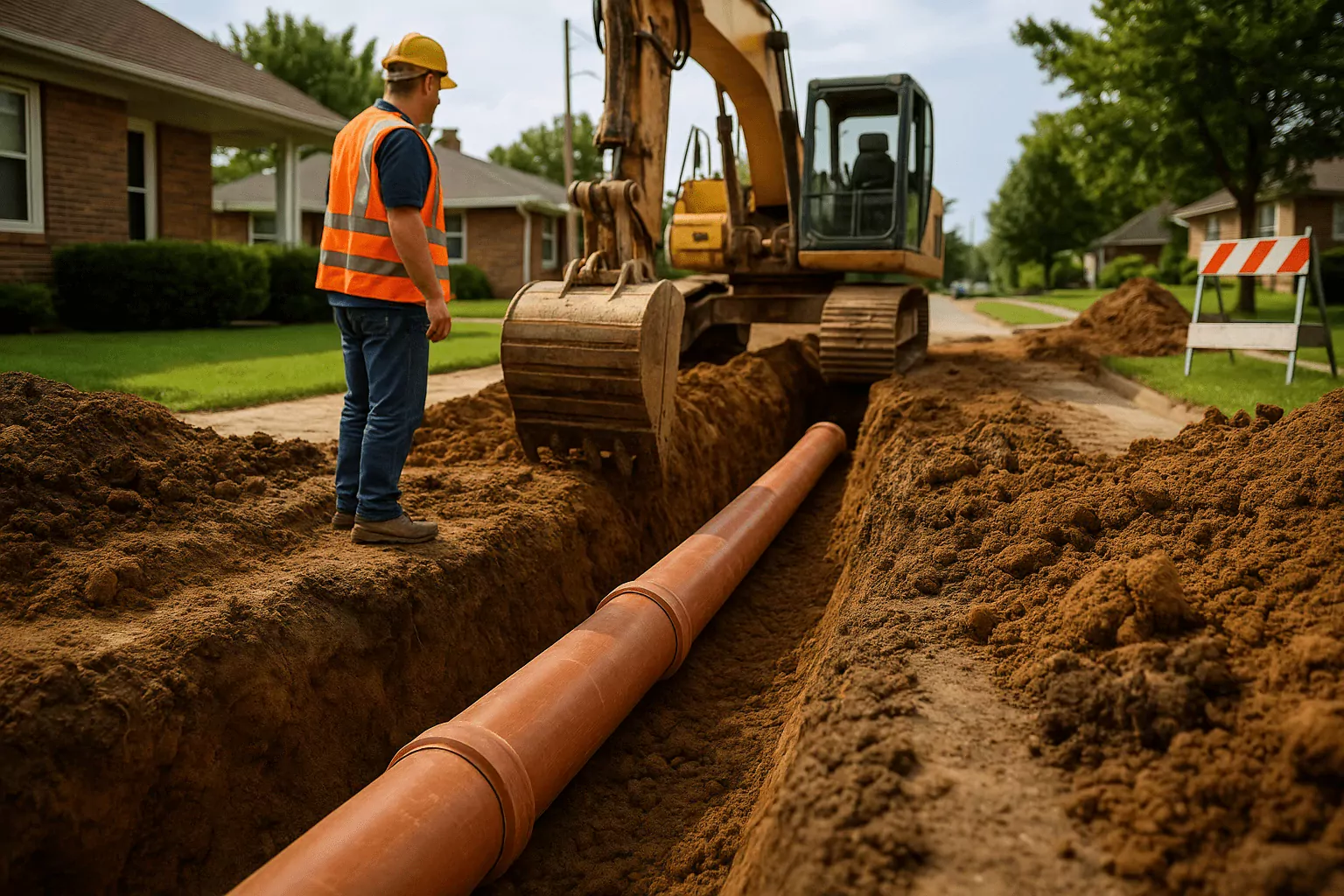
When wastewater backs up, or foul odors linger, it is easy to wonder if your home needs sewer line replacement. Bridge City homeowners can trust. Catching the warning signs early can save you thousands by preventing structural damage, contaminated yards, and emergency cleanups. In this guide, we explain the top red flags, why lines fail in our Gulf Coast climate, and how pros confirm diagnoses using modern tools. We will also cover replacement options, timelines, permits, and realistic next steps so you can plan with confidence. If you suspect a failing main line, do not wait for a major backup to decide on action. Learn what to watch for and how to move forward with sewer line replacement Bridge City from a licensed local team.
Red flags that signal sewer line replacement Bridge City homeowners should not ignore
Recurring drain clogs throughout the house are the first warning sign that often points beyond a simple fixture blockage. If multiple drains gurgle, toilets bubble when sinks are used, or you see sewage at the lowest fixture, the main line may be compromised. Persistent sewer gas odors indoors or near cleanouts can indicate cracks or failed joints letting gases escape. Outside, soggy areas, sinkholes, or unusually green patches of grass often trace to leaking wastewater that acts like fertilizer. These issues can appear intermittently, but frequency usually increases as a deteriorated or root-invaded line worsens.
Look for patterns that suggest a system-level problem rather than isolated fixture issues. For example, if snaking a single bathroom offers only brief relief before whole-home backups reappear, the obstruction is likely in the lateral or main. Heavy rains that trigger slow drains can signal infiltration through broken pipe sections or offset joints. Older homes in Bridge City and Orange County often still have cast iron or clay laterals that corrode, crack, or separate over time. If you notice rats or roaches around floor drains, that can also indicate breaches that allow pests to enter from the sewer. Because sewage contains pathogens, the Centers for Disease Control and Prevention warns homeowners to avoid exposure and call professionals for cleanup and repair when backups occur.
Why sewer lines fail in Bridge City and when replacement beats repair
Several local factors drive sewer line failures in the Bridge City, Orange, and Beaumont areas. Aging clay and cast iron pipes are common in mid-century homes, and these materials are prone to cracking, corrosion, and joint separation. Mature trees, including live oaks and pecans, aggressively seek moisture, and root intrusion through small joint gaps can quickly become a thick root mass. Our Gulf Coast soils swell and shrink with seasonal moisture changes, creating soil movement that bellies pipe runs or misaligns joints. Storm surges and heavy rain events can also accelerate infiltration and inflow, overwhelming older laterals that already have vulnerabilities.
Replacement becomes the smarter choice when damage is widespread or structural, not just a single obstruction. For instance, one Bridge City homeowner we helped had yearly root intrusions cleared by hydro-jetting, but camera inspection showed multiple fractures and an 18-foot belly holding water. Instead of repeating emergency calls, we replaced the failing section with PVC SDR pipe on a corrected slope, preventing future backups and protecting the slab. If more than 40 to 50 percent of a lateral shows cracks, offsets, or bellies, a full or segment replacement typically delivers a better long-term value than piecemeal repairs. The Environmental Protection Agency notes that infiltration and inflow through bad laterals strain municipal systems, which is another reason to fix deteriorating private lines. Investing once in a durable, code-compliant line reduces maintenance, claims, and health risks over years of ownership.
From diagnosis to solution: inspections, methods, permits, and costs for sewer line replacement Bridge City
Professional diagnosis starts with a sewer camera inspection, which reveals cracks, bellies, roots, and material type, followed by a locator to mark exact depths and paths. Smoke testing can help pinpoint cross-connections or vent issues if odors persist without visible leaks. With a clear map, your contractor will discuss options depending on soil conditions, depth, and access. Costs vary by length, depth, method, and surface restoration needs, but a transparent, line-item proposal should explain each component. Before digging, your contractor should call Texas 811 to mark utilities and handle city permits and code requirements so the job passes inspection the first time.
Open-trench is ideal for severely collapsed areas or where grade needs correction. A typical residential sewer line replacement can be completed in 1-3 days once utilities are marked and permits are approved, with water service maintained and wastewater service briefly interrupted during tie-ins. After installation, a final camera pass verifies slope and joints, and many contractors provide multi-year warranties on materials and labor. If you are researching next steps, schedule a camera inspection through our sewer services. For safety and compliance guidance, you can also review the TCEQ wastewater resources and general homeowner safety notes from the CDC before any cleanup or repairs.
If you notice persistent slow drains, sewage odors, or soggy lawn patches, it is time to evaluate your main line and consider sewer line replacement Bridge City homeowners can rely on. Early diagnosis with a camera inspection helps you compare repair versus replacement with facts, not guesswork. Our licensed team will guide you through permits, utility locates, and code-compliant installation. 409 Plumbing serves Orange, Beaumont, and Bridge City with transparent pricing, clear timelines, and warranties you can count on. Call 409 Plumbing at 409-444-0066 to schedule your inspection today. For more details on services, visit our sewer services page or reach out on the contact form to get started.
Frequently Asked Questions About Sewer Line Replacement
How do I know if I need a repair or a full sewer line replacement in Bridge City?
Start with patterns: if clogs recur across multiple fixtures and returns are frequent after snaking, the issue is likely structural rather than a single obstruction. A camera inspection is the definitive way to see cracks, offsets, root intrusions, and bellies that warrant replacement. Repairs are suitable for isolated, accessible defects, such as a single break near a cleanout or a small offset that can be corrected. When 40-50 percent or more of the line is compromised, or when grade issues cause standing water, replacement usually saves money over repeated service calls. Schedule a video inspection through our sewer services to get a clear, visual answer before you commit.
How long does sewer line replacement take, and what should I expect during the process?
Most residential replacements take 1-3 days once utilities are marked and permits approved, though complex projects can extend that timeline. Expect a brief service interruption when the old line is disconnected and the new line is tied in, typically coordinated to minimize inconvenience. Crews will protect work areas, excavate access points, replace or install the new pipe, backfill, and restore surfaces where feasible. A final camera inspection verifies slope and joint integrity, and your city inspection closes the permit. We provide clear daily communication and a cleanup plan so you know exactly what is happening and when to expect full service restored.
Will insurance cover sewer line replacement, and are financing options available?
Homeowners insurance usually excludes wear-and-tear on buried laterals, though some policies offer endorsements that cover limited breaks on your property. Coverage varies widely, so it is smart to ask your agent to clarify what is included and whether an add-on is available. If coverage is limited, many customers use financing to spread project costs over time while preventing larger losses from future backups. We can provide detailed documentation and camera footage to support any claim or financing application. Contact our team for current financing options and help coordinating with your insurer.

Registered Master Plumber Texas State Board of Plumbing Examiners
RMP #44702
Licensed and Bonded
Cities Serviced
409 Plumbing
Follow Us On
© 2026 409 Plumbing. All Rights Reserved.
Website Design and Hosting Provided by LocalBizBuzz,co