
24 Hour Service
Call 409-444-0066
Top Reasons to Consider Gas Line Rerouting
in Bridge City
Essential benefits of gas line rerouting in Bridge City for homeowners seeking safety, efficiency, and cost savings.
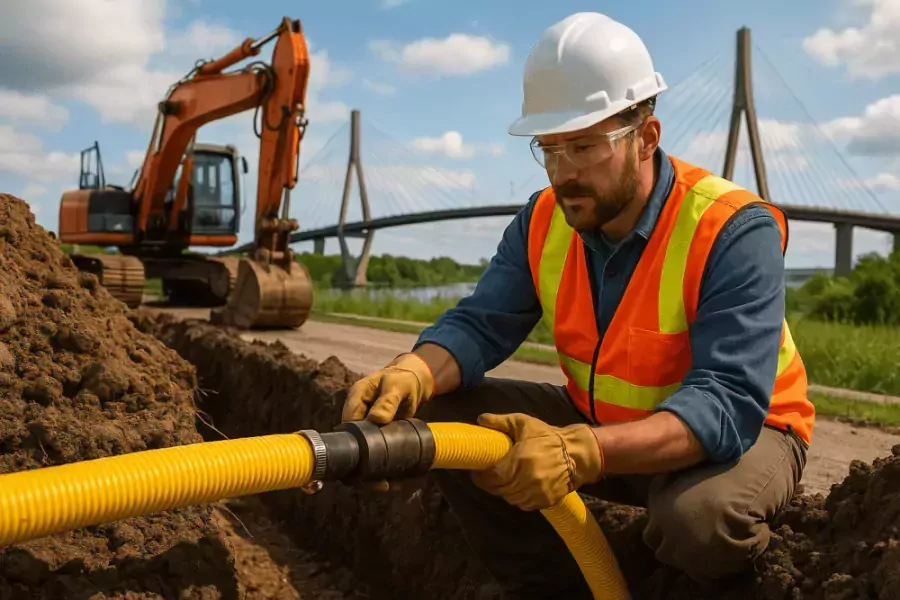
Gas lines are the hidden backbone of safe, efficient heating, cooking, and hot water, and how they are routed can make or break your property's performance. If you are planning a remodel, adding a new appliance, or addressing chronic leak concerns, it may be time to evaluate gas line rerouting in Bridge City. Homeowners and property managers often discover that a strategic reroute resolves safety risks, improves code compliance, and simplifies future maintenance. The Gulf Coast climate and local infrastructure updates can also create pressure to adjust existing lines for better resilience. Whether you manage a rental, own a single-family home, or operate a small business, thoughtful planning pays off quickly. This guide explains why gas line rerouting Bridge City projects can enhance safety, support renovations, and optimize long-term costs, and it shares practical steps to get started.
Prioritizing Safety and Code Compliance With gas line rerouting Bridge City
Safety is the first and most important reason to consider gas line rerouting Bridge City, especially when older piping runs through high-risk areas. Over time, corrosion, soil movement, and unprotected exterior segments can compromise gas lines and increase the chance of leaks. By moving lines away from hazards like settling slabs, tree roots, or flood-prone crawl spaces, you reduce stress points and improve reliability. Rerouting also creates opportunities to add shut-off valves, seismic-style flex connectors, and updated materials that meet modern standards. These upgrades are especially valuable in Bridge City, where heavy rains and seasonal storms can expose vulnerable piping and fittings.
Bringing your system up to current code is another core benefit, protecting you during inspections, insurance reviews, and property transactions. Technicians follow national and Texas fuel gas standards, verifying clearances, support spacing, and proper venting. Reference resources like NFPA 54, also known as the National Fuel Gas Code, provide a blueprint for safe installations and maintenance practices. You can explore more about this standard at the National Fire Protection Association site at NFPA 54 and pipeline safety rules at the Texas Railroad Commission at Texas Pipeline Safety. Aligning with these guidelines reduces risk, supports permitting, and gives you confidence that the reroute is built to last.
Supporting Renovations, Additions, and Appliance Upgrades
Rerouting is often the smartest way to make room for remodels and new layouts, from open-concept kitchens to accessory dwelling units. If you are moving a range, relocating a water heater, or adding a standby generator, a fresh route improves performance and appearance. For example, a Bridge City homeowner converting a garage to a studio rerouted a supply to serve a tankless heater and compact cooktop with minimal exposed piping. The new layout simplified future maintenance by grouping shut-offs in a single accessible utility closet. By planning gas line rerouting Bridge City projects early in design, you streamline permits and avoid costly change orders mid-construction.
Commercial spaces benefit too, especially restaurants and light industrial shops that frequently reconfigure equipment. A Bridge City cafe upgrading to higher-BTU appliances rerouted lines to support correct pressure and installed individual appliance shut-offs to speed service. This approach limited downtime and ensured quicker inspections because the piping plan was clear and compliant. When paired with proper sizing, regulators, and labeling, the reroute prevents bottlenecks and delivers steady performance during peak operations. If you are scheduling a build-out or refresh, consider coordinating rerouting with other trades to reduce wall openings and patchwork.
Avoiding Conflicts With Utilities, Foundations, and Storm Impacts
As neighborhoods evolve, previously safe runs can end up clashing with new utilities, foundation repairs, or drainage projects. Rerouting lets you bypass future conflict zones, such as areas slated for slab leveling, new driveways, or tree planting. In one Bridge City case, a homeowner needed a French drain and discovered the gas line intersected the trench path; a strategic reroute solved both the drainage and fuel supply issues. Utility mapping and careful planning prevent line strikes and costly delays when multiple contractors share a site. This foresight is essential in older properties where record drawings may be incomplete or outdated.
Gulf Coast weather adds another layer of risk, with flooding and shifting soils stressing buried lines and joints. Moving vulnerable segments to protected corridors, using corrosion-resistant materials, and adding proper bedding and backfill enhance resilience. Directional boring and other trenchless methods minimize disturbance while creating stable, well-supported paths. It is also wise to add identifiable tracer wire with non-metallic runs for easier future locating and service. For broader safety context and best practices, the Pipeline and Hazardous Materials Safety Administration offers guidance at PHMSA Pipeline Safety.
Costs, Methods, and Timelines: What Bridge City Property Owners Can Expect
Every rerouting plan is unique, but the right approach balances budget, safety, and long-term convenience. Technicians begin with a site assessment, pressure testing, and load calculations to confirm pipe sizing for new appliances and distances. Depending on soil, access, and finished surfaces, rerouting may involve selective trenching, attic or wall runs, or trenchless boring. Many Bridge City projects complete in one to three days, while larger commercial or multi-appliance reroutes can take longer. Clear scopes, documented routes, and inspection scheduling keep timelines predictable and prevent rework.
Costs vary with length, materials, site conditions, permitting, and restoration needs. Expect proposals to break down labor, pipe and fittings, valves, regulators, pressure testing, and patch or landscape repair. Typical cost drivers include the following items, which you can manage with early planning and smart design choices:
To discuss options, request a detailed quote, and coordinate inspections, you can reach out through our contact form or explore related offerings on our services page. For additional remodeling insights and safety tips, browse updates on our blog before finalizing your design.
Rerouting gas lines can transform a good project into a great one by elevating safety, ensuring code compliance, and making future maintenance simpler. From renovations and appliance upgrades to storm resilience and utility coordination, a thoughtful reroute aligns your property with best practices and local realities. If you are considering changes, schedule a professional assessment to explore routes, materials, and timelines tailored to your site. For trusted help in Orange, Beaumont, and Bridge City, contact 409 Plumbing at 409-444-0066. Our team can assist with planning, permitting, inspections, and long-term maintenance strategies that protect your investment. Ready to start your gas line rerouting Bridge City project today? Reach us via our contact form or explore services on our services page to begin.
Frequently Asked Questions About Gas Line Rerouting
How do I know if I need gas line rerouting in Bridge City?
Common triggers include moving appliances, recurring leaks, corrosion during inspections, and conflicts with planned renovations or utility work. If your gas lines run through flood-prone areas, tight crawl spaces, or high-traffic zones, a reroute can reduce risk and maintenance headaches. Other signs include inconsistent burner performance, pressure drop when multiple appliances run, or visible damage to exposed piping. A professional assessment with pressure testing and code review will reveal whether a reroute or targeted repair is the right fix. In Bridge City, accounting for storm resilience and future access is often the deciding factor in choosing a fresh route.
What methods are used to reroute gas lines, and will my yard or walls be affected?
Methods range from open trenching and selective wall or ceiling access to trenchless options like directional boring for exterior runs. The goal is to protect finishes while creating a code-compliant, well-supported route with proper clearances and shut-offs. Technicians plan strategic entry and exit points, minimizing patchwork and aligning with existing chases or attic spaces when possible. Where trenching is needed, careful backfilling and restoration bring surfaces close to pre-project condition. Discuss these options in your estimate so you understand exactly where openings will be made and how restoration is handled.
Who handles permits and inspections for gas line rerouting Bridge City projects?
Permits and inspections are generally required for significant gas work, and they ensure compliance with local and national standards. Your service provider typically coordinates permit applications, inspection scheduling, and documentation for a smooth process. Plans are reviewed against codes like NFPA 54 and relevant Texas regulations to confirm sizing, materials, and safety features. During inspection, pressure tests and visual checks verify that connections, supports, and shut-offs meet requirements. Partnering with a team experienced in Bridge City jurisdictional processes helps you avoid delays and costly redos.
How long does a typical reroute take, and how should I prepare?
Smaller residential reroutes often finish within one to three days, while larger, multi-appliance or commercial projects may span several days. Preparation usually involves clearing access to appliances, utility rooms, and service panels, and marking any known private utilities. You should also plan for brief gas shutdowns and coordinate with occupants or tenants to minimize inconvenience. After installation, pressure testing and inspection add time but are vital for safety and final approval. Request a written schedule with milestones so you can plan around key steps like testing and inspection.
Registered Master Plumber Texas State Board of Plumbing Examiners
RMP #44702
Licensed and Bonded
Cities Serviced
409 Plumbing
Follow Us On
© 2026 409 Plumbing. All Rights Reserved.
Website Design and Hosting Provided by LocalBizBuzz,co