
24 Hour Service
Call 409-444-0066
Top Methods for Toilet Drain Clog Removal in Vidor TX You Need to Know
Effective strategies for homeowners in Vidor TX to tackle stubborn toilet drain clogs and restore plumbing flow.
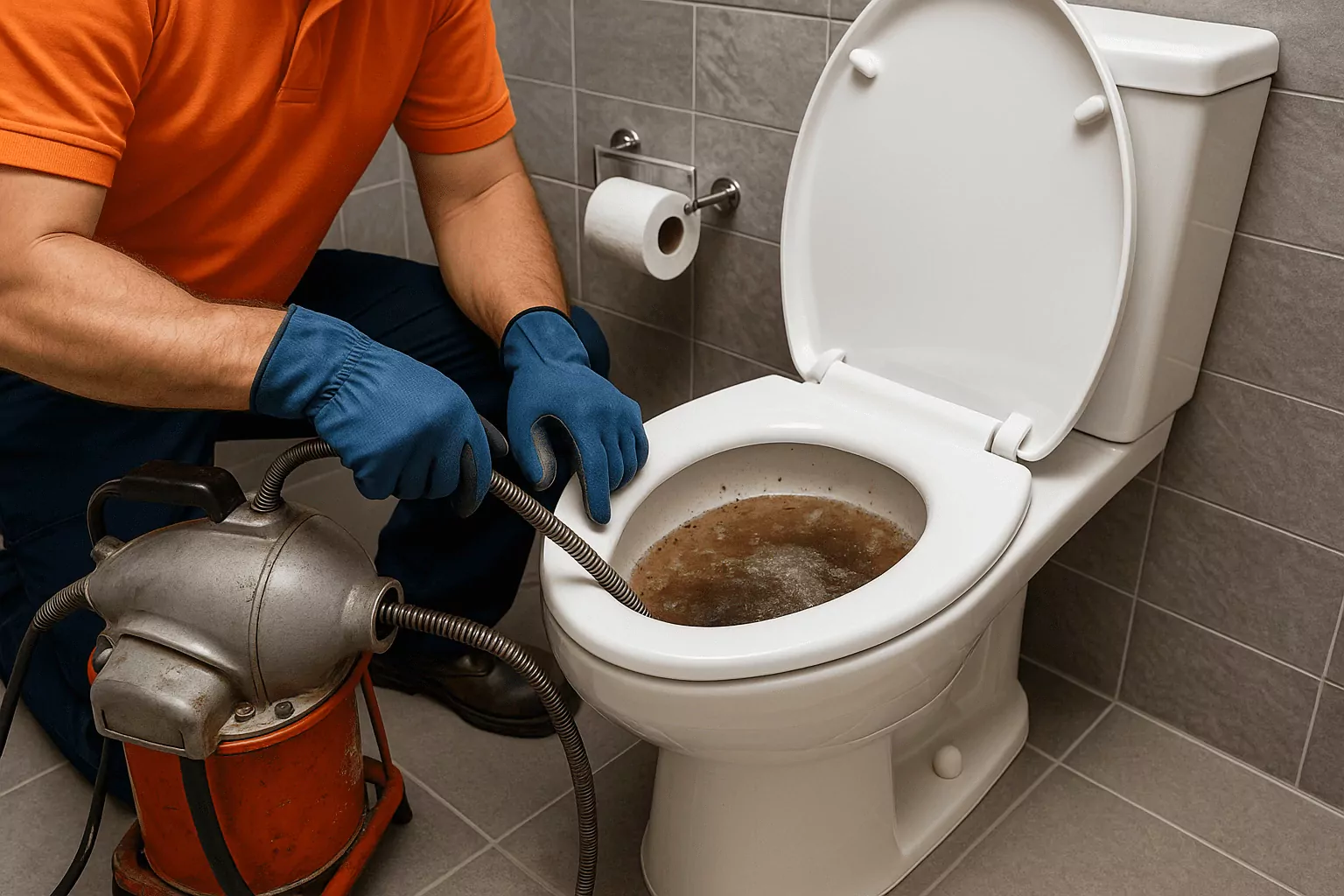
If your toilet starts gurgling, drains slowly, or backs up without warning, you are not alone-seasonal rains, older sewer lines, and everyday usage can all contribute to stubborn clogs in Vidor and throughout Orange County. Understanding toilet drain clog removal Vidor TX helps you take the right first steps and avoid making the problem worse. In this guide, we outline practical, safe DIY techniques, proven professional methods, and smart prevention strategies tailored to Vidor homes. You will also learn when to call a pro, how to estimate costs, and what to expect from a service visit. Our goal is to help you act quickly, protect your fixtures and pipes, and keep your bathroom running smoothly. Whether you are on a city sewer in Vidor or have a septic system in a nearby rural area, the same core principles apply, and small decisions can prevent big plumbing bills. For fast help, 409 Plumbing is standing by with local know-how and same-day solutions.
Smart diagnostics and safe first steps for toilet drain clog removal Vidor TX
Before grabbing tools, start with a thoughtful diagnosis so you do not push the clog deeper or crack a fixture. Look for patterns: if multiple fixtures in the same bathroom drain slowly, the blockage may be in the branch line rather than the toilet trap. If the toilet bubbles when a nearby sink drains, suspect a venting or main line issue that calls for professional attention. Gently test the water level by adding a small amount and seeing if it drops slowly, which indicates a partial obstruction. For a single-fixture clog with normal sink and tub drainage, you can usually start with safe, non-destructive methods like hot (not boiling) water and a high-quality plunger.
Use a flange plunger specifically designed for toilets because it seals better and transfers more force into the trapway. Add a couple of inches of warm water to the bowl so the plunger cup is fully submerged, then plunge with firm, rhythmic strokes for 15 to 20 seconds at a time. Avoid chemical drain cleaners, which can damage seals, corrode older pipes, and create hazardous splash-back in porcelain bowls. If you have a low-flow toilet, clogs may result from low flush volume or older paper products-switch to septic-safe, rapid-dissolving paper to reduce future issues. At any point, if water rises dangerously close to the rim, stop and wait 10 minutes for the level to settle before trying again to prevent an overflow.
When you need help choosing next steps, anchor your search with a simple resource: toilet drain clog removal Vidor TX. You will find local options, guidance on plumbing best practices, and the right time to schedule a professional assessment. If you suspect a main line issue due to gurgling fixtures or wet spots in your yard, do not continue plunging because added pressure can worsen a developing backup. In these scenarios, phone a licensed plumber who can perform a targeted inspection and stop a minor obstruction from becoming a sewage spill. Good triage is the fastest way to protect your home and budget.
Tools and techniques that work in Vidor homes
When a plunger does not cut it, a closet auger (toilet auger) is the next safe mechanical option. A 3-foot or 6-foot auger with a protective sleeve lets you navigate the trapway without scratching porcelain and snag soft obstructions like wipes and paper. Feed the cable gently, crank to engage the clog, then retract to remove debris rather than forcing it deeper. If you retrieve foreign objects-children's toys and combs are common culprits-dispose of them and run a test flush, then follow with a second flush to confirm full flow. For persistent resistance, a longer cable or professional-grade auger can reach further into the branch line to break up compacted buildup.
A Vidor homeowner on N Main St recently faced a week of intermittent slow flushes after heavy rain. Plunging helped for a day but symptoms returned, and a closet auger finally pulled out a wad of paper towels flushed during a party. This real-world example shows why identifying the material matters-paper towels and wipes do not break down like toilet paper and often lodge at turns in the trapway. After removal, the homeowner replaced the flapper and adjusted the fill valve for a stronger, consistent flush to keep future solids moving. Combined with a switch to septic-safe paper, the issue resolved without further service.
Some Vidor properties, especially older homes or those with large shade trees, experience recurring clogs due to scale and minor root intrusions in branch lines. In these cases, repeated DIY attempts may only provide short relief. A professional can use a mid-size cable machine to clear the line more thoroughly and restore flow past offsets or small intrusions. After clearing, a camera inspection confirms that the blockage is gone and pinpoints any pipe defects worth addressing during a planned repair. Strategic maintenance beats emergency calls, especially in wetter months when ground shifting and infiltration increase.
Pro-grade solutions and when to call for toilet drain clog removal Vidor TX
When a toilet clog is a symptom of a wider line problem, advanced tools deliver safe, lasting results. A licensed technician can run a color video inspection to locate exactly where paper or grease accumulates, or where roots penetrate joints. For heavy buildup, hydro-jetting scours pipe walls with controlled, high-pressure water to remove years of sludge without chemicals. This service is ideal for homes connected to city sewer in Vidor and nearby Orange, but it should be performed by trained pros to protect pipes. After jetting, a follow-up camera pass documents the clean line and informs any long-term repair plan.
Homeowners sometimes ask if enzyme or bacterial treatments can replace professional clearing. While quality biological cleaners can help maintain lines by digesting organic matter, they are not a fast fix for compact blockages or foreign objects. If you have a septic system, always choose products labeled septic-safe and follow dosing schedules carefully. For more information on water-efficient toilets and maintenance habits that reduce clog risk, see the EPA WaterSense resources at epa.gov/watersense. If your property uses on-site wastewater treatment, Texas-specific guidance is available from the TCEQ at tceq.texas.gov, which can help you balance plumbing care with environmental protection.
Knowing when to call is as important as how to plunge. Stop DIY and request service if you notice wastewater backing up into a tub or shower, multiple toilets gurgling, strong sewer odors, or soggy areas in the yard. Transparent providers will explain options and pricing before work begins, from cable clearing to jetting and sectional repairs. If you need timely help, visit our contact form or check available appointment windows on our plumbing services page. A prompt, correct repair today minimizes the risk of future emergencies and protects flooring, drywall, and fixtures from costly water damage.
Prevention strategies tailored to Vidor, Orange, Beaumont, and Bridge City
Preventing clogs begins with flush habits and continues with light, recurring maintenance. Only flush human waste and toilet paper-nothing labeled flushable is actually safe for most toilets and pipes. Teach kids and guests the house rules, and keep a wastebasket within reach so wipes, cotton swabs, and dental floss never enter the bowl. In low-flow fixtures, hold the handle a bit longer or adjust the flapper chain so you get a complete flush that moves waste fully through the trap and into the line. Finish with a monthly routine of warm water flushes and, if appropriate for your system, an enzymatic maintenance dose to reduce organic film.
Consider the bigger picture too: seasonal ground movement and heavy rains in Southeast Texas can stress older connections and encourage minor root intrusions. If trees sit near your lateral, schedule an annual camera inspection to catch developing issues before they become blockages. Homes with frequent guests or short-term rentals benefit from periodic professional maintenance to clear grease and paper accumulation that builds over time. If you are upgrading fixtures, choose WaterSense-labeled toilets for strong performance at lower volumes and verify the rough-in and trapway size for optimal evacuation. For ongoing homeowner tips, check our latest posts on the 409 Plumbing blog and share them with your household.
From safe DIY plunging to professional camera inspections and hydro-jetting, you now have a practical roadmap for toilet drain clog removal Vidor TX. Start with diagnosis, use a flange plunger and closet auger correctly, and call a pro when symptoms point beyond a toilet-only issue. Adopt preventative habits-flush only waste and toilet paper, adjust low-flow mechanisms for complete flushes, and schedule routine inspections for tree-lined lots. These steps protect your home, lower long-term costs, and keep your bathroom operating smoothly all year. When you need fast, friendly help, trust your local experts at 409 Plumbing.
For same-day service, call 409 Plumbing at 409-444-0066 or visit us at 515 Camellia Avenue, Orange, Texas 77630. We proudly serve Orange, TX; Beaumont, TX; and Bridge City, TX, with prompt, transparent solutions tailored to Southeast Texas homes. Book now through our contact form or review options on our plumbing services page, and explore maintenance tips on the 409 Plumbing blog.
Frequently Asked Questions About Drain Clog Removal
How do I know if my toilet clog is in the toilet or further down the line?
Start by testing nearby fixtures in the same bathroom or level. If sinks and tubs drain normally and only the toilet is affected, the blockage is likely in the trapway or immediate branch fitting. Gurgling in other fixtures, slow drains throughout the home, or backups in a shower pan suggest a deeper issue in the branch or main line. Odors coming from multiple drains and water rising in one fixture when another is used also point to a shared line blockage. When in doubt, limit water use and schedule a professional camera inspection to confirm the source and avoid an overflow.
Are chemical drain cleaners safe for my toilet and pipes?
Chemical drain cleaners can damage rubber seals, harm porcelain finishes if splashed back, and accelerate corrosion in older metal pipes. They also create safety risks when mixed with other cleaning agents or when a pro later needs to use mechanical tools on residual chemicals. For toilets, mechanical methods like plungers and closet augers are safer and more effective for most clogs. If you want a product-based aid, use enzymatic or bacterial cleaners strictly as maintenance, not as a quick-fix unclogger. When a clog persists after careful plunging and augering, call a licensed plumber rather than adding chemicals to the bowl.
What does professional toilet drain clog removal in Vidor typically include?
A standard service visit usually begins with a visual assessment and testing fixtures to understand the blockage pattern. Next, the technician may use a closet auger or mid-size cable machine to remove the obstruction and restore flow. If symptoms suggest a deeper issue or recurring clogs, a video camera inspection helps locate structural defects, misaligned joints, or root intrusions. For heavy buildup, hydro-jetting can thoroughly clean the line and is followed by a second camera pass to verify the result. You should receive clear findings, photos or video when available, and recommendations for prevention or repair.
How can I prevent future toilet clogs in a home with a low-flow toilet?
Use septic-safe, rapid-dissolving toilet paper and avoid wipes, paper towels, or hygiene products. Make sure the flush cycle is complete by adjusting the flapper chain and ensuring the tank water level meets the manufacturer's mark. Educate family and guests with a simple bathroom sign that lists allowed and not allowed items. Consider periodic maintenance with warm water flushes and enzymatic treatments if appropriate for your system. If clogs persist, a professional can evaluate venting, trapway design, and your branch line condition to recommend upgrades or minor adjustments.
Registered Master Plumber Texas State Board of Plumbing Examiners
RMP #44702
Licensed and Bonded
Cities Serviced
409 Plumbing
Follow Us On
© 2026 409 Plumbing. All Rights Reserved.
Website Design and Hosting Provided by LocalBizBuzz,co