
24 Hour Service
Call 409-444-0066
Top Considerations for Installing Commercial
Gas Piping in Orange
Key factors to ensure safe and efficient commercial gas piping installation in Orange for business owners and contractors.
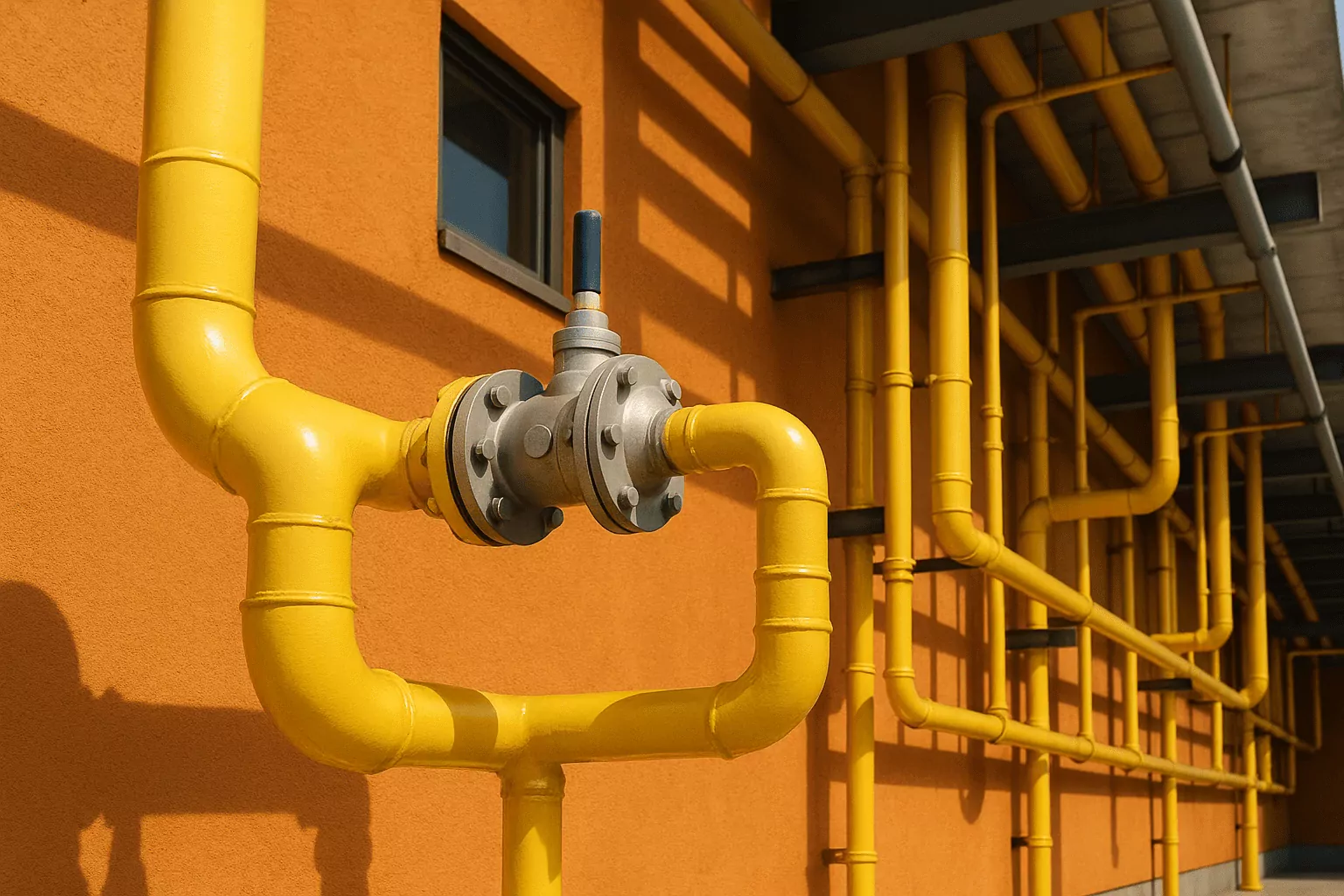
Installing or upgrading commercial gas lines is a high-stakes project where safety, code compliance, and long-term performance intersect. If you are planning commercial gas piping Orange work for a restaurant, industrial shop, or multi-tenant building, getting the design and permitting right from day one saves time and money. Business owners in Orange, Beaumont, and Bridge City face coastal climate challenges, evolving codes, and inspection timelines that require proactive planning. The best outcomes come from pairing clear goals with a licensed contractor who understands local expectations and fuel gas standards. In this guide, we unpack permitting, material choices, sizing, testing, and maintenance so you can move confidently from proposal to final inspection. Use these insights to streamline your project, avoid rework, and keep your operation safe and efficient all year.
Understanding Codes and Permits for commercial gas piping Orange
Commercial gas piping is governed by the International Fuel Gas Code and NFPA 54, both of which outline how systems are designed, sized, installed, and tested. Orange and neighboring jurisdictions typically follow these standards alongside local amendments and inspection procedures. Before work begins, confirm which code year applies and any jurisdiction specific requirements that affect regulators, venting, purging, or bonding. It is also essential to hire properly licensed professionals, as Texas licensing rules and insurance requirements are strictly enforced on commercial sites. For reference, explore the IFGC overview at the International Code Council and the NFPA 54 standard so your team understands the inspection benchmarks used on site.
Permitting in Orange, TX generally includes a plan review, jobsite inspection scheduling, and final sign off prior to gas service activation. Submitting complete load calculations, appliance schedules, and drawings accelerates plan review and reduces revision cycles. A recent restaurant retrofit in Orange shaved a week off its timeline by coordinating early with the inspector on meter location, make up air, and rooftop equipment clearances. The same approach works across Beaumont and Bridge City, where inspectors appreciate clear drawings and pressure test documentation. If you need help organizing permit paperwork or inspection timing, contact your contractor early to align on responsibilities and submission dates.
Choosing Materials and Sizing for commercial gas piping Orange
Material selection should reflect building use, exposure, and maintenance plans. Black steel remains the workhorse for many commercial interiors and rooftop runs because it is robust, fire resistant, and familiar to inspectors. CSST offers faster installation and fewer joints, but it must be properly bonded and protected where exposed to potential impact or lightning. Underground exterior segments typically use polyethylene with approved transition fittings and tracer wire to simplify future locating. Copper is often restricted or prohibited for natural gas in commercial settings within Texas, so confirm local acceptance before specifying it.
Right sizing protects performance and safety while preventing costly rework during inspections. Start with a complete appliance schedule and input the ratings, then use the IFGC longest-length method or an approved equivalent to calculate pipe sizes and allowable pressure drops. Consider diversity where appropriate, and plan capacity for future appliances such as additional fryers, boilers, or standby generators. On a recent upgrade, adding a modest capacity buffer avoided a second permit and shutdown when the owner expanded six months later. Your contractor should provide stamped sizing calculations alongside the permit set to keep reviewers and field inspectors aligned.
Installation Best Practices, Testing, and Commissioning for commercial gas piping Orange
Clean routing, secure supports, and protected transitions are fundamentals that pass inspections. Use isolation valves at each appliance, include sediment traps where required, and protect piping from traffic, forklifts, or hail with bollards and guards. On rooftops, maintain clearances from electrical equipment, provide UV stable coatings where needed, and support lines at the code specified intervals. Label shutoff valves and runs so facility staff can isolate zones quickly during maintenance or emergencies. Documenting as built routing and valve locations helps speed future service calls and annual inspections.
Pressure testing and commissioning validate the integrity of the system before fuel is introduced. Most commercial jobs require a documented air test with calibrated gauges, held for a code specified duration at an approved test pressure, followed by leak checks with approved solutions. After passing, purging removes air safely before lighting appliances, with combustion analysis used to fine tune equipment for efficiency. Keep test logs, purge procedures, and start up forms in the project closeout package to satisfy inspectors and insurers. For turnkey support, schedule testing and start up alongside your service scope so you are not stuck waiting between trades.
Safety, Maintenance, and Lifecycle Planning for commercial gas piping Orange
Coastal weather, humidity, and salt air can age exposed piping faster, so a proactive maintenance plan pays off in Orange, Beaumont, and Bridge City. Inspect exposed lines annually for corrosion, mechanical damage, loose supports, or degraded coatings, and recoat as needed with approved primers and paints. After major storms, verify supports, regulators, and vents, and re check pressure where systems experienced impact or flooding. Train managers on valve locations and emergency procedures, and keep a laminated shutoff map near the main entrance. Simple drills and documentation help minimize downtime and keep employees safe if an incident occurs.
Lifecycle planning reduces total cost of ownership and the risk of unplanned shutdowns. Build expansion capacity into the initial design if additional appliances or a backup generator are likely within three years. Standardize materials and valves across sites so replacement parts are easy to source, and consider a service agreement for annual inspections and on call support. A Beaumont light industrial client reduced service calls by 40 percent after standardizing regulators and adding protective bollards at vulnerable runs. Thoughtful planning, paired with consistent maintenance, extends system life and improves safety metrics your insurer will appreciate.
Safe, efficient commercial gas systems start with code informed design, accurate sizing, and a clear permitting plan. Material selection should reflect local climate and usage while accommodating future growth, and documented testing ensures confidence on inspection day. In the Gulf Coast environment, regular inspections and protective measures keep systems reliable despite weather and wear. Whether you are adding a fryer line, upgrading boilers, or routing a new rooftop run, a disciplined process avoids delays and protects your investment. For expert help with commercial gas piping Orange projects, rely on a licensed team that understands local codes, inspectors, and timelines.
Ready to move forward with a safe, code-compliant installation in Orange, Beaumont, or Bridge City? Call 409 Plumbing at 409-444-0066 to schedule a walkthrough and estimate. Explore our commercial plumbing services, learn more on our commercial plumbing blog, or contact us to get your project on the calendar. For broader code references, review the International Fuel Gas Code at the International Code Council and NFPA 54 for gas piping fundamentals.
Resources About Installing Commercial Gas Piping
Frequently Asked Questions About Installing Commercial Gas Piping
Do I need a permit for commercial gas piping in Orange, TX?
Yes, most commercial gas piping projects in Orange, TX require a permit and one or more inspections before activation. Plan review typically checks load calculations, pipe sizing, regulator selection, and purging procedures, with a final field inspection verifying installation quality and pressure test results. Similar processes are in place for Beaumont and Bridge City, though submittal portals and inspection schedules may differ. Submitting complete drawings and documentation reduces resubmittals and shortens the timeline to approval. If you are unsure where to start, your licensed contractor can coordinate submittals, testing, and inspection dates on your behalf.
How long does a typical commercial gas piping Orange project take?
Small tenant improvements, like a single rooftop unit or a short kitchen tie in, can often be completed in one to three business days after permit issuance. Mid sized projects with multiple appliances or rooftop runs may range from three to seven days depending on material lead times and inspection windows. Larger facilities with underground segments, coring, or complex venting can stretch to two weeks or more. Weather, site access, and the inspector's schedule also influence duration, so build a cushion into your timeline. A well scoped plan and pre ordered materials consistently shave days off project schedules.
What affects the cost of installing commercial gas piping, and how can I budget accurately?
Costs reflect pipe materials, total run length, number of fittings and penetrations, regulators, and the complexity of supports and protection. Underground segments, roof penetrations, and after hours work add expense, as do change orders from late scope additions. Accurate budgeting starts with a complete appliance list, future capacity needs, and site photos or a walk through to clarify routing. Request a written proposal that breaks out labor, materials, permits, testing, and start up so you can compare apples to apples. Investing in proper design and right sizing often prevents expensive rework during inspections or future expansions.
Registered Master Plumber Texas State Board of Plumbing Examiners
RMP #44702
Licensed and Bonded
Cities Serviced
409 Plumbing
Follow Us On
© 2026 409 Plumbing. All Rights Reserved.
Website Design and Hosting Provided by LocalBizBuzz,co