
24 Hour Service
Call 409-444-0066
Top Considerations for Gas Line Installation
in Bridge City
Key factors to ensure safe and efficient gas line installation in Bridge City for homeowners and contractors.
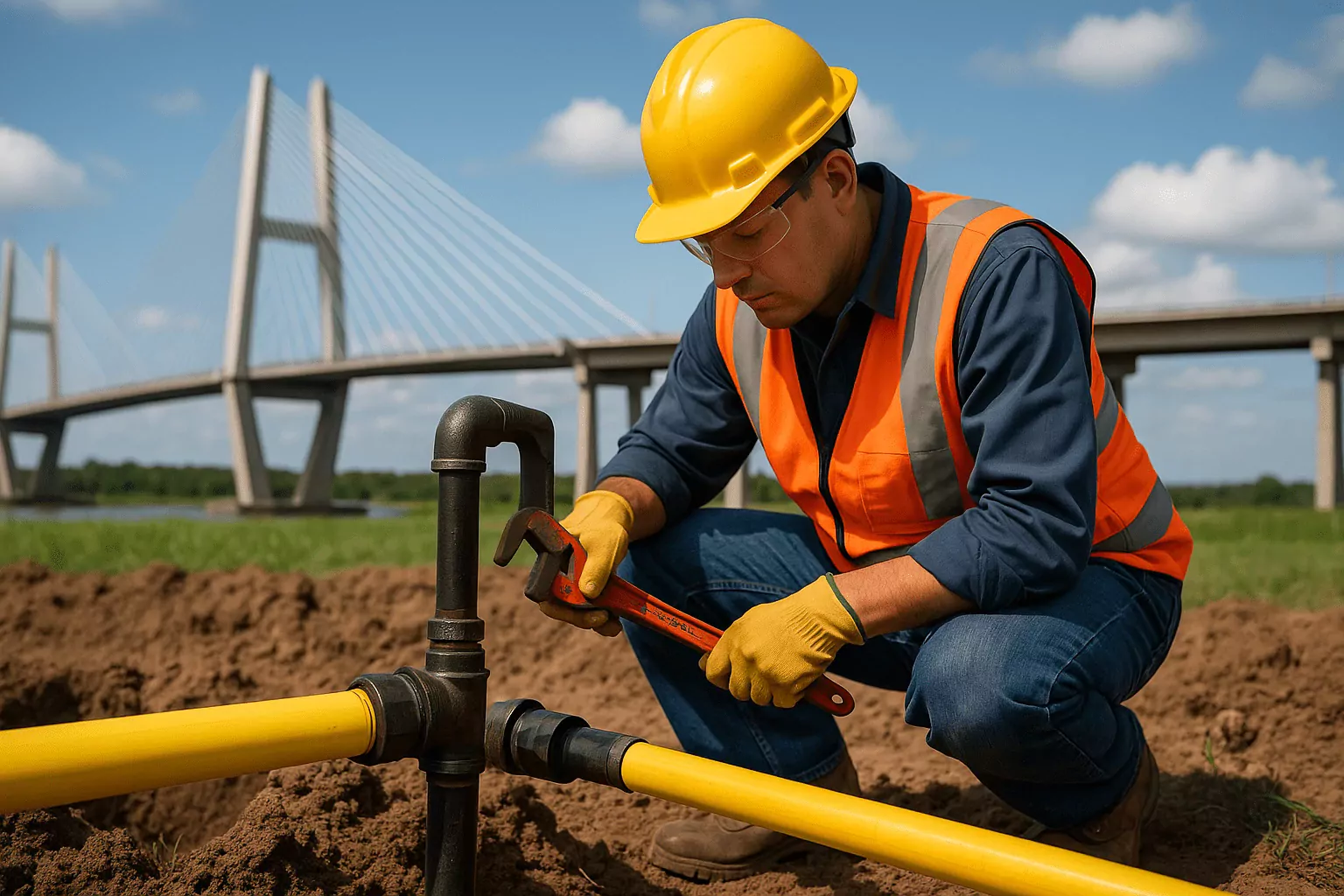
Planning a safe, code-compliant gas line installation Bridge City homeowners can trust starts with understanding local requirements and proven best practices. Whether you are adding a new gas range, converting to a tankless water heater, or preparing a standby generator, the right design and installation steps matter as much as the equipment you choose. From permitting and materials to pressure testing and inspections, small decisions have big safety and performance consequences. If you are researching options, begin by reviewing reputable codes and hiring a licensed professional with local experience. For quick access to help and insights, explore gas line installation Bridge City resources that cover both safety and efficiency. This guide summarizes what Bridge City and Orange County property owners should know to complete projects on time, on budget, and up to code.
Permits, codes, and safety standards for gas line installation Bridge City
Every successful gas project begins with permits and code compliance, which protect your home and ensure insurance coverage. Bridge City installations typically follow the International Fuel Gas Code and NFPA 54 guidelines, with inspections verifying materials, sizing, support, and leak-free operation. In Texas, the Railroad Commission oversees pipeline safety and publishes helpful resources on operator responsibilities and safe practices. Homeowners should also call Texas 811 before any trenching to mark underground utilities and prevent dangerous strikes. Coordinating permitting, utility locates, and inspection windows early avoids delays and ensures a smooth, predictable timeline.
Reliable references help you make informed decisions and communicate clearly with your contractor. For standards and code context, review NFPA 54 (National Fuel Gas Code) and the International Fuel Gas Code for accepted methods and testing requirements. Texas-specific safety guidance is available from the Railroad Commission Pipeline Safety division, which outlines statewide rules and best practices. Before excavation, schedule a free locate via Texas 811 to map buried utilities and plan a safe route. When your installer aligns the design with these standards, you reduce rework, minimize risk, and streamline final inspections.
Material selection and right-sizing for dependable performance
Selecting the proper pipe material and size is central to a safe and reliable gas system. Common options include black steel pipe for durability and rigidity, CSST for flexible routing in finished spaces, and polyethylene (PE) for underground runs with tracer wire. Your installer calculates total appliance load in BTU, distance, allowable pressure drop, and fittings to determine the correct diameter. Undersized lines starve appliances, cause nuisance shutdowns, and increase wear, while oversized lines add cost without benefit. A careful load calculation matched to local code tables or manufacturer charts ensures stable performance during peak demand.
In a recent Bridge City project near Cow Bayou, a homeowner added a high-BTU range and a 22 kW standby generator. The original branch line was undersized for the added load, leading to intermittent generator faults when the range and water heater were in use. After a full BTU audit, the installation team upsized the service branch and ran a dedicated line to the generator with proper regulators. The result was steady pressure, faster ignition, and quiet, efficient operation in all conditions. This kind of right-sizing strategy is essential for hurricane-season reliability and everyday cooking comfort.
Installation best practices, routing, and leak testing in Bridge City
Good layouts minimize fittings, avoid sharp bends, and protect piping from corrosion and impact. Installers use protective sleeving through walls, striker plates at studs, and pipe hangers with proper spacing to prevent sagging. Underground runs are bedded in clean fill and buried at code-compliant depth with warning tape above and a continuous tracer wire for PE. Exterior transitions use approved risers and protected entry points to keep moisture and pests out. Thoughtful routing reduces future service headaches and makes inspections faster and more predictable.
Leak testing is the non-negotiable step before turning on fuel and lighting appliances. A common method is a pressure test at a higher-than-operating pressure for a defined hold time, verified on an accurate gauge per code and local authority instructions. Technicians also use leak detection solution on fittings and joints to confirm integrity under static and operating conditions. If any pressure drop occurs, the system is rechecked, retightened, and retested until perfectly stable. Documenting test pressures, durations, and results helps with inspections, warranty claims, and long-term peace of mind.
Project planning, realistic costs, and choosing the right contractor
Effective planning begins with a clear scope: which appliances you are adding or moving, the approximate route, and any wall or yard work involved. Ask for a written estimate that breaks out materials, labor, permits, testing, and restoration so you can compare bids apples-to-apples. Schedules in Bridge City often depend on utility locates and inspection calendars, so start a week or two early to prevent delays. Reputable contractors will present license and insurance credentials, outline safety protocols, and provide references from local projects in Orange County. They should also explain warranty coverage on both workmanship and materials.
When evaluating proposals, weigh more than price by considering safety, code knowledge, and long-term reliability. A strong provider will size lines precisely, use materials that fit your home's needs, and handle permitting and inspections without hassles. They should offer guidance on appliance specs, regulator placement, and shutoff valve accessibility for maintenance. For additional insights, explore our services to see how we approach design-build gas work and learn from our educational blog. Ready to get started or request a second opinion on an existing bid? Contact us directly via our contact form to schedule a consultation.
Safe, efficient gas line installation Bridge City residents can depend on requires careful planning, precise sizing, quality materials, and thorough testing. By aligning your project with recognized codes, securing permits, and using proven best practices, you safeguard your family and maximize appliance performance. Whether the job is a short interior run or a multi-appliance upgrade with underground piping, a licensed local pro makes all the difference. For guidance, estimates, or a second opinion, turn to a team that handles design, permitting, installation, and inspections end-to-end. 409 Plumbing proudly serves Bridge City, Orange, and Beaumont with responsive service and clear communication. Call 409 Plumbing at 409-444-0066 to schedule your consultation today.
Resources About Gas Line Installation
Frequently Asked Questions About Gas Line Installation
Do I need a permit for gas line installation in Bridge City?
In most cases, yes, a permit and inspection are required to verify compliance with fuel gas codes and local regulations. Permits protect your safety, preserve insurance coverage, and document that the work was completed to accepted standards. Licensed installers typically secure permits on your behalf and coordinate inspections after pressure testing is complete. If trenching is involved, you or your contractor should also call Texas 811 in advance for utility locates. Skipping permits can result in fines, failed sales inspections, or dangerous conditions that go unnoticed until a problem occurs.
How long does gas line installation take for a typical home?
Most single-appliance additions, like a new range or dryer, can be completed in one day plus inspection time. Larger projects with long underground runs, multiple appliance upgrades, or complex routing may require two to four days. The overall timeline also depends on Texas 811 locate schedules and the availability of local inspectors. Planning ahead, confirming materials, and clearing work areas helps keep the schedule on track. A clear estimate and communication from your contractor will outline each milestone so you know what to expect.
What size gas line do I need for a generator or high-BTU range?
Proper sizing depends on total BTU load, pipe length, number of fittings, and permitted pressure drop. For example, a 22 kW generator often requires a dedicated line sized to its BTU input and the distance from the meter or tank. Similarly, pro-style ranges can demand significantly higher flow than standard models, so shared branches may need upsizing. Your installer will perform a load calculation and consult code tables or manufacturer charts to select the right diameter. Correct sizing prevents ignition delays, flame instability, and nuisance shutdowns that happen when appliances are starved for gas.
How much does gas line installation cost in Bridge City?
Costs vary based on pipe length, material choice, job complexity, and the number of appliances served. Short interior runs to a nearby appliance are typically the most economical, while long underground routes and wall restoration add expense. Additional items like regulators, shutoff valves, corrosion protection, and tracer wire contribute to total price. A transparent estimate will separate labor, materials, permits, testing, and any patching or landscaping. To get a firm number for your home, request a site visit and written quote that reflects real-world conditions.
Registered Master Plumber Texas State Board of Plumbing Examiners
RMP #44702
Licensed and Bonded
Cities Serviced
409 Plumbing
Follow Us On
© 2026 409 Plumbing. All Rights Reserved.
Website Design and Hosting Provided by LocalBizBuzz,co