
24 Hour Service
Call 409-444-0066
Top Causes of Sewer Odor in House Vidor and
How to Resolve Them
Identify common sources of sewer odor in houses in Vidor and practical steps for homeowners to eliminate the smell.
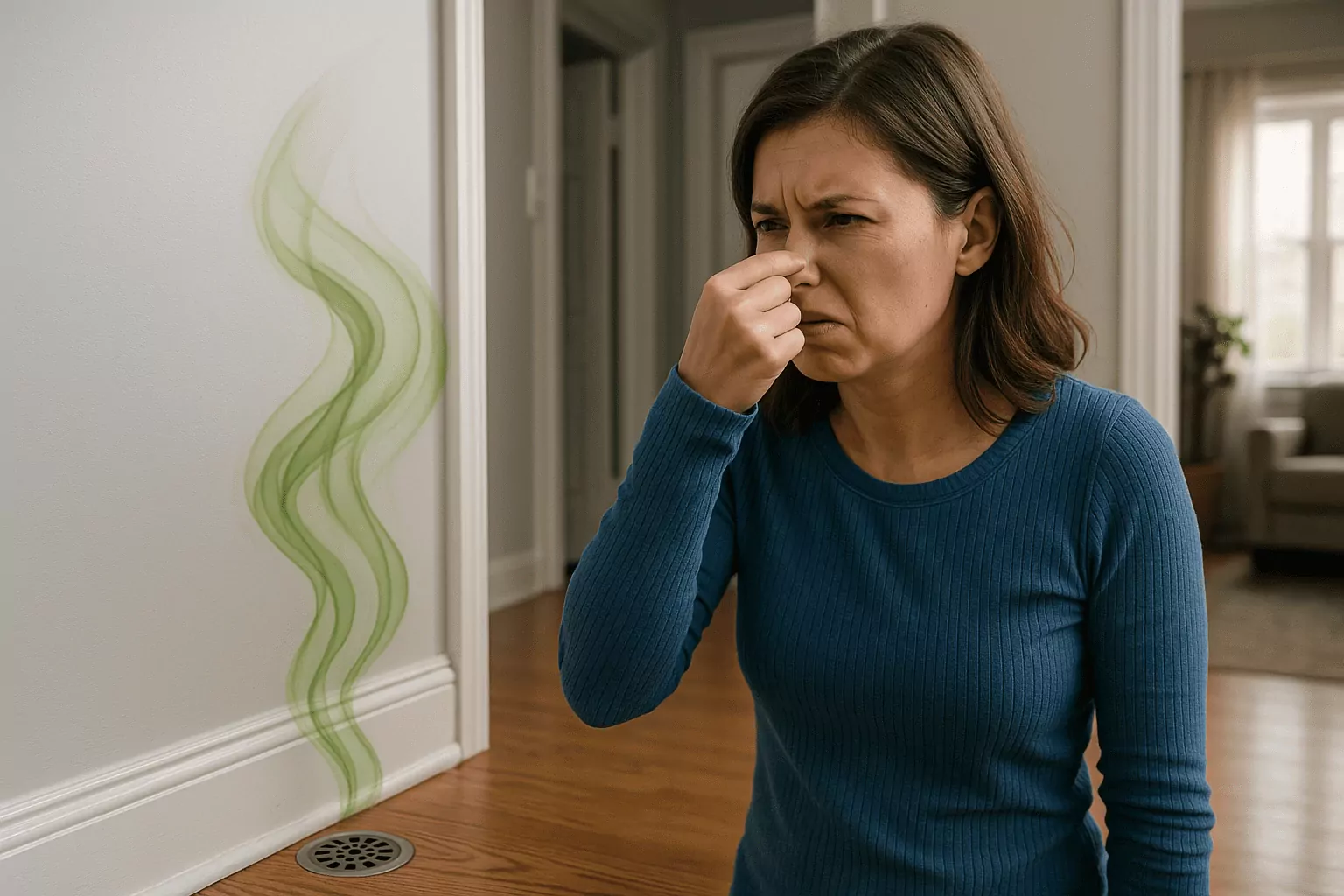
If you have noticed a sudden or lingering sewer odor in house Vidor, you are not alone. Many Southeast Texas homeowners experience unpleasant sewer gas smells due to dry traps, blocked vent stacks, damaged toilet seals, or underlying sewer line issues. Identify common sources of unpleasant smells within homes in Vidor and understand effective solutions to eliminate them so you can maintain a fresh and healthy living environment. In this guide, we will explain why sewer odors occur, how to troubleshoot them safely, and when to call a licensed plumber. You will find practical, step-by-step tips and examples from real homes in Orange County and nearby communities. For quick help, explore our plumbing services or contact 409 Plumbing for expert diagnosis and repair. To get started now, learn what causes sewer odor in house Vidor and how to resolve it for good.
Understanding what causes sewer odor in house Vidor: traps, vents, and pressure
Sewer odor problems typically trace back to how your plumbing system manages water seals and air movement. Every sink, tub, shower, floor drain, and appliance should have a P-trap that holds water and blocks sewer gases like hydrogen sulfide and methane. When a trap dries out or is siphoned, the gas barrier disappears and odors enter living spaces. Vent stacks on the roof balance pressure so fixtures drain smoothly and traps stay intact; when vents clog with leaves, bird nests, or storm debris, negative pressure can pull water out of traps. In humid, storm-prone areas like Vidor and Orange, barometric swings and wind can intensify these pressure changes and temporarily push odors indoors.
Another common factor is biofilm and gunk buildup inside drain lines that emit rotten egg smells even when the main sewer is fine. Grease, food particles, hair, and soap scum can collect in p-traps and branch lines, creating a persistent odor source that mimics sewer gas. Homes with low water use in guest baths or seasonal rooms are especially vulnerable to dry traps and stagnant water. If you notice odors near a single drain, start by focusing on that fixture's trap and tailpiece before assuming a whole-house sewer issue.
Dry or faulty traps and floor drains: fast fixes and lasting prevention in Vidor homes
Dry p-traps are the fastest, most common cause of bad smells in laundry rooms, guest baths, and garages. If a floor drain or unused shower smells, pour 2 to 3 cups of water down the drain to re-establish the water seal. Adding a tablespoon of mineral oil can slow evaporation, buying weeks of odor-free time. AC condensate lines that terminate into floor drains may fail to keep traps wet during mild seasons, so check them during shoulder months. In older homes with S-traps or long horizontal runs, siphoning can empty traps; correcting these issues usually requires a licensed plumber to reconfigure piping for proper venting.
We recently helped a homeowner in Orange whose laundry room reeked after a long vacation. The floor drain trap had evaporated, and a small crack in the cleanout cap amplified the issue. Our team refilled the trap, installed a trap guard, replaced the cap, and recommended simple monthly maintenance. For homeowners who want to self-check traps, these steps help:
Blocked vents, damaged seals, and sewer line issues causing sewer odor in house Vidor
When odors seem to move between rooms or appear after heavy wind or rain, a blocked roof vent may be to blame. In Southeast Texas, leaves, pine needles, nesting materials, and even small critters can obstruct vent stacks. This forces your plumbing to pull air through traps, creating gurgles and sewer smells. A licensed plumber can safely clear the vent and confirm airflow, often using a camera or smoke test.
Toilet wax ring failures and loose closet bolts also release sewer gas around the base of the toilet. If a toilet rocks, you notice moisture at the base, or the smell is strongest there, a new wax or waxless seal and proper shimming can solve the problem. Outside, a missing or cracked cleanout cap is a direct pathway for odor to escape and drift into soffits or open windows. Deeper issues such as root intrusion, a sagging belly in the sewer line, or partial blockages create slow drains and intermittent odors. In these cases, request a camera inspection and consider sewer line repair options like hydro jetting before the problem escalates.
Septic system or municipal lateral problems in and around Vidor: diagnosis and solutions
Some Vidor-area homes rely on septic systems, which can produce odors when tanks are overdue for pumping or when drainfields become saturated after heavy rain. If you hear gurgling from multiple fixtures and smell sewage outdoors, inspect the septic tank lid and area around the drainfield for soggy ground or surfacing effluent. In those cases, limit water use and call a professional for evaluation and pumping. Homes on city sewer may experience similar symptoms if the lateral is cracked, bellied, or obstructed downstream of the house line, allowing gases to back up through the system.
We have seen Beaumont and Bridge City homes experience odors after major rainfall when stormwater infiltrates older laterals. A quick on-site assessment includes checking the exterior cleanout for standing water and monitoring indoor fixtures while running water at one location. If the cleanout backs up or you notice flow reversal, stop using water and call a plumber immediately to prevent damage. A combination of augering, hydro jetting, and camera inspection usually reveals whether the issue is inside the home or in the yard line. 409 Plumbing can coordinate with local utilities if the obstruction lies in the public right-of-way, saving you time and expense.
Resolving sewer odor in house Vidor starts with the basics: keep traps wet, ensure vents are clear, and address worn seals or caps promptly. When simple steps do not solve it, a targeted inspection with smoke testing, hydro jetting, or a camera can pinpoint and fix deeper problems. 409 Plumbing provides fast, professional diagnosis and long-term solutions across Orange, Beaumont, Bridge City, and nearby Vidor. Call 409-444-0066 or visit our services page to learn more, and schedule service now for a fresher, safer home. We are ready to help you eliminate odors at the source and keep your plumbing system in top condition year-round.
Frequently Asked Questions About Sewer Odor in House
Why does my house suddenly smell like sewer after a storm?
Storms can shift barometric pressure and push air down vent stacks, briefly forcing sewer gases toward fixtures. Wind-driven debris may also block roof vents, reducing airflow and pulling water out of traps when drains run. Heavy rain can overfill septic systems or cause infiltration into cracked laterals, increasing odor pressure. Start by checking for dry traps and refilling them with water, then inspect the exterior cleanout for ponding or backup. If odors persist or multiple fixtures gurgle, schedule a professional vent check and camera inspection. 409 Plumbing can prioritize storm-related calls in Orange, Beaumont, Bridge City, and nearby Vidor; call 409-444-0066.
Is sewer gas dangerous, and what should I do right now?
Sewer gas contains hydrogen sulfide, methane, and ammonia; at low levels it is mainly a nuisance, but higher concentrations can irritate eyes and airways and, in rare cases, pose explosion risks. If the odor is strong, ventilate by opening windows and avoid open flames or sparks until the source is addressed. Refill traps by running water, close any missing cleanout caps, and check for a rocking toilet. If anyone experiences headaches, nausea, or dizziness, leave the area and call for help. When in doubt, call a licensed plumber promptly to locate and correct the source.
How can I locate the source of sewer odor in house Vidor before calling a plumber?
Work methodically from the smallest to the biggest suspects. First, identify the strongest-smelling room, then run water in the nearest drain for 30 to 60 seconds to refill its trap. Check toilets for movement and moisture at the base, and verify that the cleanout cap outdoors is intact. If you suspect a single fixture, clean the stopper and trap arm to remove biofilm that mimics sewer smells. Note whether the odor intensifies after using certain fixtures, which can indicate venting or partial blockage. If you cannot isolate the source within an hour, it is time to contact 409 Plumbing for a smoke test or camera inspection.
Will enzyme cleaners fix sewer odor or do I need mechanical cleaning?
Enzyme or bacterial cleaners can reduce organic buildup in drains and help with mild, biofilm-related odors. However, they will not correct structural problems like dry traps, blocked vents, wax ring failures, or cracked pipes. For recurring kitchen odors tied to grease, mechanical cleaning such as snaking or hydro jetting is usually more effective and durable. Consider preventive habits such as wiping grease into the trash rather than the sink. If odors return within a few days of enzyme treatment, schedule a professional evaluation to look for hidden vent or sewer line issues.

Registered Master Plumber Texas State Board of Plumbing Examiners
RMP #44702
Licensed and Bonded
Cities Serviced
409 Plumbing
Follow Us On
© 2026 409 Plumbing. All Rights Reserved.
Website Design and Hosting Provided by LocalBizBuzz,co