
24 Hour Service
Call 409-444-0066
Top Causes of a Water Heater Leaking from Bottom
in Beaumont and Solutions
Identify common reasons for water heaters leaking from the bottom in Beaumont and practical solutions to fix them quickly.
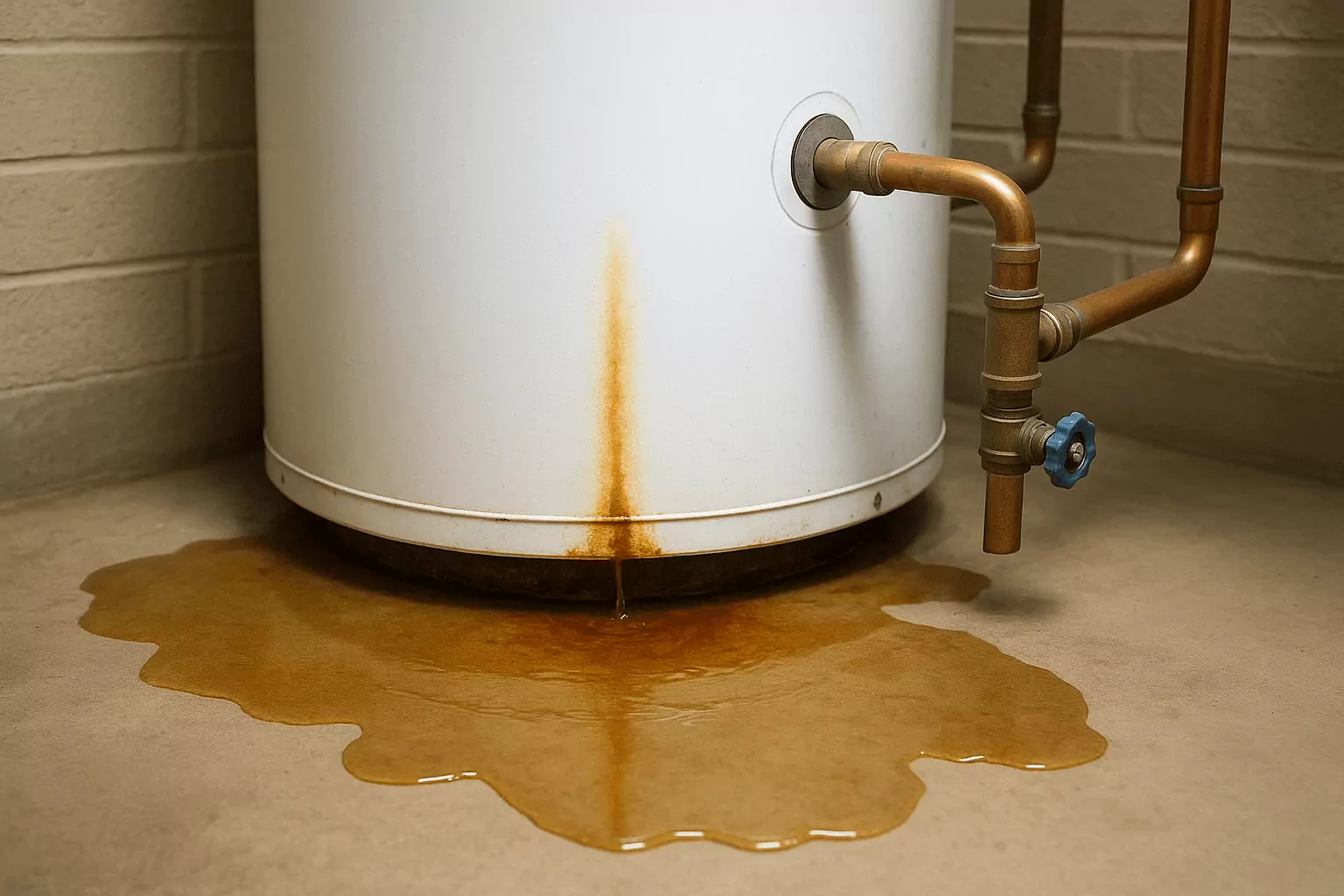
If you have noticed puddles around your tank, you are likely dealing with a water heater leaking from bottom Beaumont homeowners frequently report. Leaks at the base can stem from corrosion, sediment buildup, faulty valves, or even harmless condensation that looks worse than it is. Knowing the difference helps you act fast, limit water damage, and protect your home in Beaumont, Orange, and Bridge City. This guide walks through the top causes, practical DIY safety steps, and when to call a licensed plumber. For quick reference and local help, see our section on solutions tailored to Gulf Coast water conditions and regional plumbing codes. If you need immediate service, 409 Plumbing in Orange, TX is ready to diagnose and fix the issue quickly and safely. Learn more or get help now: water heater leaking from bottom Beaumont.
Sediment buildup and corrosion: a leading cause of a water heater leaking from bottom Beaumont residents face
In Beaumont and surrounding areas, mineral-rich water accelerates sediment accumulation at the bottom of tanks. Over time, this sediment acts like insulation, forcing the burner or elements to work harder and superheat the tank floor. Superheating causes popping or rumbling sounds and can weaken the steel lining, especially if the anode rod is depleted and corrosion advances unchecked. Eventually, microscopic pinholes form and leak into the drain pan or onto the floor, appearing as a leak from the bottom. A good practice is annual flushing and anode rod inspection to slow corrosion and extend the life of your unit.
We recently helped a Beaumont homeowner whose gas water heater had constant puddles after showers. The tank had never been flushed in seven years, and the anode rod was fully consumed, leaving the steel tank vulnerable to rust. Under combustion stress, the bottom weakened and began seeping through several tiny pinholes. Because the tank shell itself had failed, we recommended replacement rather than repair and installed a high-efficiency model with a new expansion tank. Following installation, we set up a maintenance plan that includes annual flushing and periodic anode checks to prevent a repeat problem.
Drain valve, TPR discharge, and pressure issues: how they mimic a water heater leaking from bottom Beaumont homeowners observe
The drain valve at the base is a common culprit when you see water pooling around your heater. Plastic drain valves can warp over time, and a loose cap or worn washer lets water drip slowly, creating a persistent puddle. Meanwhile, the temperature and pressure relief (TPR) valve can discharge intermittently if water pressure is too high or the tank overheats, sending water down a discharge line that can end up near the floor. If the home lacks a functional expansion tank or pressure-reducing valve, daily thermal expansion may force the TPR to release water. These issues are fixable with proper testing, valve replacement, and pressure regulation.
Consider a Bridge City case where the homeowner thought the tank had failed because the pan filled weekly. Our diagnostic showed a faulty pressure-reducing valve on the main line and a waterlogged expansion tank, which caused the TPR to weep during peak demand. We replaced both and upgraded the drain valve to a metal unit with a secure cap, then verified pressures at fixtures to confirm the fix. The result was a dry pan and improved system stability without replacing the water heater. If you suspect valve or pressure problems, schedule a targeted inspection with our water heater repair team for quick, cost-effective solutions.
Supply line and top leaks that travel down: diagnosing a water heater leaking from bottom Beaumont homeowners misread
Not every puddle originates at the bottom; leaks from the cold or hot supply lines can run down the tank jacket and collect at the base. Flexible connectors, dielectric nipples, and shutoff valves may develop slow seepage that only becomes visible near the floor. Condensation from flues or nearby HVAC equipment can also trickle down and mimic a bottom leak, especially during humid Gulf Coast summers. To differentiate, dry the tank thoroughly, then wrap paper towels around fittings at the top, midsection, and base to trace moisture. Check again after a heating cycle to see where wetness starts first.
In one Orange, TX home, a homeowner feared a failing tank after noticing a musty odor and recurring puddles. Our test towels around the top fittings revealed a barely visible drip at a hot-side flex connector that traveled down a seam. Tightening the connector and replacing a worn gasket resolved the issue, saving the customer from a premature replacement. We also installed a proper drain pan with a plumbed line to an approved receptor to protect the subfloor. Schedule a checkup before small drips turn into damage.
Condensation, pans, and emergency steps: what to do when you spot a water heater leaking from bottom Beaumont style
Condensation is common when a cold tank fills and meets warm, humid air, leaving temporary moisture on the exterior that drips into the pan. If the water feels cool and stops after a short period of use, it could be simple condensation rather than a leak. Still, any standing water warrants caution and a safety-first response. Start by shutting off power to electric heaters at the breaker and turning gas control knobs to Off on gas units. Then close the cold-water shutoff to the heater and contain the puddle to prevent flooring damage.
When the leak source is uncertain or appears to be the tank itself, professional assessment is the safest path. Texas homeowners should always keep the TPR valve unobstructed and ensure the drain pan is correctly installed and plumbed per local code. For added confidence, review best practices from the U.S. Department of Energy on water heating efficiency and maintenance, and consult manufacturer guidance before DIY repairs. If you need urgent help across Orange, Beaumont, or Bridge City, contact us via our contact form or call 409-444-0066 for prompt service. Our licensed technicians will identify the true source, recommend repair or replacement, and help you prevent future recurrence.
When you see water under your heater, do not panic, but do act quickly to protect your property. Start with safe shutdown steps, then determine whether the puddle is from condensation, a valve issue, or true tank failure. Regular flushing, anode rod checks, and proper pressure control can prevent the most common causes of leaks at the bottom. If replacement is necessary, a right-sized, efficient model paired with an expansion tank offers long-term reliability for Beaumont, Orange, and Bridge City homes. For fast, expert help, call 409 Plumbing at 409-444-0066.
409 Plumbing provides same-day diagnostics, honest recommendations, and code-compliant repairs for any water heater leaking from bottom Beaumont homeowners encounter. We are proud to serve Orange, TX, Beaumont, TX, and Bridge City, TX with licensed technicians and transparent pricing. Get started with a scheduled visit through our contact form or request emergency help now.
Frequently Asked Questions About Water Heater Leaking From Bottom
What should I do first if I notice my water heater leaking from the bottom?
First, cut power to the unit: turn off the breaker for electric units or set the gas control to Off for gas models. Close the cold-water shutoff valve feeding the heater to limit any ongoing flow. If it is safe, mop up standing water and clear the area around the unit so a technician can access the base, drain valve, and TPR discharge. Avoid touching hot components or removing panels if you smell gas or see electrical scorching. Document what you see and when it occurs, which helps with diagnosis and insurance claims. Then call 409 Plumbing at 409-444-0066 for quick assistance in Orange, Beaumont, and Bridge City.
How can I tell if the tank is failing versus a valve or connection leak?
After drying the exterior, wrap paper towels around the drain valve, TPR discharge connection, and top supply fittings. If those towels get wet first, you likely have a valve or connection issue, which is usually repairable. If moisture seeps directly from the jacket seams or returns even after replacing suspect valves, the inner tank may be compromised. Rust-colored water, persistent rumbling, and advanced age (8 to 12 years for many tanks) also point toward tank failure. A licensed plumber can pressure-test the system and inspect the anode rod to confirm the diagnosis. When in doubt, request a professional evaluation through our water heater repair service.
Is it safe to keep using a water heater that is leaking at the bottom?
It is risky to operate a leaking heater, because a small leak can escalate into a sudden rupture and significant water damage. Electrical hazards, scalding, and gas safety concerns make continued use ill-advised until the cause is verified. Shut off power or gas and close the cold-water supply, then schedule a prompt inspection. If the leak is due to condensation or a minor valve drip, a quick repair may put you back in service the same day. If the tank is compromised, replacement is the safer path to protect your home and family. For licensed help in Southeast Texas, connect with 409 Plumbing in Orange, TX via our contact page or call 409-444-0066.
How often should I flush my water heater in Beaumont to prevent bottom leaks?
In mineral-heavy water areas like Beaumont and Orange County, annual flushing is a smart baseline. Homes with very hard water or heavy hot-water use may benefit from semiannual flushing to limit sediment buildup. Pair flushing with an anode rod inspection every two to three years, or sooner if you notice rust or odor. Installing and maintaining an expansion tank and verifying water pressure between 50 and 60 psi also helps reduce TPR weeping. For additional guidance, review the CDC's water system maintenance basics at cdc.gov and local code guidance through Texas regulatory resources. Our maintenance plans help Southeast Texas homeowners stay ahead of corrosion and pressure problems.

Registered Master Plumber Texas State Board of Plumbing Examiners
RMP #44702
Licensed and Bonded
Cities Serviced
409 Plumbing
Follow Us On
© 2026 409 Plumbing. All Rights Reserved.
Website Design and Hosting Provided by LocalBizBuzz,co