
24 Hour Service
Call 409-444-0066
Top Benefits of Professional Propane Line Installation
in Port Arthur
Maximize safety and efficiency with expert propane line installation in Port Arthur for homes and businesses.
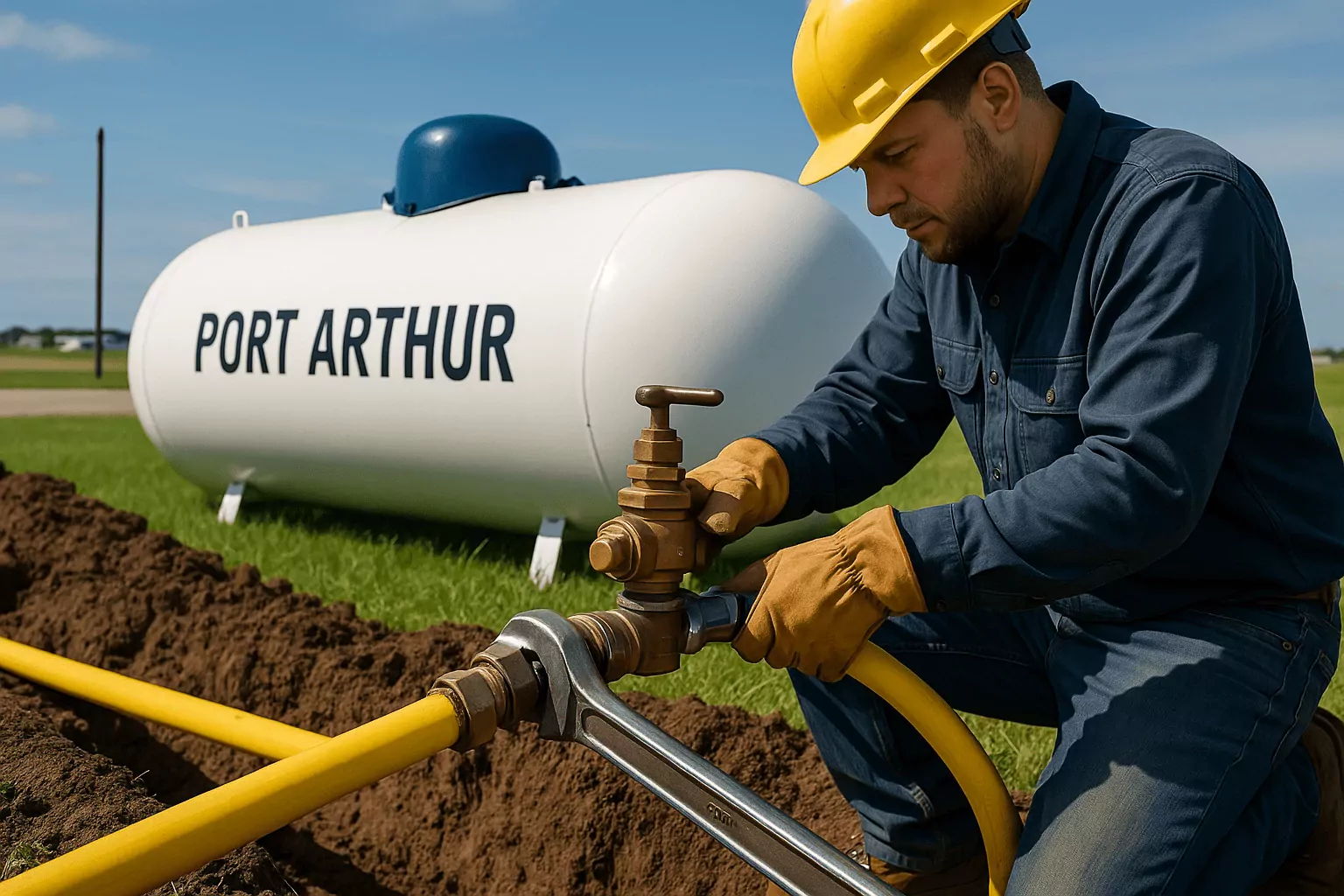
Planning a new propane system or replacing an aging gas line in Port Arthur is a high-stakes project that affects safety, efficiency, and long-term costs. When you search for propane line installation Port Arthur, you want a partner who understands local codes, soil conditions, permit requirements, and the best practices that keep your home or business protected. Professional installers deliver far more than pipe and fittings; they bring engineering insight, code expertise, and carefully documented testing to verify a leak-free system. From residential cooktops and outdoor kitchens to commercial heaters, generators, and warehouse appliances, a proper setup ensures dependable performance throughout Southeast Texas. With licensed technicians guiding your choices on materials, sizing, and regulators, you avoid the hidden issues that can lead to inefficiency or costly repairs. Learn how expert planning, precise installation, and strict compliance can maximize safety, reduce downtime, and protect your investment in Port Arthur.
Why safety and code compliance matter in propane line installation Port Arthur
Safety is the top reason to choose licensed professionals for propane line installation in Port Arthur, where humidity, shifting soils, and coastal weather demand robust materials and methods. Qualified installers follow NFPA 54 (National Fuel Gas Code) and NFPA 58 (Liquefied Petroleum Gas Code), pressure-test every joint, and document inspections to ensure your system is leak-free before ignition. In Port Arthur and the broader Jefferson County area, permits and final inspections help verify that setbacks, burial depths, and appliance connections meet code. Experienced technicians also account for corrosion protection, tracer wire placement on underground lines, and proper isolation from electrical systems. These steps reduce the risk of fire, carbon monoxide exposure, and unplanned outages, creating peace of mind for families and facility managers.
Code compliance is more than a checkbox; it is your best defense against accidents and insurance disputes. Reputable installers build your propane system to pass third-party inspections the first time, avoiding delays when you are trying to get a kitchen, heater, or generator online. If a problem is detected, pros can quickly troubleshoot using bubble-leak tests, manometers, or electronic detectors to find and resolve issues at the source. They also keep you informed on maintenance intervals, such as periodic leak checks and regulator replacements, which are recommended by industry guidelines and manufacturers. By investing in professional work now, you protect warranties, minimize liability, and ensure your installation remains safe and compliant over its full service life.
Performance and efficiency benefits of professional propane line installation Port Arthur
Proper sizing and layout directly influence the performance of propane appliances, from steady water heater temperatures to consistent generator output during power interruptions. A professional calculates total BTU load, line length, equivalent lengths for fittings, and pressure drop to select the right pipe diameter and regulator stages. This engineering approach ensures that peak-demand appliances such as tankless water heaters or commercial heaters receive the fuel flow they require. Technicians also evaluate appliance placement to shorten runs where possible, which helps maintain pressure and reduce material costs. The result is a balanced system that lights reliably, runs efficiently, and extends the life of burners and valves.
Material selection is equally important for long-term efficiency and durability in Port Arthur's environment. Licensed installers know when to recommend underground polyethylene (PE) with proper risers and anodeless fittings, or above-ground CSST and rigid piping protected against UV and corrosion. They use approved sealants and transition fittings to prevent galvanic corrosion and early failure at dissimilar metal joints. Correctly placed regulators maintain stable pressure even during cold snaps or high-demand periods, preventing nuisance shutdowns and rough appliance operation. Together, these choices reduce wasted fuel, cut service calls, and keep energy costs predictable for homes and businesses.
Cost control, long-term savings, and real-world examples of propane line installation Port Arthur
While DIY or cut-rate options may look cheaper upfront, professional propane line installation prevents the hidden costs that show up later as leaks, code violations, and appliance failures. Consider a Port Arthur homeowner who replaced a grill stub-out with undersized piping, only to experience low flame levels and frequent regulator freeze-ups. After a licensed team recalculated the load and corrected the regulator staging, the system performed flawlessly and wintertime fuel use dropped noticeably. Commercially, a warehouse in Southeast Texas reduced unplanned downtime by replacing a patchwork of fittings with a properly manifolded line layout. In both cases, up-front design and precision installation delivered lower operating costs and fewer service disruptions.
Preventive planning also helps businesses budget more accurately for expansions or seasonal demands. Restaurants that plan for future appliances can add capacity with minimal downtime because trunk lines and regulators were sized with growth in mind. Facilities with generators benefit from pressure and load assessments that ensure steady operation during extended outages. Homeowners gain predictability by avoiding emergency callouts tied to corrosion or improper connections, which often cost more than scheduled maintenance. Over a system's life, these strategic decisions translate into meaningful savings and greater confidence in critical appliances.
Project management, permits, and smooth delivery for propane line installation Port Arthur
A successful propane project in Port Arthur requires coordinated steps: permitting, utility locates, trenching or routing, pressure testing, and inspection. Professional installers handle the paperwork and schedule inspections so you do not lose days waiting for approvals. They also coordinate with tank suppliers, electricians, and appliance technicians when projects involve standby generators, pool heaters, or commercial equipment. Clear timelines help minimize disruption to homes and businesses, especially when trenching around landscaping, driveways, or high-traffic areas. You get one accountable partner who keeps the project moving and communicates progress at every stage.
Local expertise is crucial because Port Arthur's coastal climate and soil conditions influence material choices and installation techniques. Installers familiar with Southeast Texas know how to manage high water tables, protect above-ground runs from UV exposure, and secure lines against wind and shifting soils. They choose protective sleeves, proper bedding for underground lines, and reliable anchoring for exposed sections around appliances. After installation, they provide documentation of pressure tests and inspections that you can share with insurers, property managers, or code officials. This comprehensive approach delivers a safe, compliant system that goes live on schedule and performs reliably from day one.
Professional propane line installation in Port Arthur combines safety, efficiency, and smart planning to deliver a system that performs reliably for years. From code-compliant materials and precise sizing to thorough pressure testing and documented inspections, expert workmanship protects your property and budget. If you are ready to plan a safe, efficient system, contact 409 Plumbing at 409-444-0066 or visit our Contact form to schedule an on-site estimate in Orange, Beaumont, Bridge City, and the Port Arthur area. Explore related services on our Services page. For code references, consult the NFPA.
Call 409-444-0066 for prompt scheduling, transparent pricing, and expert propane solutions. We proudly serve homes and businesses across Orange, Beaumont, Bridge City, and nearby Port Arthur with responsive service and code-compliant installations.
Frequently Asked Questions About Propane Line Installation
How long does professional propane line installation take in Port Arthur?
Timelines vary based on project size, permit schedules, and whether lines are above ground or buried. A simple residential stub-out or appliance relocation might be completed within a single day after permits are in place. Larger projects, such as full-home retrofits or commercial manifolds, can take several days to a week due to trenching, pressure testing, and inspections. Weather and soil conditions in Port Arthur may influence trenching speed and backfill requirements, which your installer will factor into the schedule. Reputable companies provide a clear timeline during the estimate, update you on permit status, and coordinate inspections to keep the project on track.
What codes and standards apply to propane line installation Port Arthur?
Most installations follow NFPA 54 (National Fuel Gas Code) and NFPA 58 (Liquefied Petroleum Gas Code), along with any local amendments. In Texas, oversight of LP-gas safety includes guidance from the Texas Railroad Commission, and your installer will align the project with these requirements. Local building departments may also require permits, inspections, and specific setbacks or burial depths for underground lines. Professional installers document pressure tests, specify approved materials, and provide as-built details to show compliance. This ensures your system passes inspection the first time and remains safe, reliable, and insurable.
How do professionals verify that propane lines are leak-free and safe?
Licensed installers perform pressure tests using manometers or test gauges to verify the integrity of new or modified lines before connecting appliances. They follow standardized hold times and test pressures to meet code and manufacturer requirements. Technicians also use bubble solutions and electronic gas detectors to pinpoint any joint that needs resealing or replacement. After passing tests, they document results for your records and for the inspector's review. This multi-step process ensures your system is safe to operate, reduces callbacks, and protects against early wear on regulators and burners.
Can I reuse existing propane lines when adding new appliances?
Sometimes, but only after a professional evaluates the current line's size, condition, routing, and capacity for additional BTU load. If the existing line is undersized or corroded, adding appliances can cause pressure drops that impact performance or create safety hazards. A licensed installer can calculate whether your system can support new loads and recommend upgrades if needed. In many cases, adding a properly sized trunk line or adjusting regulator staging preserves performance and reduces future bottlenecks. This approach helps you avoid repeated rework as your property's needs evolve.
Registered Master Plumber Texas State Board of Plumbing Examiners
RMP #44702
Licensed and Bonded
Cities Serviced
409 Plumbing
Follow Us On
© 2026 409 Plumbing. All Rights Reserved.
Website Design and Hosting Provided by LocalBizBuzz,co