
24 Hour Service
Call 409-444-0066
Top Benefits of Outdoor Kitchen Gas Lines for Your Home in Orange
Enhance your Orange home with outdoor kitchen gas lines for better cooking, convenience, and outdoor entertaining.
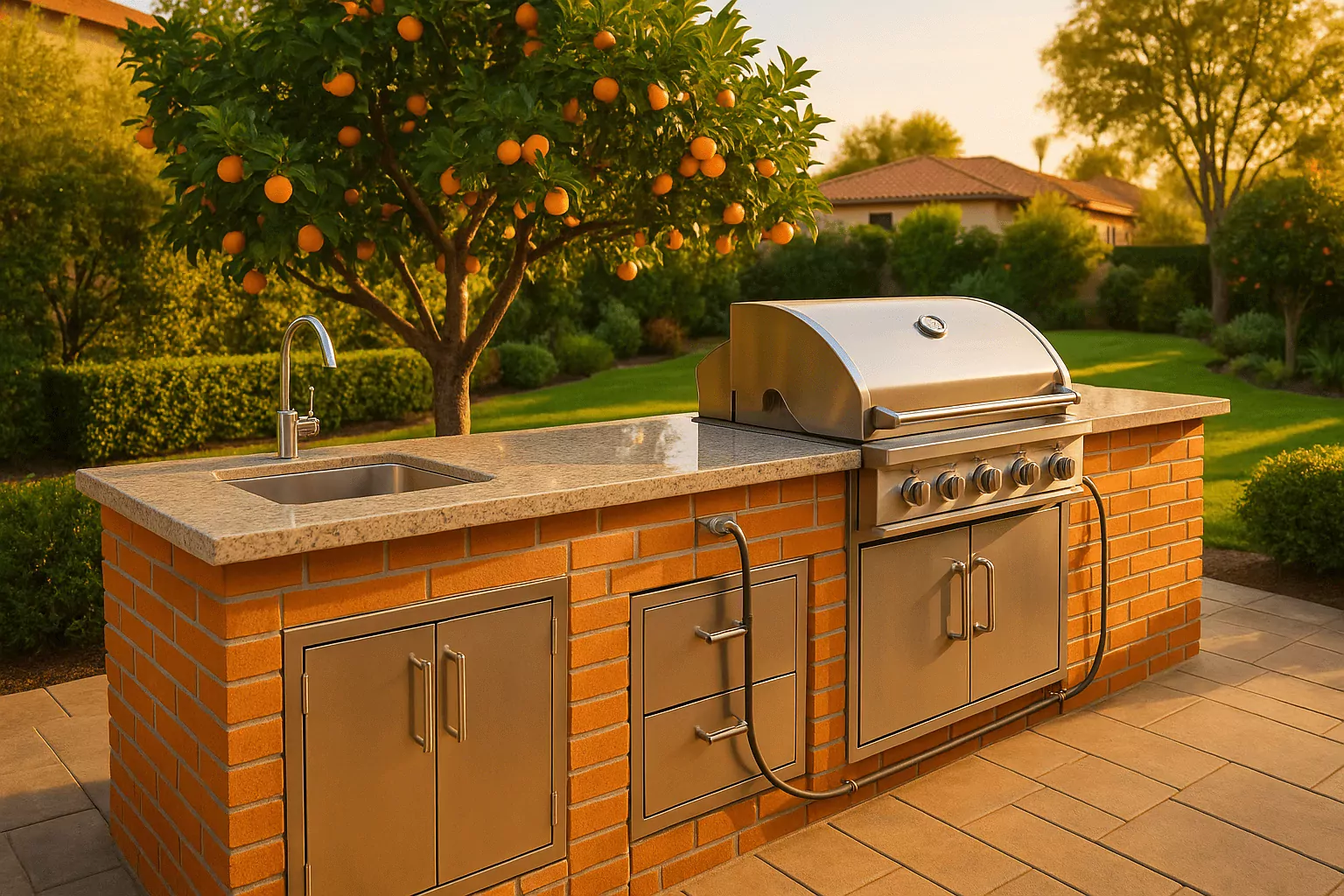
Thinking about elevating your backyard cooking space in Orange, TX? Installing dedicated outdoor kitchen gas lines gives you steady fuel, safer operation, and a more enjoyable experience than swapping propane tanks. With professional planning and proper sizing, your grill, side burner, pizza oven, and fire feature all run at peak performance. In this guide, we break down the top benefits, local permitting insights, safety musts, and long-term savings. We also share real examples from Orange and nearby communities to help you visualize results. If you want a quick overview or need a licensed pro to design and install, outdoor kitchen gas lines Orange is a smart place to start.
Reliable Cooking Performance and Efficiency With Outdoor Kitchen Gas Lines Orange
One of the biggest frustrations with portable tanks is inconsistent heat as the tank nears empty, especially during long weekend cookouts. A dedicated natural gas or propane line sized to your appliance BTU demand delivers steady, precise heat for searing steaks, baking pizzas, or simmering sauces. With a correctly sized regulator and manifold, multiple appliances run simultaneously without pressure drop. In Orange, TX, we frequently see outdoor grills paired with a side burner and a 100,000+ BTU pizza oven, all balanced through a properly designed gas piping system. The result is restaurant-quality control that helps you nail repeatable recipes every time.
Consider a recent install in West Orange where a family hosted large gatherings and complained about frequent tank swaps. We mapped appliance BTUs, evaluated the home's gas meter capacity, and ran a dedicated branch with a shutoff valve and quick-disconnect for seasonal maintenance. The new line maintained even flame across the grill and oven, cutting preheat times and improving heat recovery after lid openings. Over the first season, they reported fewer cook delays and more consistent results, especially on windy days along the Sabine. That kind of reliability turns your outdoor kitchen into a true extension of your indoor cooking space.
Safety, Code Compliance, and Permits Tailored to Outdoor Kitchen Gas Lines Orange
Safety is non-negotiable when dealing with fuel lines, and Orange-area homeowners benefit from working with licensed plumbers who follow the National Fuel Gas Code (NFPA 54) and local requirements. Proper trench depth, pipe material selection (such as CSST or polyethylene for underground runs), bonding, and shutoff placement are critical to prevent hazards. We conduct pressure tests and leak checks with calibrated gauges before final tie-in and appliance startup. Many projects also require permits and inspections to confirm compliance, protecting your investment and improving future home resale value. For reference, you can review national standards at the National Fire Protection Association and general gas safety guidance at the American Gas Association.
In practical terms, compliance means choosing the right piping method for soil conditions, planning isolation valves at logical points, and labeling connections for quick service. Weather-resistant enclosures, carbon monoxide awareness, and adequate ventilation around grills and ovens also matter. We design with safety zones in mind, keeping fuel lines away from high-heat areas and using protective sleeves where lines pass through masonry. When in doubt, we coordinate with local inspectors to ensure your outdoor kitchen meets Orange-area expectations. This approach minimizes risk and keeps your outdoor space comfortable and worry-free for family and guests.
Convenience and Cost Savings Over Tank Swaps
Continuous fuel supply is one of the most appreciated perks of a hard-piped outdoor kitchen. No more mid-party tank runs, no guessing game about remaining fuel, and no storage hassles. Many Orange homeowners with natural gas service find total operating costs lower than frequent propane refills, especially for high-BTU appliances. While upfront installation costs vary based on distance, trenching, appliance count, and meter upgrades, the lifetime convenience is hard to beat. You also reduce the chance of wasted fuel when swapping partially full tanks, and you gain a cleaner look without cylinders cluttering the patio.
We often recommend a cost-comparison worksheet during planning to project 1-, 3-, and 5-year savings. A Bridge City homeowner who grilled four nights a week saw meaningful savings after switching from weekly propane refills to a metered natural gas line. Maintenance also simplified, with yearly leak checks and quick inspections replacing last-minute tank emergencies. You can further optimize costs by including a stub-out for future appliances during initial trenching, which is cheaper than adding a new run later. A little foresight during design turns your backyard into a low-maintenance, budget-friendly cooking hub.
Design Flexibility, Expansion, and Property Value
Well-planned outdoor kitchen gas lines support multiple zones: a main grill, side burner, griddle, wok station, pizza oven, and even a fire table. By right-sizing the manifold and regulators from day one, you can add appliances later without redoing the entire system. Smart layout keeps flex connections short, uses quick-disconnects where practical, and places shutoffs within easy reach. We also consider wind, shade, and proximity to seating to balance comfort with safety. This holistic design approach looks great, cooks great, and supports how your family actually lives outdoors.
In Beaumont, a homeowner started with a built-in grill and fire feature but wanted the option to add a smoker. We sized the gas line for future load and left a capped stub under the counter with clear labeling. A year later, integrating the smoker took a single service visit with no additional trenching or masonry work. Thoughtful planning like this can increase buyer appeal and perceived home value, as outdoor kitchens remain a top-requested amenity. It is the kind of forward-thinking upgrade that pays off in daily enjoyment and long-term ROI.
From consistent heat and safer operation to long-term savings and design flexibility, installing outdoor kitchen gas lines transforms how you cook and entertain at home. By partnering with a licensed local expert, you get a system that is code-compliant, properly sized, and tailored to your space. 409 Plumbing proudly serves Orange, Beaumont, and Bridge City with turnkey planning, permitting, installation, and testing. Ready to get started? Call 409 Plumbing at 409-444-0066 to schedule your consultation. For service details, explore our gas line installation services or contact us online.
Resources About Outdoor Kitchen Gas Lines
Frequently Asked Questions About Outdoor Kitchen Gas Lines
Do I need a permit to install outdoor kitchen gas lines in Orange, TX?
Permit requirements vary by project scope, but many outdoor gas line installations in the Orange area do require permits and inspections. Permitting helps ensure the design meets NFPA 54 standards and local code, including trench depth, material selection, bonding, and shutoff placement. Inspections confirm proper leak testing and pressure integrity before appliances are put into service. We handle permitting and coordinate with inspectors so your project stays compliant and on schedule. If you want to check general city resources, the City of Orange website offers helpful guidance, and we are happy to walk you through specifics for your address.
Which is better for my outdoor kitchen: natural gas or propane?
Both fuels can deliver excellent results if the system is designed correctly. Natural gas offers convenience and often lower ongoing costs when your home already has a meter, making it ideal for frequent cooks and high-BTU appliances. Propane may be preferable when natural gas service is unavailable, or for properties where shorter runs and tank placement are feasible. We evaluate appliance BTUs, usage patterns, and site constraints to recommend the best fit, including regulator selection and line sizing. In Orange, Beaumont, and Bridge City, we routinely design for either fuel with equal emphasis on safety and performance.
How do professionals size outdoor kitchen gas lines Orange to prevent pressure drop?
We start by listing each appliance's BTU rating and expected simultaneous use, then calculate total demand and allowable pressure loss. Using code-approved tables and manufacturer guidelines, we select pipe diameters and materials that maintain adequate pressure at each outlet. Manifold design, regulator placement, and run length are optimized to deliver steady flame and fast heat recovery. We also include shutoff valves and test ports to simplify service and seasonal maintenance. Before final tie-in, we conduct pressure tests and leak checks to verify performance matches the design.
What should I budget for installing an outdoor gas line to my grill and pizza oven?
Costs depend on factors like distance from the meter, trenching conditions, appliance count, required regulators, and any meter upgrades. Simple grill-only runs can be relatively modest, while multi-appliance kitchens with long underground routes and masonry penetrations require more labor and materials. During an on-site visit, we map BTUs, confirm meter capacity, and provide a transparent, line-item estimate. We also suggest value engineering options, such as installing a capped stub for future appliances during the initial trench, which is usually more cost-effective. Many homeowners view the investment as a long-term upgrade that saves time, reduces hassles, and enhances property appeal.
Registered Master Plumber Texas State Board of Plumbing Examiners
RMP #44702
Licensed and Bonded
Cities Serviced
409 Plumbing
Follow Us On
© 2026 409 Plumbing. All Rights Reserved.
Website Design and Hosting Provided by LocalBizBuzz,co