
24 Hour Service
Call 409-444-0066
Top 5 Tips for Water Heater Installation in Bridge City
Essential advice for homeowners in Bridge City to ensure a successful and efficient water heater installation.
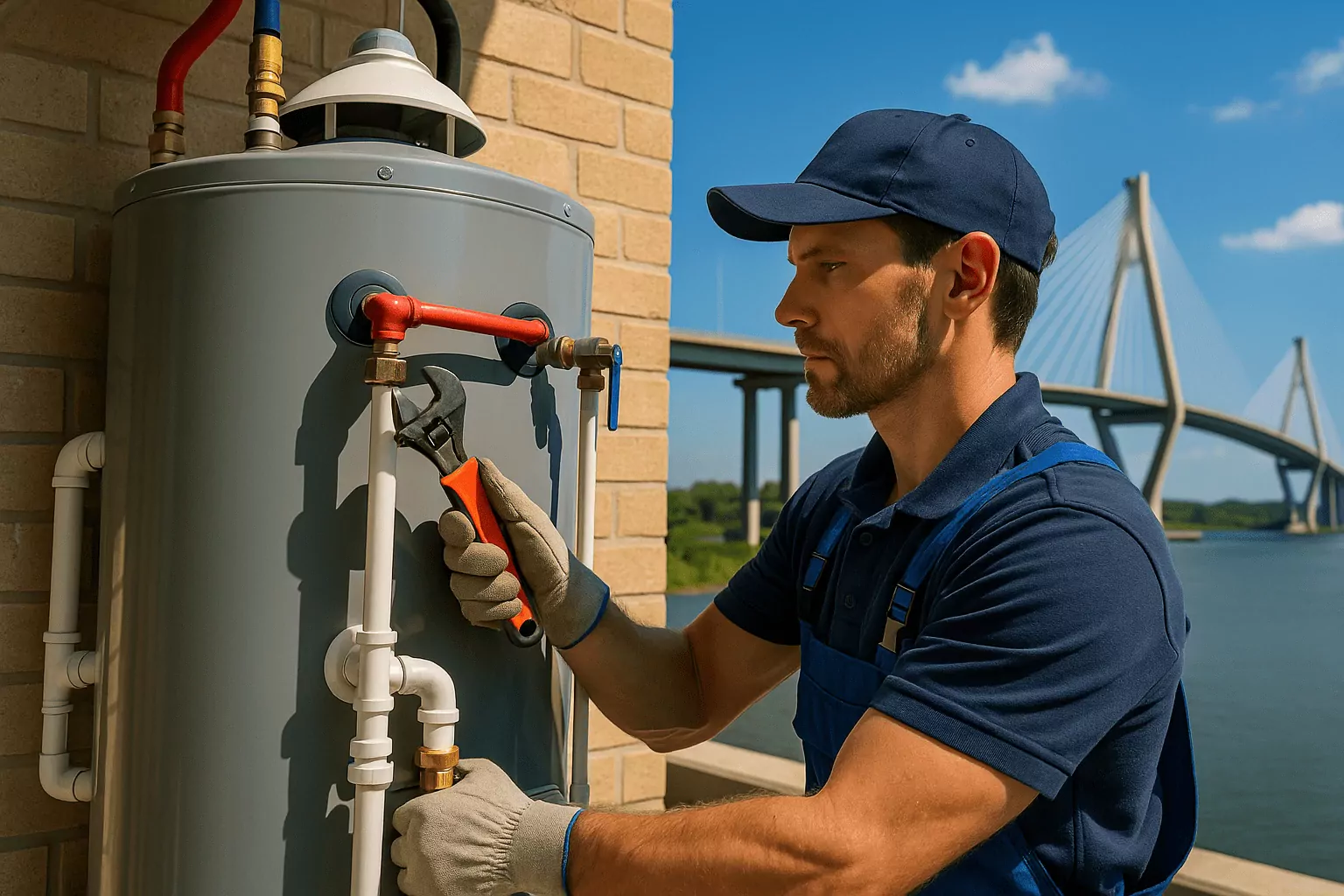
Planning a successful water heater installation Bridge City project means balancing local code requirements, energy efficiency, and your household's daily hot water demands. Homeowners often underestimate key steps like permitting, proper venting, and gas line sizing, which can lead to delays or performance issues. To avoid common pitfalls, start with a clear plan that accounts for placement, capacity, and long-term maintenance. If you want a fast overview, learn more here: water heater installation Bridge City and explore professional options suited to Southeast Texas homes. In this guide, we outline practical tips drawn from real installs and service calls across Bridge City, Orange, and Beaumont. Use these insights to streamline your project and ensure safe, efficient performance from day one.
1. Permits, codes, and placement for water heater installation Bridge City
Before a single tool comes out, confirm whether your project requires permits and inspections, which protects safety and resale value. In Texas, installations must adhere to state plumbing regulations, and working with a licensed pro helps satisfy code and manufacturer warranty terms. Review clearances, combustion air needs, venting paths, and drain routing to prevent hazardous backdrafting or leaks. For authoritative guidance on efficiency and safe operation, consult the U.S. Department of Energy's Water Heating resources at energy.gov.
Consider physical constraints like ceiling height, attic access, and proximity to existing gas, electrical, and water lines. In Bridge City homes with garages or utility closets, ensure proper elevation for gas units, install a drain pan with a correctly routed discharge line, and confirm strapping or bracing if applicable. We recently assisted a Bridge City homeowner who relocated a tank from a tight closet to the garage, improving ventilation and service access while meeting code. Proper placement also reduces noise and shortens hot water wait times when thoughtfully positioned near high-use bathrooms. Taking time to get the site plan right prevents costly rework and supports safe, smooth inspections.
2. Choose the right size and fuel type for water heater installation in Bridge City
Selecting the correct capacity is crucial for reliable performance and lower energy bills. For storage tanks, check first-hour rating (FHR) and consider peak shower loads, laundry schedules, and dishwasher cycles. If you have a larger Bridge City household or teens who shower back-to-back, opt for a tank with a higher recovery rate or a properly sized tankless system. Electric, gas, heat pump, and tankless options each have tradeoffs for cost, venting needs, and operating efficiency. ENERGY STAR resources at energystar.gov provide reputable guidance on efficiency tiers and expected savings.
We recently helped an Orange family upgrade from a 40-gallon tank to a 50-gallon high-recovery unit after frequent morning shortages. By calculating their simultaneous-use profile, we recommended a unit that covered two showers and a dishwasher cycle without temperature dips. In another case near Beaumont, a tankless system delivered consistent performance after we upsized the gas line and ensured sufficient combustion air. The right choice depends on your home's infrastructure, budget, and how you use hot water. A brief consultation can prevent mismatches that lead to lukewarm showers or unexpected energy costs.
3. Prepare the site to save time and prevent callbacks during water heater installation Bridge City
Thorough site prep accelerates installation and avoids damage to finishes or stored items. Clear a safe workspace and protect floors, then verify shutoff valves function and are accessible. Install or replace the drain pan and route the T&P relief discharge according to code and manufacturer instructions. Confirm proper venting materials and routing for gas units and correct electrical circuit requirements for electric or heat pump models. If your home uses a closed-loop system, plan for a thermal expansion tank to stabilize pressure and protect fixtures.
We often find that small prep details make the biggest difference during inspections and final commissioning. In one Bridge City garage install, replacing a sticky main shutoff and adding an accessible gas valve prevented future emergency calls. Another project required rerouting a flue to maintain required clearances from building materials while improving draft performance. For tankless retrofits, we assess condensate disposal routes and mounting surfaces to avoid corrosion or nuisance leaks. Investing an extra hour in prep can save days of delays, especially when coordinating inspections or HOA notifications.
4. Execute professional-grade connections, testing, and commissioning
Impeccable connections and thorough testing separate a good install from a great one. Use approved fittings, install dielectric unions where dissimilar metals meet, and ensure unions are accessible for future service. For gas units, verify line sizing, perform a bubble or manometer test, and confirm proper combustion with stable flame characteristics. Set the thermostat to 120°F for safety and efficiency, and purge air from hot lines to stabilize temperatures. Document serial numbers, UEF ratings, and warranty data for your records and future service needs.
Commissioning should include checking vent draft, verifying T&P valve operation, and confirming leak-free hot/cold connections. For tankless units, follow manufacturer start-up procedures, update firmware if applicable, and calibrate flow settings. We also label shutoffs and note filter or descaling intervals on a service tag, which simplifies annual maintenance. A recent Beaumont tankless startup included a flow sensor calibration that improved temperature stability at low draw rates. These details improve day-to-day comfort while preventing early wear and unexpected warranty conflicts.
5. Lock in efficiency and reliability from day one
Small upgrades at install time can boost output and reduce long-term costs. Insulate the first 6-10 feet of hot and cold lines to minimize heat loss and reduce condensation near the tank or heat pump. Consider a recirculation solution or a timer-controlled pump in larger floorplans to reduce wait times without excessive runtime. If your water is hard, plan an annual flush and consider a whole-home conditioner to preserve efficiency and extend anode life. Keep a maintenance log with dates for flushing, anode inspections, and filter changes to avoid guesswork.
From a local case study, a Bridge City homeowner cut energy use by pairing a high-efficiency tank with insulated lines and a smart recirculation schedule. Another family in Orange avoided premature tank failure by replacing a depleted anode at year three during a routine tune-up. If you want professional help maintaining performance, explore our plumbing and water heater services and consider a proactive service plan. Smart maintenance and small efficiency upgrades protect your investment and keep hot water reliable year-round.
When you plan carefully, follow codes, and focus on commissioning, water heater installation Bridge City becomes a smooth, stress-free project. Use the five tips above to confirm permits, choose the right capacity, prepare the site, execute safe connections, and lock in long-term efficiency. For expert help or a same-day estimate, contact 409 Plumbing at 409-444-0066. We proudly serve Orange, Beaumont, and Bridge City with licensed, insured pros who stand behind every install. Ready to get started or need a quick quote? Contact 409 Plumbing today and enjoy reliable hot water with confidence.
Frequently Asked Questions About Water Heater Installation
Do I need a permit for water heater installation in Bridge City?
Permits and inspections depend on the scope of work and local enforcement, but they are commonly required for replacements and new installations. Permits help ensure compliance with plumbing and venting codes that protect your safety and insurance coverage. Working with a licensed installer keeps your project aligned with Texas regulations and manufacturer warranty terms. When in doubt, consult your local building department or ask your contractor to handle permitting on your behalf. You can also review Texas licensing and code resources at tdlr.texas.gov to understand statewide requirements.
How long does a typical installation take?
Most like-for-like tank replacements take 3-5 hours when shutoffs and venting are in good condition. Tankless retrofits generally require more time, often 6-10 hours, due to gas line sizing, venting, and condensate routing. Unexpected issues such as corroded fittings, inaccessible valves, or electrical upgrades can extend the timeline. Scheduling an on-site assessment helps identify risks and prepare materials in advance, keeping your project on schedule. Our team coordinates arrivals, permits, and inspections to minimize downtime and restore hot water quickly.
Should I choose tankless or a high-efficiency tank for my home?
The best choice depends on your hot water habits, floorplan, and fuel availability. Tankless delivers endless hot water with higher upfront costs but can reduce energy use when properly sized and maintained. High-efficiency tanks provide predictable performance with simpler maintenance and typically lower initial investment. Consider your peak usage, distance to fixtures, and whether gas line or electrical upgrades are needed. A site visit allows us to compare options side by side and build a true cost-of-ownership estimate for your home.
What size water heater do I need for a family of four?
For many families of four, a 50-gallon high-recovery tank or a properly sized tankless unit is a strong starting point. However, the right size depends on simultaneous uses like back-to-back showers, laundry, and dishwasher cycles. Reviewing first-hour rating (FHR), recovery rate, and UEF ensures you get steady performance without overspending on capacity. For tankless, we evaluate minimum flow rates, temperature rise, and gas line capacity to handle peak draws. A quick load calculation based on your specific routine yields a more reliable and efficient recommendation.

Registered Master Plumber Texas State Board of Plumbing Examiners
RMP #44702
Licensed and Bonded
Cities Serviced
409 Plumbing
Follow Us On
© 2026 409 Plumbing. All Rights Reserved.
Website Design and Hosting Provided by LocalBizBuzz,co