
24 Hour Service
Call 409-444-0066
Top 5 Tips for Successful Plumbing Rough-In
in Port Arthur TX
Master the essential steps for a flawless plumbing rough-in in Port Arthur, TX, ensuring your project runs smoothly and efficiently.
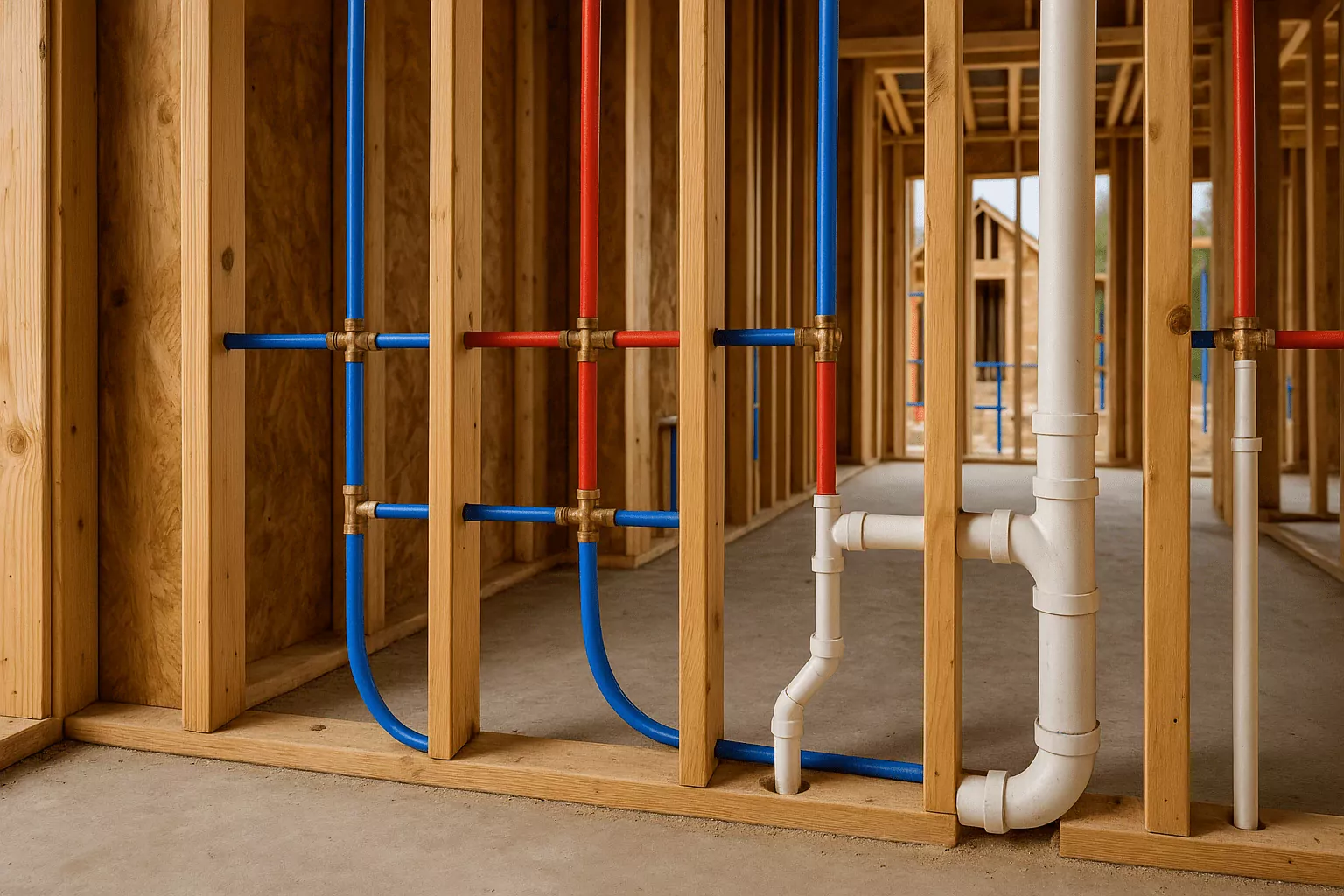
When it comes to construction and renovations, the plumbing rough-in Port Arthur TX phase is crucial for ensuring a functional and efficient plumbing system. This initial stage involves laying out the necessary piping and connections before walls and floors are completed. For contractors and DIY enthusiasts alike, mastering this process can significantly impact the overall success of plumbing projects. In Port Arthur, TX, understanding local building codes and best practices is essential to avoid costly mistakes and ensure compliance. This guide will provide valuable insights, practical tips, and expert advice to streamline your plumbing rough-in process and enhance your installations. Whether you're a seasoned professional or just starting, these tips will help you navigate the complexities of plumbing rough-in with confidence.
1. Plan Your Layout Thoroughly
Before any physical work begins, take the time to carefully plan your plumbing layout. Sketch out your design, making sure to consider the locations of fixtures such as sinks, toilets, and showers. Accurate measurements are critical, as even slight miscalculations can lead to significant issues later on. Utilize software tools or apps designed for plumbing layouts to visualize your project effectively. Additionally, ensure that your layout complies with local codes, as regulations may dictate specific distances between fixtures and other essential elements.
In one case, a contractor in Port Arthur attempted to install a bathroom without a proper layout, resulting in misaligned pipes and wasted materials. By planning ahead, they could have avoided the costly rework and ensured compliance with Texas plumbing regulations.
2. Use Quality Materials
Investing in high-quality materials can save you headaches down the road. Opt for durable piping materials that are suitable for your specific plumbing needs, such as PVC, PEX, or copper. Each material has its advantages and disadvantages, so be sure to choose the one that aligns best with your project requirements. For instance, PEX is flexible and easy to install, making it a popular choice for residential plumbing, while copper is known for its longevity and reliability.
By using quality materials, you can minimize the risk of leaks, clogs, and other plumbing issues that may arise during and after the rough-in phase.
3. Ensure Proper Ventilation
Proper ventilation is a key aspect of any plumbing system, particularly during the rough-in stage. Vent pipes are vital for allowing air to enter the plumbing system, preventing vacuum formation, and ensuring that wastewater flows smoothly. Inadequate venting can lead to slow drainage, gurgling sounds, and even sewer gas entering the home.
When setting up your rough-in, make sure to include adequate venting for each fixture. This often involves running vent pipes vertically through the roof or connecting them to existing vents. Failure to do so can result in serious plumbing issues, so consult local codes or a professional plumber if you're uncertain about the requirements.
4. Test Your Work
After completing the rough-in, it's crucial to conduct thorough tests before closing up walls and floors. Performing a pressure test on your water lines will help identify leaks that may not be visible otherwise. For drain lines, a water test is also essential to ensure proper flow and drainage. This step, while time-consuming, can prevent major problems from arising after the installation is complete.
For example, a homeowner in Beaumont discovered a leak in their newly installed plumbing system only after the drywall was up, resulting in costly repairs. By investing the time to test your work during the rough-in phase, you can save yourself from future headaches and expenses.
5. Keep Local Codes in Mind
Every city has specific plumbing codes that must be adhered to during the rough-in process. In Port Arthur, TX, these regulations ensure that plumbing systems are safe, efficient, and reliable. Familiarizing yourself with these codes is essential for any plumbing project, as failing to comply can result in fines, delays, and additional work to rectify issues.
Consulting resources such as the American Society of Plumbing Engineers (ASPE) can provide valuable insights into the latest plumbing standards and codes. Always keep these regulations in mind during your rough-in to ensure a smooth process and successful project outcome.
Successfully executing a plumbing rough-in Port Arthur TX requires careful planning, quality materials, proper ventilation, thorough testing, and adherence to local codes. By following these top five tips, you can enhance your plumbing projects and avoid common pitfalls. Remember, taking the time to do it right during the rough-in phase can save you from significant headaches and expenses later on. For more expert advice or to schedule a plumbing consultation, contact 409 Plumbing at 409-444-0066 today! You can also check out our full list of remodeling plumbing services or visit our blog for more tips.
Frequently Asked Questions About Plumbing Rough-In
What is plumbing rough-in?
Plumbing rough-in refers to the initial phase of a plumbing installation where the basic piping and connections are laid out before walls and floors are finished. This stage includes installing water supply lines, drain pipes, and vent systems. It's essential for ensuring that the plumbing system functions correctly and meets local building codes. Proper rough-in can help avoid costly errors and ensure a seamless installation process.
How long does a plumbing rough-in take?
The duration of a plumbing rough-in can vary based on the complexity of the project and the number of fixtures being installed. On average, a straightforward rough-in for a single-family home may take anywhere from a few days to a week. However, more extensive projects may require additional time. Factors such as the contractor's experience, the availability of materials, and site conditions also play a significant role in determining the timeline.
Can I do my own plumbing rough-in?
While it is possible for a DIY enthusiast to complete their plumbing rough-in, it is highly recommended to have a basic understanding of plumbing systems and local building codes. Mistakes during this phase can lead to costly repairs and safety issues down the line. If you're unsure, hiring a professional plumber can provide peace of mind and ensure that the job is done correctly. Consulting with experts can also help you navigate complex regulations and avoid potential pitfalls.
Registered Master Plumber Texas State Board of Plumbing Examiners
RMP #44702
Licensed and Bonded
Cities Serviced
409 Plumbing
Follow Us On
© 2026 409 Plumbing. All Rights Reserved.
Website Design and Hosting Provided by LocalBizBuzz,co