
24 Hour Service
Call 409-444-0066
Top 5 Tips for Safe Gas Appliance Hookup in Vidor
Ensure your gas appliance hookup in Vidor is safe and efficient with these essential tips for homeowners.
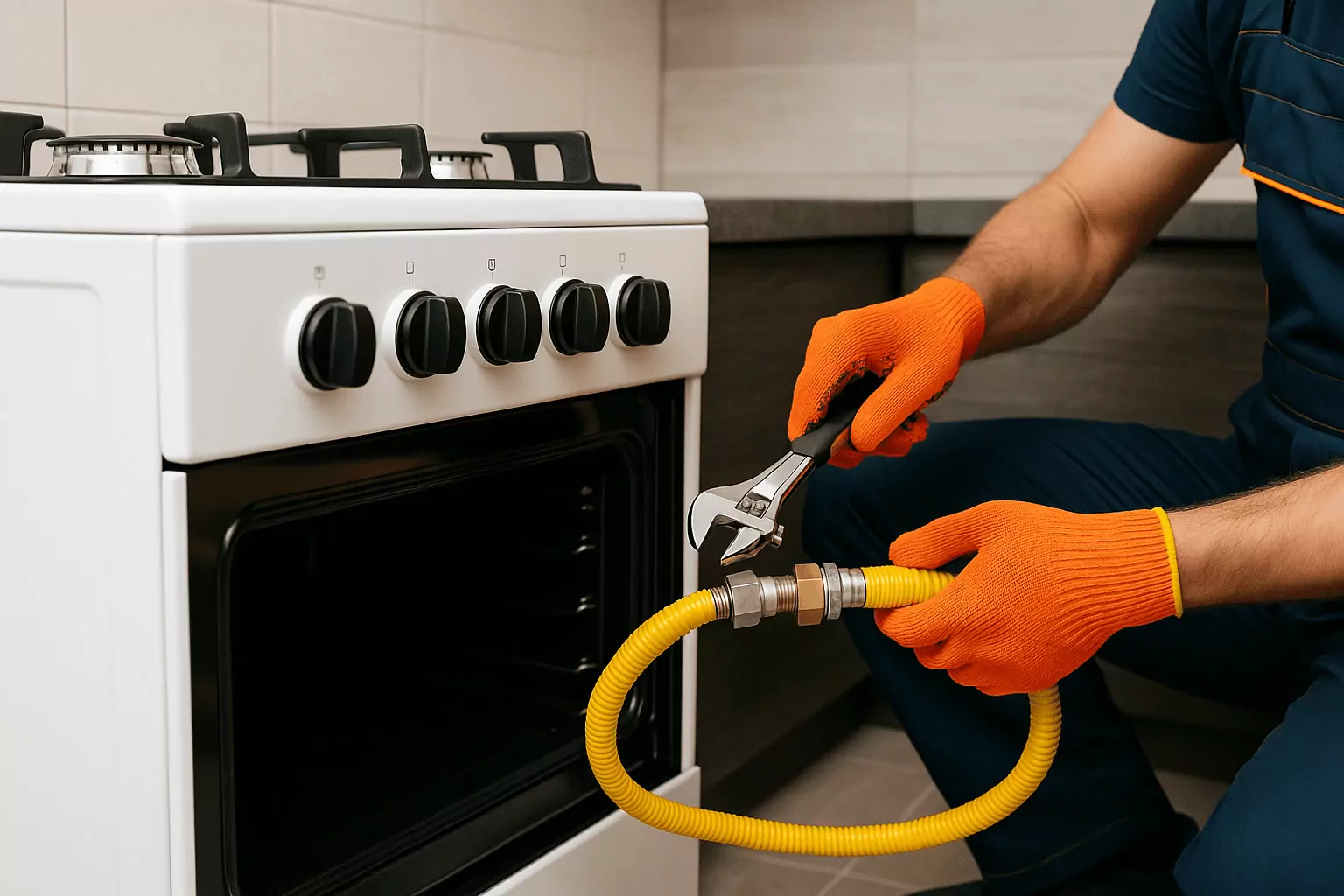
Proper planning and execution are essential for any gas appliance hookup Vidor homeowners undertake, whether you are installing a new range, dryer, or water heater. From code compliance to leak testing, every step impacts safety, efficiency, and long-term performance. If you are considering a DIY approach, start by learning the correct sequence, approved materials, and testing methods used by licensed professionals. For expert guidance and a quick overview, visit gas appliance hookup Vidor to explore service options and resources. The right approach can help you minimize risks, protect your family from carbon monoxide, and avoid costly rework after inspections. With the five tips below, you will gain confidence, avoid common pitfalls, and know exactly when to call a pro in the 409 area.
1. Know the codes and permits before starting your gas appliance hookup Vidor
Before unboxing a connector or reaching for thread sealant, confirm which codes and permits apply to your address in or near Vidor. Most jurisdictions reference NFPA 54, also known as the National Fuel Gas Code, which sets standards for pipe sizing, connectors, shutoff valves, and sediment traps. Utilities and local authorities may also require a permit and final inspection to validate safety and workmanship. Skipping this step can delay your project, void warranties, and create issues with insurance coverage after a claim. Review the latest guidance from the NFPA 54 National Fuel Gas Code and call your utility to confirm requirements specific to your home.
We recently assisted a homeowner upgrading a gas range near Vidor who initially planned a same-day DIY install without a permit. After learning that a final inspection was required, we secured the permit, added a code-required sediment trap, and passed the first inspection without corrections. That small change prevented a two-week delay and an extra trip fee for re-inspection. To streamline your own process, map out the approval steps before you begin and schedule inspections around your work window. If you prefer a turnkey experience, 409 Plumbing can handle permits, installation, and inspection coordination from start to finish.
2. Select the right materials and sizing for gas appliance hookup Vidor
Using approved, correctly sized materials is critical for safe operation and full appliance performance. Choose CSA-certified stainless steel flexible connectors sized for the appliance BTU rating and length needed without stretching or kinking. For threaded NPT joints, use a gas-rated pipe thread sealant or yellow PTFE tape approved for gas, but never on flare fittings. Undersized connectors or lines can starve burners, cause nuisance shutdowns, and produce incomplete combustion. Outdoors or in corrosive environments, consider protective coatings or piping methods recommended by your code official or installer.
A Bridge City customer called about a tankless water heater that kept shutting down under heavy use; the culprit was an undersized connector installed during a remodel. We replaced it with a connector sized to the unit's BTU demand and verified adequate supply pressure with a manometer test. After the upgrade, the unit ran smoothly even with multiple fixtures open. To avoid similar problems, confirm the total BTU load on the branch line, include line length and fittings in sizing calculations, and match your connector rating to the appliance tag. When in doubt, ask a licensed plumber to validate pipe and connector sizing against your current meter and regulator output.
3. Follow a safe sequence and clearances during gas appliance hookup Vidor
A proven installation sequence helps prevent damage, leaks, and costly callbacks. Start by shutting off the gas at the dedicated valve, capping open lines if needed, and confirming zero pressure. Assemble rigid connections first, add the sediment trap, then connect the flexible connector without twisting or over-bending. Tighten fittings to manufacturer torque specs and keep the connector off sharp edges and away from heat sources. Maintain code-required clearances around the appliance, including combustion air and ventilation paths for water heaters and dryers.
We corrected a dryer hookup in Beaumont where a connector was routed tightly behind the appliance and pinched during normal use. The fix involved setting proper clearance from the wall, re-routing the connector in a smooth arc, and replacing a crimped section that could have developed a leak. In mechanical rooms, ensure a stable, level platform and protect connectors from vibration and abrasion. Always secure venting components per manufacturer instructions and local code, and confirm make-up air as required. Clear labeling of the shutoff valve and an accessible union help future service go faster and safer.
4. Test for leaks and verify ventilation after gas appliance hookup Vidor
Every connection should be tested carefully before the appliance is put into service. After opening the shutoff valve and purging air per manufacturer guidance, apply an approved bubble solution to every joint and look for slow-forming bubbles that indicate small leaks. Follow with a low-pressure test or manometer check when applicable, and consider an electronic gas detector for added assurance. Beyond leak checks, verify that exhaust venting is secure, unobstructed, and sloped correctly where required. Install carbon monoxide detectors per manufacturer guidance and local code on each level of your home and near sleeping areas.
A homeowner near Orange reported a faint gas odor after installing a new cooktop; a bubble test revealed a tiny leak on a transition fitting that would have been missed without patience and proper solution. We corrected the joint, re-tested, and confirmed safe operation, then added CO detectors for layered protection. For health and safety resources on carbon monoxide, review the CDC CO safety guidance and keep batteries fresh in all alarms. If you ever smell gas, leave the area, avoid switches or flames, and contact your utility and a licensed plumber right away. Good testing today prevents emergencies tomorrow and keeps your system running at peak efficiency.
5. Plan maintenance and know when to call a pro for gas appliance hookup Vidor
Even a textbook installation benefits from periodic inspection and maintenance. Replace flexible connectors that show wear, corrosion, or damage, and consider proactive replacement every 5 to 10 years depending on environment and manufacturer guidance. Keep appliance compartments clean to protect burners and valves from dust and debris. Track performance indicators like burner flame quality, cycling behavior, and any new odors during operation. If you encounter anything unusual, it is safer and more cost-effective to bring in a licensed pro than to guess and hope for the best.
For emergency procedures, follow your utility's safety rules. Do not use electrical switches, phones, or lighters near a suspected leak; evacuate, call your gas utility from a safe location, and then contact a qualified plumber. 409 Plumbing offers code-compliant installation, pressure testing, and inspection support across Orange, Beaumont, Bridge City, and nearby communities. Explore our services, learn more on our blog, or request help now through our contact form. When your project calls for certified expertise, our local team is ready to assist in the 409 area.
Safe, efficient, and code-compliant results come from a clear plan that covers permits, proper materials, a proven installation sequence, thorough testing, and ongoing maintenance. With these five tips for gas appliance hookup Vidor projects, you will avoid common mistakes and protect your home from leaks and carbon monoxide risks. When a project becomes complex, or you want total peace of mind, 409 Plumbing is ready to help with licensed technicians and local inspection experience. We proudly serve Orange, Beaumont, and Bridge City, and we frequently assist nearby communities including Vidor. Call 409 Plumbing at 409-444-0066 for prompt, professional service today.
Frequently Asked Questions About Gas Appliance Hookup
Do I need a permit for a gas appliance hookup in or near Vidor?
Most jurisdictions in Southeast Texas require a permit and an inspection for new gas appliance hookups or gas line modifications. Requirements can vary based on city limits, county oversight, and utility policies, so it is best to verify with your local authority and your gas provider before you start. Inspectors typically check for proper materials, sediment traps, shutoff valves, and leak test documentation. Pulling a permit protects you, ensures compliance with NFPA 54, and helps maintain insurance coverage. 409 Plumbing can secure permits, coordinate inspections, and complete a code-compliant installation for a smooth, one-stop process.
Which thread sealant should I use on gas connections?
Use a gas-rated pipe thread sealant or yellow PTFE tape on tapered NPT threads, following manufacturer instructions for the number of wraps or application thickness. Do not use tape or paste on flare fittings, as they seal on metal-to-metal contact and do not require or permit thread sealant. Avoid generic white PTFE tape that is not approved for gas, as it can shred, migrate, and lead to leaks. Many pros prefer an ANSI LC7 or equivalent gas-rated paste for high-reliability joints on black iron or brass NPT fittings. Whichever you choose, apply sparingly, keep the first thread clean, and always perform a bubble test after assembly.
How do I size a gas line or connector for a new range or tankless water heater?
Start with the appliance's BTU rating, then reference NFPA 54 sizing tables to account for pipe material, run length, and allowable pressure drop. Add the BTU loads of all appliances on the same branch when calculating capacity, and consider future additions to avoid rework. Connectors should be CSA-certified and match or exceed the appliance BTU rating without being overly long or stretched. If your meter or regulator is undersized, you may need utility upgrades to deliver adequate pressure and flow. A licensed plumber can verify sizing with a manometer test and ensure the entire system, from meter to burners, is balanced.
What should I do if I smell gas after installation?
Leave the area immediately, avoid using switches, phones, or lighters, and do not try to find the leak yourself. From a safe location, call your gas utility's emergency line and then contact a licensed plumber for diagnosis and repair. Ventilate the space by opening doors and windows only if it is safe to do so without creating a spark. Do not re-enter the property until the utility or a qualified professional says it is safe. For fast local help in the 409 area, call 409 Plumbing at 409-444-0066 and our team will guide you through the next steps.

Registered Master Plumber Texas State Board of Plumbing Examiners
RMP #44702
Licensed and Bonded
Cities Serviced
409 Plumbing
Follow Us On
© 2026 409 Plumbing. All Rights Reserved.
Website Design and Hosting Provided by LocalBizBuzz,co