
24 Hour Service
Call 409-444-0066
Top 5 Tips for Installing Outdoor Kitchen Gas Lines
in Vidor
Master the essentials of safely installing outdoor kitchen gas lines in Vidor for a seamless grilling experience.
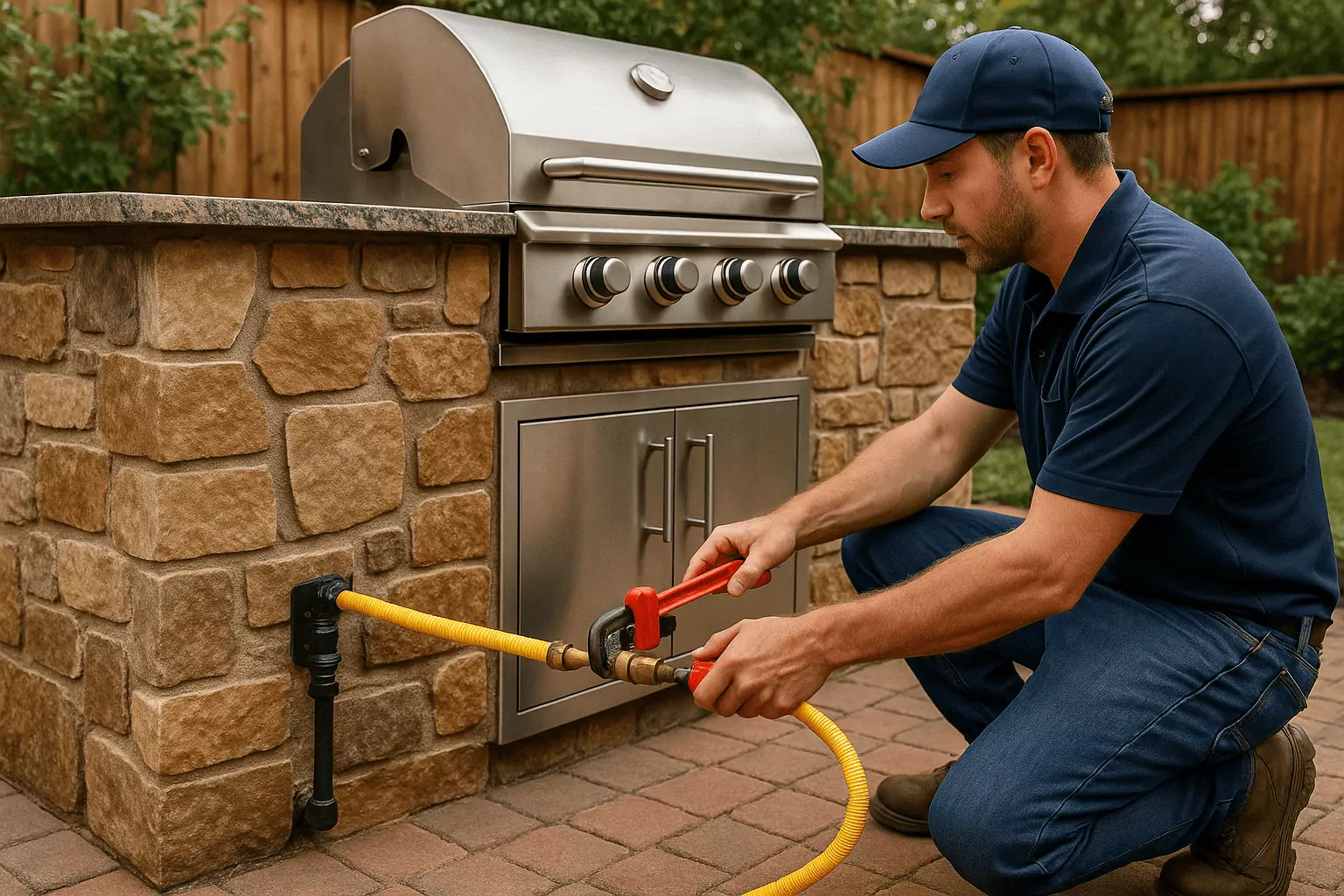
Planning outdoor kitchen gas lines Vidor residents can trust starts long before the first trench is dug or the first appliance is connected. Between code requirements, soil and weather conditions, and fuel choices, a smart plan protects your investment and your family. If you are a homeowner in Vidor, Orange County, or nearby Beaumont and Bridge City, the right approach will help your setup run safely and efficiently year-round. To get started, review permits, design for demand, and choose durable materials suited to Southeast Texas humidity and storms. As you read, you will find local insights, examples, and expert tips that reflect how gas installations actually work in our region. For quick navigation or to schedule service, explore our services or connect with a licensed installer at 409 Plumbing. You can also learn more about outdoor kitchen gas lines Vidor and what makes a code-compliant system last.
1. Confirm codes, permits, and utility locates for outdoor kitchen gas lines Vidor
The safest project begins with understanding which codes and permits apply to outdoor kitchen gas lines Vidor homeowners are planning. Vidor projects typically follow the International Fuel Gas Code and NFPA 54 standards as adopted locally, and they may require a permit and inspection before activation. Always call 811 before you dig to locate buried utilities, because gas, water, and telecom lines can run across backyards and easements. In flood-prone and hurricane-impacted zones around Orange County, certain elevations, anchoring methods, and corrosion controls may also be required. A licensed plumber can help interpret local requirements, prepare drawings, and coordinate any inspections with the city or county. Doing this first avoids delays, fines, and costly rework that can derail a summer timeline.
We recommend building a simple pre-construction checklist so nothing slips through the cracks. Start with permit intake, utility locates, and a basic layout of all gas appliances in your outdoor kitchen. Note the clearances to structures, property lines, windows, crawlspace vents, and ignition sources to keep inspectors satisfied and your family safe. Confirm whether your project will connect to natural gas or use a propane tank, since that affects regulators, materials, and pressure testing. Finish with a timeline that accounts for materials lead times and weather windows common to Southeast Texas. If you need help getting started, review our gas line installation services or reach out through our contact form for a quick permit-ready plan.
2. Choose the right fuel and materials for outdoor kitchen gas lines Vidor
Choosing between natural gas and propane drives nearly every other decision for outdoor kitchen gas lines Vidor property owners install. Natural gas is convenient if a meter is present and can be cost-effective for frequent cooking and heating. Propane offers flexibility when no gas main is nearby, but it requires a properly sized tank, regulator, and safe tank placement. Each fuel uses specific orifices and regulators, so mixing components without proper conversion can cause poor performance or safety issues. Work with a licensed pro to confirm appliance ratings, regulator stages, and hose or connector types that match your chosen fuel. This careful alignment prevents flame instability, soot, and nuisance shutdowns in windy or humid conditions typical of our area.
Material selection matters just as much as fuel. For underground runs, yellow polyethylene pipe with anodeless risers is common, provided it is installed with proper tracer wire and burial depth. Above ground, coated steel or stainless steel can resist corrosion from coastal humidity, while CSST can simplify routing when protected and bonded correctly. Black iron may be used in exposed runs when coated and supported to code, but avoid dissimilar metal contact that accelerates rust. In outdoor cabinets, use rated flexible connectors with shutoff valves located outside the appliance enclosure. The right combination of pipe, fittings, and corrosion control delivers a long-lasting system that stands up to summer storms and year-round moisture.
3. Size for BTUs, pressure, and growth in outdoor kitchen gas lines Vidor
Accurate sizing is the backbone of reliable outdoor kitchen gas lines Vidor homeowners can count on during peak grilling season. Start by listing every current and future appliance with its BTU rating, including the grill, side burner, smoker, pizza oven, and any fire features. Add up the total BTU load and consider pipe length, fitting count, and the route to minimize pressure drop. Your installer will use sizing tables specific to the fuel, pressure, and material to choose pipe diameters and regulators. Undersized lines produce weak flames and unstable temperatures, while oversizing can be wasteful without adding performance. The sweet spot is a system that handles today's menu and tomorrow's upgrades without re-trenching the yard.
Here is a common scenario we see in Vidor backyards. A family wants a 60,000 BTU grill, a 15,000 BTU side burner, and a 50,000 BTU fire pit about 70 feet from the meter. The plumber designs a trunk-and-branch system sized for about 140,000 BTU, allowing extra capacity for a future pizza oven. A dedicated shutoff and regulator at the outdoor kitchen manifold keep appliance controls consistent even when the fire pit is roaring. With the right pipe sizes and layout, all appliances light cleanly and recover heat quickly between batches of burgers. This kind of planning prevents headaches during family gatherings when everything is on at once.
4. Install for durability and test thoroughly on outdoor kitchen gas lines Vidor
Execution protects your investment once the plan is in place for outdoor kitchen gas lines Vidor residents install. Trench at the depth required by code and local utility rules, typically with proper bedding and warning tape above the pipe. Sleeve and seal any lines passing under slabs, steps, or driveways to shield against abrasion and movement. Place shutoff valves and sediment traps where they are accessible and protected from flooding and wind-driven rain. In coastal-influenced humidity, choose coatings, riser boots, and stainless hardware that resist corrosion year after year. These details add up to a system that survives storms and daily use without leaks or nuisance outages.
Every installation should be pressure-tested and leak-checked before it is concealed and again before activation. Your plumber will typically cap the system, pressurize with air or inert gas, and hold pressure for a code-specified duration while an inspector observes. After passing, they will soap-test joints and appliance connections and verify regulator settings and flame characteristics. Appliances are then commissioned in sequence to confirm stable flames and proper ignition even with multiple loads. A final walkthrough trains you on shutoffs, emergency procedures, and basic maintenance. Thorough testing and documentation create a safe, code-compliant handoff that makes owners and inspectors confident.
5. Prioritize ventilation, placement, and maintenance for outdoor kitchen gas lines Vidor
Safe operation requires more than pipes and regulators for outdoor kitchen gas lines Vidor homeowners enjoy. Built-in grill islands and storage cabinets must include low-level ventilation to disperse any leaked gas, especially with propane, which is heavier than air. Maintain clearance to combustibles, overhead structures, and windows, and follow manufacturer specs for wind guards and hood venting. Keep flexible connectors short, properly rated, and protected from kinks and abrasion in tight cabinets. Post-install, schedule periodic inspections to check for corrosion, loose fittings, and regulator performance. A little preventive care keeps your outdoor kitchen ready for spontaneous cookouts and holiday gatherings.
Education is a powerful safety tool. Teach family members where the shutoff valves are located and how to respond if they smell gas. Install and test nearby carbon monoxide alarms if appliances are adjacent to enclosed areas, and keep a class B-rated fire extinguisher close at hand. Read and follow your appliance manuals, especially when converting fuels or swapping burners and accessories. When in doubt, call a licensed pro rather than improvising a fix in hot, humid conditions. For added peace of mind, review guidance from the NFPA 54 Fuel Gas Code, the IFGC, Texas Railroad Commission Pipeline Safety, and Texas 811, plus CO safety tips from the CDC.
Installing outdoor kitchen gas lines Vidor residents can rely on comes down to planning, materials, sizing, and testing. Start with permits and utility locates, then choose fuel and pipe that stand up to humidity and storms. Size for today's BTU load and tomorrow's upgrades, and commission every appliance under real cooking conditions. Keep ventilation, clearances, and safety gear top of mind, and schedule periodic maintenance to extend service life. When you are ready to design or upgrade your backyard oasis, 409 Plumbing is here to help with licensed, code-compliant service. We proudly serve Orange, Beaumont, and Bridge City, and we understand the local conditions that shape long-lasting installations. Call 409 Plumbing at 409-444-0066 or visit our contact form to schedule a consultation, or explore our services to learn more.
409 Plumbing, 515 Camellia Avenue, Orange, Texas 77630. Phone: 409-444-0066. We are your local partner for safe, reliable outdoor kitchen gas solutions across Orange, Beaumont, Bridge City, and nearby communities. For additional resources and tips, see our blog or learn more about outdoor kitchen gas lines Vidor on our homepage.
Frequently Asked Questions About Outdoor Kitchen Gas Line Installation
Do I need a permit to install outdoor kitchen gas lines in Vidor?
In most cases, yes, you will need a permit and inspection to install or modify outdoor kitchen gas lines in Vidor. The permit helps ensure the design, materials, and testing comply with the IFGC and NFPA 54 as adopted locally. Your installer will also coordinate utility locates through 811 and confirm clearance and ventilation requirements. Inspections typically include a pressure test and visual verification of regulators, shutoffs, and sediment traps. Skipping permits can lead to fines, insurance issues, and safety hazards that are easily avoided with proper planning. A licensed plumber can manage the paperwork and schedule to keep your project moving.
What does it cost to install outdoor kitchen gas lines in the Vidor area?
Costs vary based on fuel type, pipe length, soil conditions, and the number of appliances and regulators. A simple tie-in to an existing meter with a short run to a built-in grill may be on the lower end. More complex projects with multiple branches, a fire feature, and trenching across landscaped areas will cost more. Underground polyethylene runs, risers, and slab sleeves add materials and labor but pay off in durability and safety. Permits, inspections, and appliance commissioning also affect the final price. The best way to pin down a number is with a site visit and written scope from a licensed local pro.
Can I convert my propane grill to natural gas for my outdoor kitchen?
Many grills can be converted, but only with manufacturer-approved orifices, regulators, and connectors. Propane and natural gas operate at different pressures and require different metering to achieve clean, stable flames. Using makeshift parts or drilling jets is unsafe and can damage burners and void warranties. A licensed installer will verify your model's conversion kit, adjust regulators, and test flame quality under load. They will also confirm that your line sizing supports the appliance BTU rating at natural gas pressure. Proper conversion delivers reliable cooking performance without soot, flares, or nuisance shutdowns.
How long does installation of outdoor kitchen gas lines typically take?
Most installations span a few days to a week, depending on permitting, trenching, inspections, and weather. After permits and utility locates, trenching and piping can often be completed in a day or two for straightforward layouts. Pressure testing, inspection scheduling, and backfilling add time, especially around storms common to Southeast Texas. Appliance hookups and commissioning take another day to ensure everything lights, regulates, and vents correctly. Complex projects or rain delays may stretch timelines, but careful planning reduces downtime. Your contractor should provide a schedule with contingency for inspections and weather windows.

Registered Master Plumber Texas State Board of Plumbing Examiners
RMP #44702
Licensed and Bonded
Cities Serviced
409 Plumbing
Follow Us On
© 2026 409 Plumbing. All Rights Reserved.
Website Design and Hosting Provided by LocalBizBuzz,co