
24 Hour Service
Call 409-444-0066
Top 5 Tips for Installing Gas Lines for Your Outdoor Kitchen in Bridge City
Essential advice for homeowners in Bridge City to safely and efficiently install gas lines in outdoor kitchens.
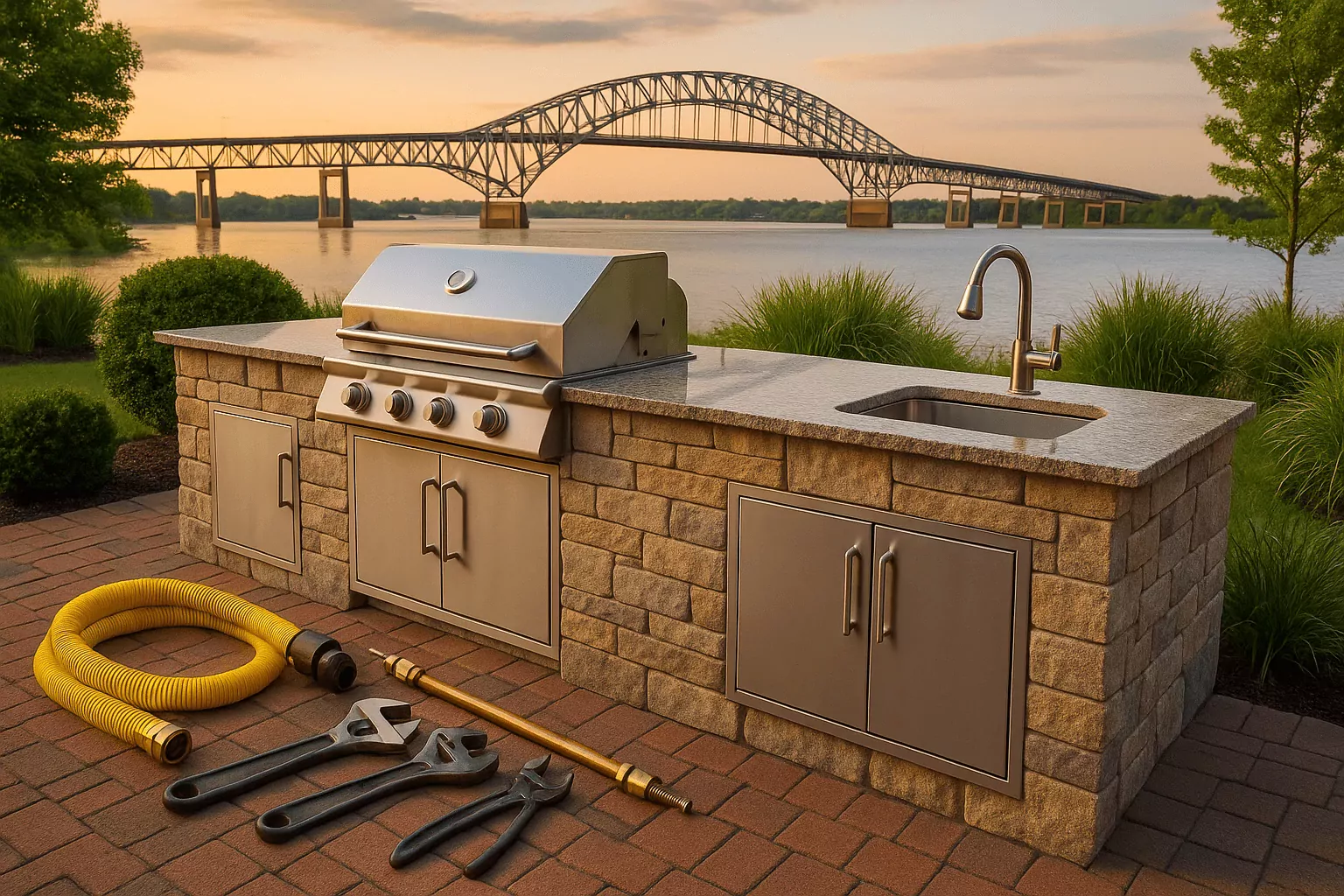
Planning a backyard cooking space is exciting, but safe, code-compliant gas piping is what makes it work reliably. If you are researching outdoor kitchen gas lines Bridge City, start with a clear plan, a licensed installer, and an understanding of local codes. For quick navigation, here is a helpful link to learn more about outdoor kitchen gas lines Bridge City and get started the right way. In our coastal climate, moisture, shifting soils, and storm exposure demand extra attention to materials, routing, and testing. The following guide distills proven practices our team uses across Bridge City, Orange, and Beaumont for natural gas and propane systems. You will find practical steps, real-world examples, and safety checkpoints so your first cookout is memorable for the food, not surprises.
1. Verify permits, codes, and utility locates for outdoor kitchen gas lines Bridge City
Before trenching or drilling, confirm permitting and inspection requirements with your local authority having jurisdiction. Bridge City may follow the International Fuel Gas Code and NFPA 54 with local amendments, so your design and pipe sizing must match those rules. Call 811 and file a utility locate request at least two business days before digging to avoid hazards and service outages. This free step prevents line strikes, protects you legally, and keeps your project timeline on track. For official references, review Texas811 guidance and the Texas Railroad Commission's gas safety information before you proceed.
We recently supported a homeowner near West Roundbunch Road who initially planned to DIY trenching without a permit. After a quick consult, we coordinated the permit, utility locates, and inspection sequence, cutting risk and avoiding a delay when the inspector visited. By aligning the plan with code from day one, we optimized the route for proper burial depth and clearances from electrical conduits. This also simplified inspection since everything matched the approved drawings and manufacturer instructions. Learn more from authoritative sources such as the Texas Railroad Commission and Texas811, and check Bridge City resources for local processes.
2. Size the system and select materials for outdoor kitchen gas lines Bridge City
Proper gas line sizing prevents underfiring, soot, and nuisance shutdowns when multiple appliances run together. Add up the BTU demand for your grill, side burners, griddle, smoker, pizza oven, and heaters, then size the pipe based on length and allowable pressure drop. Natural gas systems often operate at low pressure, while propane typically uses regulators to step down tank pressures, so sizing charts and regulator selection matter. Material choices include black iron, polyethylene for underground, and CSST with bonding for certain runs, each with pros and cons based on exposure. A licensed plumber can produce a sizing worksheet and equipment schedule that the inspector understands and approves quickly.
In a Beaumont project with a grill, power burner, and two patio heaters, the owner complained about weak heat at startup. The issue was an undersized branch feeding all appliances, which we corrected by upsizing the trunk and adding a secondary regulator at the island. After adjustments, every appliance reached full BTU output, and startup times dropped significantly even on cold mornings. When you are weighing materials, consider these common picks that perform well in Southeast Texas:
3. Plan safe routing, trenching, burial depth, and corrosion protection for outdoor kitchen gas lines Bridge City
Routing should minimize joints, avoid high-traffic areas, and maintain clearances from electrical, irrigation, and drainage components. Underground gas piping typically requires a minimum cover depth per code and utility standards, often 18 inches or more, but verify locally before digging. For polyethylene pipe, install a continuous tracer wire to simplify future locating and service; for metallic lines, apply compatible coatings or sleeves. Where piping passes through slabs or walls, use sleeves and sealants that allow movement without damaging the pipe. Above grade, protect exposed lines from UV, impact, and corrosion, and keep them accessible for inspection and maintenance.
Soil conditions around Orange and Bridge City can shift with seasonal rains, making support and expansion allowances important. We like to route underground lines away from tree roots and use sand bedding to protect the pipe while promoting drainage. If your island sits on a slab, we often stub up through a sleeve that allows easy replacement or adjustment later. At appliance connections, drip legs help catch debris or condensate that would otherwise clog burners and cause poor combustion. For additional guidance, consult NFPA 54, the National Fuel Gas Code (https://www.nfpa.org/codes-and-standards/all-codes-and-standards/list-of-codes-and-standards/detail?code=54).
4. Install must-have safety components on outdoor kitchen gas lines Bridge City
Safety components are your last line of defense and should never be an afterthought in outdoor kitchens. Provide a labeled, readily accessible shutoff valve serving the entire island, plus appliance shutoffs where required, so emergencies are quickly controlled. Where quick-disconnects are used for grills or side burners, ensure they are rated for outdoor use and have matching BTU capacity. Regulators must be properly vented and protected, with vent orientation and clearances matched to manufacturer instructions and code. Bond and ground CSST per manufacturer instructions to reduce lightning-related risks common in Gulf Coast storms.
We routinely add sediment traps, appliance-specific regulators, and excess flow valves to improve safety and performance during heavy use. Ventilation is essential for built-in grill cabinets to dissipate unburned gas; include both high and low vents per equipment specs. After assembly, a licensed plumber should perform leak checks with an approved pressure test, not only soap solution. Document everything with photos and pressure logs, which helps during inspections and speeds future troubleshooting. Core safety components that we recommend include:
5. Pressure test, inspect, and maintain outdoor kitchen gas lines Bridge City
No outdoor kitchen should go live without a documented pressure test that satisfies your local code and inspector. Low-pressure systems are commonly tested at a higher static pressure for a set duration, using a calibrated gauge or manometer. If a test fails, methodically isolate sections to locate the leak, replace suspect fittings, and retest before covering any piping. Schedule inspections in the planned sequence to avoid rework, and have manufacturer documents ready to answer any questions. Photograph buried runs, show tracer wire placement, and label valves so maintenance is simple later.
After the final inspection, plan seasonal maintenance so small issues do not become safety hazards or mid-party shutdowns. We recommend annual checks for corrosion, movement, and burner performance, plus a leak survey after major storms or landscaping changes. If you are adding appliances later, revisit pipe sizing and regulator capacity before connecting new loads. For expert help, see our services or contact us to schedule an on-site assessment. Ready to move forward now? Call our team through the contact form to get your permit, plan, and installation scheduled.
Safe, reliable outdoor kitchens start with clear permits, correct sizing, smart routing, critical safety hardware, and a thorough pressure test. By following these five tips, you will streamline inspections, avoid costly rework, and enjoy full performance from every burner. Our Southeast Texas environment rewards durable materials, protected runs, and seasonal maintenance to keep your system dependable. Whether you are in Bridge City, Orange, or Beaumont, work with a licensed professional who knows local codes and inspectors. When you are ready, 409 Plumbing will design, permit, and install a gas system tailored to your cooking style and space.
Frequently Asked Questions About Outdoor Kitchen Gas Lines
Do I need a permit to install outdoor kitchen gas lines in Bridge City?
In most cases, yes, permits and inspections are required for new gas work or substantial modifications. Bridge City follows fuel gas code standards, and the inspector will verify proper sizing, materials, test pressure, and clearances. The permit process protects you by ensuring a second set of trained eyes checks the system before first use. Skipping permits can delay home sales, void warranties, and risk fines, especially if there is an incident. A licensed plumber can handle the paperwork, coordinate Texas811 locates, and meet the inspector so your project moves smoothly.
Which is better for an outdoor kitchen in Southeast Texas, natural gas or propane?
Both can work very well when correctly designed, and your site conditions often drive the choice. Natural gas offers convenience and no tank refills if a supply line is available, but may require trenching and metering updates. Propane offers flexibility where natural gas is unavailable and can support high-BTU appliances with proper regulators and tank size. For hurricane preparedness, some owners prefer propane because the system operates independently of utility gas service. We evaluate appliance BTUs, distance, soil conditions, and your cooking style to recommend the most reliable and cost-effective option.
How much does it cost to install outdoor kitchen gas lines Bridge City?
Costs vary based on distance from the meter or tank, soil and trenching needs, appliance count, and materials. A simple grill stub-out near the house may be far less than a full island with heaters and a pizza oven. The most predictable way to budget is a site visit that confirms BTU loads, route, burial depth, and safety components. We provide a written scope with pipe sizes, regulator specs, and test requirements so you understand exactly what is included. Call 409 Plumbing for a no-pressure estimate and clear options that fit your timeline and budget.
Registered Master Plumber Texas State Board of Plumbing Examiners
RMP #44702
Licensed and Bonded
Cities Serviced
409 Plumbing
Follow Us On
© 2026 409 Plumbing. All Rights Reserved.
Website Design and Hosting Provided by LocalBizBuzz,co