
24 Hour Service
Call 409-444-0066
Top 5 Tips for Effective Sewer Backup Cleanup
in Orange
Practical strategies for homeowners in Orange to tackle sewer backup cleanup quickly and safely, preventing further damage.
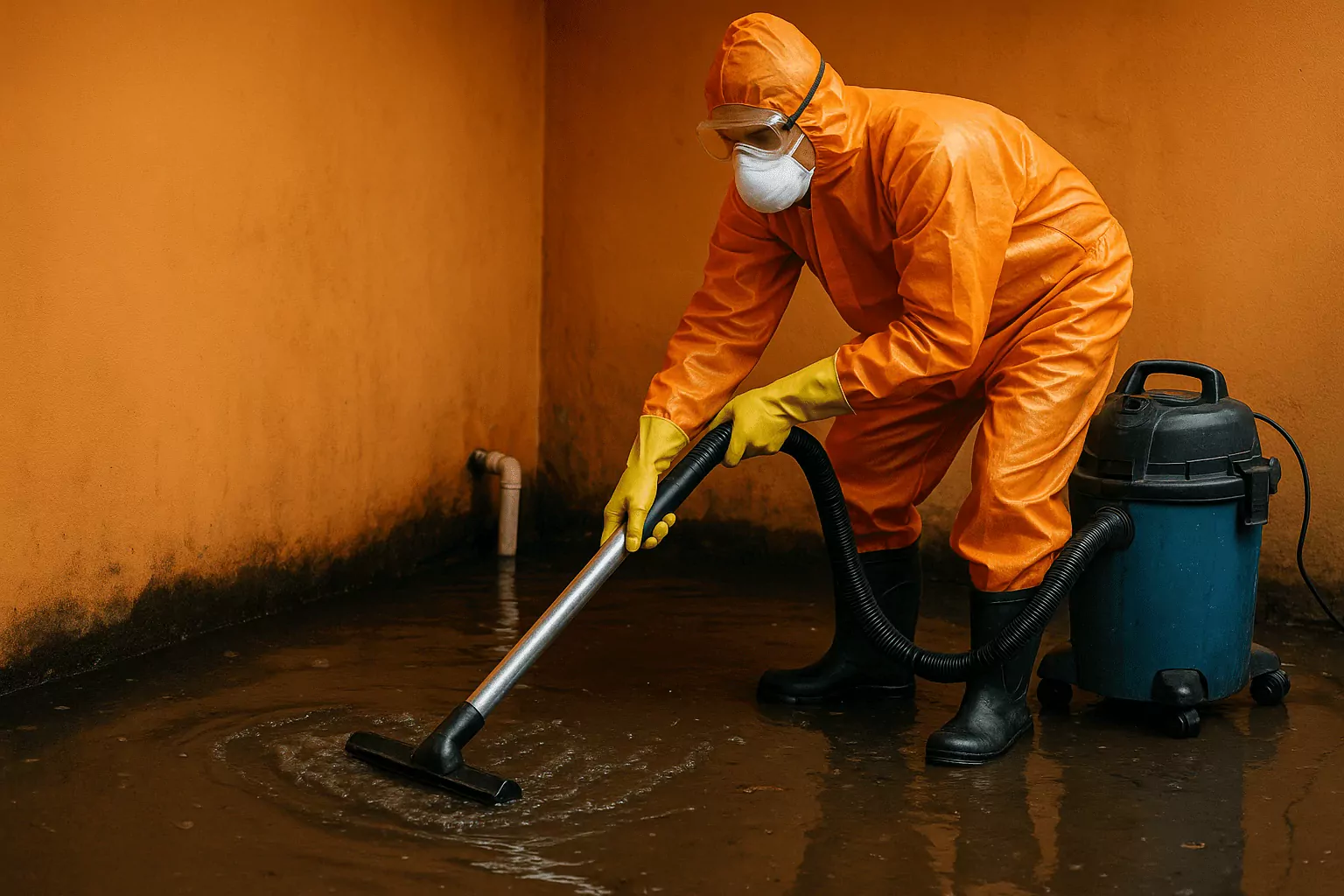
When you are dealing with sewer backup cleanup Orange homeowners must act quickly to protect their health and property. Raw sewage contains harmful pathogens, and even a small overflow can spread contamination beyond the immediate area. The key is following a clear, safe process that contains the mess, documents damage for insurance, and restores your home correctly the first time. In Orange, Beaumont, and Bridge City, many backups are triggered by heavy rains, aging infrastructure, tree root intrusion, or grease blockages in lateral lines. With the right plan, tools, and professional support, you can address the emergency and prevent repeat incidents. Below are five proven tips, field-tested by local pros, to help you navigate the most effective cleanup steps from start to finish.
1. Prioritize Safety First During Sewer Backup Cleanup in Orange
Your first priority in any sewer backup cleanup in Orange is personal safety. Sewage is a Category 3 water loss, meaning it can contain viruses, bacteria, and chemicals that require strict protective measures. Keep children, older adults, and pets away from the contaminated area, and avoid skin contact with wastewater. If the backup reached outlets or appliances, shut off electricity to the affected rooms at the breaker to reduce shock risk. Ventilate with open windows and fans positioned to exhaust air outdoors, not to circulate contaminated air through the rest of the home.
Use personal protective equipment such as nitrile or rubber gloves, waterproof boots, eye protection, and a respirator rated for bioaerosols if odors are strong. Place absorbent barriers at doorways to minimize spread, and designate a single entry/exit path for anyone entering the area. Bag and stage contaminated waste outside the living area as you work to reduce recontamination of cleaned spaces. For fast response and guidance, consider calling a local pro trained in IICRC procedures for Category 3 water. If time is critical, contact a trusted local provider for sewer backup cleanup Orange support to ensure safety protocols are followed from the start.
2. Stop the Source and Document the Damage
Stopping the intrusion is the next critical step, and it often requires isolating the plumbing issue. If wastewater is still flowing, avoid running water anywhere in the home and turn off the main water supply. If you suspect a municipal main issue or see a manhole surcharge on your street, contact your utility provider immediately and avoid opening any cleanouts until a technician arrives. While stabilizing the situation, document the damage with clear photos and short videos, including floor-level shots, walls, furnishings, and personal items. Good documentation strengthens insurance claims and speeds approvals for mitigation and restoration.
Carefully note the date and time of discovery, weather conditions, and any relevant plumbing symptoms like gurgling drains or slow fixtures before the event. Save receipts for interim expenses such as pumps, dehumidifier rentals, and temporary lodging if needed. If you are unsure about liability, the EPA provides context on sanitary sewer overflows and their causes that can help you discuss the event with your insurer and utility provider. For more background on overflows and public systems, review the EPA's overview at EPA: Sanitary Sewer Overflows. With the source controlled and documentation in hand, you are ready to remove contaminated water and materials efficiently.
3. Extract, Remove, and Segregate Contaminated Materials
Rapid extraction limits absorption, odors, and long-term damage. Use a wet vac or a dedicated extraction pump to remove standing water, discharging to an approved sanitary cleanout if possible and permitted. Porous materials that sewage has contacted typically require disposal, including carpet, pad, insulation, and most upholstered items. Non-porous and semi-porous surfaces such as tile, sealed concrete, metal, and some hardwoods can often be cleaned and disinfected to professional standards. Double-bag contaminated debris in contractor bags, label them, and stage them in a safe outdoor area for disposal per local regulations.
As you sort contents, separate salvageable items from disposables, and isolate them in a clean, dry area. Photograph each pile for your records and insurance review, and keep a simple inventory list. For each item type, consider the material and dwell time in contaminated water to decide whether it can be cleaned or must be discarded. If you are unsure, consult IICRC S500/S550 guidance or a certified professional for a definitive recommendation. Items commonly requiring disposal after sewage contact include:
4. Deep Clean, Disinfect, and Dry to Prevent Mold
After extraction and removal, meticulously clean and disinfect all affected surfaces. Start with a detergent wash to remove soils and biofilms, then apply an EPA-registered disinfectant with the labeled dwell time; do not rush this step. OSHA provides helpful sewage cleanup guidance on safe chemical use and worker protection. Follow with thorough rinsing as appropriate and a second disinfectant application for high-touch and high-risk areas like bathrooms and laundry rooms. Clean all tools and equipment before bringing them back into clean spaces to avoid cross-contamination.
Drying is just as important as disinfection, because lingering moisture can trigger mold within 24-48 hours. Use air movers to create directional airflow across surfaces and position dehumidifiers centrally to maintain low relative humidity. Monitor moisture in walls, floors, and trim with a moisture meter until readings return to normal baselines for your materials. Consider HEPA air filtration if demolition or heavy cleaning has aerosolized dust or spores. For immediate professional help with extraction and structural drying, explore our emergency plumbing services and rapid mitigation options designed for homes in Orange, Beaumont, and Bridge City.
5. Prevent Future Sewer Backups in Orange Homes
Prevention begins with understanding why backups happen in your area and making targeted upgrades. If your neighborhood experiences surcharging during storms, talk with a licensed plumber about installing a backwater valve on the building sewer line. Schedule routine sewer and drain maintenance, including camera inspections to spot root intrusion, bellies, or cracked pipes before they fail. Avoid flushing wipes, even if labeled flushable, and keep fats, oils, and grease out of your drains to reduce blockage risk.
Homeowners in Orange, Beaumont, and Bridge City benefit from a recurring maintenance calendar and professional inspections ahead of hurricane season. Keep a basic response kit on hand with PPE, contractor bags, a wet vac, and disinfectant so you can act quickly if an incident occurs. If you are not sure where to start, a preventive assessment with a local expert can map out high-risk points and practical fixes. To learn about drain maintenance options, see our sewer and drain cleaning services and schedule a visit that fits your routine. You can also get answers to specific questions or book service now via our contact form.
Effective sewer backup cleanup in Orange hinges on safety, fast source control, thorough removal, meticulous disinfection, and complete structural drying. By following the five tips above and integrating preventive steps like backwater valves and routine drain maintenance, you can protect your home from repeat incidents. Local conditions in Orange, Beaumont, and Bridge City make preparation especially valuable during storm season, when surcharging lines are more likely. If you need expert help, 409 Plumbing offers rapid response, insurance-friendly documentation, and code-compliant restoration from assessment through clearance. Call 409 Plumbing at 409-444-0066 to schedule service or an inspection today. For immediate assistance or to request a quote online, head to our contact form and get your home back to normal faster.
Frequently Asked Questions About Sewer Backup Cleanup
Is sewer backup cleanup dangerous, and what health risks should I consider?
Yes, sewage exposure is hazardous because it may contain bacteria, viruses, parasites, and chemicals that can cause illness. Direct skin contact and inhaling aerosols are the main exposure pathways, so PPE is essential. Keep vulnerable individuals, including children and people with compromised immunity, away from affected areas until cleanup is complete and verified safe. The CDC and industry standards classify sewage as a high-risk contaminant that requires special handling, disinfection, and drying. For authoritative safety guidance, review the IICRC water damage standards and resources like the IICRC S500 Standard. When in doubt, bring in professionals trained in Category 3 water mitigation to protect your household.
Can I do sewer backup cleanup myself, or should I hire a professional?
Limited, shallow, and contained backups on hard, non-porous surfaces can sometimes be addressed by a prepared homeowner following safety protocols. However, if sewage has contacted carpeting, drywall, insulation, or spread to multiple rooms, professional mitigation is strongly recommended. Pros use commercial extractors, EPA-registered disinfectants, negative air containment, and moisture monitoring to ensure a complete, safe restoration. They also document conditions for insurance, helping you navigate claims faster. If you are unsure, request a professional assessment; many reputable contractors can provide same-day guidance and estimates. Acting early often reduces overall costs and prevents secondary damage like mold growth and structural deterioration.
How long does sewer backup cleanup take, and what affects the timeline?
Most residential sewer backup cleanup projects take 1-3 days for extraction, removal, cleaning, and initial drying, followed by several more days of dehumidification. Factors include the volume of water, how long it sat, the materials affected, and ventilation conditions in the home. Porous material removal speeds drying, while complex floor assemblies or wall cavities may require targeted demolition to access wet areas. Insurance approvals and adjuster inspections can also affect the schedule for restoration steps like reinstalling flooring and trim. A clear plan, quick decision-making on salvage vs. disposal, and adequate drying equipment help shorten the timeline. Your contractor should provide daily updates and moisture reports until your property reaches dry standards.
Registered Master Plumber Texas State Board of Plumbing Examiners
RMP #44702
Licensed and Bonded
Cities Serviced
409 Plumbing
Follow Us On
© 2026 409 Plumbing. All Rights Reserved.
Website Design and Hosting Provided by LocalBizBuzz,co