
24 Hour Service
Call 409-444-0066
Top 5 Tips for a Successful Water Heater Installation
in Beaumont
Master the essentials of water heater installation in Beaumont to ensure a hassle-free setup and lasting efficiency.
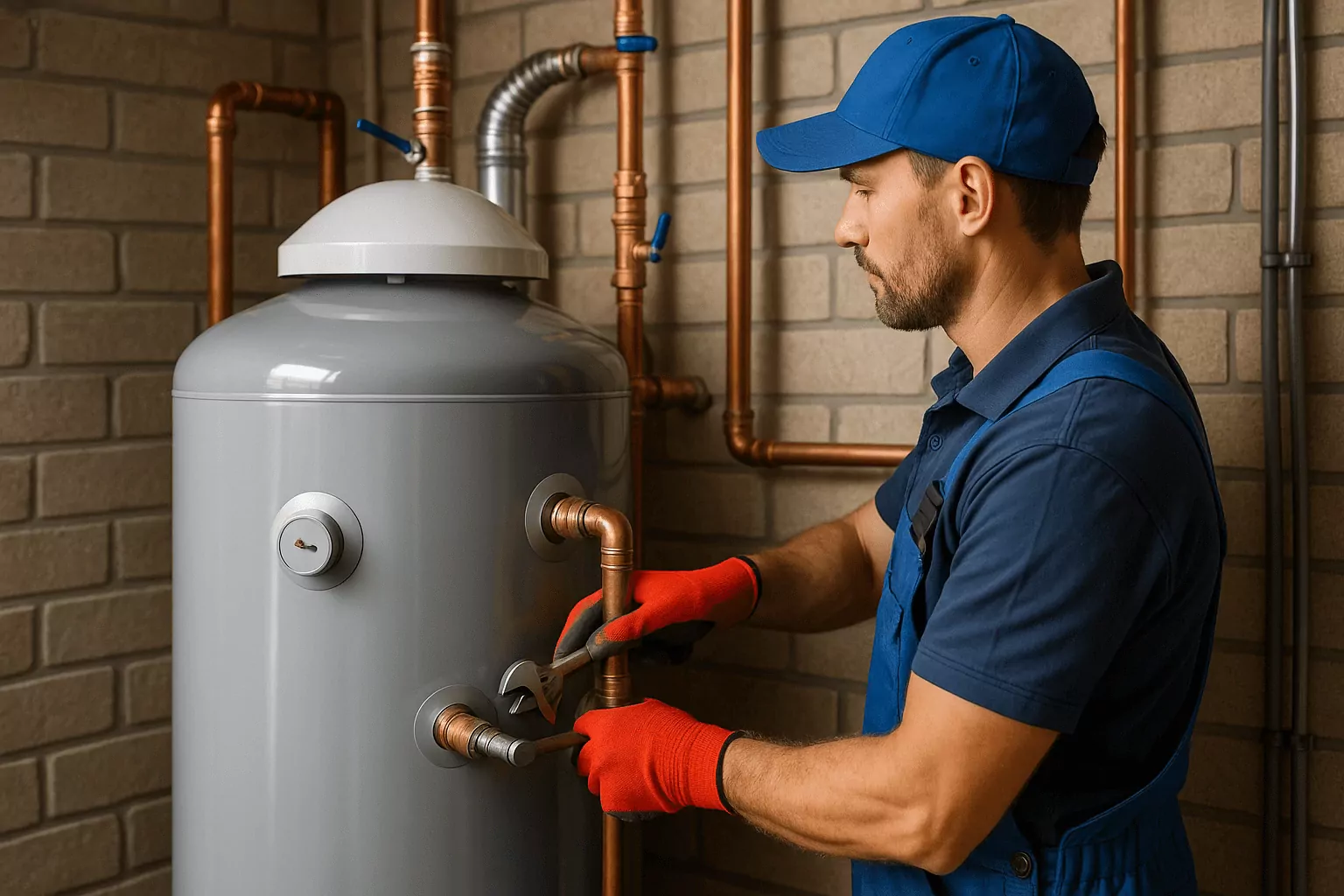
Planning a water heater installation Beaumont project is one of the smartest ways to boost comfort, efficiency, and long-term savings in your home. Whether you live in Orange, Beaumont, or Bridge City, choosing the right system and installing it correctly can prevent surprise breakdowns and high utility bills. Homeowners often underestimate key steps like permitting, sizing, venting, and safety checks, which can add costly delays if skipped. By taking a strategic approach, you can enjoy steady hot water, better energy performance, and a system that lasts its full lifespan. In this guide, we break down practical tips from the field to help you avoid common pitfalls and get the best results. If you prefer expert help from a licensed local pro, 409 Plumbing brings proven experience to every job and can tailor recommendations to your household needs.
1. Plan your water heater installation Beaumont: choose the right size and type
Start by confirming the correct capacity and technology for your household, because oversizing or undersizing leads to poor performance and wasted money. For traditional tank models, look at first-hour rating, recovery rate, and insulation levels to balance daily demand with energy use. If you are considering tankless, check gallons-per-minute needs at peak times, especially for multi-shower households or homes running laundry and dishwashers simultaneously. Gas versus electric also matters in Beaumont due to utility rates, available gas lines, and venting feasibility. A quick load assessment by 409 Plumbing can compare options using your family size, fixture count, and usage patterns to pinpoint the best fit.
Here is a simple starting framework to guide selection before your water heater installation Beaumont moves forward with purchases and scheduling. Review typical demand events, like back-to-back showers or simultaneous appliance use, and match them to tank capacity or tankless flow rate. Evaluate space constraints in garages, closets, or attic areas to ensure code-compliant clearance and service access. Consider long-term operating costs by comparing Energy Factor or Uniform Energy Factor ratings and available warranties. Factor in water quality, because hard water common in Southeast Texas can affect scaling, efficiency, and maintenance intervals on both tank and tankless systems.
2. Prepare the site and permits for water heater installation Beaumont
Proper preparation prevents delays and hazards, starting with permits and local code checks before any work begins. Many municipalities require permits, inspections, and compliance with updated safety codes for venting, T&P relief valves, and seismic or strapping where applicable. While requirements vary, working with a licensed plumber helps you stay consistent with Texas regulations and manufacturer installation instructions that protect warranties. Confirming drain pan and drain line routing, combustion air needs for gas units, and clear pathways for delivery all streamline the job. This groundwork protects your investment and helps your system pass inspection on the first visit.
Local considerations can also impact scheduling and component choices, especially for homes in flood-prone or high-humidity areas around Beaumont and Orange County. Garages may require elevating gas water heaters to reduce ignition risk, and attic installs demand safe platforms, lighting, and accessible shut-offs. If you are swapping from electric to gas, pre-check meter capacity, gas line sizing, and vent termination locations to avoid mid-project changes. For electrics, verify breaker rating and dedicated circuit needs, especially for hybrid heat pump water heaters. When in doubt, confirm licensing status and code familiarity; for statewide guidance, see the Texas Department of Licensing and Regulation at TDLR Plumbing.
3. Execute safe, code-compliant water heater installation Beaumont connections
Execution is where details make or break performance, safety, and warranty coverage, so take your time with critical connections. Use dielectric unions on mixed-metal joints to reduce corrosion, and add full-port shut-off valves for easier future service. For gas units, perform a soap test or manometer test on all joints and confirm the venting system meets manufacturer specs for length, pitch, and termination. Electric units should receive properly sized conductors, grounded connections, and breaker protection aligned to nameplate data. Always install the temperature and pressure relief valve correctly with a dedicated drain line discharging to a safe, visible location.
Water quality safeguards improve longevity, especially in hard water regions across Beaumont, Orange, and Bridge City. Consider an expansion tank when required by local code or when you have a closed-loop system to stabilize pressure and protect fixtures and the tank. Add sediment traps on gas lines to keep debris from reaching burners, and flush new tanks to remove factory debris before final startup. If scale is a concern, install service valves on tankless units and plan regular descaling to preserve heat exchanger efficiency. These steps minimize callbacks, reduce energy waste, and help your system deliver consistent hot water year-round.
4. Optimize efficiency after water heater installation Beaumont
Once the system is in place, fine-tuning controls and insulation can deliver immediate savings and comfort. Set water temperature thoughtfully, often around 120°F for safety and efficiency, unless specific use cases require higher temps with mixing valves. Insulate exposed hot water lines to reduce standby losses and speed up delivery to distant fixtures. If your home has long pipe runs, a timer-controlled recirculation pump can shorten wait times while avoiding round-the-clock energy use. For hybrid heat pump water heaters, select operating modes that balance cost savings with demand, especially during seasonal changes.
Smart accessories and small upgrades multiply the return on your water heater installation Beaumont by managing demand and protecting components. Install leak detection sensors with automatic shut-off for added security in garages, closets, or attics. Choose a high-quality anode rod and calendar routine checks to combat tank corrosion, and verify draft and combustion performance on gas units annually. Review your home's insulation and low-flow fixtures to align overall usage with the heater's capabilities and efficiency goals. For authoritative energy guidance and best practices, the U.S. Department of Energy offers homeowner resources at EnergySaver: Water Heating.
5. Test, start up, and maintain your water heater installation Beaumont
Thorough testing ensures your new system delivers on day one and keeps performing through seasonal swings. Start by purging air from lines, checking for leaks at every joint, and verifying correct burner or element operation. Confirm vent draft on gas models with a test mirror or smoke pencil, and review error codes or diagnostics on tankless controls. Check the T&P valve function and document baseline temperatures at key fixtures to benchmark performance. Finally, register the product warranty, record serial numbers, and log the installation date for easy future reference.
Maintenance is the long-term secret to maximizing the life of your installation, especially with hard water and high-demand households. Tank models benefit from periodic sediment flushing and anode rod inspections to slow corrosion and preserve heating efficiency. Tankless units should be descaled at intervals based on water hardness, plus air intake screens and condensate drains should be cleaned. A quick annual check of shut-offs, expansion tank pressure, and combustion or electrical connections can catch small issues early. If you want professional upkeep, 409 Plumbing offers maintenance plans across Orange, Beaumont, and Bridge City to keep systems reliable and efficient.
A successful water heater installation Beaumont journey starts with smart planning, code-ready preparation, and precise, safe connections. With the right size and technology, you can enhance comfort, cut operating costs, and extend system life. Fine-tuning settings, insulating lines, and scheduling routine maintenance will lock in performance gains you can feel every day. If you are ready to upgrade or replace, trust 409 Plumbing for expert recommendations and top-tier workmanship across Orange, Beaumont, and Bridge City. For professional help or a fast quote, call 409 Plumbing at 409-444-0066. Explore our water heater services, and schedule online through our contact form. For homeowners researching next steps, start here: water heater installation Beaumont and get dependable results from a licensed local team.
Frequently Asked Questions About Water Heater Installation
How do I know what size water heater I need for my family?
Sizing depends on your peak-hour demand, which includes the maximum number of fixtures and appliances operating at the same time. For tank models, match your household size and peak usage to the first-hour rating and recovery rate. For tankless, calculate gallons per minute across showers, sinks, and laundry, and adjust for temperature rise typical in Beaumont. A family of four often needs a 50-gallon tank or a tankless unit able to deliver 7 to 9 GPM, but specifics vary. 409 Plumbing can perform a load assessment, factor in your water quality, and recommend right-sized options for comfort and efficiency.
Do I need a permit for water heater installation in Beaumont?
In many cases, yes, especially for gas, venting, or significant electrical work that triggers inspection requirements. Permits help ensure safety features like T&P relief valves, proper venting, drain pans, and seismic or strapping (where applicable) meet code. Requirements can vary by jurisdiction and the scope of work, so checking before you start avoids delays. Licensed installers handle permitting and inspections to keep your project compliant and on schedule. For statewide licensing information, review the Texas Department of Licensing and Regulation at TDLR Plumbing, and consult your local building department for current permit guidance.
What can I do to improve energy efficiency after installation?
Start by setting the thermostat to about 120°F and insulating accessible hot water lines to reduce heat loss. Add a timer-based recirculation system if long runs cause slow hot water delivery, and consider low-flow fixtures to reduce demand. Keep up with annual maintenance like sediment flushing for tanks or descaling for tankless models to preserve performance. Hybrid heat pump heaters can run in energy-saving modes most of the year while meeting higher demands during holidays or hosting. If you want expert help optimizing efficiency, 409 Plumbing can audit your setup and recommend upgrades tailored to your home and usage patterns.
Registered Master Plumber Texas State Board of Plumbing Examiners
RMP #44702
Licensed and Bonded
Cities Serviced
409 Plumbing
Follow Us On
© 2026 409 Plumbing. All Rights Reserved.
Website Design and Hosting Provided by LocalBizBuzz,co