
24 Hour Service
Call 409-444-0066
Top 5 Tips for a Successful Propane Line Installation
in Bridge City
Essential advice for homeowners in Bridge City to ensure safe and efficient propane line installations.
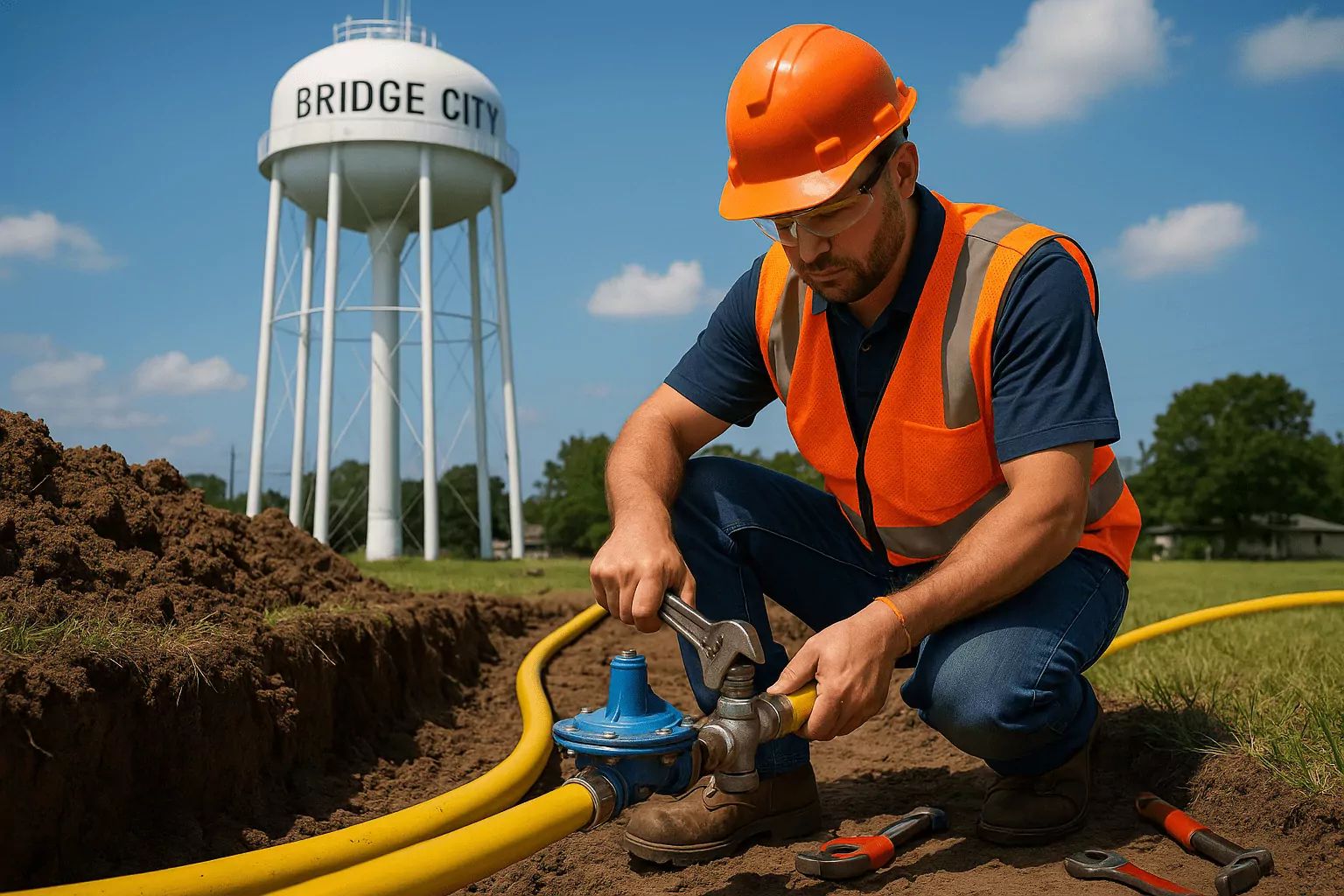
Planning a safe, code-compliant propane line installation in Bridge City starts long before a trench is dug or a fitting is tightened. From permits and utility locates to material selection and testing, every step impacts safety, efficiency, and long-term performance. Homeowners and contractors who master the fundamentals save time, avoid rework, and pass inspections on the first try. This guide shares practical, field-tested advice tailored to local conditions and regulations so your project stays on schedule and within budget. You will learn how to assess load, select the right pipe, perform a proper pressure test, and prepare for inspection and startup. For a quick overview and local support, explore propane line installation Bridge City with trusted experts who know the terrain and the codes.
1. Plan, permit, and survey: propane line installation Bridge City checklist
Every successful propane project in Bridge City begins with a site-specific plan and the right permits. Start by calling 811 to mark all buried utilities and prevent costly, dangerous strikes during trenching and boring. Coordinate with your local authority having jurisdiction to verify permit requirements and inspection timing, referencing NFPA 58 and relevant Texas LP-Gas rules. A thorough site walk helps identify soil conditions, drainage patterns, and property features that affect trench routes and appliance placement. Build a simple load map that lists all future gas appliances, their BTU ratings, and estimated runtime to guide sizing and route decisions.
Local weather and soil conditions in Southeast Texas also shape planning decisions and timelines. High groundwater or clay soils may require added bedding material and protective sleeves to maintain burial depth and prevent pipe abrasion. Consider separation distances from electrical lines, septic components, and structures to avoid code violations and future service conflicts. Obtain written approval from HOAs when applicable, and confirm property line offsets to avoid encroachment. Document your plan with a basic drawing that shows pipe sizes, lengths, regulators, shutoff valves, and test points so crews and inspectors share the same roadmap.
2. Size and select materials correctly for propane line installation Bridge City
Proper sizing is the backbone of a reliable system, ensuring each appliance receives adequate fuel under peak demand. Use total connected load (sum of BTUs) and longest-run calculations to choose the correct diameter while minimizing pressure drop. Select materials suited to the application: underground polyethylene (PE) with tracer wire for buried runs, and approved copper tubing or CSST with appropriate fittings for above-ground segments. In corrosive or wet conditions, consider protective sleeves, anodeless risers, and approved transition fittings to safeguard against damage. Do not mix incompatible materials or fittings, and ensure all components carry appropriate listings for LP gas.
Regulator selection and staging also affect performance and safety across the system. A two-stage setup, with a first-stage regulator at the tank and a second-stage regulator at the building, often stabilizes pressures over distance and load changes. Verify regulator vent orientation, clearance, and protection from flooding, snow accumulation, or wind-driven rain. Plan shutoff valve placement for quick isolation during maintenance or emergencies, and include sediment traps to prevent debris from entering appliances. Record all material makes, models, and pressure ratings for inspection and future service needs.
3. Follow safe installation practices during propane line installation Bridge City
Once trenching begins, focus on precision, protection, and clean assembly to ensure a safe, durable system. Maintain code-compliant burial depths and bed the pipe in clean fill free of rocks or debris that could cause abrasion. Use continuous tracer wire along PE runs for accurate location during future service, and bring the wire above grade at risers. For CSST, follow manufacturer bonding and support requirements to reduce the risk of damage from lightning or movement. Keep appropriate separations from electrical, water, and sewer lines to prevent cross-utility hazards and service conflicts.
Leak prevention starts with proper cutting, reaming, and thread sealing techniques on metallic connections. Apply approved thread sealant for LP gas and tighten fittings to manufacturer torque guidelines to avoid overtightening or under-tightening. Cap and protect open lines during pauses to keep moisture, insects, and debris out of the system. Before backfilling, perform a preliminary soap test at accessible joints to catch obvious issues early. Photograph critical installation points, including risers, valves, and depth markers, to document conditions before they are buried.
4. Pressure test, inspect, and document: propane line installation Bridge City
Formal pressure testing proves the integrity of your system before any gas is introduced. Isolate the system, connect a calibrated gauge, and pressurize to the code-required test value and duration as directed by the authority having jurisdiction. Many jurisdictions follow NFPA 58 guidance, but always confirm local specifics and test with air or inert gas, never with propane. Monitor for stable pressure over the full test window and investigate any drop before proceeding. Record test results, gauge model, ambient temperature, and duration to produce a complete, inspector-ready log.
Once the system passes the pressure test, schedule inspection and have documentation ready for quick approval. Provide drawings, load calculations, regulator specifications, and product datasheets as requested. Make sure all components are accessible for inspection and that trenches remain open in required areas until approval. After sign-off, backfill carefully and restore landscaping, hardscape, or grading to pre-project condition. Label shutoff valves, tag regulators, and store documentation for future service and resale value.
5. Start up, educate, and maintain: propane line installation Bridge City
After inspection and backfill, system startup should be methodical and well-documented. Introduce gas slowly, bleed air at designated points, and perform a thorough leak check at every accessible joint. Verify appliance ignition, manifold pressures, and combustion performance, adjusting as needed to manufacturer specifications. Check clearances to combustibles, venting paths, and make-up air provisions to protect both performance and safety. Affix labels that identify emergency shutoff valves and provide homeowners with quick-reference instructions.
Educating the end user is the final step that keeps the system performing safely for years. Review how to recognize a propane odor, when and how to shut off the system, and who to call in an emergency. Recommend annual inspections before peak usage seasons to catch regulator drift, minor leaks, or corrosion early. Provide a simple maintenance checklist and service intervals for filters, valves, and appliance tune-ups. Offer contact options for routine service and after-hours support so homeowners never feel alone if an issue arises.
A successful propane line installation in Bridge City is the product of thorough planning, precise sizing, careful installation, and rigorous testing. By following permit and code guidance, selecting the right materials, and documenting every step, you set your project up for long-term safety and performance. Clear homeowner education completes the process and protects your investment as seasons and usage change. If you are planning new construction, remodeling, or a fuel switch, partnering with local experts reduces risk and speeds approvals. For professional help and fast scheduling, contact 409 Plumbing at 409-444-0066. We proudly serve Orange, Beaumont, and Bridge City with code-compliant propane solutions and dependable service.
Ready to get started or need an inspection-ready plan? Explore our service offerings at our services page, request an estimate through our contact form, or read related safety insights on our blog. For authoritative guidance, consult NFPA 58 and always call 811 before you dig.
Frequently Asked Questions About Propane Line Installation
How deep should propane lines be buried in Bridge City?
Burial depth depends on local code and soil conditions, but many jurisdictions require a minimum depth for PE lines to protect against damage. Confirm specific depths with your local authority and reference NFPA 58 guidance before trenching. In areas with rocky or unstable soils, additional bedding or sleeves may be required to maintain protection. Always include a tracer wire alongside the pipe to aid in future locating and repairs. When in doubt, consult a licensed installer who understands Orange County and Bridge City requirements.
What size propane line do I need for multiple appliances?
Line size depends on total BTU load, the longest run to the furthest appliance, and acceptable pressure drop. Add up the BTU ratings of all connected appliances and use sizing charts from manufacturers or code references to select the correct diameter. Long runs and high-demand appliances like generators and pool heaters often require larger diameters to maintain performance. Regulator staging can also influence sizing, with two-stage systems improving stability over distance. A licensed installer can run precise calculations to ensure safe, efficient delivery to every appliance.
Can I run propane lines under driveways or patios?
It is often possible but requires careful planning, appropriate materials, and protective measures. Many installers use sleeved PE pipe with proper depth, bedding, and transition risers at each end of the hardscape. Future access is a key consideration, so detailed as-built drawings and tracer wire placement are critical. Coordinate with your inspector to verify separation distances, sleeve specifications, and any additional requirements. Planning the route before new hardscape is poured can reduce costs and simplify maintenance needs later.
How do I prepare for the propane inspection?
Have your permits, drawings, load calculations, product datasheets, and pressure test logs ready for review. Ensure trenches remain open where the inspector needs to see burial depth, bedding, and transitions. Label shutoff valves and keep all regulators, risers, and joints accessible and clean. Be prepared to demonstrate gauge readings and confirm test durations when requested. Clear documentation and a tidy site help speed approval and reduce the chance of reinspection.
What safety resources should I review before starting?
Start with NFPA 58 for LP-gas code fundamentals and the Texas Railroad Commission for state-specific LP-gas rules. Always call 811 before you dig to locate utilities and avoid service disruptions or injuries. Review manufacturer installation manuals for CSST, regulators, and appliances to follow bonding, venting, and clearance requirements. Local permitting offices can clarify inspection steps and any amendments to national codes. When questions arise, partner with a licensed propane installer who knows Bridge City and surrounding areas.
Registered Master Plumber Texas State Board of Plumbing Examiners
RMP #44702
Licensed and Bonded
Cities Serviced
409 Plumbing
Follow Us On
© 2026 409 Plumbing. All Rights Reserved.
Website Design and Hosting Provided by LocalBizBuzz,co