
24 Hour Service
Call 409-444-0066
Top 5 Signs Your Water Heater is Leaking in Port Arthur
Identify the key indicators of a leaking water heater in Port Arthur to prevent costly damage and ensure home safety.
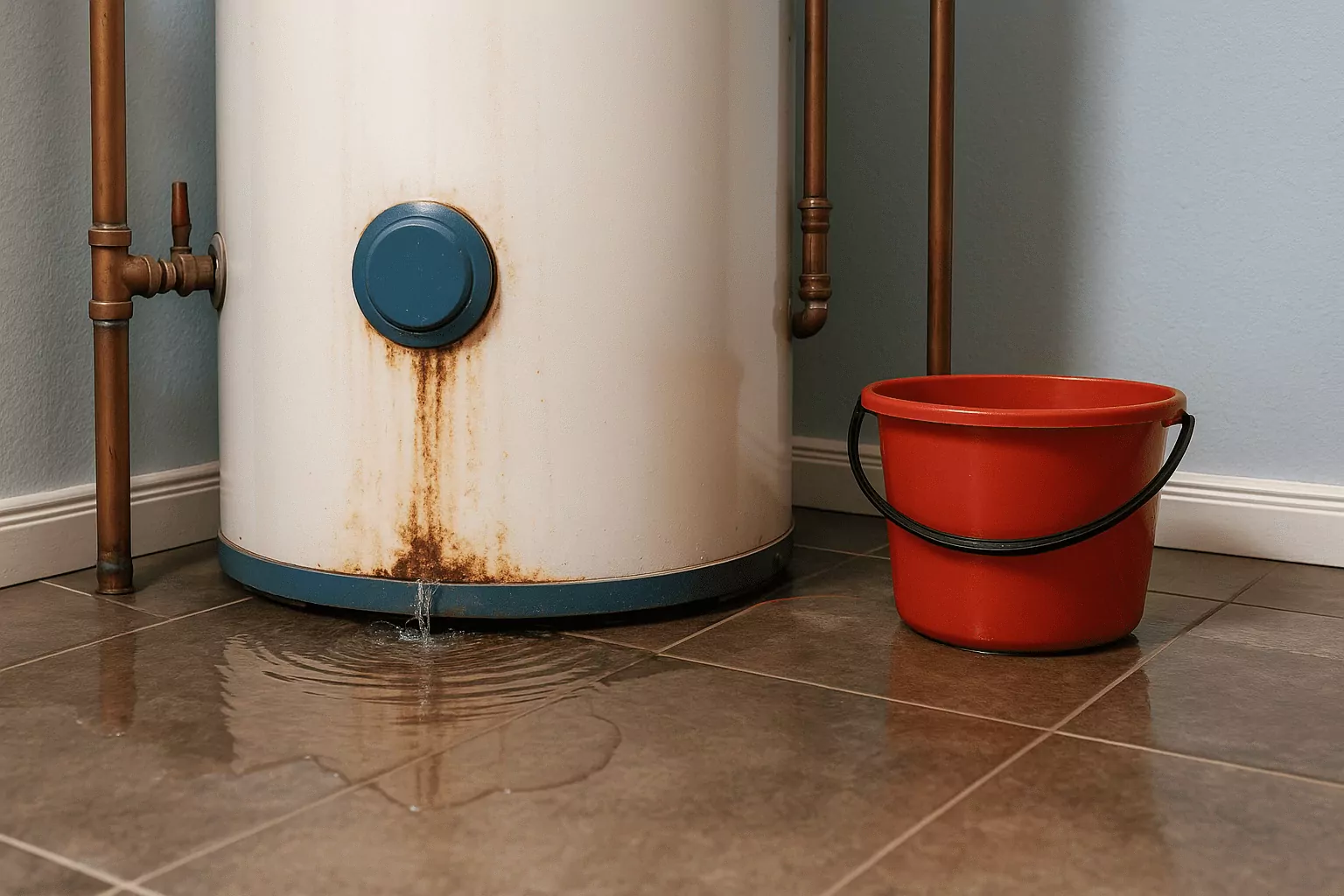
Noticing the early signs of a water heater leaking Port Arthur can save you from saturated walls, warped flooring, and steep energy bills. In Southeast Texas, where humidity is already high, even a small drip can quickly become a mold or mildew problem if left unchecked. If you suspect a water heater leaking Port Arthur, taking action fast helps limit damage and protect your home's hot water supply. This guide walks you through the top leakage indicators, what they mean, and what to do next. You will also learn how local conditions, like slab foundations and hard water, can accelerate wear on tanks and fittings in the Port Arthur area.
1. Puddles or Dampness Around the Tank: water heater leaking Port Arthur warning
The most obvious sign is standing water or a damp ring around the base of the tank. While light condensation can form in humid weather, persistent dampness usually points to a leak from the tank, drain valve, or fittings. Homeowners sometimes wipe up a small puddle and forget it, only to find a larger pool hours later as the system refills and reheats. If you keep seeing moisture, place a dry paper towel under suspected areas and check again after a shower cycle or dishwashing run. Consistency in dampness is a strong signal that something is seeping rather than sweating.
We recently heard from a Beaumont homeowner who noticed a small crescent of water near the water heater only after laundry day. Testing with dry towels after different hot water uses confirmed fresh moisture was appearing. The culprit turned out to be a loose cold-water inlet connection that only dripped when demand spiked. Tightening the fitting and replacing a worn washer resolved the issue before it damaged their vinyl plank flooring. Addressing dampness promptly helps prevent swollen baseboards and subfloor issues that are costly to fix.
2. Rust Stains, Corrosion, or Discolored Water: classic water heater leaking Port Arthur clue
Rust streaks on the tank shell, around the nipples, or near the drain valve suggest metal deterioration and possible seepage. Corrosion often begins inside the tank when the anode rod is spent, then works its way out, causing pinhole leaks. If you notice brown or rusty hot water from taps, the internal liner may be compromised, letting oxygen interact with the steel tank. Mineral-rich water in Southeast Texas can accelerate corrosion if maintenance is neglected. These symptoms typically mean the unit is near the end of its service life and should be inspected quickly.
Discoloration is sometimes intermittent, which can fool homeowners into thinking the issue resolved itself. In one Bridge City case, a family saw clear water for days between rusty bursts, which coincided with long hot showers that stirred sediment layers. A technician flushed the tank and checked the anode rod, revealing advanced internal wear and a slow weep at a welded seam. They chose a replacement rather than temporary patches, which prevented a future rupture. When rust and leaks appear together, replacement is often the safest, most cost-effective path.
3. Drips from the T&P Valve or Discharge Pipe: safety-focused water heater leaking Port Arthur sign
The temperature and pressure (T&P) relief valve is a critical safety device that opens to release excess pressure. If you see steady drips from the valve or the attached discharge pipe, your system may be over-pressurized or the valve may be failing. Thermal expansion, a faulty thermostat, or sediment can trigger frequent T&P discharges, wasting water and hinting at deeper problems. Never cap or plug this pipe; it must stay open and directed to a safe drain point.
We worked with a homeowner in Orange who reported a sizzling sound followed by a drip from the discharge pipe after peak evening use. Testing revealed a worn T&P valve and an expansion issue caused by a closed-system check valve upstream. Installing a thermal expansion tank, replacing the valve, and tuning settings solved the drip and stabilized pressures. Beyond water waste, chronic discharge can cause moisture damage around the heater closet or platform. Treat persistent T&P drips as both a leak sign and a safety priority.
4. Hot Water Running Out Faster and Higher Bills: hidden water heater leaking Port Arthur indicator
When a leak silently bleeds hot water, your heater runs more often to maintain temperature, which can shorten available hot water and drive up energy costs. If showers run lukewarm sooner than they used to and your utility bill jumps without a change in habits, suspect a small leak or significant sediment buildup. You can check your water meter when no fixtures are in use; movement can confirm water is flowing somewhere it should not. According to Energy.gov, inefficient water heating can be a major household energy drain, and leaks compound the waste. Fixing leaks and flushing sediment often restores efficiency and extends equipment life.
One Port Arthur area family noticed their gas bill rising month over month as their tank cycled more frequently. Inspection found a slow drip at the drain valve and heavy scale on the bottom of the tank that forced the burner to run longer. Replacing the faulty valve and performing a thorough flush brought their bills back in line and improved hot water duration. If your budget trends upward while comfort trends downward, investigate for leaks before assuming you must upgrade. Catching the issue now can save you from paying twice: once on utilities and again on water damage repairs.
5. Hissing, Sizzling, or Musty Odors Near the Unit: sensory water heater leaking Port Arthur cue
Leaks are not always visible; sometimes you hear or smell them first. A hissing or sizzling sound may indicate water contacting a hot surface or escaping under pressure from a hairline crack. A musty odor in the heater closet or adjacent room often means moisture has lingered long enough to support mildew. While light condensation can occur, recurring sounds and smells are telltale symptoms that deserve a close look. Use a flashlight to check seams, the burner compartment, and the pan for dampness you might have missed.
In a Beaumont townhome, a resident complained of a faint sizzle and an earthy smell after long showers. The source was a tiny seep at the hot-outlet nipple that evaporated quickly when the burner fired, leaving little visible water. Replacing the nipple and adding fresh pipe dope and tape eliminated the noise and odor. Small parts matter, and modest repairs can prevent bigger failures when caught early. If sensory clues keep appearing, schedule a professional assessment to prevent hidden damage inside walls or under floors.
From puddles at the base to hissing sounds and rusty water, these top five signs can help you spot a water heater leaking Port Arthur before it escalates. Quick action protects your floors, walls, and wallet while restoring dependable hot water for your household. For friendly, expert help, call 409 Plumbing at 409-444-0066, proudly serving Orange, Beaumont, and Bridge City. Explore our plumbing services or contact us today.
Frequently Asked Questions About Water Heater Leaks
What should I do first if I suspect a water heater leaking Port Arthur?
Start by turning off the power supply: switch the breaker off for electric units or set the gas control to pilot for gas models. Next, shut the cold-water inlet valve above the heater to stop the flow and limit additional leakage. Do not cap the T&P discharge pipe, and avoid tightening relief valves without guidance, as this can create a safety hazard. If water is pooling, place towels or a pan to contain it and snap photos for documentation. For fast help, contact 409 Plumbing and we will walk you through steps and dispatch a local pro to assess the situation safely.
Can a small leak wait, or do I need immediate service?
Even a slow drip can worsen suddenly, and it often indicates internal corrosion that will not repair itself. Small leaks are notorious for causing outsized damage to cabinets, drywall, and flooring when left for days or weeks. The Insurance Institute for Business & Home Safety notes that water heater failures can result in significant property losses; early intervention reduces that risk (IBHS research). Addressing the issue now protects your home and preserves hot water reliability. If you are unsure how urgent it is, book a same-day checkup and get clear guidance before the problem grows.
How do I know if I should repair or replace a leaking water heater?
Age is a key factor: most tank-type units last 8-12 years, and leaks late in life often point to replacement. If the leak comes from a fitting, valve, or anode port and the tank shell is sound, a targeted repair may be cost-effective. When the tank itself is weeping or corroded, replacement is typically the safest option to avoid sudden rupture. Consider efficiency gains too; a new, properly sized heater can trim energy costs and deliver steadier hot water, as outlined by Energy.gov. A professional inspection will identify the source, estimate remaining life, and compare repair vs. replacement value for your home.

Registered Master Plumber Texas State Board of Plumbing Examiners
RMP #44702
Licensed and Bonded
Cities Serviced
409 Plumbing
Follow Us On
© 2026 409 Plumbing. All Rights Reserved.
Website Design and Hosting Provided by LocalBizBuzz,co